
Flat Microphones
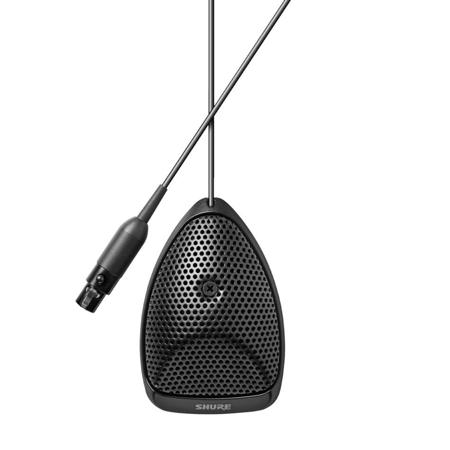
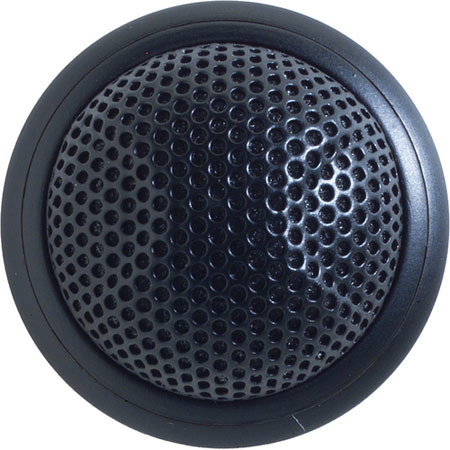
Flat microphones occupy a unique space in the world of professional audio, offering both innovative design and versatile functionality for a variety of recording and amplification needs. Their defining feature is their low-profile, unobtrusive form factor, often engineered to sit flush against tables, floors, or walls. This boundary or surface-mount design allows these microphones to capture sound evenly from all directions in a room, making them a preferred choice for environments where discretion and broad sound coverage are essential. Conference rooms, board meetings, lecture halls, and theater stages are just a few of the places where flat microphones excel, blending seamlessly into the setting while delivering clear, intelligible audio from every participant. The technology behind these microphones leverages the boundary effect, minimizing phase interference and capturing sound with impressive clarity and a natural sense of space. During the transition from the warmth of late summer to the cooler months of fall, flat microphones are invaluable for capturing the subtle nuances of group discussions, seasonal performances, and community gatherings, where every voice matters and background noise needs to be kept to a minimum.
For audio professionals, content creators, and musicians, flat microphones with a neutral or “flat” frequency response offer an additional layer of value. These microphones are designed to reproduce sound as faithfully as possible, without artificially boosting or cutting certain frequencies. This flat response is ideal for applications where accurate, uncolored audio is paramount—such as recording acoustic instruments, conducting field recordings, or performing room measurements for acoustic analysis. The ability to capture sound exactly as it exists in the environment makes these microphones a staple in studios and on location, especially when the goal is to preserve the authenticity of the source. Whether you’re tracking the delicate resonance of a classical guitar, documenting the ambiance of an outdoor event, or calibrating a new listening space, a flat microphone ensures that what you hear is true to life. These characteristics also make flat microphones an appealing gift for anyone passionate about pristine audio—be it a budding podcaster setting up their first home studio, a student embarking on a film project, or a seasoned engineer fine-tuning their recording rig for the busy fall production season.
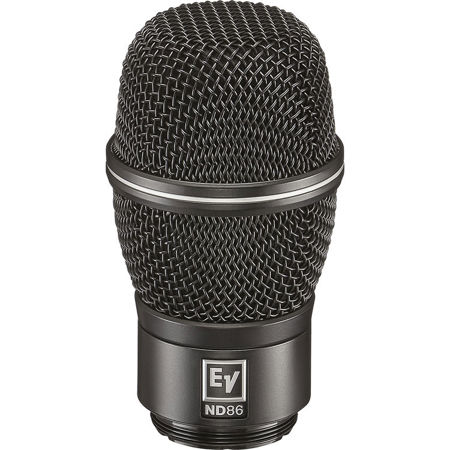
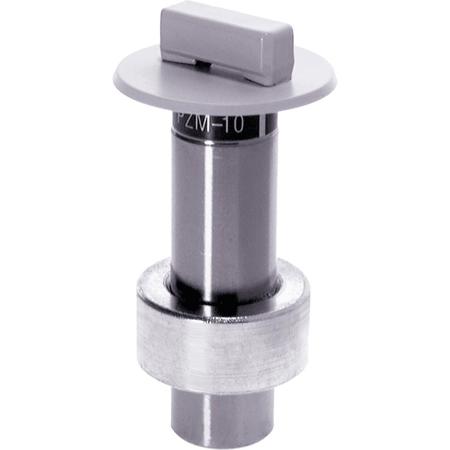
When considering a flat microphone, it’s important to weigh factors such as pickup pattern, mounting options, and intended use. Some models are specifically tailored for speech and dialogue, prioritizing intelligibility and minimizing table thumps or handling noise—perfect for panel discussions, worship services, or roundtable interviews where clarity is non-negotiable. Others are engineered for music and environmental recording, with sensitive diaphragms that capture the full spectrum of frequencies from subtle highs to rich lows. Durability and ease of installation can also be crucial, particularly for venues that host frequent events or require rapid setup changes as schedules fill up with autumn activities. For those looking to further refine their audio setup, exploring compatible accessories and modular solutions—such as interchangeable Microphone Heads—can open up even more possibilities for customization and performance. Ultimately, flat microphones bring together form and function, delivering professional-grade results in a package that’s as adaptable as it is discreet, making them a reliable choice for anyone who values both sound quality and seamless integration into their recording environment.
For audio professionals, content creators, and musicians, flat microphones with a neutral or “flat” frequency response offer an additional layer of value. These microphones are designed to reproduce sound as faithfully as possible, without artificially boosting or cutting certain frequencies. This flat response is ideal for applications where accurate, uncolored audio is paramount—such as recording acoustic instruments, conducting field recordings, or performing room measurements for acoustic analysis. The ability to capture sound exactly as it exists in the environment makes these microphones a staple in studios and on location, especially when the goal is to preserve the authenticity of the source. Whether you’re tracking the delicate resonance of a classical guitar, documenting the ambiance of an outdoor event, or calibrating a new listening space, a flat microphone ensures that what you hear is true to life. These characteristics also make flat microphones an appealing gift for anyone passionate about pristine audio—be it a budding podcaster setting up their first home studio, a student embarking on a film project, or a seasoned engineer fine-tuning their recording rig for the busy fall production season.
When considering a flat microphone, it’s important to weigh factors such as pickup pattern, mounting options, and intended use. Some models are specifically tailored for speech and dialogue, prioritizing intelligibility and minimizing table thumps or handling noise—perfect for panel discussions, worship services, or roundtable interviews where clarity is non-negotiable. Others are engineered for music and environmental recording, with sensitive diaphragms that capture the full spectrum of frequencies from subtle highs to rich lows. Durability and ease of installation can also be crucial, particularly for venues that host frequent events or require rapid setup changes as schedules fill up with autumn activities. For those looking to further refine their audio setup, exploring compatible accessories and modular solutions—such as interchangeable Microphone Heads—can open up even more possibilities for customization and performance. Ultimately, flat microphones bring together form and function, delivering professional-grade results in a package that’s as adaptable as it is discreet, making them a reliable choice for anyone who values both sound quality and seamless integration into their recording environment.