Flexible Cables
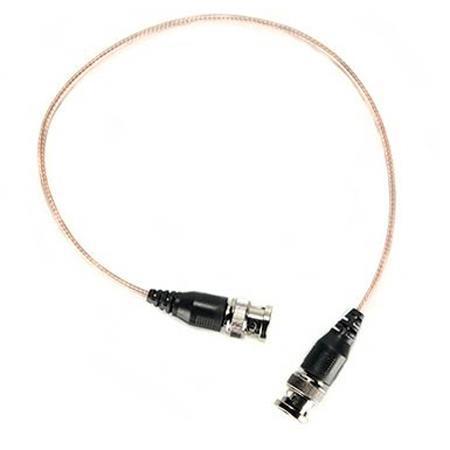
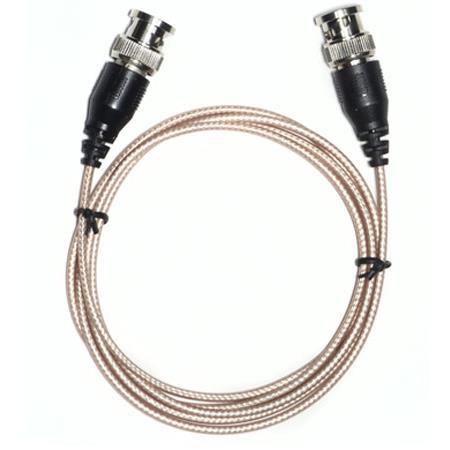
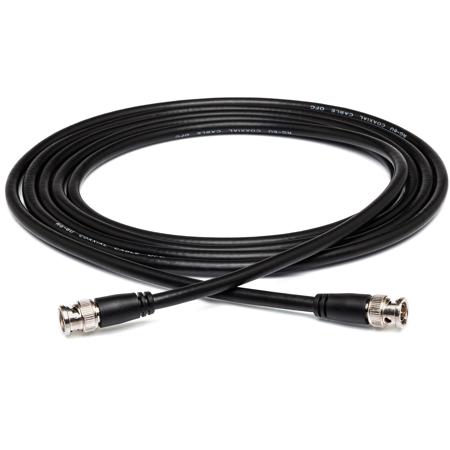
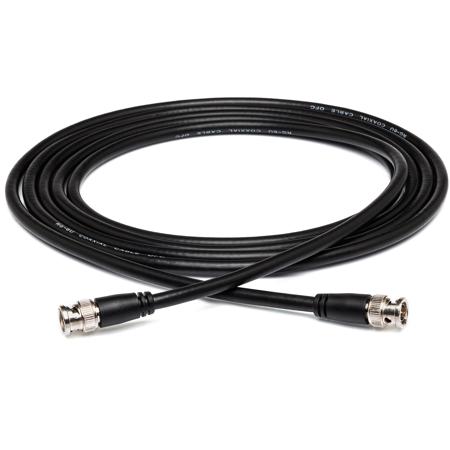
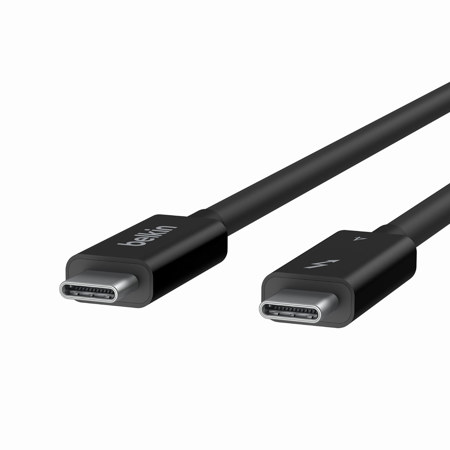
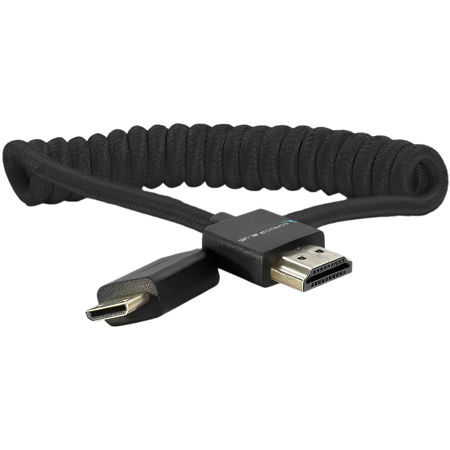
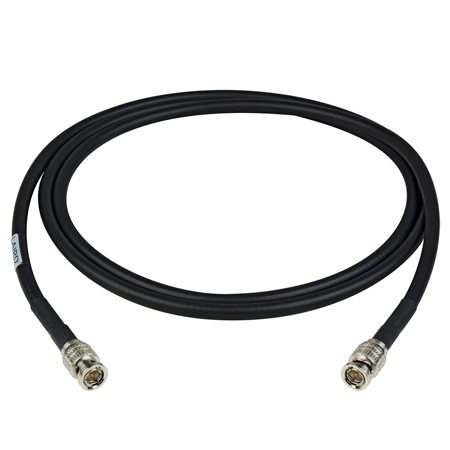
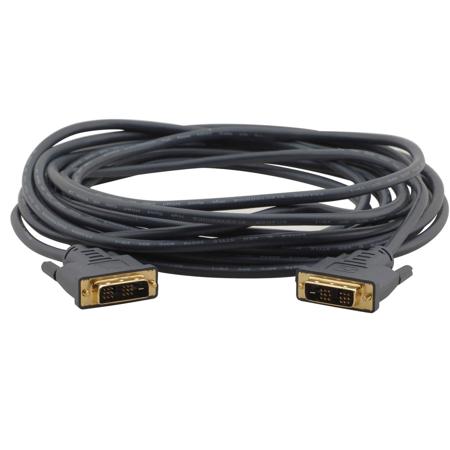
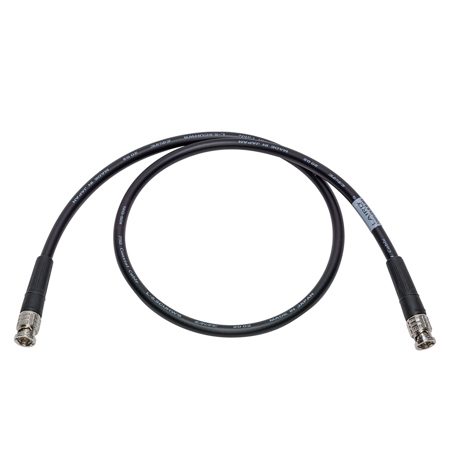
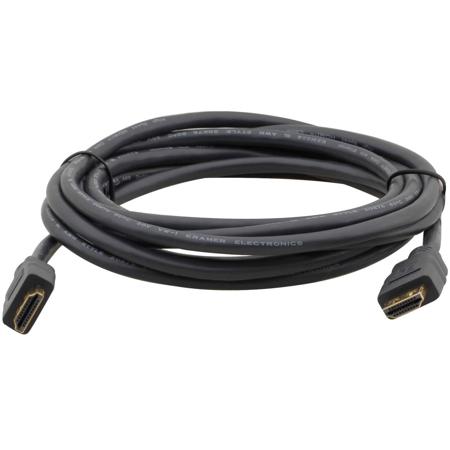
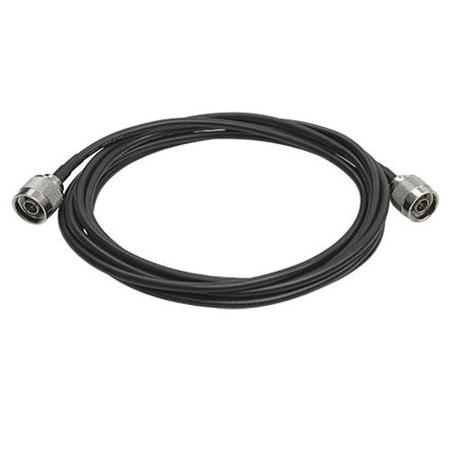
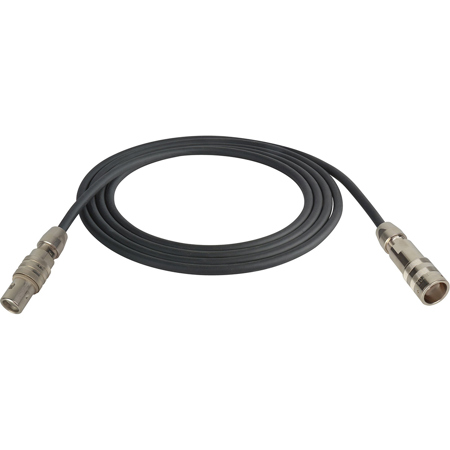
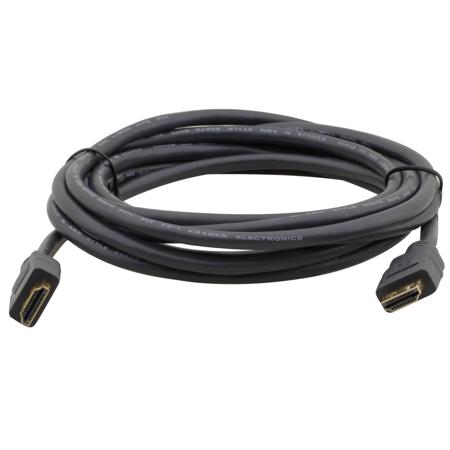
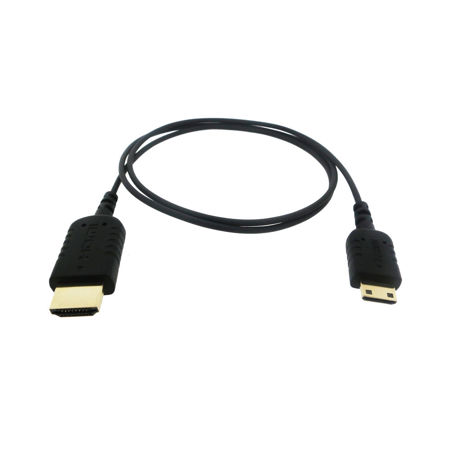
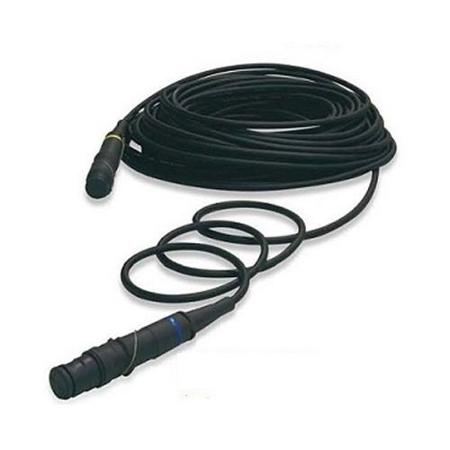
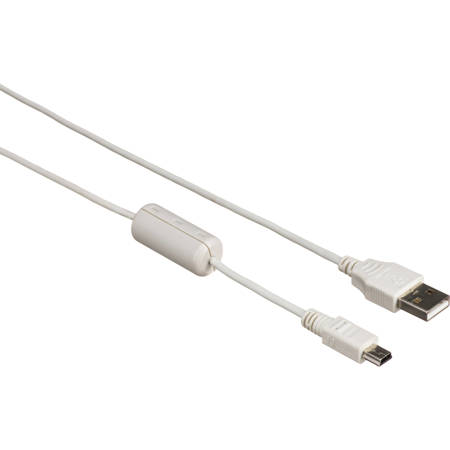
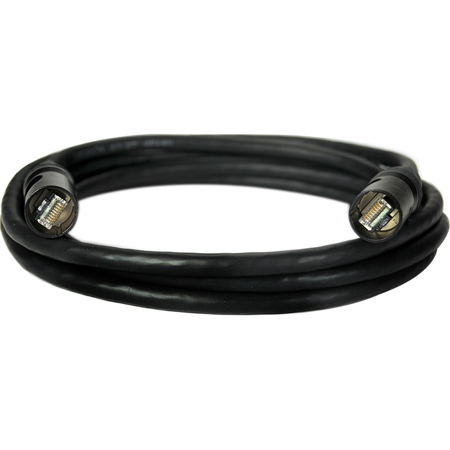
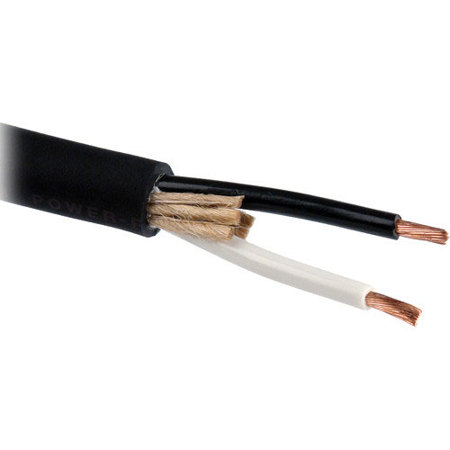
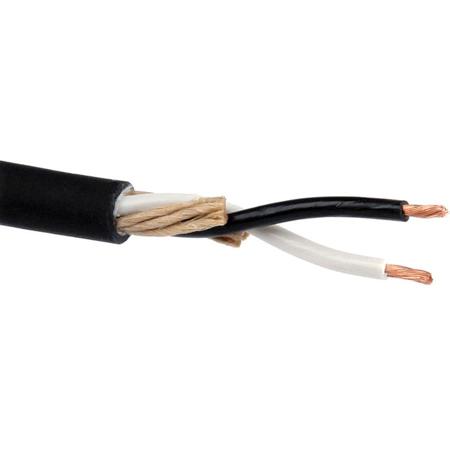
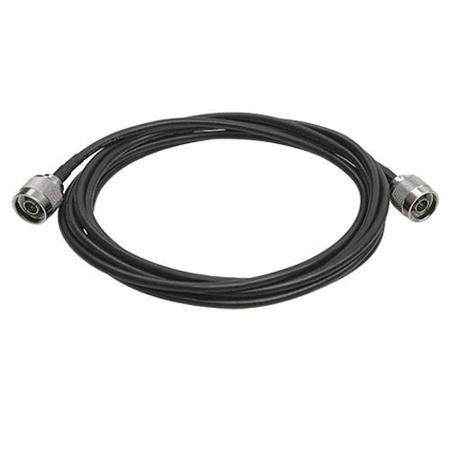
Flexible cables are an essential component in the world of modern electronics, audio, video, and industrial applications, providing a reliable solution where movement, space constraints, and durability are top priorities. Unlike traditional rigid wiring, these cables are designed to withstand repeated bending, twisting, and flexing, making them ideal for connecting devices and components in environments that demand both precision and resilience. Whether you’re working on intricate repairs inside a laptop, setting up a dynamic stage for a live performance, or configuring high-tech manufacturing equipment, the right flexible cable ensures seamless power and data transmission without the risk of breakage or signal loss. Their ultra-thin, flat, or round profiles allow them to snake through tight spaces, wrap around corners, and follow the contours of complex assemblies, all while maintaining robust electrical connections. This adaptability makes flexible cables a staple not only for professional engineers and technicians but also for musicians, hobbyists, and anyone looking to upgrade or maintain their electronic devices.
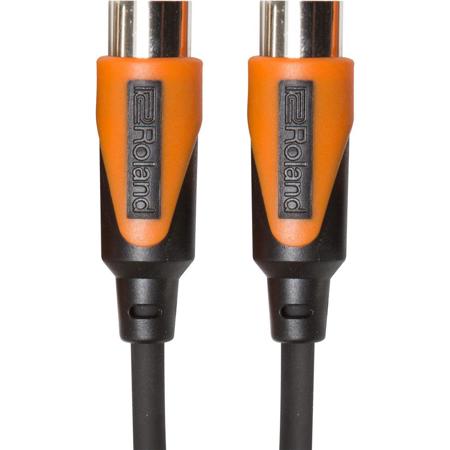
As the days grow longer and projects move from the confines of winter workbenches to sunlit studios and open stages, flexible cables become even more valuable. Musicians and audio engineers rely on highly flexible instrument and patch cables to keep pedalboards tidy and stages free from tangles, ensuring that performances run smoothly during festival season and beyond. Photographers and videographers, often on the move between indoor and outdoor shoots, benefit from flexible cables that connect cameras, monitors, and lighting equipment without adding bulk or restricting movement. For those working in robotics or manufacturing, heavy-duty flexible cables are engineered to endure continuous motion, making them indispensable in environments where machinery is in constant use. Even in everyday life, flexible printed circuits (FPCs) and flat flexible cables (FFCs) are hard at work inside smartphones, laptops, and gaming consoles, connecting delicate internal components while allowing devices to remain slim and lightweight. The versatility of these cables also makes them a thoughtful and practical gift for tech enthusiasts, DIY tinkerers, or anyone embarking on a new creative or professional project as the seasons transition.
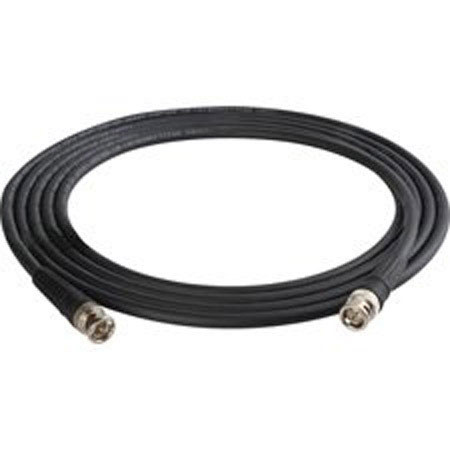
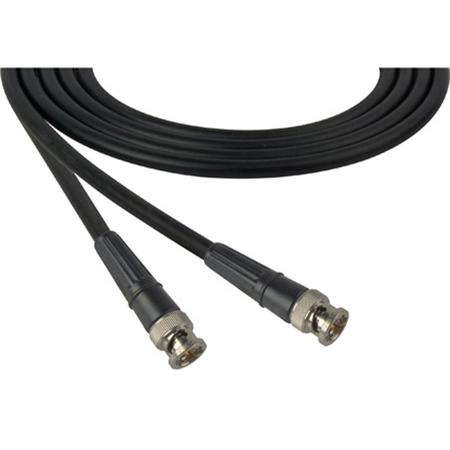
When selecting flexible cables, it’s important to consider the specific requirements of your application—such as length, gauge, shielding, and connector type—to ensure optimal performance and longevity. For high-movement scenarios, look for cables rated for continuous flexing and built with robust materials like oxygen-free copper and reinforced jackets. Shielded options are ideal for minimizing interference in audio and video setups, while ultra-thin FPCs and FFCs are perfect for compact electronics and delicate repairs. If your work involves controlling machinery or automation systems, you may want to explore specialized options like Control Cables, which are designed for precise signal transmission in demanding environments. No matter your field or level of expertise, investing in quality flexible cables can make all the difference—streamlining setups, reducing downtime, and empowering you to tackle new challenges with confidence as you move through the vibrant months ahead.
As the days grow longer and projects move from the confines of winter workbenches to sunlit studios and open stages, flexible cables become even more valuable. Musicians and audio engineers rely on highly flexible instrument and patch cables to keep pedalboards tidy and stages free from tangles, ensuring that performances run smoothly during festival season and beyond. Photographers and videographers, often on the move between indoor and outdoor shoots, benefit from flexible cables that connect cameras, monitors, and lighting equipment without adding bulk or restricting movement. For those working in robotics or manufacturing, heavy-duty flexible cables are engineered to endure continuous motion, making them indispensable in environments where machinery is in constant use. Even in everyday life, flexible printed circuits (FPCs) and flat flexible cables (FFCs) are hard at work inside smartphones, laptops, and gaming consoles, connecting delicate internal components while allowing devices to remain slim and lightweight. The versatility of these cables also makes them a thoughtful and practical gift for tech enthusiasts, DIY tinkerers, or anyone embarking on a new creative or professional project as the seasons transition.
When selecting flexible cables, it’s important to consider the specific requirements of your application—such as length, gauge, shielding, and connector type—to ensure optimal performance and longevity. For high-movement scenarios, look for cables rated for continuous flexing and built with robust materials like oxygen-free copper and reinforced jackets. Shielded options are ideal for minimizing interference in audio and video setups, while ultra-thin FPCs and FFCs are perfect for compact electronics and delicate repairs. If your work involves controlling machinery or automation systems, you may want to explore specialized options like Control Cables, which are designed for precise signal transmission in demanding environments. No matter your field or level of expertise, investing in quality flexible cables can make all the difference—streamlining setups, reducing downtime, and empowering you to tackle new challenges with confidence as you move through the vibrant months ahead.