
Foam Windscreens for Shotgun Microphones
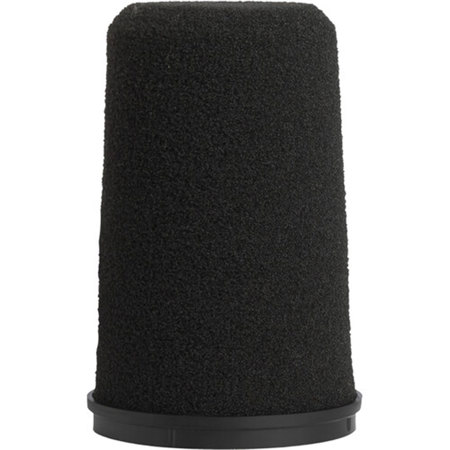
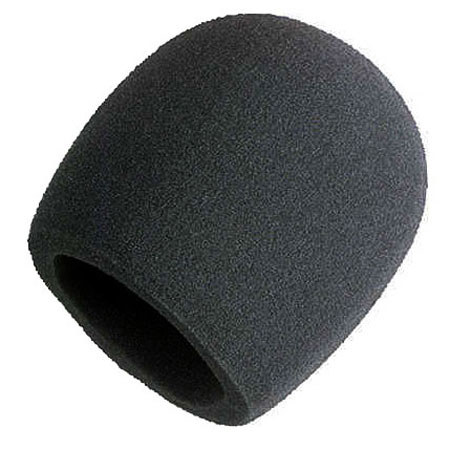
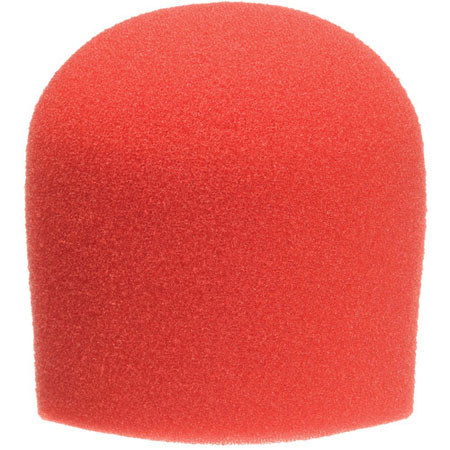
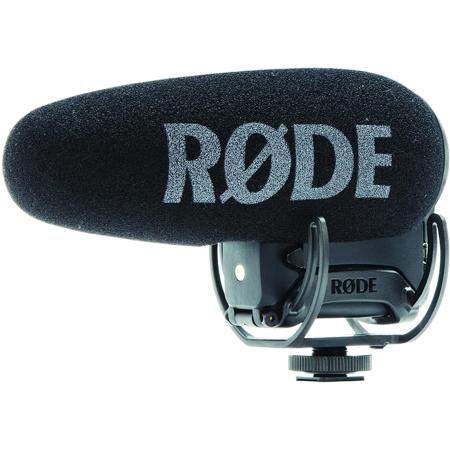
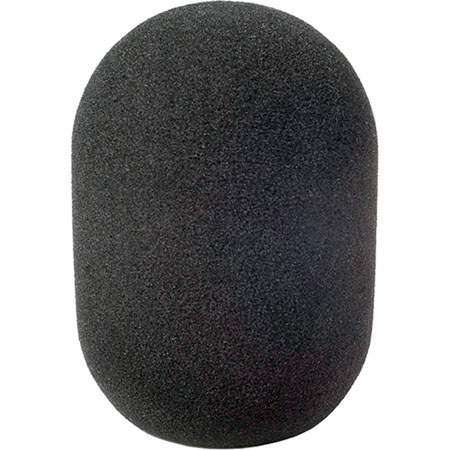
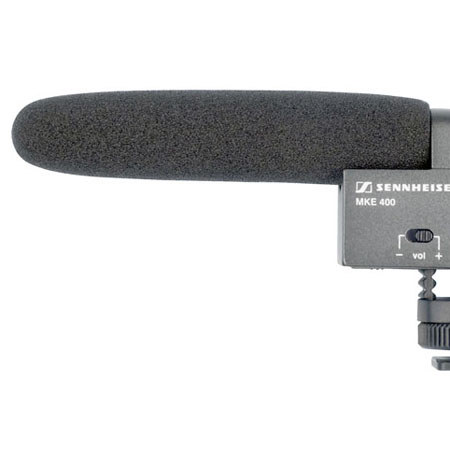
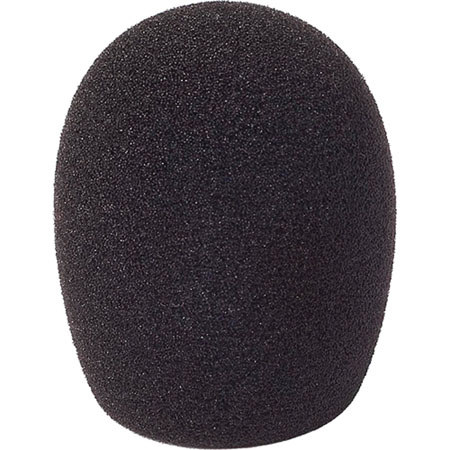
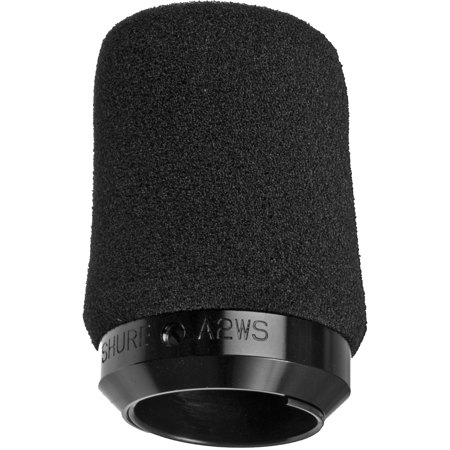
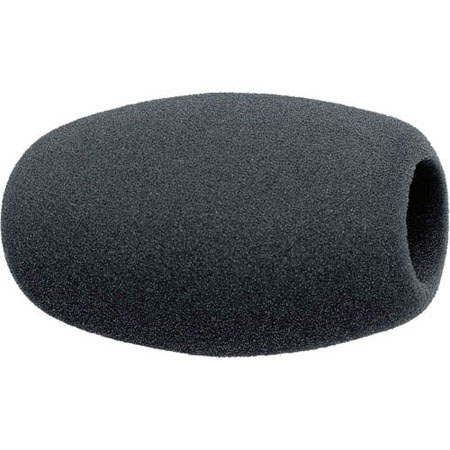
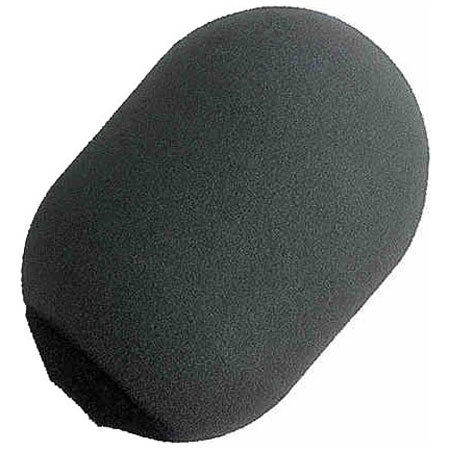
Foam windscreens for shotgun microphones are a staple accessory for anyone working with professional audio, whether in the controlled environment of a recording studio or out in the unpredictable elements of the field. These windscreens, crafted from acoustically transparent open-cell foam, are engineered to strike a delicate balance: they attenuate unwanted noises—like vocal plosives, sudden breath bursts, and the gentle whoosh of air currents—without compromising the natural frequency response of the microphone. During the warmer months, when outdoor shoots and live events become more frequent, a reliable foam windscreen can make all the difference in capturing crisp, clear audio. Even as the air cools and conditions shift, these windscreens continue to provide essential baseline protection, shielding sensitive microphone components from dust, moisture, and the gradual effects of UV exposure that can occur over time. The foam acts as a first line of defense, ensuring that microphones remain in optimal working condition, whether they’re mounted atop a camera at a breezy outdoor wedding, perched on a boom pole for a documentary interview, or stationed inside a bustling broadcast studio.
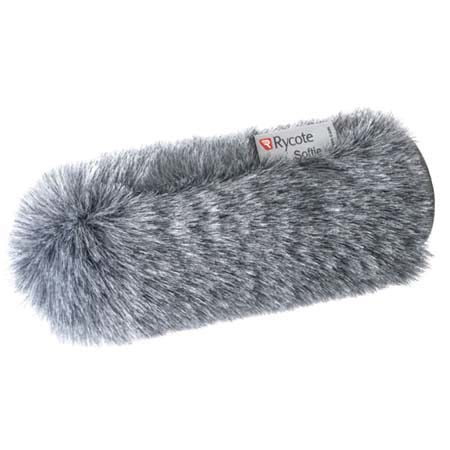
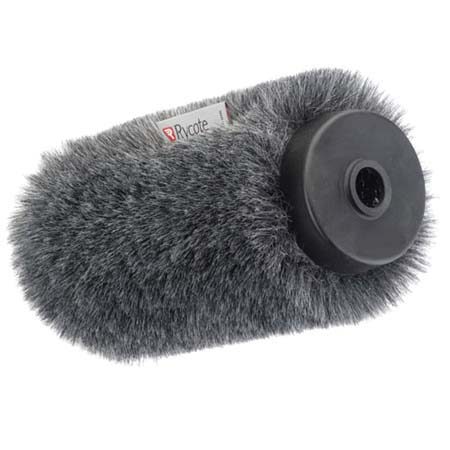
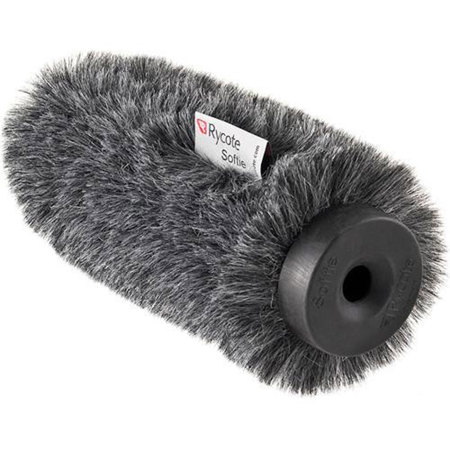
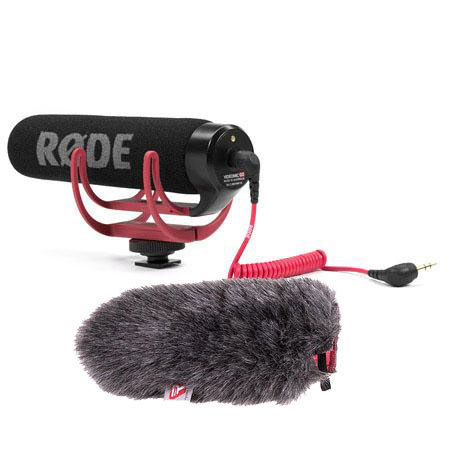
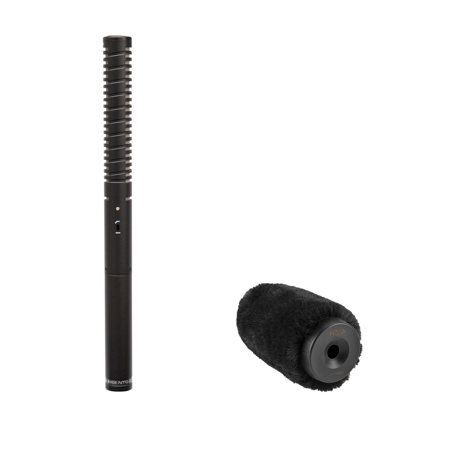
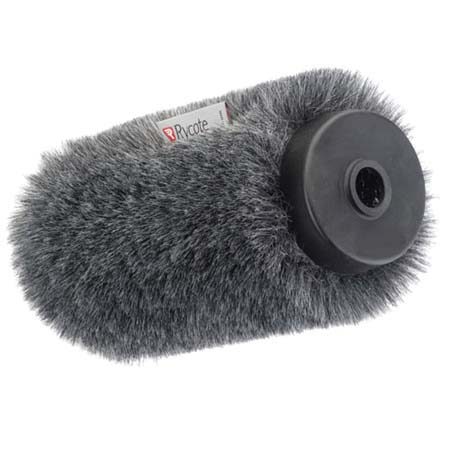
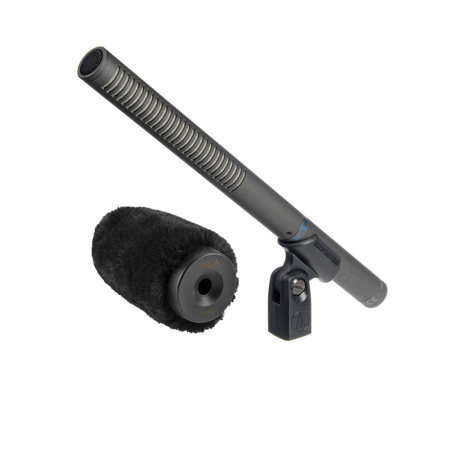
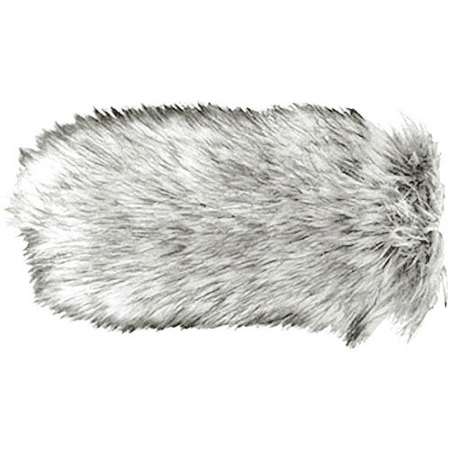
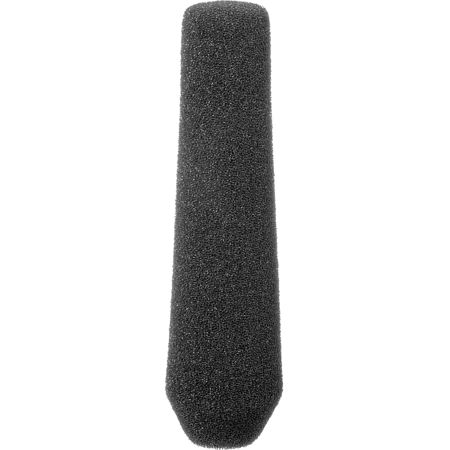
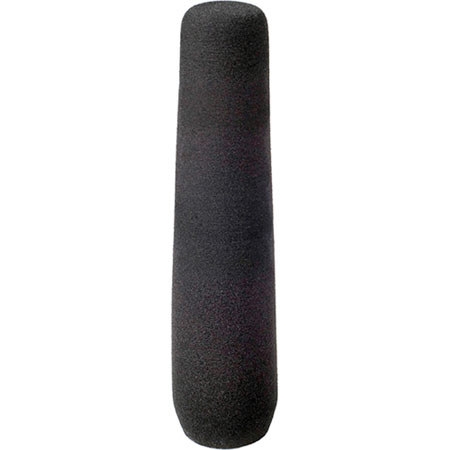
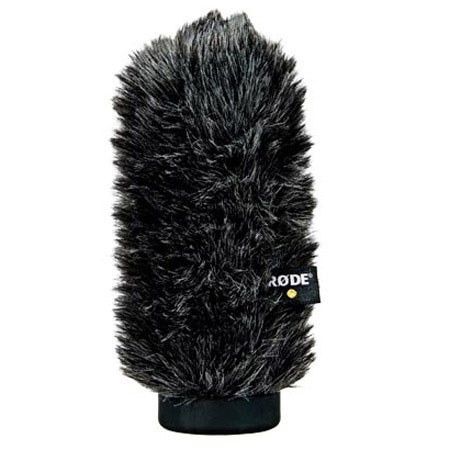
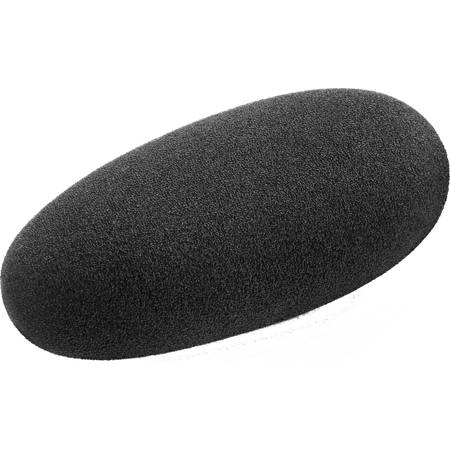
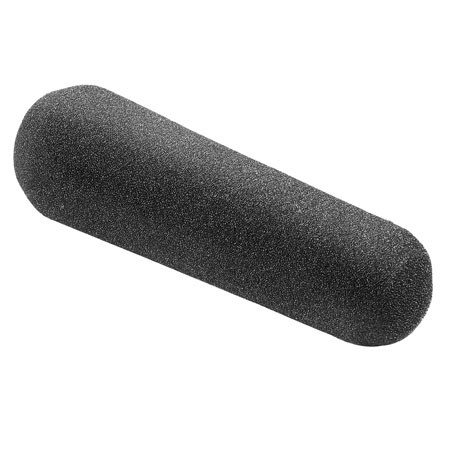
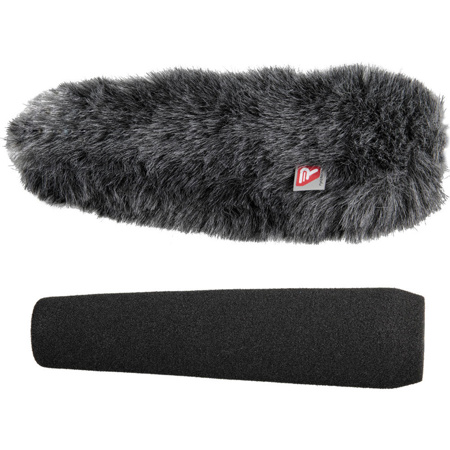
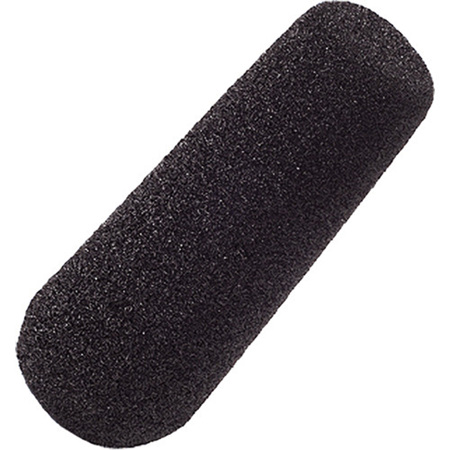
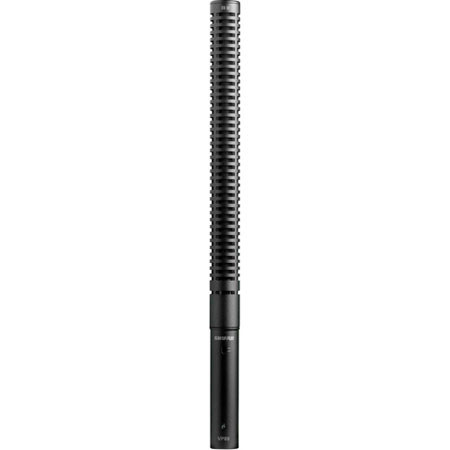
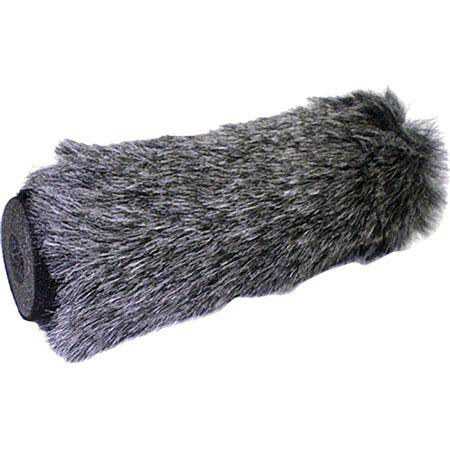
Selecting the right foam windscreen involves considering both the technical specifications of your shotgun microphone and the specific conditions in which you’ll be working. Most shotgun microphones have a standard diameter, typically ranging from 19 to 22 millimeters, so ensuring a snug, secure fit is paramount for effective noise reduction and capsule protection. Tapered designs are especially popular, as they’re engineered to contour precisely around the microphone’s body, offering enhanced coverage and stability. While foam windscreens excel at reducing light wind noise—usually up to about 15 decibels—they are most effective in indoor or mildly breezy environments. For those venturing into harsher outdoor settings, pairing a foam windscreen with a furry wind muff, often called a “deadcat” or “windjammer,” is a common practice to combat stronger gusts and prevent disruptive wind buffeting. Specialty foams, including water-resistant varieties, are a smart choice for audio professionals who regularly face unpredictable weather, as they offer added resilience against rain and humidity while preserving sound quality. Whether you’re a seasoned filmmaker, a podcaster recording on location, or a musician capturing live performances, a quality foam windscreen is a practical investment—one that also makes a thoughtful gift for students, content creators, or anyone embarking on a new audio project. For those who use a range of microphones, including lavalier or headset models, exploring dedicated solutions such as Windscreens For Headset Microphones can help round out a comprehensive audio toolkit, ensuring every recording is protected and professional.
Selecting the right foam windscreen involves considering both the technical specifications of your shotgun microphone and the specific conditions in which you’ll be working. Most shotgun microphones have a standard diameter, typically ranging from 19 to 22 millimeters, so ensuring a snug, secure fit is paramount for effective noise reduction and capsule protection. Tapered designs are especially popular, as they’re engineered to contour precisely around the microphone’s body, offering enhanced coverage and stability. While foam windscreens excel at reducing light wind noise—usually up to about 15 decibels—they are most effective in indoor or mildly breezy environments. For those venturing into harsher outdoor settings, pairing a foam windscreen with a furry wind muff, often called a “deadcat” or “windjammer,” is a common practice to combat stronger gusts and prevent disruptive wind buffeting. Specialty foams, including water-resistant varieties, are a smart choice for audio professionals who regularly face unpredictable weather, as they offer added resilience against rain and humidity while preserving sound quality. Whether you’re a seasoned filmmaker, a podcaster recording on location, or a musician capturing live performances, a quality foam windscreen is a practical investment—one that also makes a thoughtful gift for students, content creators, or anyone embarking on a new audio project. For those who use a range of microphones, including lavalier or headset models, exploring dedicated solutions such as Windscreens For Headset Microphones can help round out a comprehensive audio toolkit, ensuring every recording is protected and professional.