Focus Charts
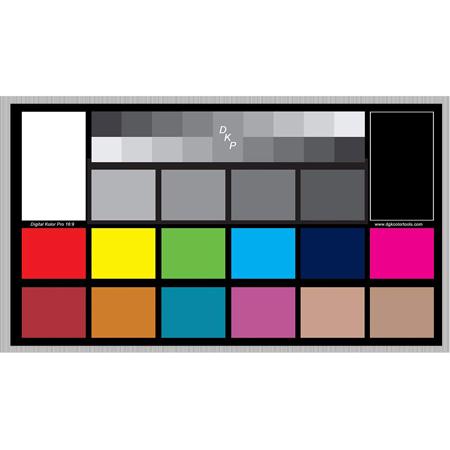
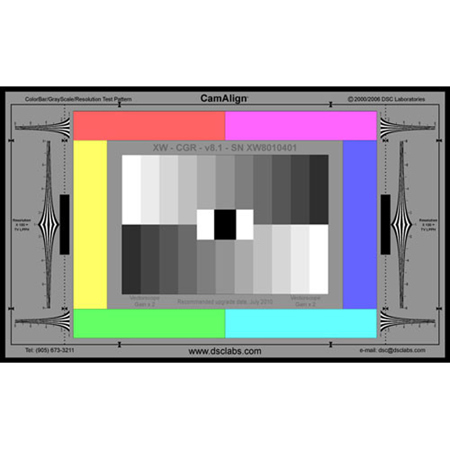
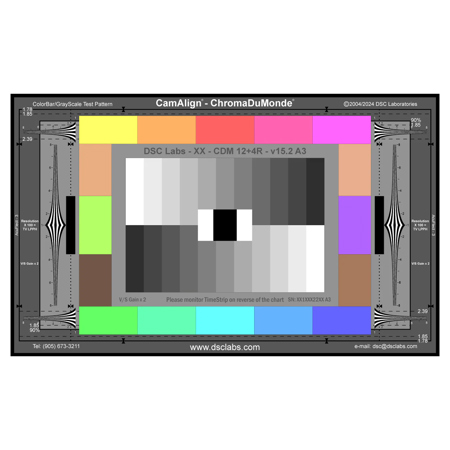
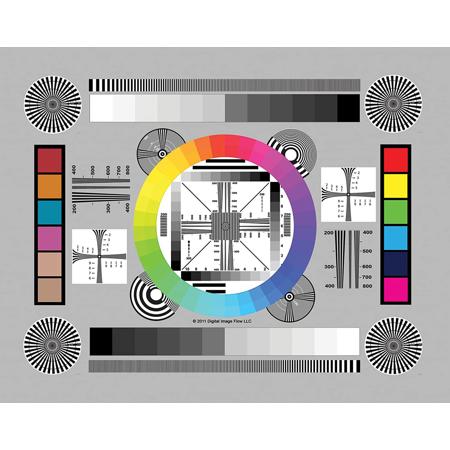
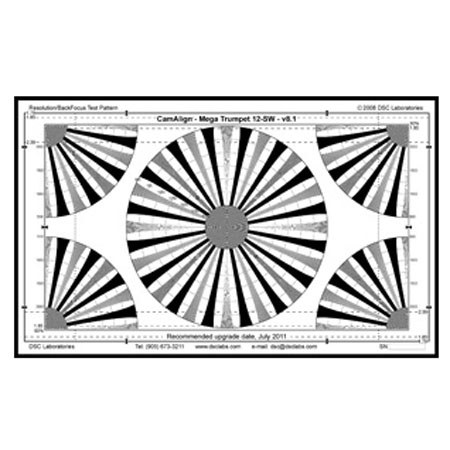
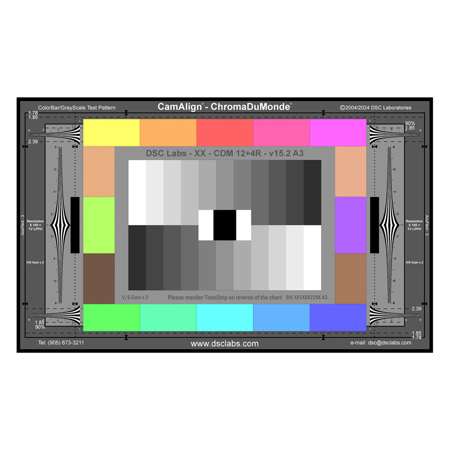
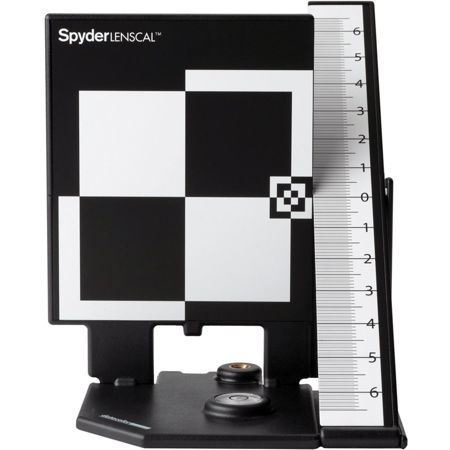
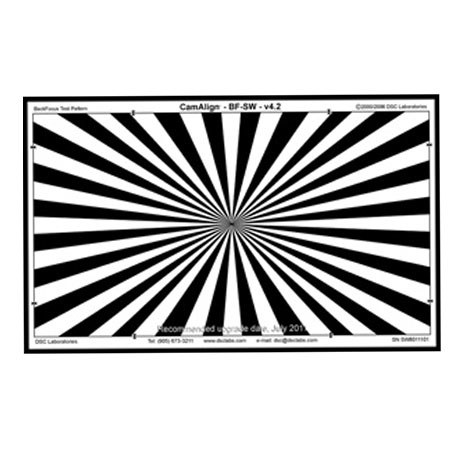
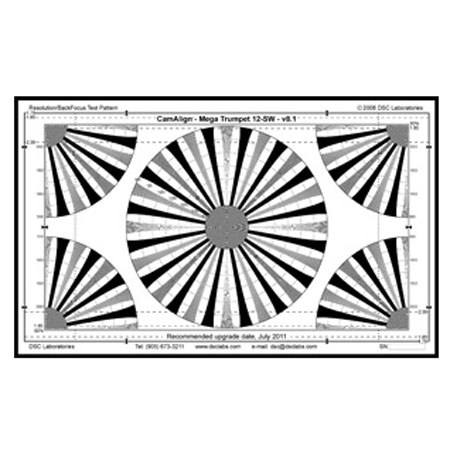
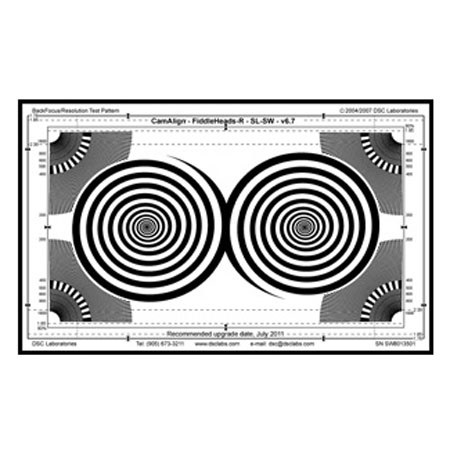
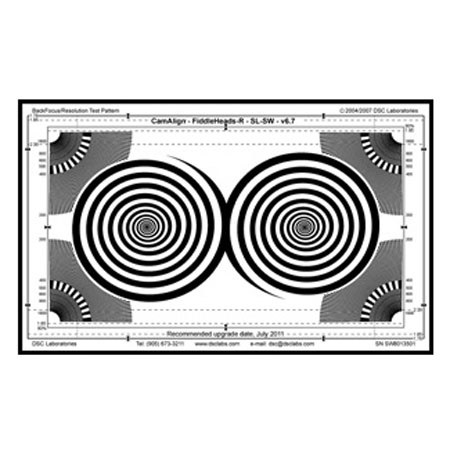
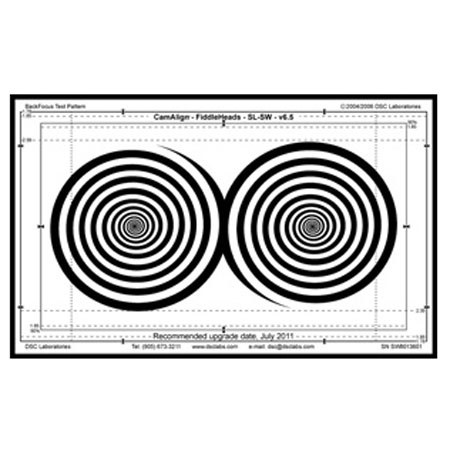
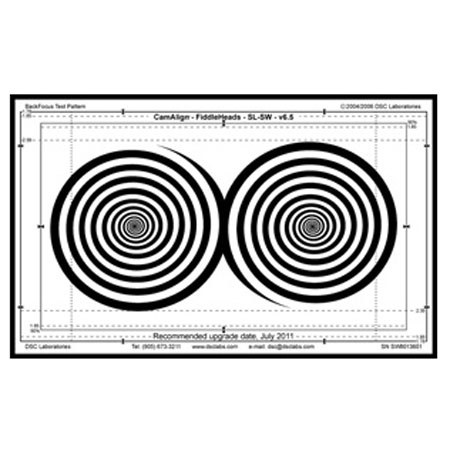
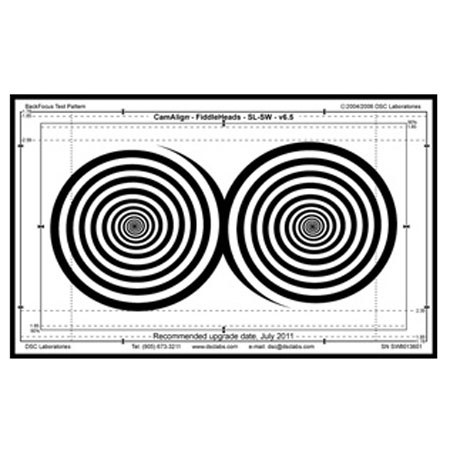
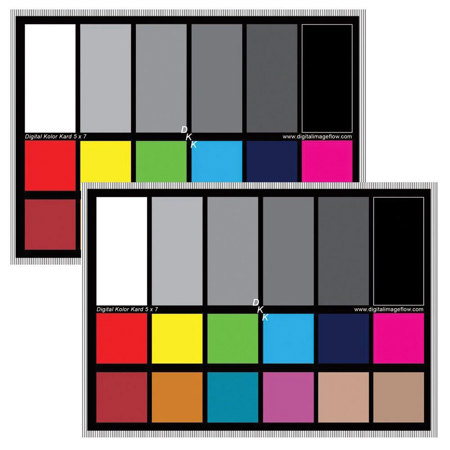
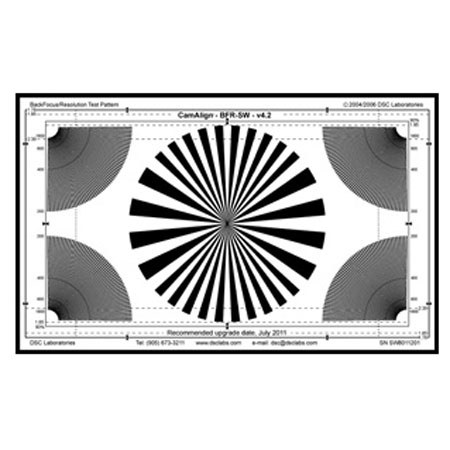
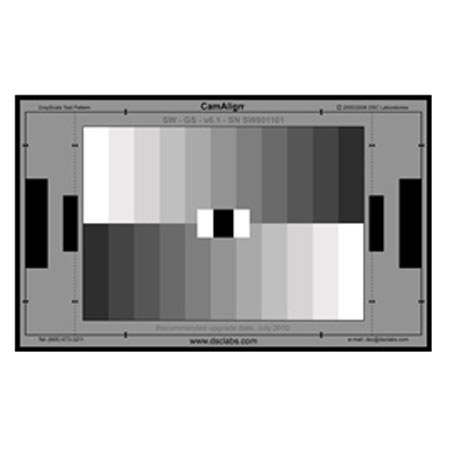
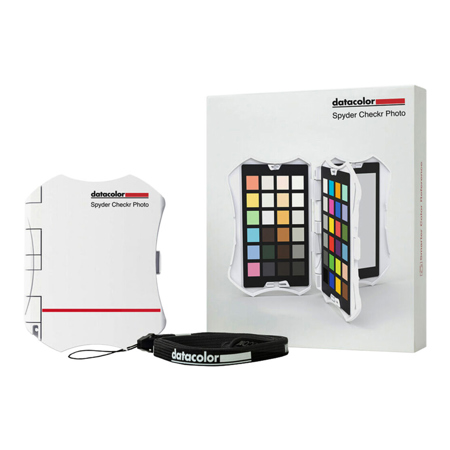
Whether you’re a seasoned cinematographer, a dedicated photographer, or a professional working in stage production, focus charts are essential tools that help ensure the highest level of accuracy and sharpness in your visual work. For filmmakers and videographers, a well-designed focus chart provides a reliable reference to fine-tune lens calibration, check back-focus, and verify that zoom lenses maintain clarity across their entire range. These charts are typically adorned with high-contrast lines, star targets, and resolution wedges, making it possible to identify even the slightest optical aberrations or shifts in focus. When you’re on set, especially during fast-paced shoots in the warmer months or as production ramps up for fall projects, having a physical focus chart on hand can mean the difference between capturing perfectly sharp footage and missing critical details. Photographers, too, rely on focus charts for precise autofocus calibration, using them to dial in micro-adjustments on DSLR and mirrorless camera bodies. This is particularly valuable when working with wide-aperture lenses or shooting in challenging lighting—common scenarios during outdoor events, creative portrait sessions, or late-season golden hour shoots. For anyone who’s spent time troubleshooting soft images or questioning whether a lens is performing at its best, a focus chart quickly becomes an indispensable part of the gear bag.
Focus charts aren’t just for those behind a camera lens; they have a place in the world of optometry and stage production as well. In vision therapy, specialized charts with letters and numbers are used to assess and train patients’ focus and scanning abilities, making them a vital resource for eye care professionals. Meanwhile, in live theater and broadcast environments, focus charts take on a unique role as detailed diagrams that map out the precise orientation and characteristics of every stage lighting instrument. Lighting designers and stage managers use these charts to communicate complex setups, ensuring that every spotlight and wash light is perfectly aimed and colored for each scene—a process that’s especially critical during busy production seasons and live performances. For educators, students, or anyone new to these disciplines, focus charts also make thoughtful and practical gifts, supporting skill development and professional growth. Whether you’re calibrating a new set of lenses, preparing for a busy schedule of summer weddings, or gearing up for the theatrical productions that fill auditoriums as the weather cools, the right focus chart can streamline your workflow and elevate your results.
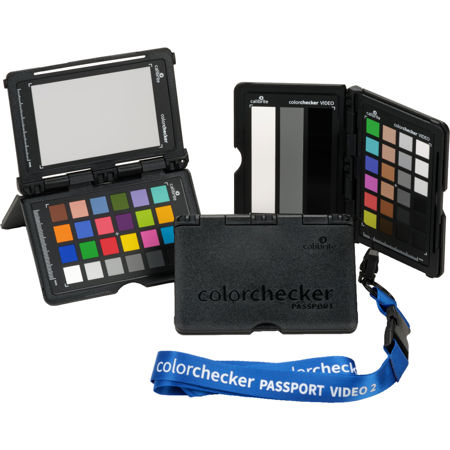
Selecting the best focus chart depends on your specific needs and the equipment you use. Consider factors like chart size, portability, and the types of patterns included—some charts are optimized for on-location use, folding easily into a camera bag, while others are designed for studio environments where maximum detail is required. Durability is important, too, especially if you’re moving between locations or working in outdoor conditions. For those who want to push their gear even further, pairing a focus chart with a Resolution Charts can provide an even deeper analysis of lens performance, revealing how well your optics resolve fine detail across the frame. Whether you’re capturing cinematic moments, perfecting your photographic craft, or managing the technical demands of a live stage, focus charts are a foundational tool that support precision, creativity, and confidence in your work.
Focus charts aren’t just for those behind a camera lens; they have a place in the world of optometry and stage production as well. In vision therapy, specialized charts with letters and numbers are used to assess and train patients’ focus and scanning abilities, making them a vital resource for eye care professionals. Meanwhile, in live theater and broadcast environments, focus charts take on a unique role as detailed diagrams that map out the precise orientation and characteristics of every stage lighting instrument. Lighting designers and stage managers use these charts to communicate complex setups, ensuring that every spotlight and wash light is perfectly aimed and colored for each scene—a process that’s especially critical during busy production seasons and live performances. For educators, students, or anyone new to these disciplines, focus charts also make thoughtful and practical gifts, supporting skill development and professional growth. Whether you’re calibrating a new set of lenses, preparing for a busy schedule of summer weddings, or gearing up for the theatrical productions that fill auditoriums as the weather cools, the right focus chart can streamline your workflow and elevate your results.
Selecting the best focus chart depends on your specific needs and the equipment you use. Consider factors like chart size, portability, and the types of patterns included—some charts are optimized for on-location use, folding easily into a camera bag, while others are designed for studio environments where maximum detail is required. Durability is important, too, especially if you’re moving between locations or working in outdoor conditions. For those who want to push their gear even further, pairing a focus chart with a Resolution Charts can provide an even deeper analysis of lens performance, revealing how well your optics resolve fine detail across the frame. Whether you’re capturing cinematic moments, perfecting your photographic craft, or managing the technical demands of a live stage, focus charts are a foundational tool that support precision, creativity, and confidence in your work.