




Forensic Evidence Labels
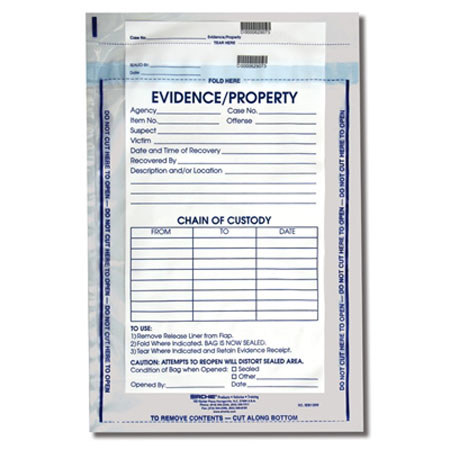
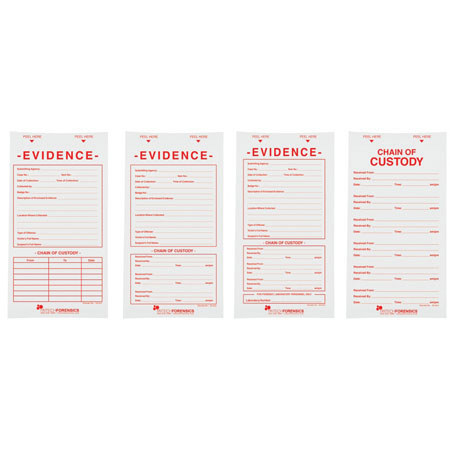
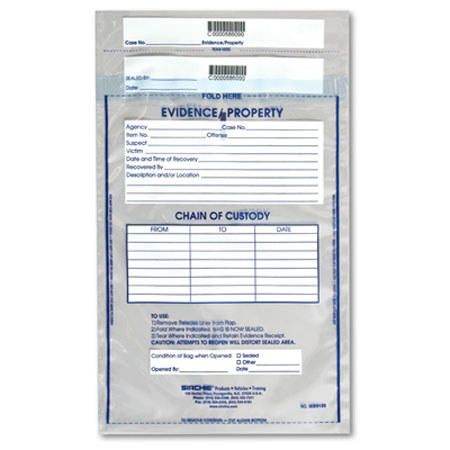
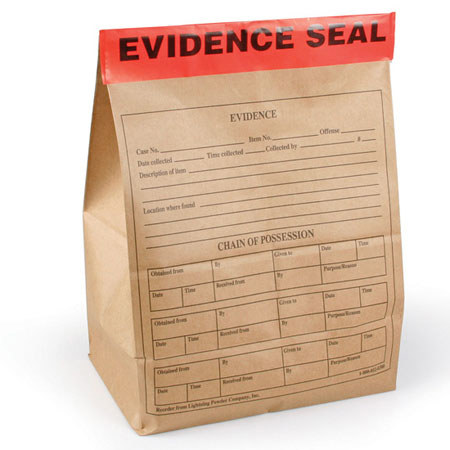
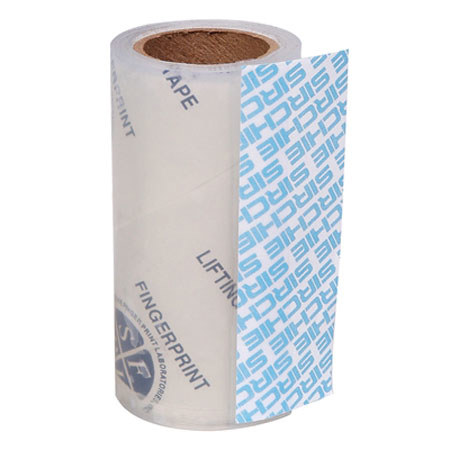
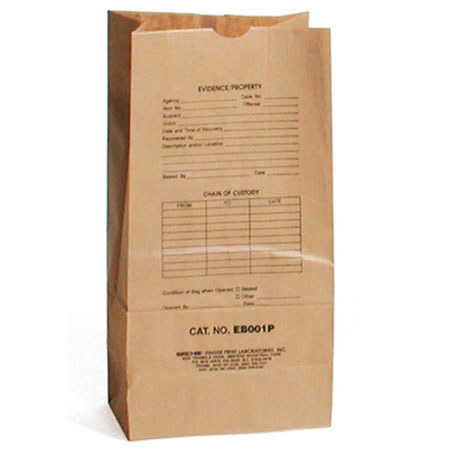
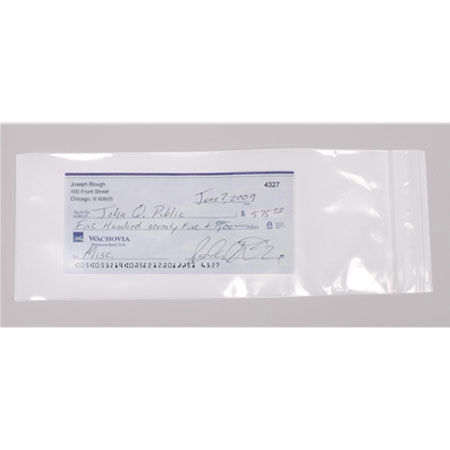
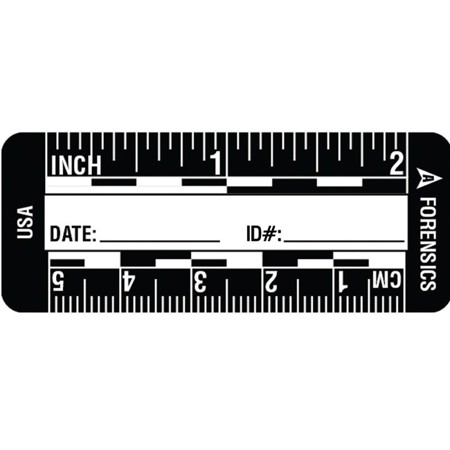
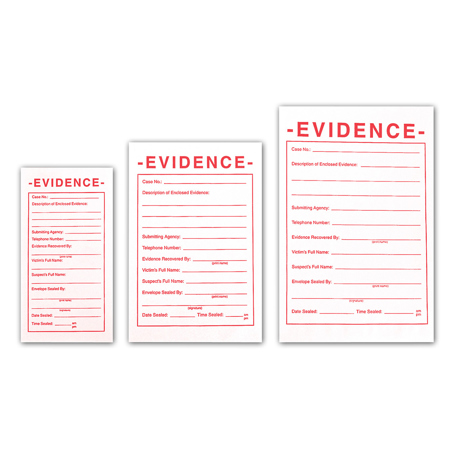
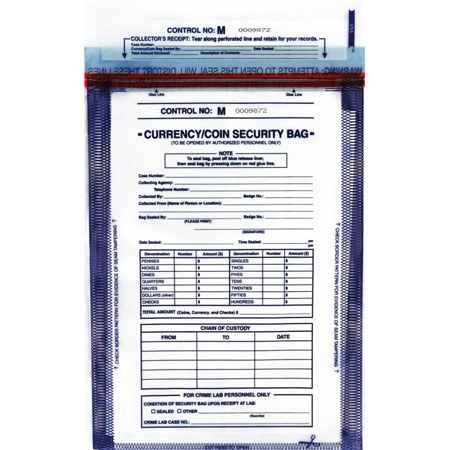
Forensic evidence labels are an essential tool for anyone involved in the collection, documentation, and processing of physical evidence, whether at an active crime scene, in a laboratory, or during the secure transport of items for legal review. These labels serve a critical role in upholding the chain of custody, ensuring that every piece of evidence is meticulously tracked from the moment it is collected to its final disposition in court or storage. Designed to be highly adhesive and often tamper-evident, forensic evidence labels help prevent unauthorized access or accidental loss of vital information. They typically provide dedicated spaces for actionable details such as case and item numbers, the date and time of collection, location, collector’s name and badge number, item description, and the signatures or initials of all individuals who handle the evidence. This level of documentation is not only a best practice for law enforcement and forensic professionals but also a legal necessity, as any break in the chain of custody can jeopardize the admissibility of evidence in court.
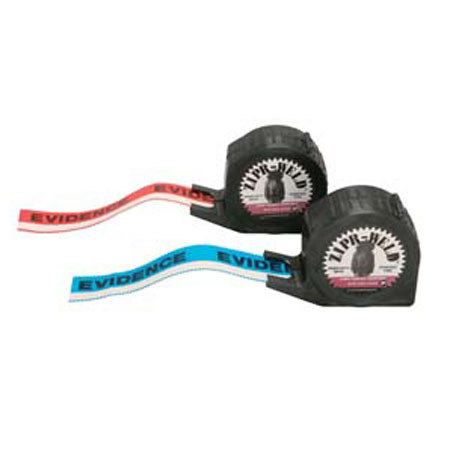
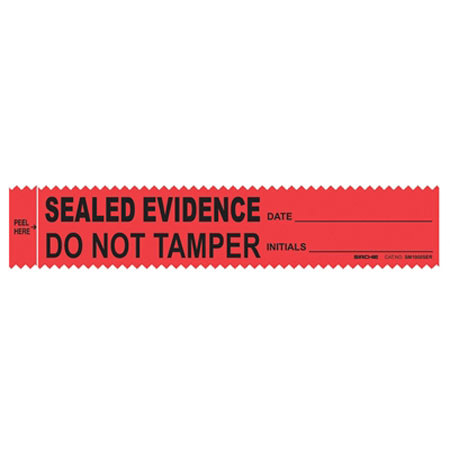
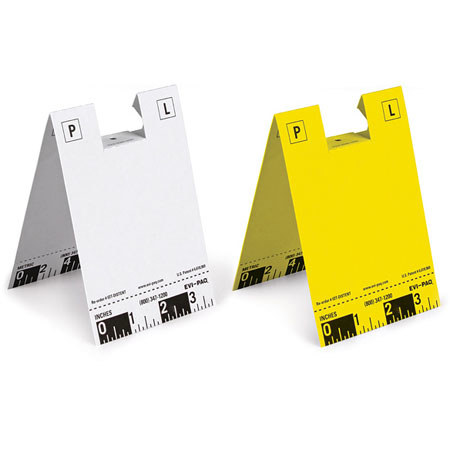
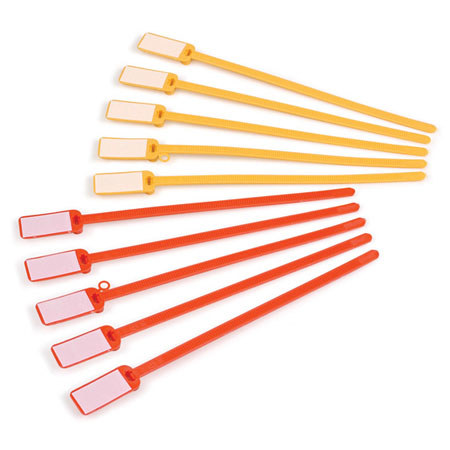
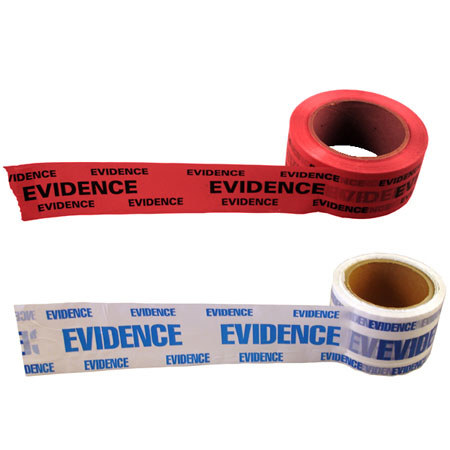
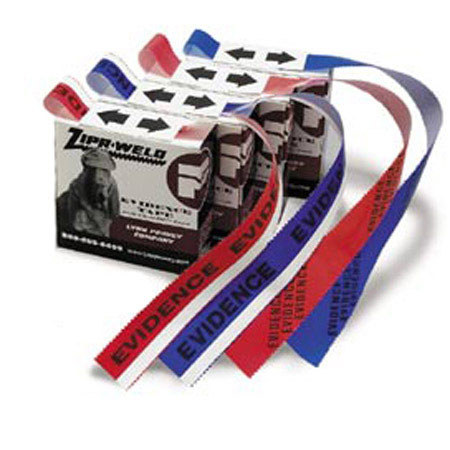
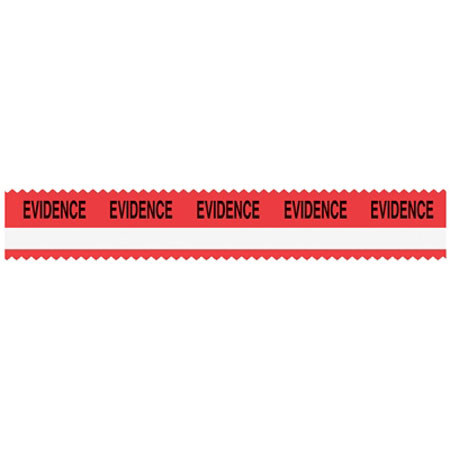
Beyond their legal significance, these labels are tailored to the diverse needs of the forensic community. Standard ID labels are used to identify and track general evidence items, while specialized options—such as chain of custody labels with built-in signature grids, biohazard warning labels for items containing bodily fluids, and photo evidence labels for documenting the conditions of crime scene photography—help ensure proper handling and laboratory processing. Security tape, often used in conjunction with or instead of traditional labels, provides an added layer of protection by visibly indicating any attempt at tampering. During the warmer months, when field investigations may increase due to extended daylight hours and outdoor activities, or as the weather cools and indoor scenes become more prevalent, the need for reliable labeling solutions remains constant. These products are not limited to law enforcement or professional forensic teams; educators conducting mock crime scene exercises, students in forensic science programs, and legal professionals preparing for trial may all find value in a well-organized supply of evidence bag labels and related products. For those looking to give a meaningful gift to a student, instructor, or professional in the field, a thoughtfully selected set of forensic evidence labels can be both practical and appreciated—supporting hands-on learning and ensuring best practices in documentation.
When choosing forensic evidence labels, it’s important to consider the specific requirements of your agency, classroom, or project. Look for options that offer clear, legible printing and durable adhesives that can withstand a range of environments, from humid outdoor scenes to climate-controlled laboratories. Consider whether you need standard labels, chain of custody forms, or specialized warnings for biohazards and photographic evidence. For those who handle particularly sensitive or high-profile cases, tamper-evident features provide peace of mind and legal assurance. Staying organized and compliant with industry standards is easier with the right tools at hand, and a well-stocked supply of evidence labels ensures seamless transitions between fieldwork, laboratory analysis, and courtroom presentation. For a broader selection or to find labels tailored to police-specific applications, visit our dedicated Police Evidence Labels page for additional options and resources. Whether you’re preparing for a busy season of investigations or supporting the next generation of forensic professionals, investing in quality evidence labeling solutions is a foundational step in maintaining the integrity and security of your evidence.
Beyond their legal significance, these labels are tailored to the diverse needs of the forensic community. Standard ID labels are used to identify and track general evidence items, while specialized options—such as chain of custody labels with built-in signature grids, biohazard warning labels for items containing bodily fluids, and photo evidence labels for documenting the conditions of crime scene photography—help ensure proper handling and laboratory processing. Security tape, often used in conjunction with or instead of traditional labels, provides an added layer of protection by visibly indicating any attempt at tampering. During the warmer months, when field investigations may increase due to extended daylight hours and outdoor activities, or as the weather cools and indoor scenes become more prevalent, the need for reliable labeling solutions remains constant. These products are not limited to law enforcement or professional forensic teams; educators conducting mock crime scene exercises, students in forensic science programs, and legal professionals preparing for trial may all find value in a well-organized supply of evidence bag labels and related products. For those looking to give a meaningful gift to a student, instructor, or professional in the field, a thoughtfully selected set of forensic evidence labels can be both practical and appreciated—supporting hands-on learning and ensuring best practices in documentation.
When choosing forensic evidence labels, it’s important to consider the specific requirements of your agency, classroom, or project. Look for options that offer clear, legible printing and durable adhesives that can withstand a range of environments, from humid outdoor scenes to climate-controlled laboratories. Consider whether you need standard labels, chain of custody forms, or specialized warnings for biohazards and photographic evidence. For those who handle particularly sensitive or high-profile cases, tamper-evident features provide peace of mind and legal assurance. Staying organized and compliant with industry standards is easier with the right tools at hand, and a well-stocked supply of evidence labels ensures seamless transitions between fieldwork, laboratory analysis, and courtroom presentation. For a broader selection or to find labels tailored to police-specific applications, visit our dedicated Police Evidence Labels page for additional options and resources. Whether you’re preparing for a busy season of investigations or supporting the next generation of forensic professionals, investing in quality evidence labeling solutions is a foundational step in maintaining the integrity and security of your evidence.