German Equatorial Mounts
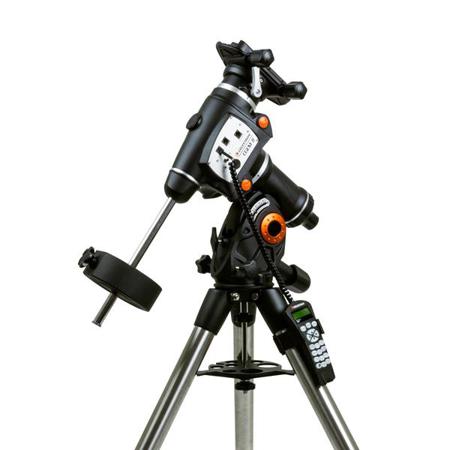
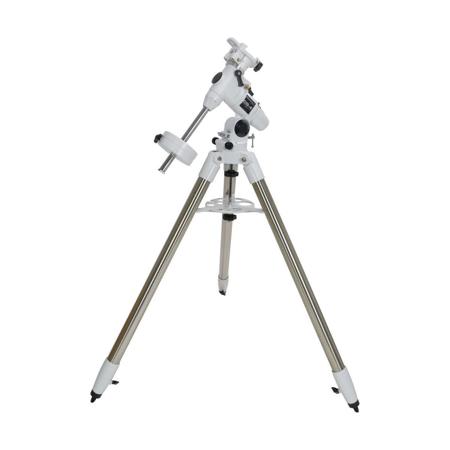
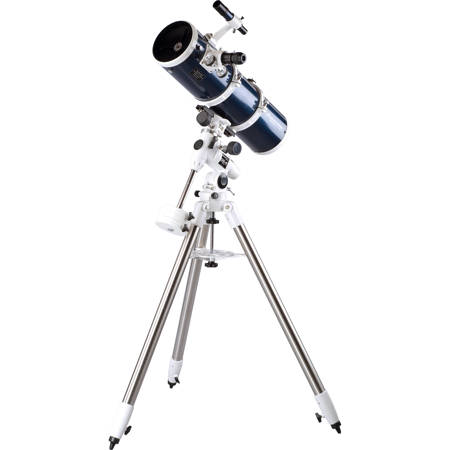
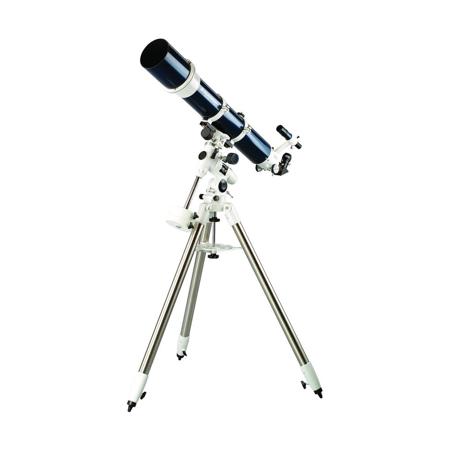
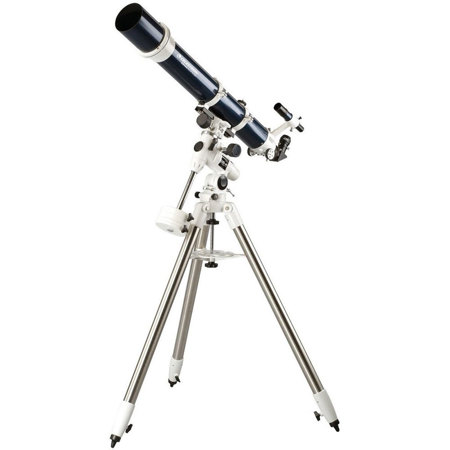
German Equatorial Mounts are an essential piece of equipment for anyone passionate about exploring the night sky, particularly those delving into the world of astrophotography or seeking precise tracking during extended observation sessions. Designed with two perpendicular axes—Right Ascension (RA) and Declination (Dec)—these mounts are engineered to align with the Earth’s rotational axis. This unique configuration allows them to follow celestial objects with a smooth, single-axis movement, mirroring the natural rotation of the stars overhead. For astronomers who spend winter evenings under crisp, clear skies, the ability to keep a planet, nebula, or galaxy centered in the eyepiece for hours is invaluable. The process of polar alignment, where the RA axis is pointed toward the celestial pole (near Polaris in the Northern Hemisphere), is a ritual that becomes second nature. Once aligned, the mount’s counterweight system balances even substantial telescopes, ensuring stability and reducing strain on tracking motors—a must for capturing those long-exposure images where every second of accurate movement counts.
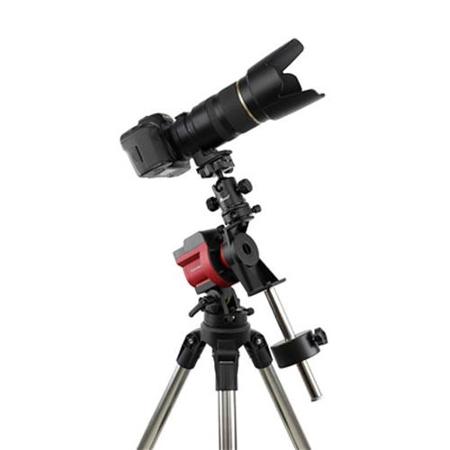
For those considering a German Equatorial Mount, it’s important to weigh factors such as payload capacity, motor precision, and the ease of polar alignment. These mounts are especially favored by astrophotographers, who rely on their ability to prevent field rotation and deliver pinpoint star images over extended exposures. The robust construction means they can support heavier optical tubes and accessories, making them suitable for advanced setups as well as future upgrades. While bulkier and less portable than simpler alt-azimuth mounts, the trade-off is superior tracking accuracy and stability, critical for imaging deep sky objects or conducting detailed planetary studies. Visual observers who enjoy methodical sky tours, star hopping across constellations, or participating in citizen science projects will also appreciate the mount’s ability to keep targets in view with minimal adjustment. For newcomers to astronomy, receiving a German Equatorial Mount as a gift can open up a new level of engagement with the night sky, transforming casual stargazing into a more immersive and rewarding experience. The winter months, with their long nights and often excellent transparency, are an ideal time to set up a GEM and embark on a journey through the cosmos, whether from a frosty backyard or a remote dark-sky site.
Selecting the right German Equatorial Mount is about matching your ambitions and equipment with the mount’s capabilities. Consider the weight of your telescope, the type of observations or imaging you plan to pursue, and how much portability matters to you. For those eager to explore more about automated tracking and the broader range of astronomical mounts available, visit our Tracking Telescope Mounts page for further information and inspiration. Whether you’re capturing the intricate arms of a distant galaxy or simply enjoying the steady drift of Jupiter across a winter sky, a well-chosen German Equatorial Mount is the foundation of countless memorable nights under the stars.
For those considering a German Equatorial Mount, it’s important to weigh factors such as payload capacity, motor precision, and the ease of polar alignment. These mounts are especially favored by astrophotographers, who rely on their ability to prevent field rotation and deliver pinpoint star images over extended exposures. The robust construction means they can support heavier optical tubes and accessories, making them suitable for advanced setups as well as future upgrades. While bulkier and less portable than simpler alt-azimuth mounts, the trade-off is superior tracking accuracy and stability, critical for imaging deep sky objects or conducting detailed planetary studies. Visual observers who enjoy methodical sky tours, star hopping across constellations, or participating in citizen science projects will also appreciate the mount’s ability to keep targets in view with minimal adjustment. For newcomers to astronomy, receiving a German Equatorial Mount as a gift can open up a new level of engagement with the night sky, transforming casual stargazing into a more immersive and rewarding experience. The winter months, with their long nights and often excellent transparency, are an ideal time to set up a GEM and embark on a journey through the cosmos, whether from a frosty backyard or a remote dark-sky site.
Selecting the right German Equatorial Mount is about matching your ambitions and equipment with the mount’s capabilities. Consider the weight of your telescope, the type of observations or imaging you plan to pursue, and how much portability matters to you. For those eager to explore more about automated tracking and the broader range of astronomical mounts available, visit our Tracking Telescope Mounts page for further information and inspiration. Whether you’re capturing the intricate arms of a distant galaxy or simply enjoying the steady drift of Jupiter across a winter sky, a well-chosen German Equatorial Mount is the foundation of countless memorable nights under the stars.