

Grayscale Charts
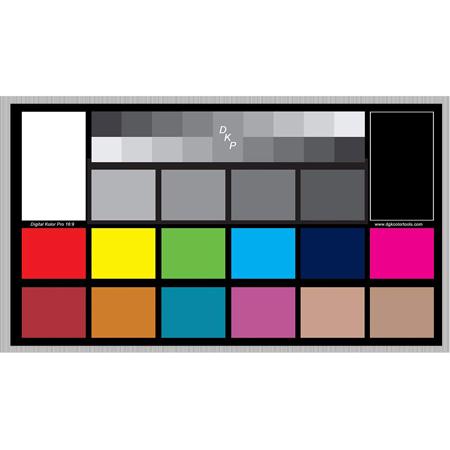
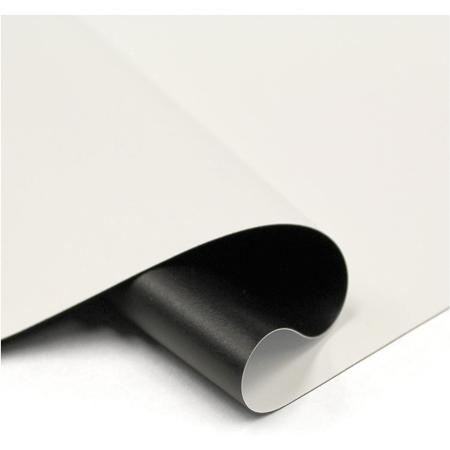
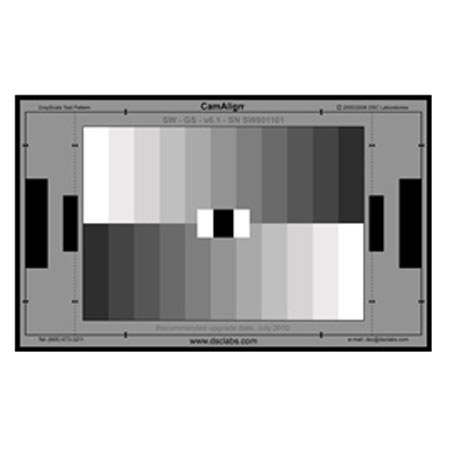
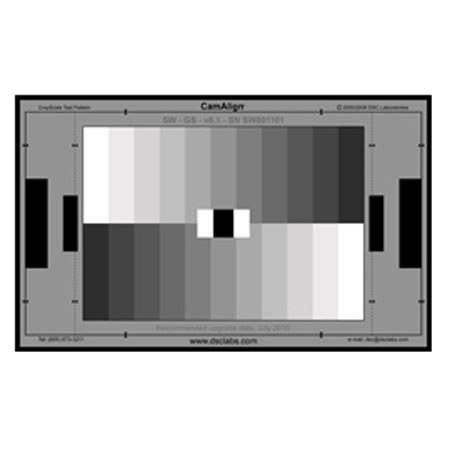
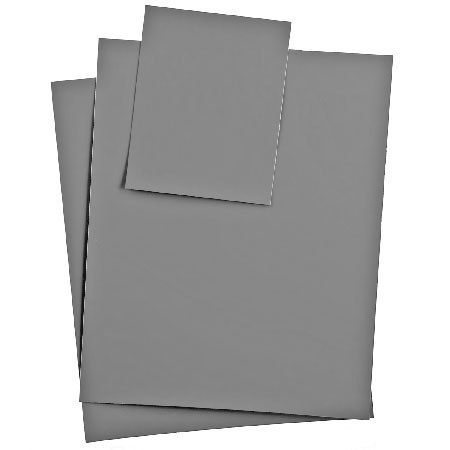
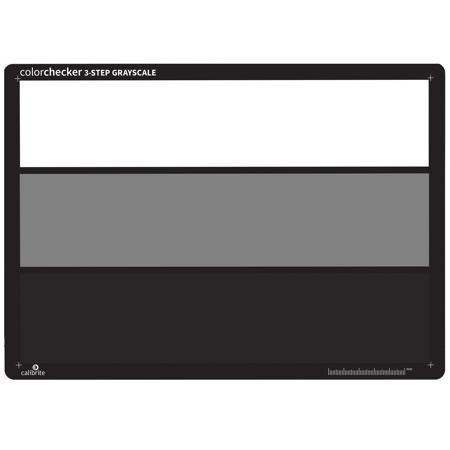
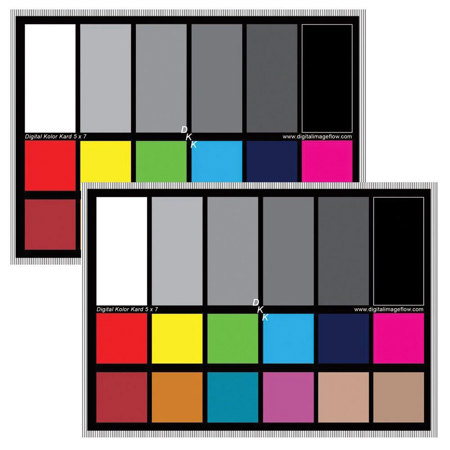
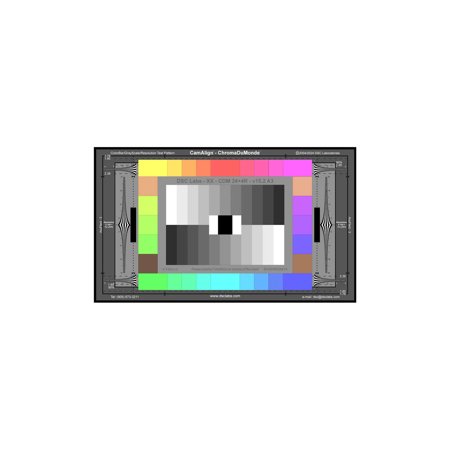
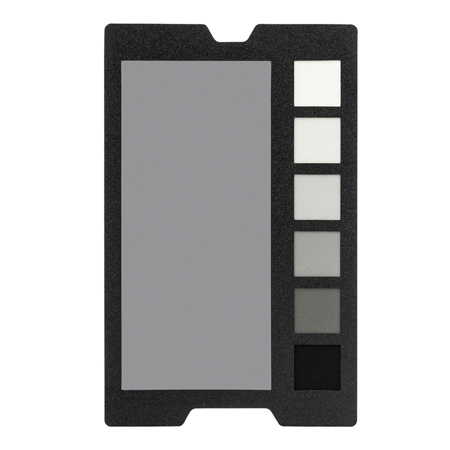
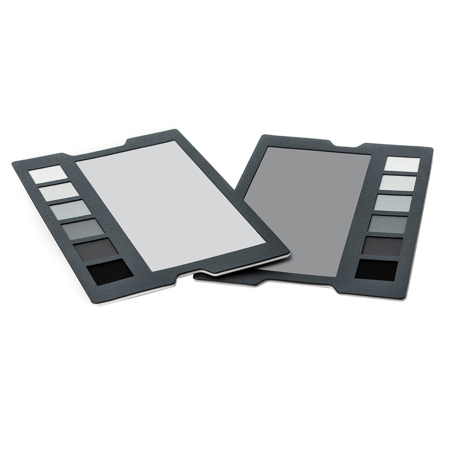
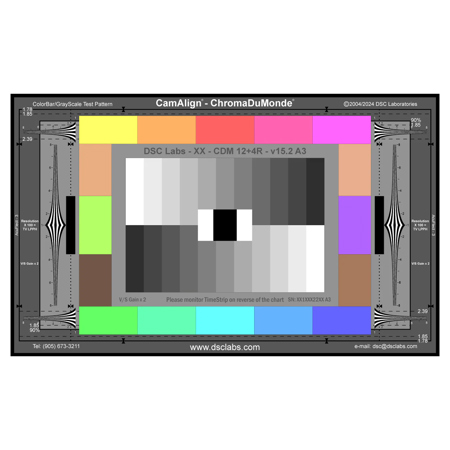
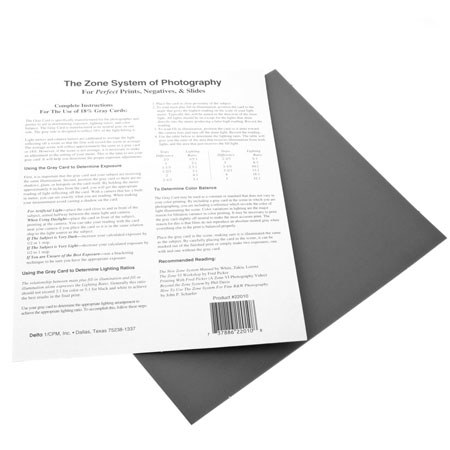
Grayscale charts, also referred to as greyscale charts or gray scale cards, are essential tools for photographers, videographers, and imaging professionals who demand precise color management and tonal accuracy in their work. These versatile calibration aids serve as a reliable reference point for establishing true black, white, and a spectrum of neutral grays in any lighting environment—whether you’re shooting in a controlled studio or out in the shifting light of the great outdoors. As the weather warms and creative projects move from indoor studios to sunlit backyards, parks, or bustling city streets, a well-chosen grayscale calibration chart becomes invaluable for ensuring consistent results across varying conditions. For professionals working in still photography, video production, or even fine art reproduction, these charts are not simply a technical accessory—they’re a foundational element in the workflow, helping to eliminate color casts and maintain fidelity from capture to post-production. Many educators and students in photography programs also rely on grayscale cards as part of their learning toolkit, using them to master exposure, contrast, and color correction techniques. For those seeking a thoughtful gift for an aspiring photographer or filmmaker, a high-quality grayscale card or chart can be a practical and much-appreciated addition to their gear bag, supporting their creative journey as they hone their craft through the vibrant days of summer and into the cooler, golden light of early fall.
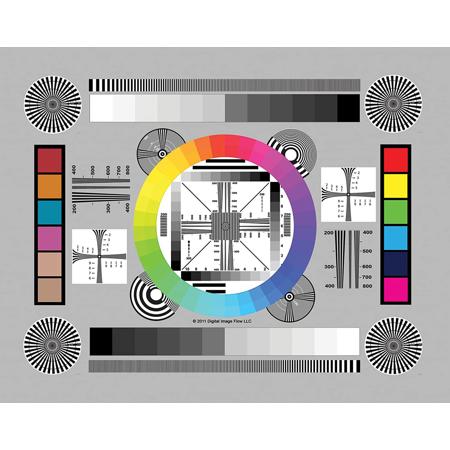
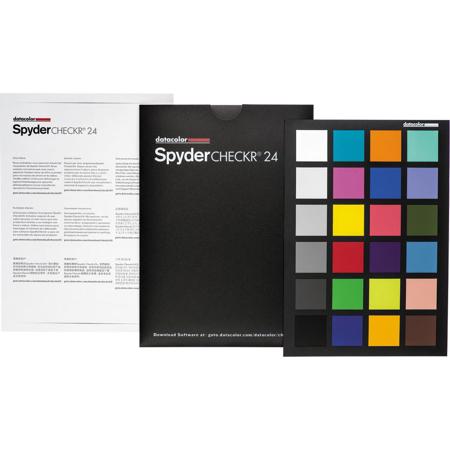
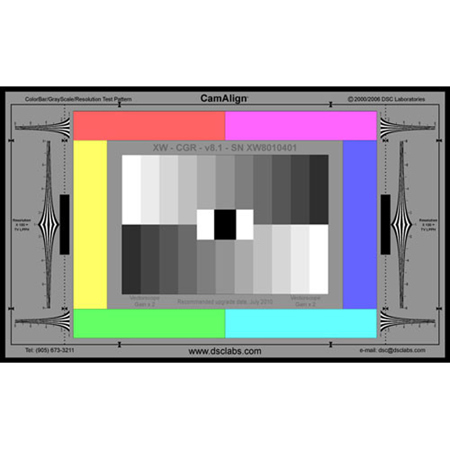
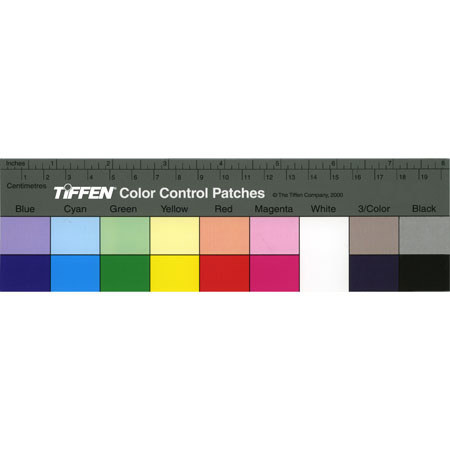
When considering which grayscale chart to add to your kit, it’s important to think about your specific shooting needs and workflow. Some professionals prefer a compact gray scale card that slips easily into a pocket or camera bag, ideal for quick field calibrations on location shoots. Others might opt for a larger, more detailed grayscale calibration chart, which provides a wider tonal range and is especially useful for studio setups, product photography, or critical color grading sessions in post-production. The material and durability of the chart should also be taken into account; rugged, weather-resistant options are perfect for outdoor use, while ultra-precise, laboratory-grade charts might be preferred for archival or scientific imaging. No matter the context, using a grayscale card or chart at the start of a session helps establish a visual baseline, making it easier to achieve consistent, repeatable results across multiple cameras or lighting setups. For those who are meticulous about image quality, pairing a grayscale chart with other calibration tools—such as color checkers or a Resolution Charts—can further refine your workflow, ensuring both accurate color reproduction and optimal sharpness. Across disciplines, from wedding and portrait photographers capturing life’s fleeting moments, to commercial videographers seeking cinematic precision, grayscale charts remain a trusted companion, quietly elevating the quality and consistency of every frame.
When considering which grayscale chart to add to your kit, it’s important to think about your specific shooting needs and workflow. Some professionals prefer a compact gray scale card that slips easily into a pocket or camera bag, ideal for quick field calibrations on location shoots. Others might opt for a larger, more detailed grayscale calibration chart, which provides a wider tonal range and is especially useful for studio setups, product photography, or critical color grading sessions in post-production. The material and durability of the chart should also be taken into account; rugged, weather-resistant options are perfect for outdoor use, while ultra-precise, laboratory-grade charts might be preferred for archival or scientific imaging. No matter the context, using a grayscale card or chart at the start of a session helps establish a visual baseline, making it easier to achieve consistent, repeatable results across multiple cameras or lighting setups. For those who are meticulous about image quality, pairing a grayscale chart with other calibration tools—such as color checkers or a Resolution Charts—can further refine your workflow, ensuring both accurate color reproduction and optimal sharpness. Across disciplines, from wedding and portrait photographers capturing life’s fleeting moments, to commercial videographers seeking cinematic precision, grayscale charts remain a trusted companion, quietly elevating the quality and consistency of every frame.