
Guitar Amplifier Software
As the days grow longer and the creative energy of spring fills the air, many musicians find themselves inspired to explore new sounds, refine their craft, or simply enjoy the process of making music. Guitar amplifier software has become an essential tool for guitarists and producers alike, offering a versatile and accessible way to shape tone, experiment with effects, and record high-quality tracks without the need for bulky hardware. Whether you’re a seasoned professional looking to streamline your workflow, a hobbyist eager to capture ideas at home, or a beginner taking the first steps into the world of digital music production, these software solutions open up a world of possibilities. The ability to dial in classic amp tones, layer intricate effects, and switch between diverse soundscapes with a few clicks can be transformative, especially as the urge to create strikes on a sunny afternoon or a quiet evening indoors.
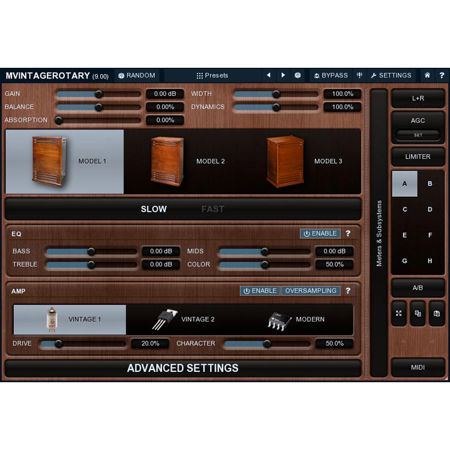
When considering which guitar amplifier software is right for your needs, it’s important to think about your playing style, preferred genres, and the environment in which you’ll be making music. Some musicians seek the warmth and grit of vintage tube amps, while others crave the clarity and punch of modern high-gain stacks. Software options today often include meticulously modeled amplifiers, cabinets, and pedalboards, allowing players to build custom rigs that suit their unique voice. For those who record at home, the convenience of silent practice and direct recording can’t be overstated—no more worrying about disturbing the neighbors or wrestling with mic placements. Many programs also offer built-in tools for learning and practice, such as metronomes, backing tracks, and looping capabilities, making them an excellent gift for aspiring guitarists, students, or anyone eager to develop their skills. With the flexibility to run on laptops, desktops, or even tablets, guitar amplifier software is equally at home in the studio, on stage, or wherever inspiration strikes.
For musicians who enjoy collaborating or sharing their music online, these software solutions make it easy to capture polished tracks and experiment with new tones without investing in a room full of gear. The intuitive interfaces, extensive preset libraries, and deep customization options mean that whether you’re chasing the sound of a roaring stadium or the intimacy of a small club, you can find the right setup for your project. As you explore the range of options, you might also want to check out dedicated collections like Guitar Rig Software, which offer even more flexibility for building and saving your favorite tones. With spring in full swing, now is the perfect time to refresh your sonic palette, experiment with new textures, and bring your musical ideas to life with the power and convenience of digital amplifier technology.
When considering which guitar amplifier software is right for your needs, it’s important to think about your playing style, preferred genres, and the environment in which you’ll be making music. Some musicians seek the warmth and grit of vintage tube amps, while others crave the clarity and punch of modern high-gain stacks. Software options today often include meticulously modeled amplifiers, cabinets, and pedalboards, allowing players to build custom rigs that suit their unique voice. For those who record at home, the convenience of silent practice and direct recording can’t be overstated—no more worrying about disturbing the neighbors or wrestling with mic placements. Many programs also offer built-in tools for learning and practice, such as metronomes, backing tracks, and looping capabilities, making them an excellent gift for aspiring guitarists, students, or anyone eager to develop their skills. With the flexibility to run on laptops, desktops, or even tablets, guitar amplifier software is equally at home in the studio, on stage, or wherever inspiration strikes.
For musicians who enjoy collaborating or sharing their music online, these software solutions make it easy to capture polished tracks and experiment with new tones without investing in a room full of gear. The intuitive interfaces, extensive preset libraries, and deep customization options mean that whether you’re chasing the sound of a roaring stadium or the intimacy of a small club, you can find the right setup for your project. As you explore the range of options, you might also want to check out dedicated collections like Guitar Rig Software, which offer even more flexibility for building and saving your favorite tones. With spring in full swing, now is the perfect time to refresh your sonic palette, experiment with new textures, and bring your musical ideas to life with the power and convenience of digital amplifier technology.