
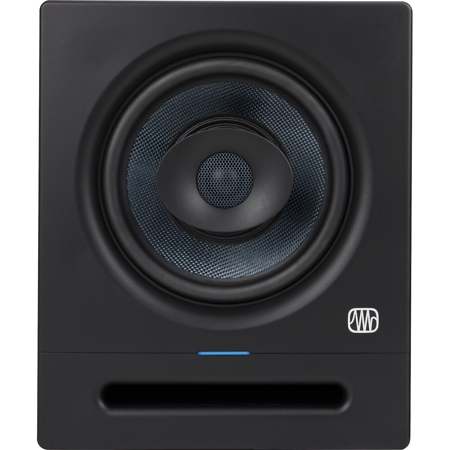
Guitar Monitors
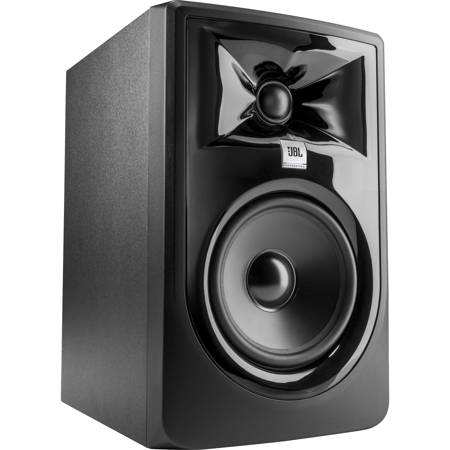
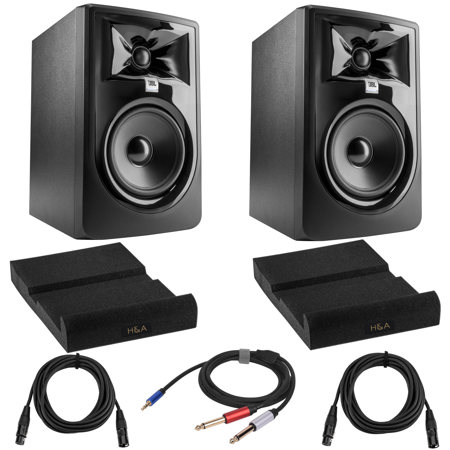
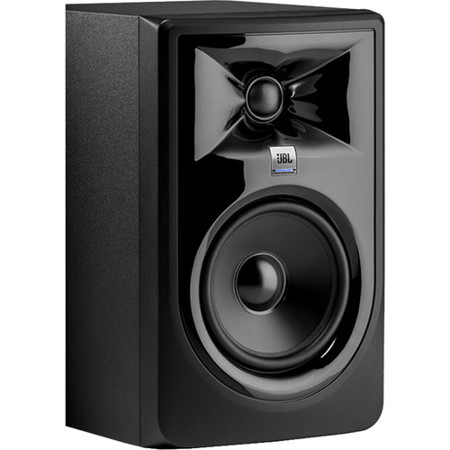
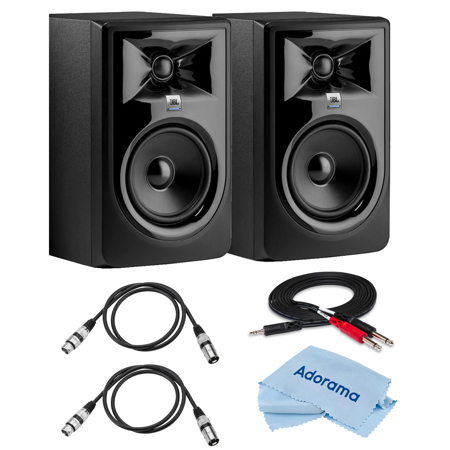
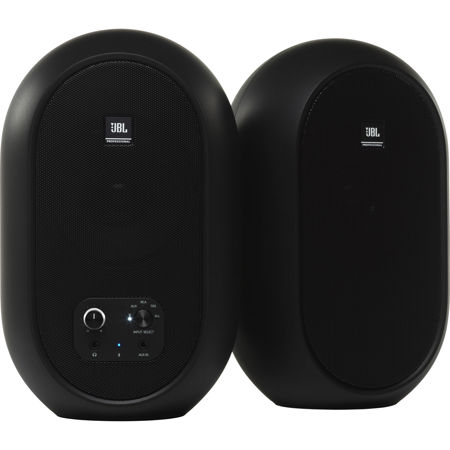
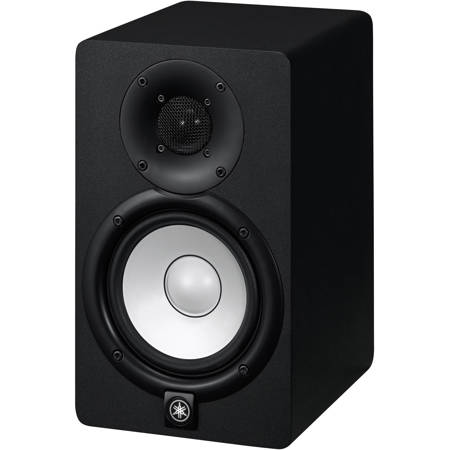
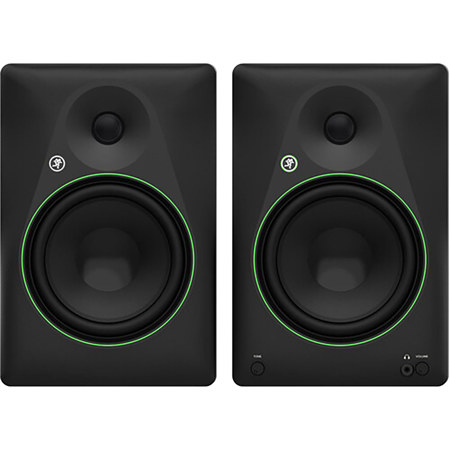
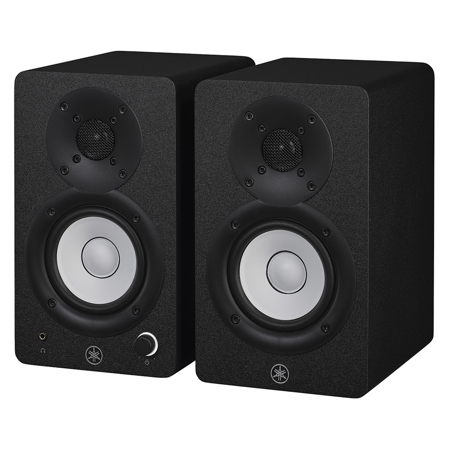
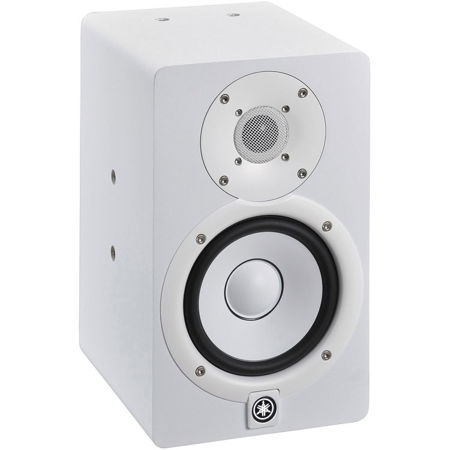
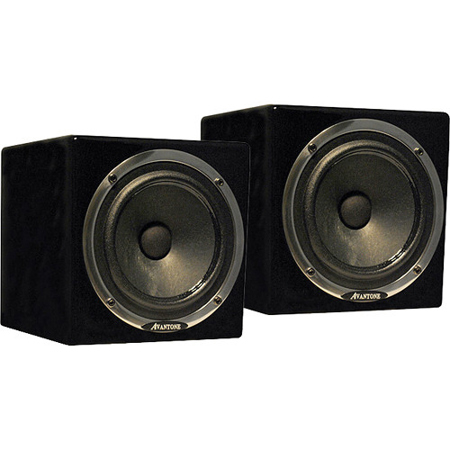
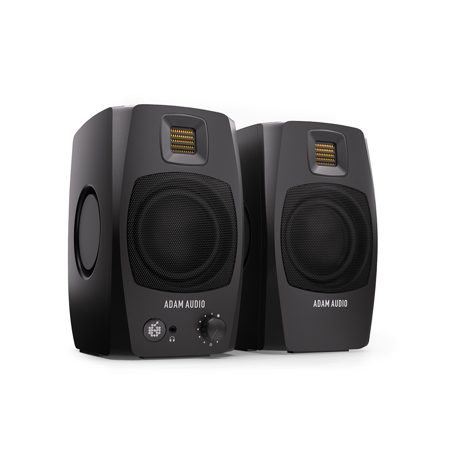
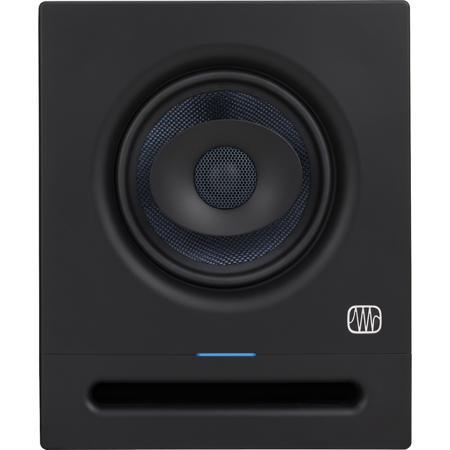
When selecting guitar monitors for home studios, rehearsal spaces, or even compact live setups, it's important to understand how these specialized speakers can shape your playing and recording experience. Guitar studio monitors are engineered to deliver a flat, accurate frequency response, ensuring that the nuances of your tone—whether sculpted through amp modelers, plugins, or traditional effects chains—are faithfully reproduced. This clarity is crucial for guitarists who rely on digital modeling gear like Helix or Kemper, as full-range flat response (FRFR) monitors prevent any unwanted coloration or EQ bias, letting you hear your sound exactly as it was intended. As the days grow longer and creative projects pick up pace, many musicians take advantage of the season to refine their skills, collaborate with friends, or lay down new tracks. Whether you’re a seasoned producer fine-tuning mixes or a hobbyist seeking to capture the authentic sound of your instrument, investing in quality guitar monitors helps translate your ideas from inspiration to reality with precision and confidence.
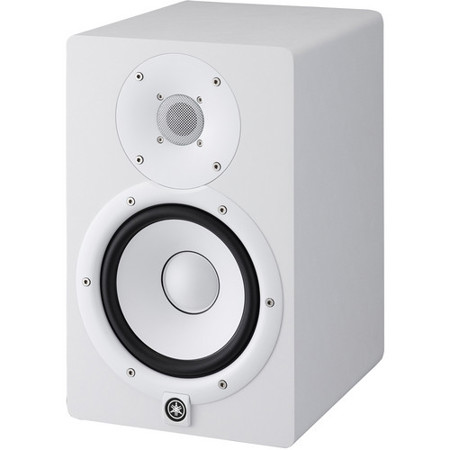
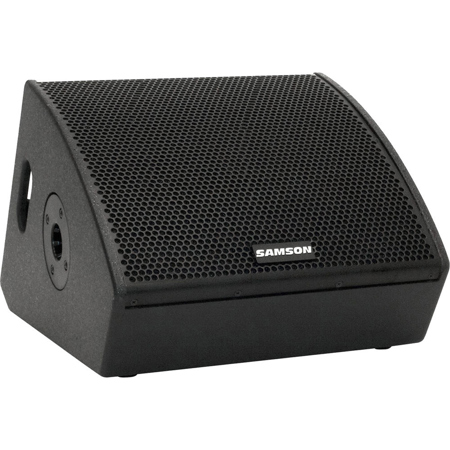
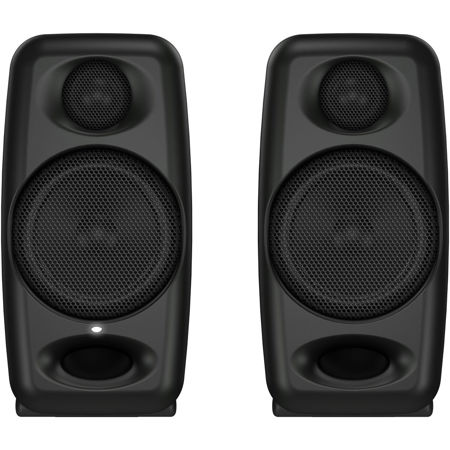
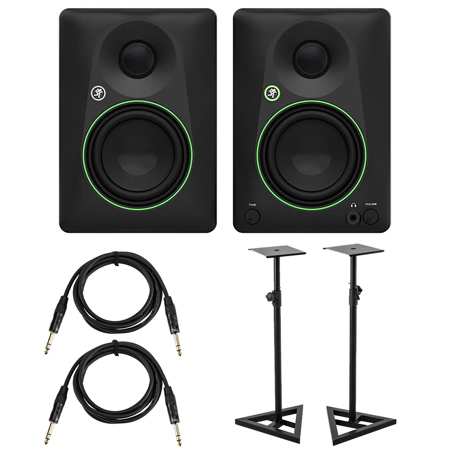
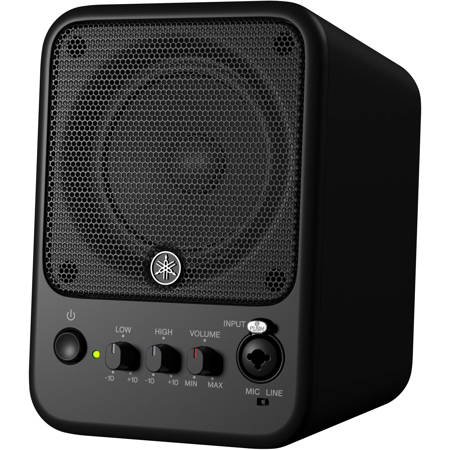
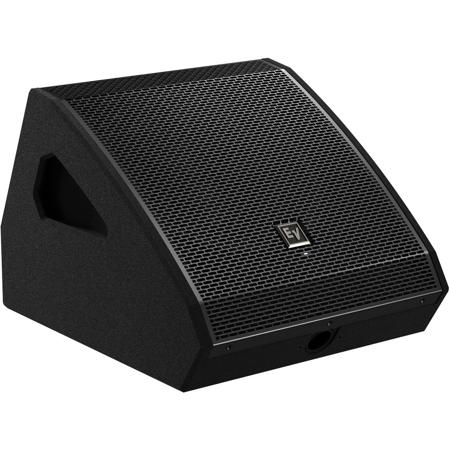
For those building or upgrading a home studio, monitor size is a key consideration. Five-inch to eight-inch speakers are common choices, with larger drivers offering a deeper bass response—ideal for genres where low-end clarity matters or for players who use extended-range guitars. Placement and room acoustics also play a significant role in achieving the most accurate sound. Near-field monitors are designed to be positioned close to the listener, minimizing the impact of room reflections and allowing for detailed listening at moderate volumes. This makes them well-suited for bedroom studios, shared spaces, or even as a thoughtful gift for a guitarist who’s passionate about recording or mixing their own music. On stage, powered FRFR cabinets and portable PA speakers provide the same level of transparency and power, ensuring that your modeled tones cut through the mix during rehearsals, open mics, or outdoor gigs as the weather warms. Musicians who perform with backing tracks, loopers, or multi-instrument setups will appreciate the versatility these monitors offer, supporting everything from electric and acoustic guitars to synths and drum machines.
Choosing the right guitar monitor also means considering your workflow and creative goals. If you frequently switch between guitar and vocal sessions, you may want to explore monitors designed for voice as well, such as those found on our Vocal Monitors page, to create a balanced and versatile listening environment. Ultimately, the best guitar monitors are those that inspire you to play, experiment, and grow—whether you’re tracking a summer album at home, jamming with friends at a backyard gathering, or preparing for autumn’s indoor recording sessions. With the right setup, your guitar’s true character shines through, supporting every note from delicate fingerpicking to high-gain solos, and helping you share your music with clarity and impact.
For those building or upgrading a home studio, monitor size is a key consideration. Five-inch to eight-inch speakers are common choices, with larger drivers offering a deeper bass response—ideal for genres where low-end clarity matters or for players who use extended-range guitars. Placement and room acoustics also play a significant role in achieving the most accurate sound. Near-field monitors are designed to be positioned close to the listener, minimizing the impact of room reflections and allowing for detailed listening at moderate volumes. This makes them well-suited for bedroom studios, shared spaces, or even as a thoughtful gift for a guitarist who’s passionate about recording or mixing their own music. On stage, powered FRFR cabinets and portable PA speakers provide the same level of transparency and power, ensuring that your modeled tones cut through the mix during rehearsals, open mics, or outdoor gigs as the weather warms. Musicians who perform with backing tracks, loopers, or multi-instrument setups will appreciate the versatility these monitors offer, supporting everything from electric and acoustic guitars to synths and drum machines.
Choosing the right guitar monitor also means considering your workflow and creative goals. If you frequently switch between guitar and vocal sessions, you may want to explore monitors designed for voice as well, such as those found on our Vocal Monitors page, to create a balanced and versatile listening environment. Ultimately, the best guitar monitors are those that inspire you to play, experiment, and grow—whether you’re tracking a summer album at home, jamming with friends at a backyard gathering, or preparing for autumn’s indoor recording sessions. With the right setup, your guitar’s true character shines through, supporting every note from delicate fingerpicking to high-gain solos, and helping you share your music with clarity and impact.