Hawaiian Music Instruments
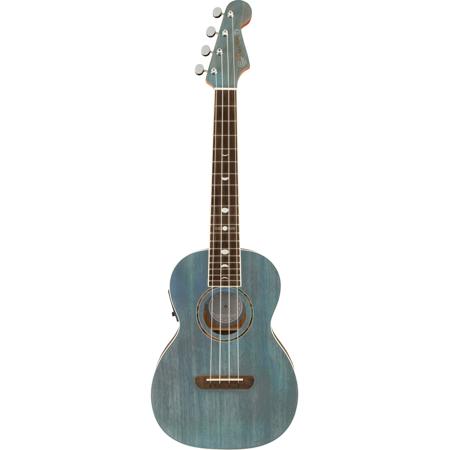
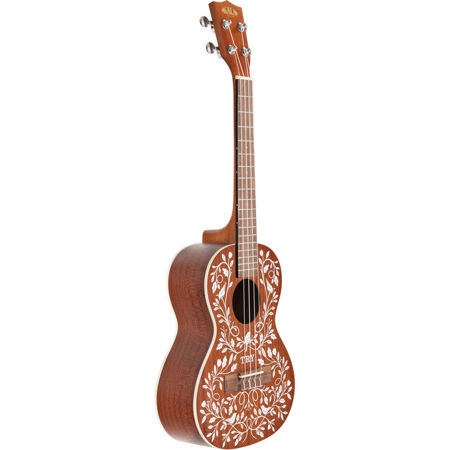
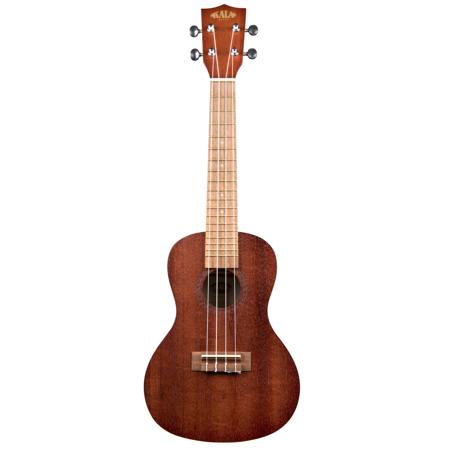
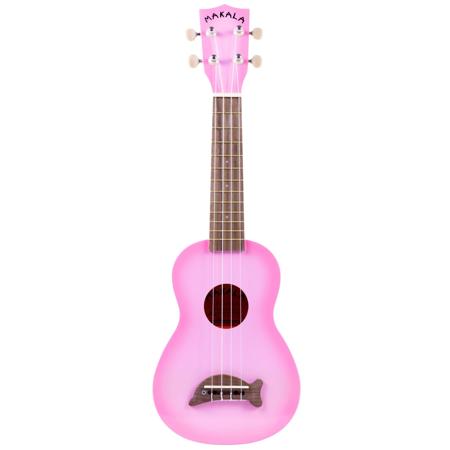
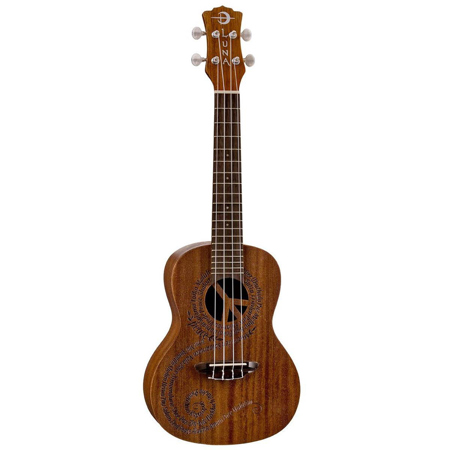
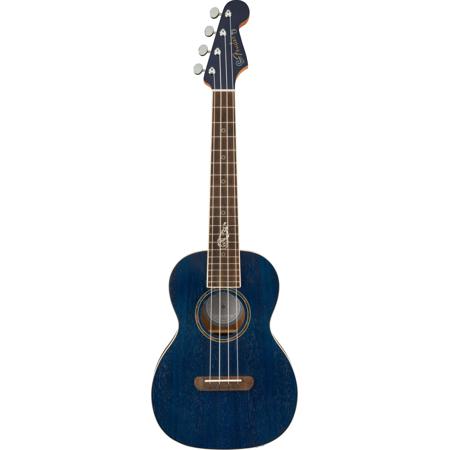
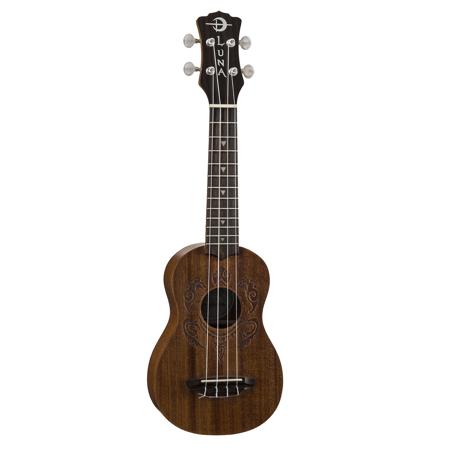
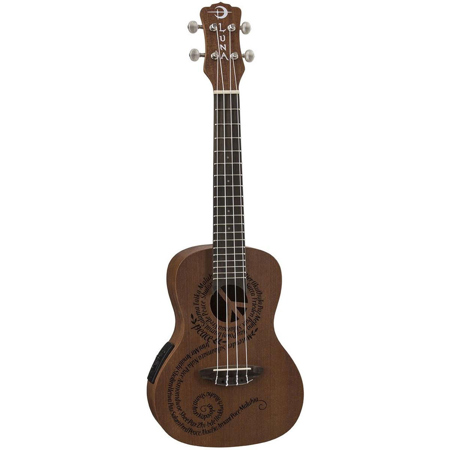
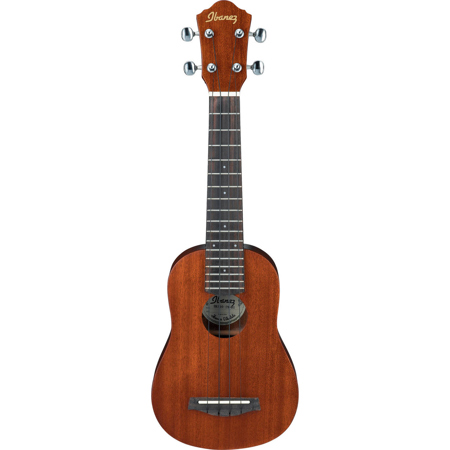
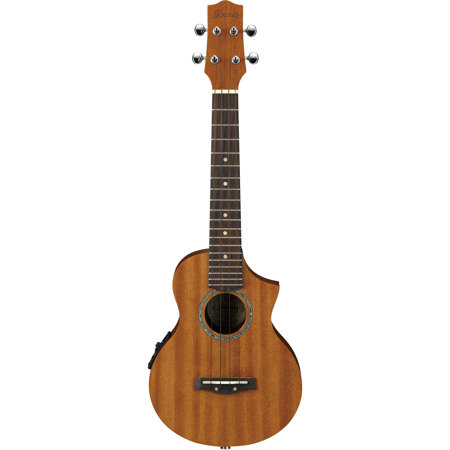
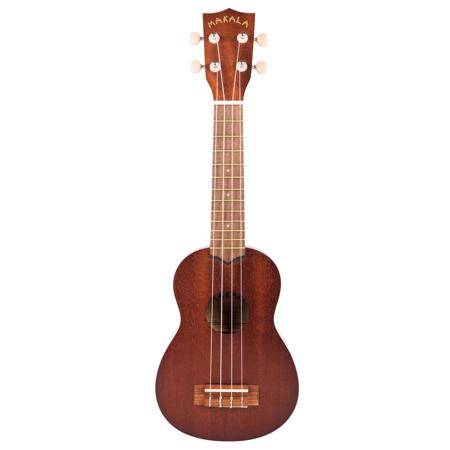
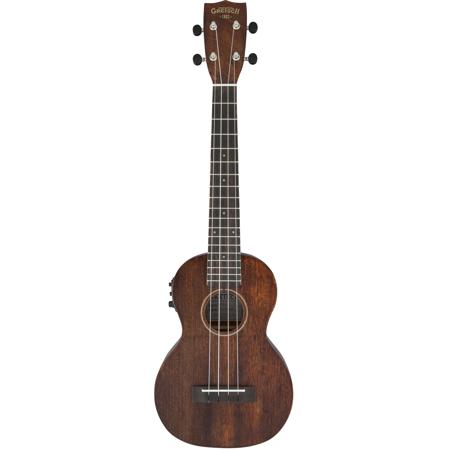
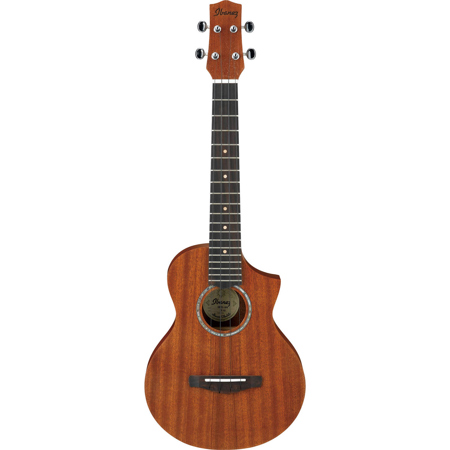
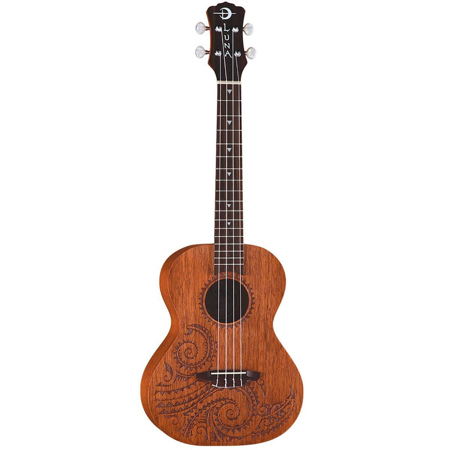
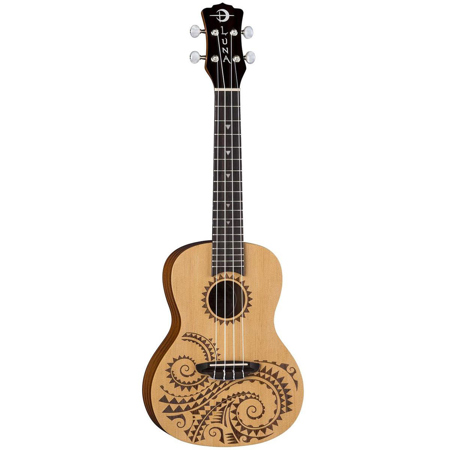
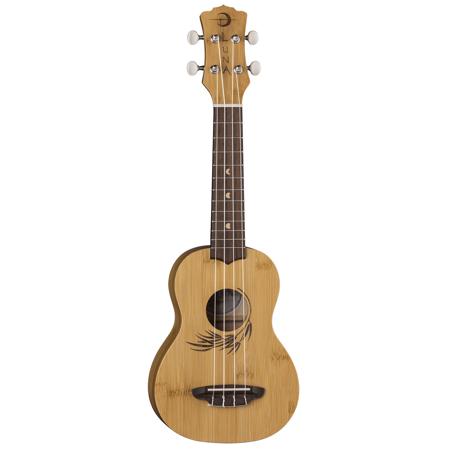
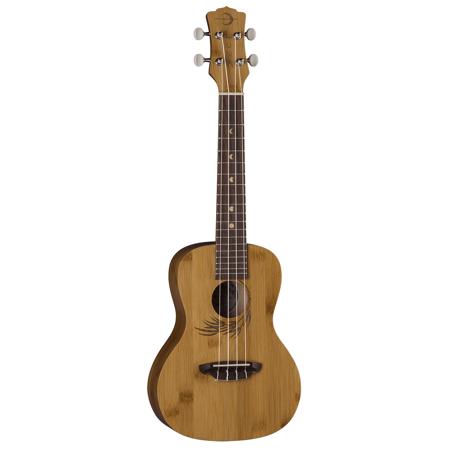
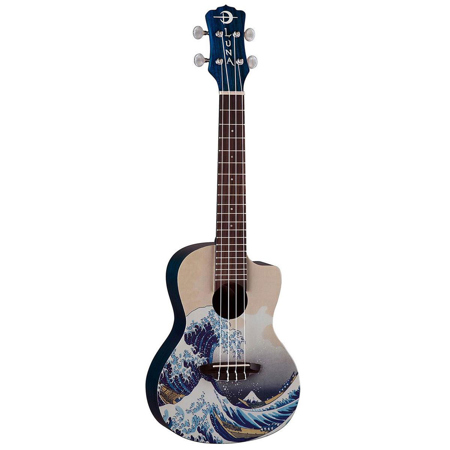
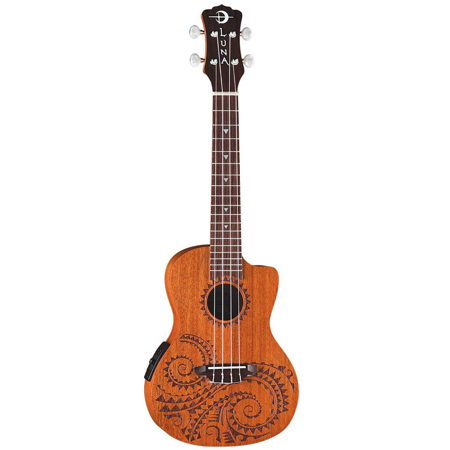
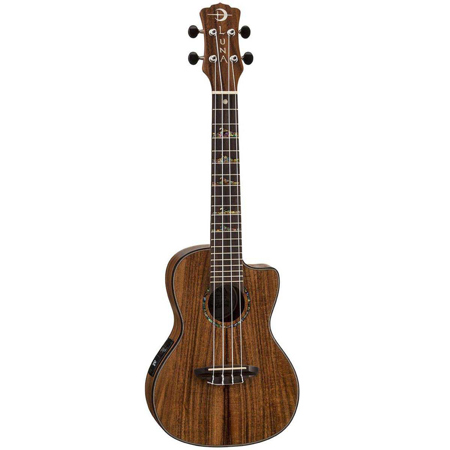
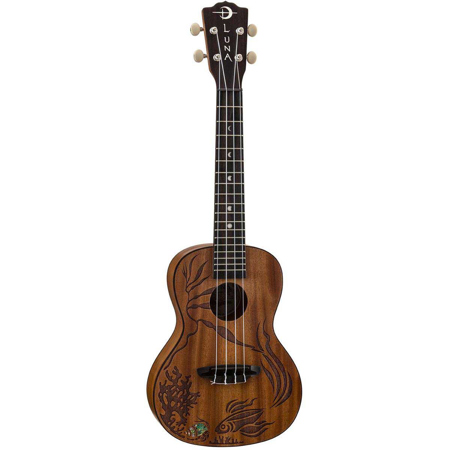
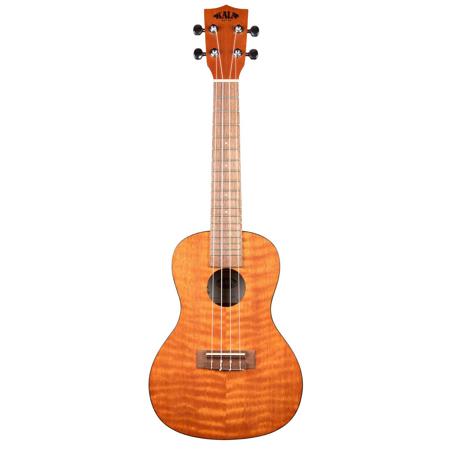
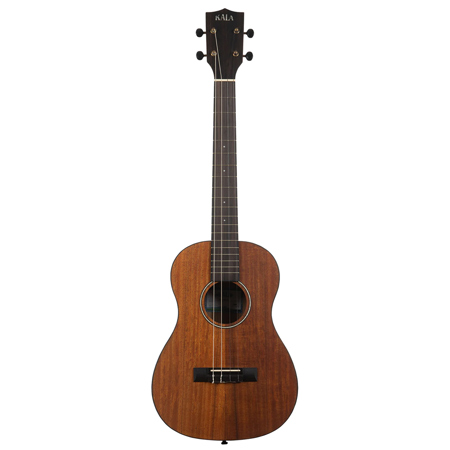
Hawaiian music instruments have a unique and storied place in the world of music, rooted in centuries of tradition and cultural expression. Whether you’re drawn to the rhythmic pulse of the ipu, the resonant depth of the pahu drum, or the bright, cheerful strum of the popular Hawaiian lute, the ‘ukulele, these instruments evoke the spirit of the islands and the warmth of their people. Many of these traditional Hawaiian musical instruments are crafted from natural materials found throughout the islands—gourds, bamboo, coconut shells, and native woods—each adding its own character to the sound and feel of the music. The ipu, a gourd drum used to accompany hula, produces a deep, earthy tone that grounds dancers and listeners alike, while the ‘uli’uli, a feathered gourd shaker, adds a lively, percussive accent to ceremonies and performances. The split bamboo pu’ili and the pahu drum, carved from coconut logs, are integral to both ancient chants and contemporary Hawaiian ensembles, connecting today’s musicians with generations past.
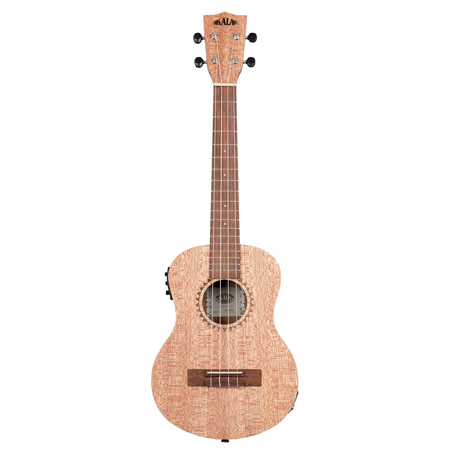
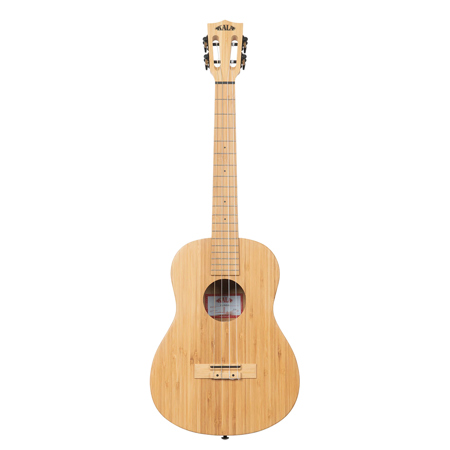
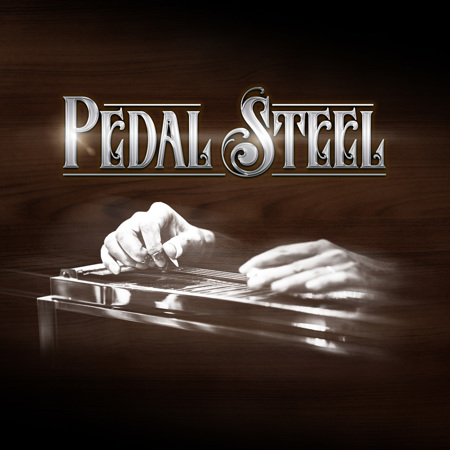
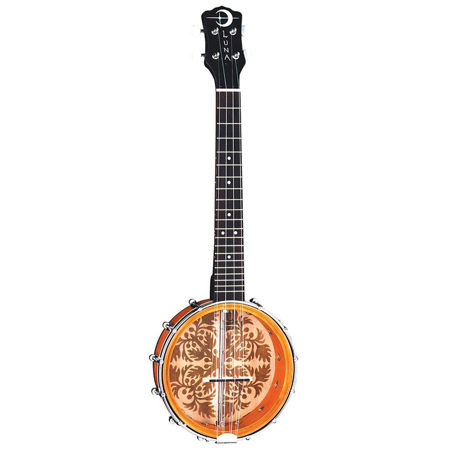
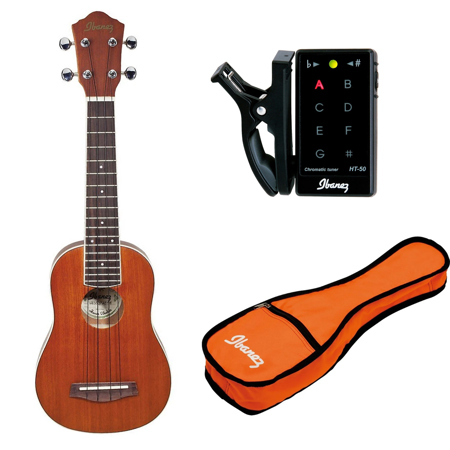
In modern settings, Hawaii music instruments have found their way into genres far beyond traditional hula and chant. The steel guitar, with its distinctive sliding notes, and the ‘ukulele, beloved for its portability and joyful sound, have become symbols of island music worldwide. These instruments are not only cherished by professional musicians and cultural practitioners but are also perfect for beginners or anyone seeking to bring a touch of aloha to their music. March, with its promise of spring and renewal, is an ideal time to explore these instruments, whether you’re preparing for a luau, looking to add authentic sounds to your band, or searching for a meaningful gift. Hawaiian music instruments make memorable presents for music lovers, educators, and students, as well as anyone interested in world music or cultural traditions. The tactile experience of playing a hand-carved drum or strumming a finely crafted ‘ukulele offers a direct connection to the land and stories of Hawaii, making each performance or practice session a celebration of heritage.
When choosing Hawaiian musical instruments, it’s important to consider factors such as craftsmanship, material, and intended use. Instruments made from traditional materials often provide a more authentic sound and feel, which can be especially meaningful for those performing hula or participating in cultural events. For classroom settings or casual play, durable modern versions may be more suitable, offering the same melodic charm with added resilience. If you’re new to these instruments, starting with a popular Hawaiian lute like the ‘ukulele can open doors to both solo and group music-making, while percussion instruments like the ipu or ‘uli’uli can add rhythmic complexity to any ensemble. For those seeking to expand their musical horizons even further, exploring our curated selection of Ethnic Music Instruments can introduce you to a world of sounds and traditions from across the globe. Whether for personal enjoyment, education, or performance, Hawaiian music instruments offer a vibrant and meaningful way to connect with the rich cultural tapestry of the islands, inviting musicians of all backgrounds to share in the joy and tradition of Hawaiian music.
In modern settings, Hawaii music instruments have found their way into genres far beyond traditional hula and chant. The steel guitar, with its distinctive sliding notes, and the ‘ukulele, beloved for its portability and joyful sound, have become symbols of island music worldwide. These instruments are not only cherished by professional musicians and cultural practitioners but are also perfect for beginners or anyone seeking to bring a touch of aloha to their music. March, with its promise of spring and renewal, is an ideal time to explore these instruments, whether you’re preparing for a luau, looking to add authentic sounds to your band, or searching for a meaningful gift. Hawaiian music instruments make memorable presents for music lovers, educators, and students, as well as anyone interested in world music or cultural traditions. The tactile experience of playing a hand-carved drum or strumming a finely crafted ‘ukulele offers a direct connection to the land and stories of Hawaii, making each performance or practice session a celebration of heritage.
When choosing Hawaiian musical instruments, it’s important to consider factors such as craftsmanship, material, and intended use. Instruments made from traditional materials often provide a more authentic sound and feel, which can be especially meaningful for those performing hula or participating in cultural events. For classroom settings or casual play, durable modern versions may be more suitable, offering the same melodic charm with added resilience. If you’re new to these instruments, starting with a popular Hawaiian lute like the ‘ukulele can open doors to both solo and group music-making, while percussion instruments like the ipu or ‘uli’uli can add rhythmic complexity to any ensemble. For those seeking to expand their musical horizons even further, exploring our curated selection of Ethnic Music Instruments can introduce you to a world of sounds and traditions from across the globe. Whether for personal enjoyment, education, or performance, Hawaiian music instruments offer a vibrant and meaningful way to connect with the rich cultural tapestry of the islands, inviting musicians of all backgrounds to share in the joy and tradition of Hawaiian music.