

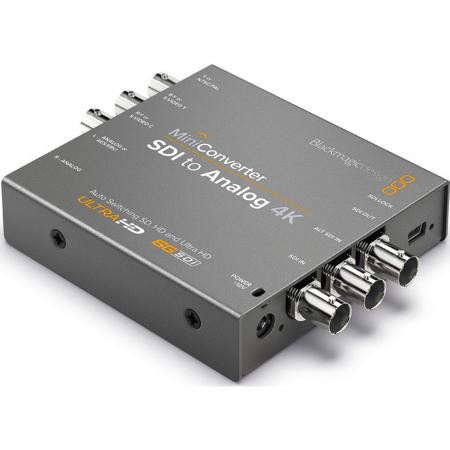
HD SDI To Analog Converters
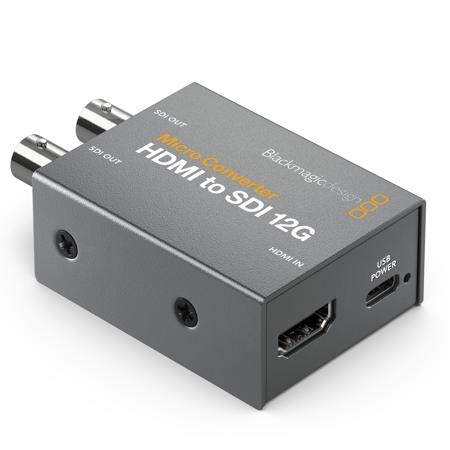
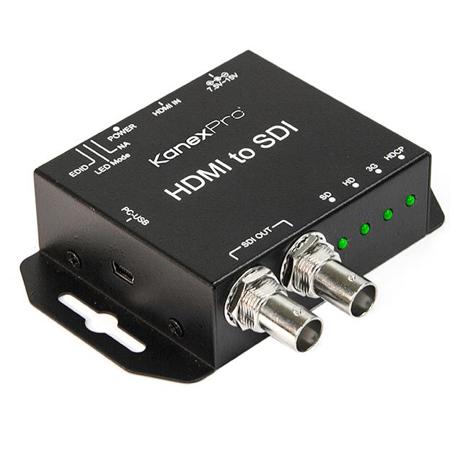
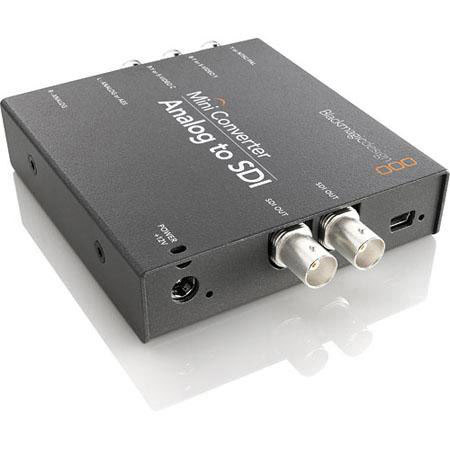
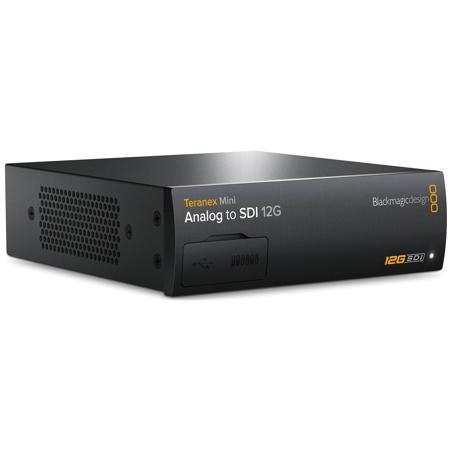
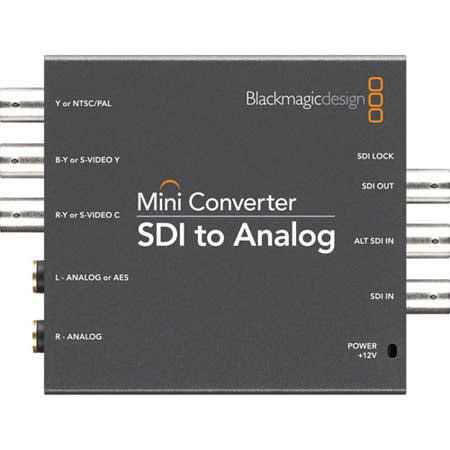
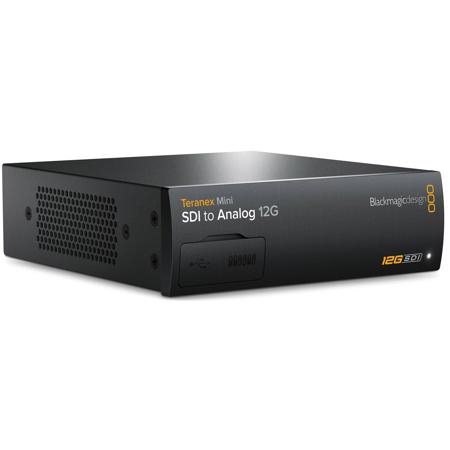
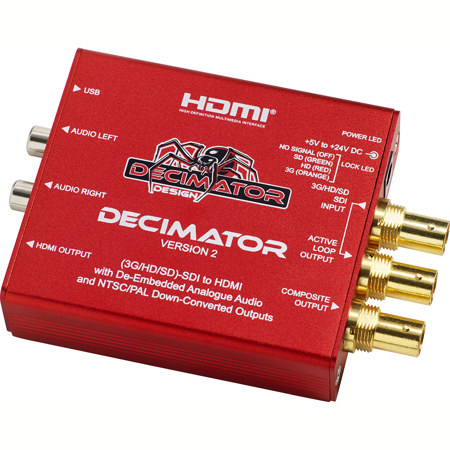
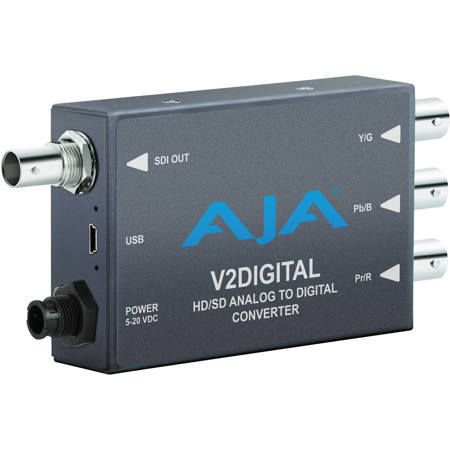
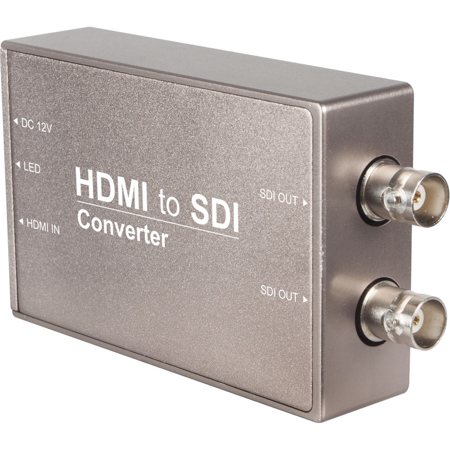
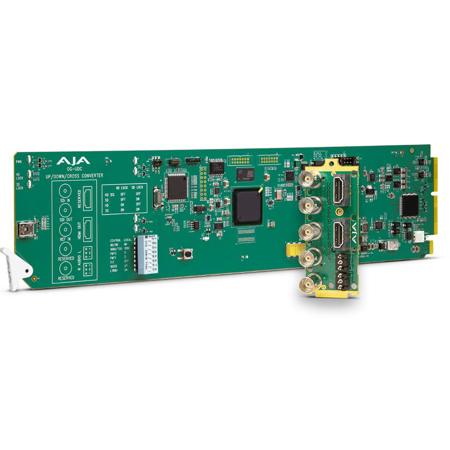
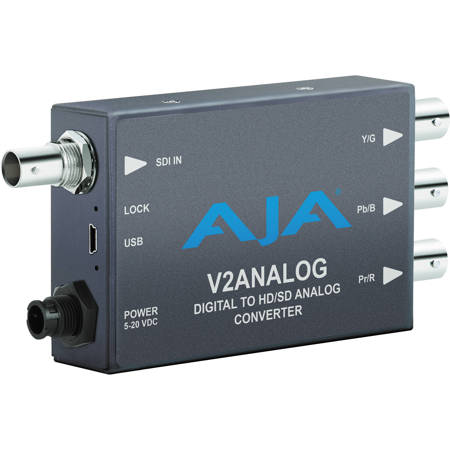
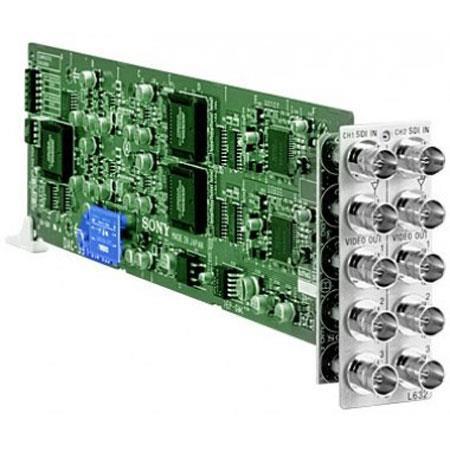
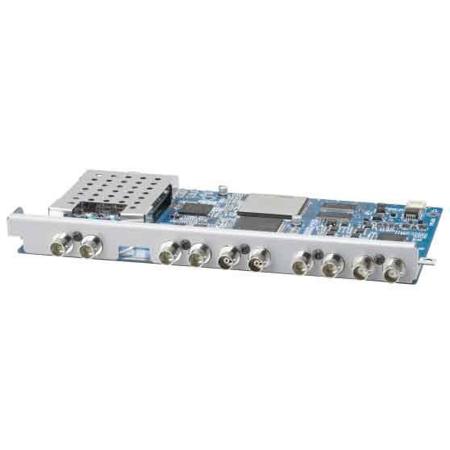
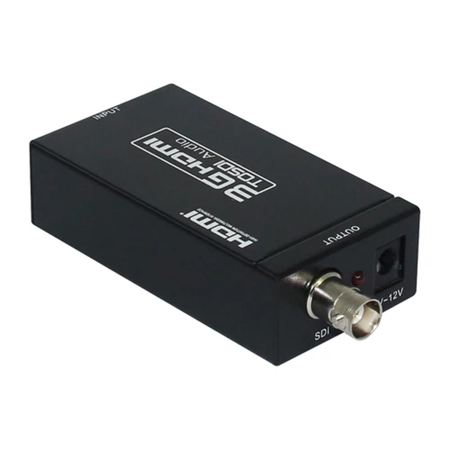
In the fast-evolving world of broadcast, production, and AV integration, HD SDI to analog converters play a pivotal role in bridging the gap between modern digital workflows and trusted legacy equipment. These specialized devices transform high-definition SDI signals—commonplace in today’s professional cameras, switchers, and routers—into analog outputs such as Composite, Component (YPbPr/RGB), or S-Video. This conversion is essential for anyone looking to feed digital video sources into older CRT monitors, projectors, or tape decks that lack SDI connectivity. Whether you’re revitalizing a classic edit suite with vintage Betacam SP decks, ensuring compatibility with analog distribution systems in a school auditorium, or simply extending the life of reliable analog displays in a control room, a robust hd-sdi to composite converter becomes a critical asset. Spring is a season of renewal, making it a great time to reassess your studio or facility’s signal paths and ensure seamless integration between new and legacy gear. These converters are also a thoughtful gift for AV technicians, broadcast engineers, or video hobbyists who appreciate the blend of classic hardware and modern signal integrity.
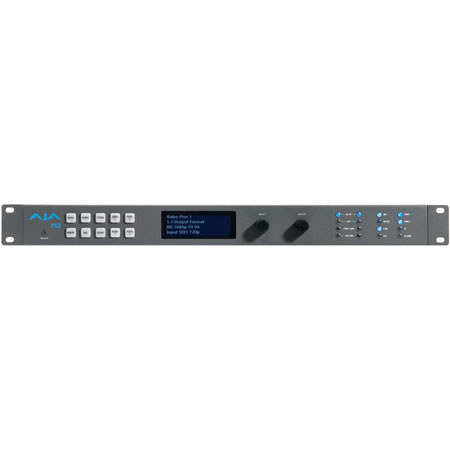
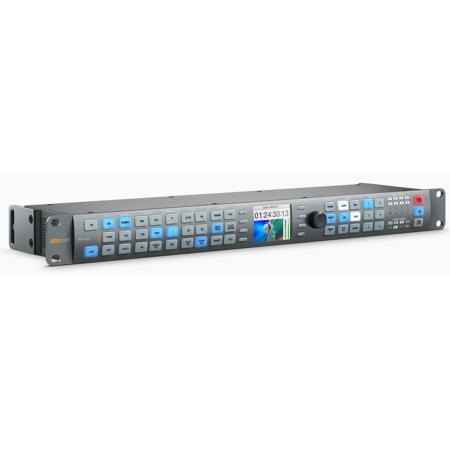
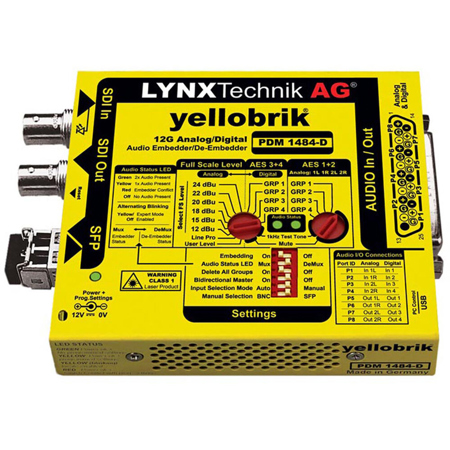
When selecting an HD SDI to analog converter, there are several key considerations to keep in mind to ensure optimal performance and compatibility. Look for models that support a wide range of resolutions, often up to 1080p30 or 1080p60, to accommodate everything from archival SD content to crisp HD feeds. Automatic format detection is a valuable feature, allowing the converter to seamlessly adjust to different input signals without manual intervention—ideal for fast-paced production environments. High-quality converters offer true 10-bit digital-to-analog processing, preserving image fidelity and color accuracy, which is especially important when feeding signals to professional-grade monitors or projectors. Audio support is another crucial factor; many units provide de-embedded audio outputs, typically offering 2 or 4 channels of balanced analog or AES/EBU audio, ensuring that both video and sound signals remain perfectly synchronized. For installations with long cable runs, advanced features like signal re-clocking and low-jitter circuitry help maintain signal integrity, reducing the risk of dropouts or degradation. Down-conversion capabilities are also valuable, allowing HD sources to be viewed on standard-definition analog equipment, which is still prevalent in many archival and educational settings.
These converters are not only indispensable in professional environments—they also cater to enthusiasts and collectors who maintain vintage gear or wish to digitize analog archives. Imagine the satisfaction of connecting a state-of-the-art HD camera to a cherished CRT monitor, watching vibrant, modern footage rendered with the warmth and texture unique to analog displays. In educational settings, these devices enable the use of legacy projectors and monitors, maximizing the value of existing AV infrastructure. For live events, houses of worship, and community centers, HD SDI to analog converters offer reliable, plug-and-play solutions for integrating new video sources with established analog distribution systems, ensuring that every audience member enjoys clear, consistent visuals regardless of equipment age. If your workflow also involves IP-based video transport, you may want to explore solutions like NDI To SDI Converters for even greater flexibility. With the right converter, you can confidently navigate the intersection of old and new technology, preserving cherished equipment while embracing the advantages of modern digital video.
When selecting an HD SDI to analog converter, there are several key considerations to keep in mind to ensure optimal performance and compatibility. Look for models that support a wide range of resolutions, often up to 1080p30 or 1080p60, to accommodate everything from archival SD content to crisp HD feeds. Automatic format detection is a valuable feature, allowing the converter to seamlessly adjust to different input signals without manual intervention—ideal for fast-paced production environments. High-quality converters offer true 10-bit digital-to-analog processing, preserving image fidelity and color accuracy, which is especially important when feeding signals to professional-grade monitors or projectors. Audio support is another crucial factor; many units provide de-embedded audio outputs, typically offering 2 or 4 channels of balanced analog or AES/EBU audio, ensuring that both video and sound signals remain perfectly synchronized. For installations with long cable runs, advanced features like signal re-clocking and low-jitter circuitry help maintain signal integrity, reducing the risk of dropouts or degradation. Down-conversion capabilities are also valuable, allowing HD sources to be viewed on standard-definition analog equipment, which is still prevalent in many archival and educational settings.
These converters are not only indispensable in professional environments—they also cater to enthusiasts and collectors who maintain vintage gear or wish to digitize analog archives. Imagine the satisfaction of connecting a state-of-the-art HD camera to a cherished CRT monitor, watching vibrant, modern footage rendered with the warmth and texture unique to analog displays. In educational settings, these devices enable the use of legacy projectors and monitors, maximizing the value of existing AV infrastructure. For live events, houses of worship, and community centers, HD SDI to analog converters offer reliable, plug-and-play solutions for integrating new video sources with established analog distribution systems, ensuring that every audience member enjoys clear, consistent visuals regardless of equipment age. If your workflow also involves IP-based video transport, you may want to explore solutions like NDI To SDI Converters for even greater flexibility. With the right converter, you can confidently navigate the intersection of old and new technology, preserving cherished equipment while embracing the advantages of modern digital video.