
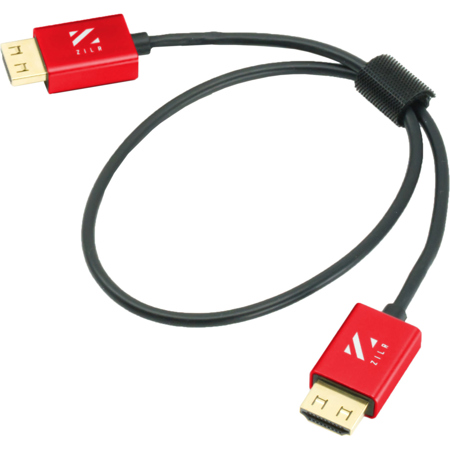
HDMI Cables for External Monitors
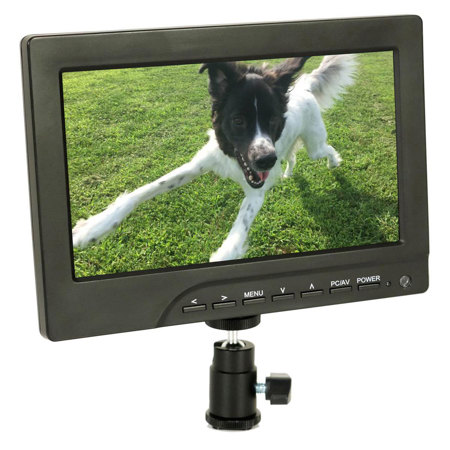
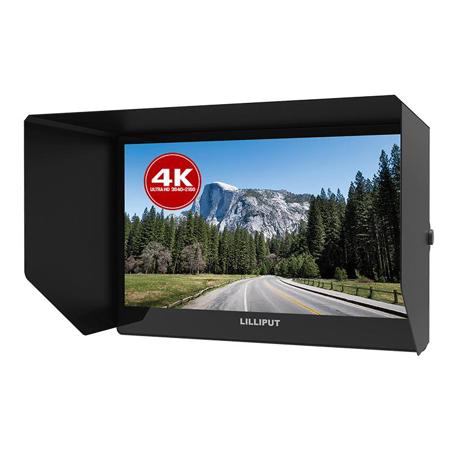
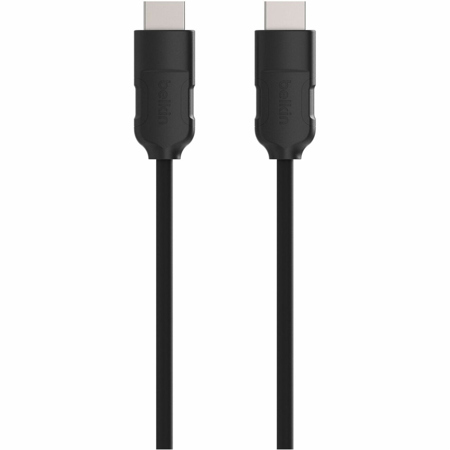
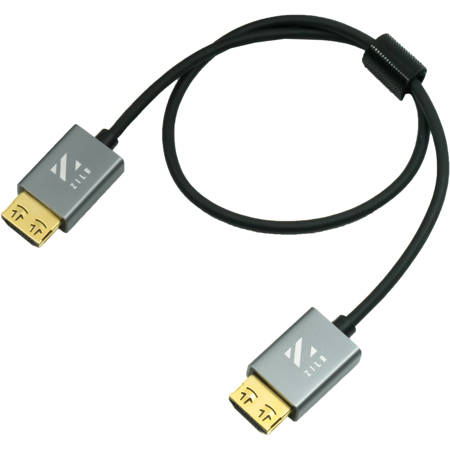
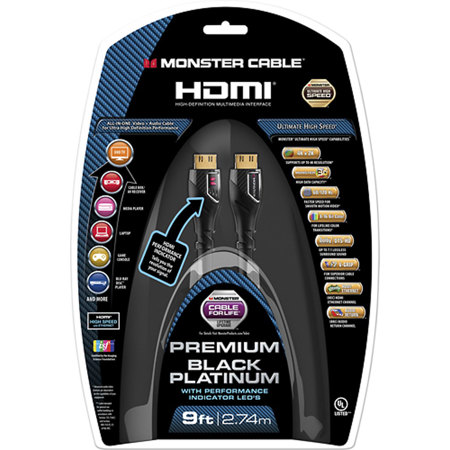
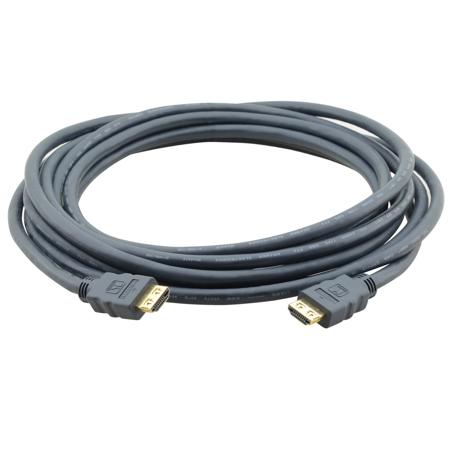
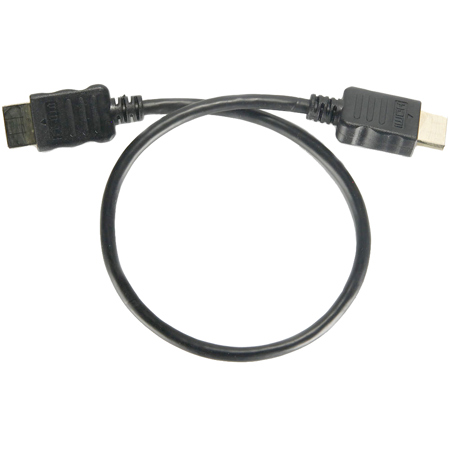
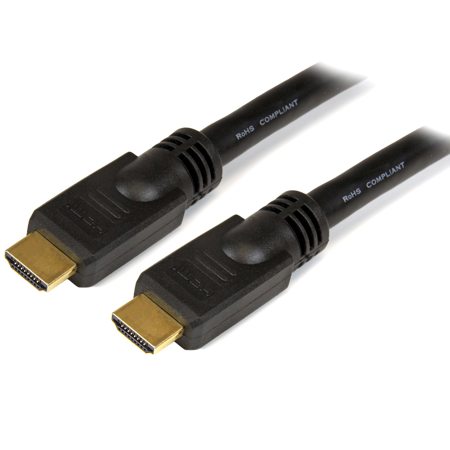
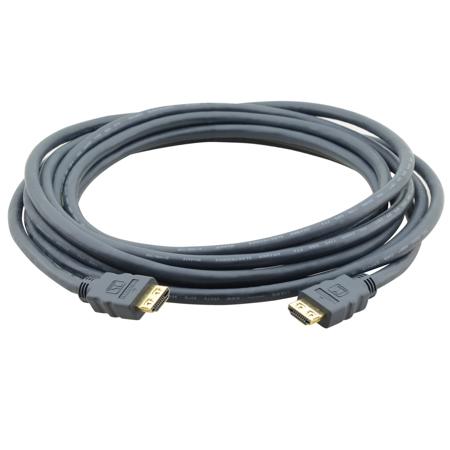
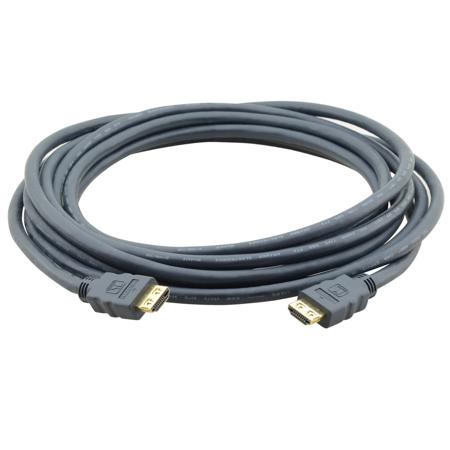
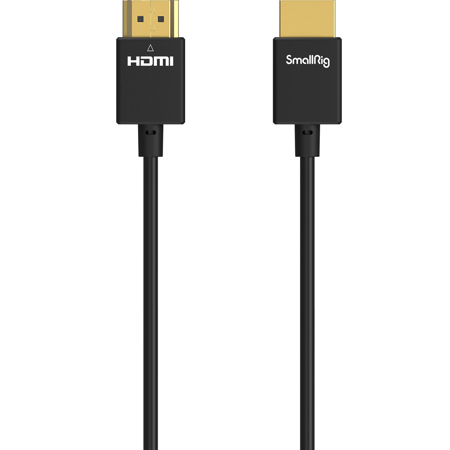
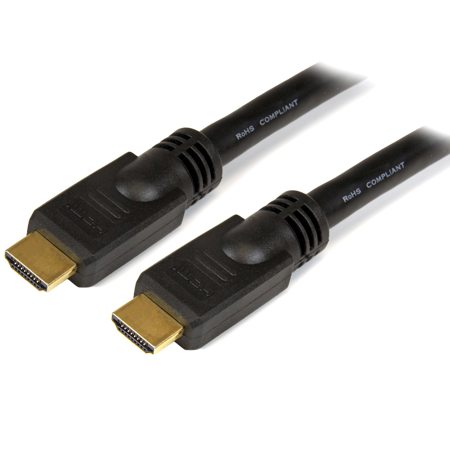
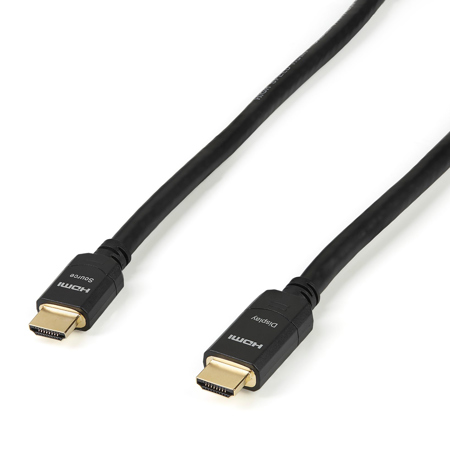
As the crisp air of January ushers in a season of fresh starts and renewed creativity, many photographers, videographers, and content creators find themselves reorganizing their studios, upgrading their gear, and refining their workflows for the year ahead. HDMI cables for external monitors are among the unsung heroes of this process, quietly powering the seamless connection between cameras, computers, and displays. Whether you’re setting up a dual-monitor workstation for meticulous photo editing or assembling a portable video village on set, the right HDMI cable is the linchpin that ensures your visuals are transmitted with clarity and precision. These cables are indispensable for professionals who demand color accuracy and real-time feedback—think of the fashion photographer previewing each shot on a calibrated monitor, or the filmmaker monitoring focus and exposure on a field display under winter’s pale daylight. Even hobbyists and students benefit from reliable HDMI connections, as they share presentations, stream tutorials, or watch their creative projects come to life on a bigger screen.
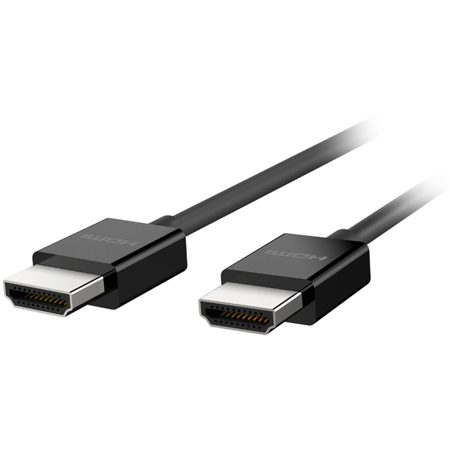
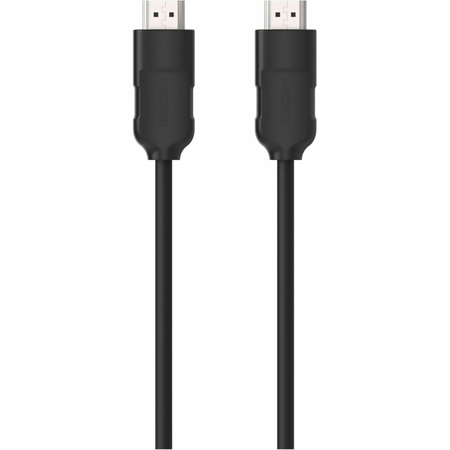
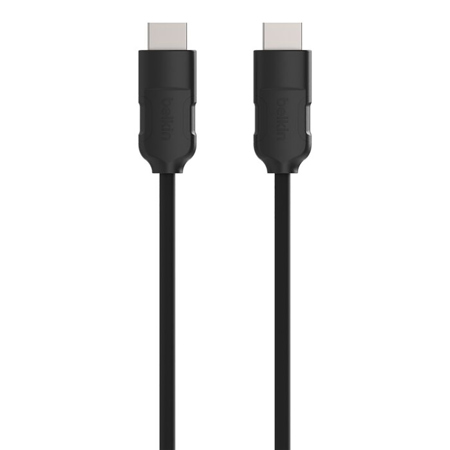
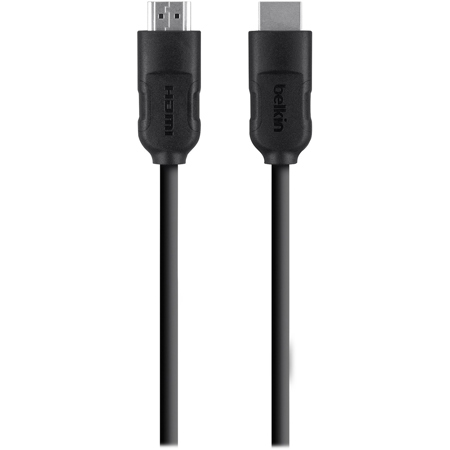
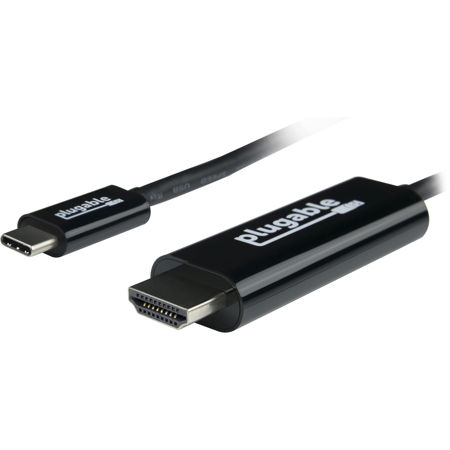
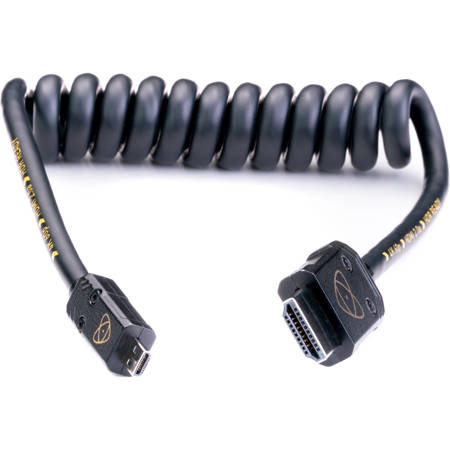
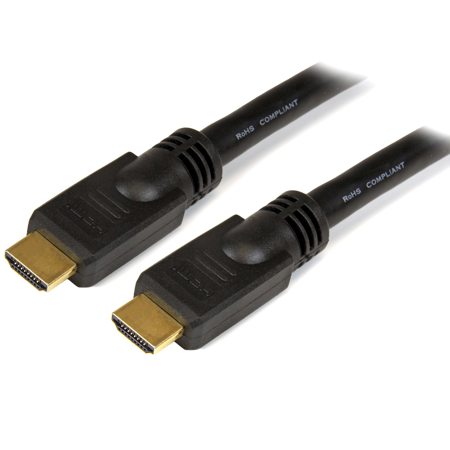
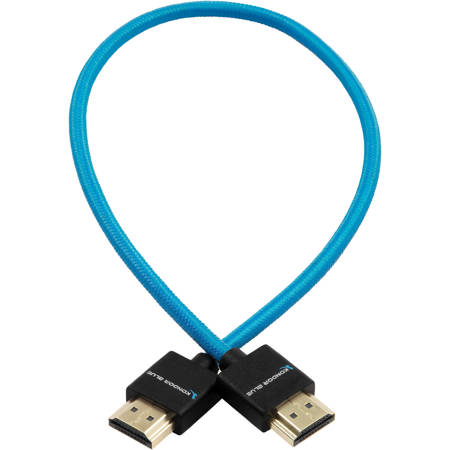
When selecting an HDMI cable for your external monitor setup, there are a few key considerations to keep in mind. Length is often the first factor—too short, and you’re tethered uncomfortably close to your gear; too long, and you risk signal degradation unless you choose a high-quality, well-shielded cable. The latest HDMI standards support higher resolutions and refresh rates, making them essential for those working with 4K or even 8K footage, or for gamers seeking ultra-smooth performance. Durability also matters, especially in environments where cables are frequently coiled, packed, and transported—reinforced connectors and braided sheaths can make all the difference. For creative professionals who work on location, the flexibility to connect a variety of devices, from DSLRs and mirrorless cameras to laptops and projectors, means that having a selection of HDMI cables in different lengths and connector types is a smart investment. HDMI cables also make thoughtful gifts for anyone setting up a home office, gaming station, or creative studio—useful, practical, and often overlooked until the moment they’re needed most.
As technology continues to evolve, so do the ways we use HDMI cables. Hybrid workspaces and remote collaborations have made it more common to connect laptops to external monitors for extended desktop space or video conferencing. Video editors and colorists rely on accurate, lag-free transmission to external reference monitors to ensure their work looks perfect in any light, while educators and presenters use HDMI connections to share content with clarity in classrooms and conference rooms. For those who need compact solutions, smaller devices like mirrorless cameras or portable monitors often require specialized cables or adapters. If you’re working with compact displays or need a lightweight, travel-friendly setup, you might want to explore options like Mini HDMI Monitors, which pair perfectly with the right HDMI cable for on-the-go creativity. As you plan your projects for the coming months, investing in quality HDMI cables ensures that your visuals remain sharp, your workflow smooth, and your creative vision uncompromised—no matter where inspiration takes you.
When selecting an HDMI cable for your external monitor setup, there are a few key considerations to keep in mind. Length is often the first factor—too short, and you’re tethered uncomfortably close to your gear; too long, and you risk signal degradation unless you choose a high-quality, well-shielded cable. The latest HDMI standards support higher resolutions and refresh rates, making them essential for those working with 4K or even 8K footage, or for gamers seeking ultra-smooth performance. Durability also matters, especially in environments where cables are frequently coiled, packed, and transported—reinforced connectors and braided sheaths can make all the difference. For creative professionals who work on location, the flexibility to connect a variety of devices, from DSLRs and mirrorless cameras to laptops and projectors, means that having a selection of HDMI cables in different lengths and connector types is a smart investment. HDMI cables also make thoughtful gifts for anyone setting up a home office, gaming station, or creative studio—useful, practical, and often overlooked until the moment they’re needed most.
As technology continues to evolve, so do the ways we use HDMI cables. Hybrid workspaces and remote collaborations have made it more common to connect laptops to external monitors for extended desktop space or video conferencing. Video editors and colorists rely on accurate, lag-free transmission to external reference monitors to ensure their work looks perfect in any light, while educators and presenters use HDMI connections to share content with clarity in classrooms and conference rooms. For those who need compact solutions, smaller devices like mirrorless cameras or portable monitors often require specialized cables or adapters. If you’re working with compact displays or need a lightweight, travel-friendly setup, you might want to explore options like Mini HDMI Monitors, which pair perfectly with the right HDMI cable for on-the-go creativity. As you plan your projects for the coming months, investing in quality HDMI cables ensures that your visuals remain sharp, your workflow smooth, and your creative vision uncompromised—no matter where inspiration takes you.