

High Gain Wireless Antennas
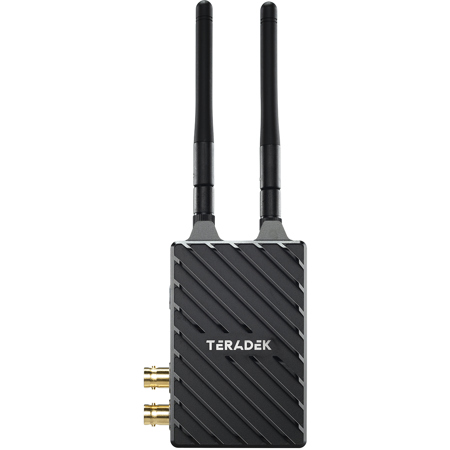
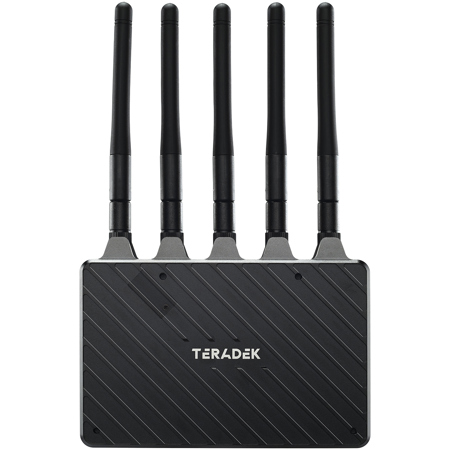
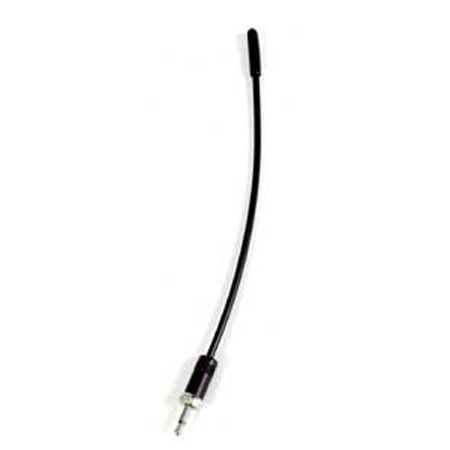
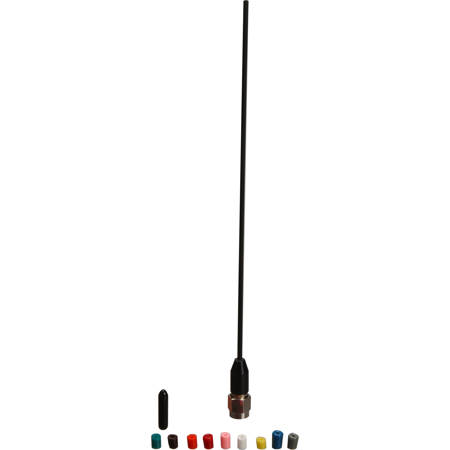
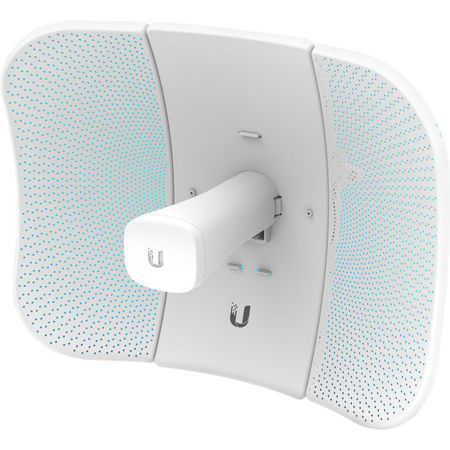
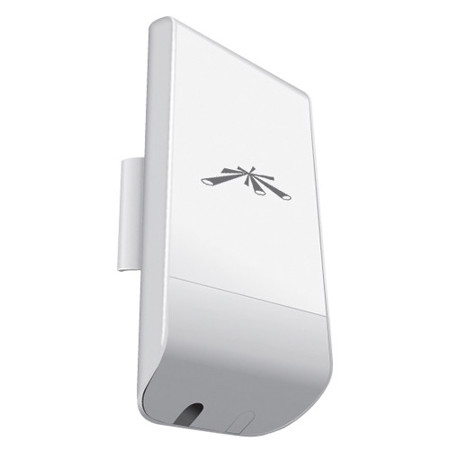
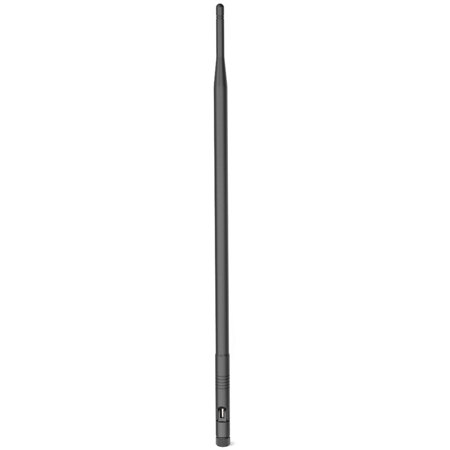
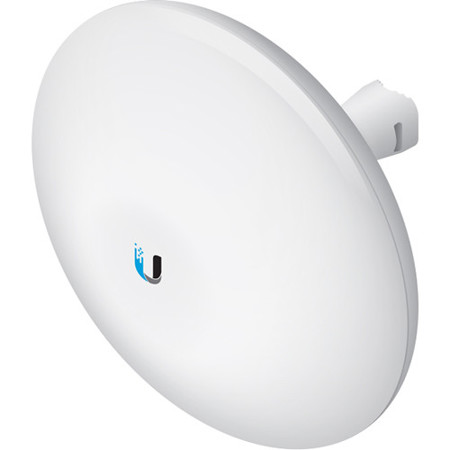
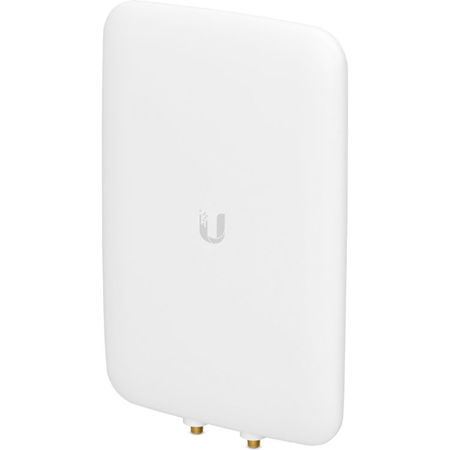
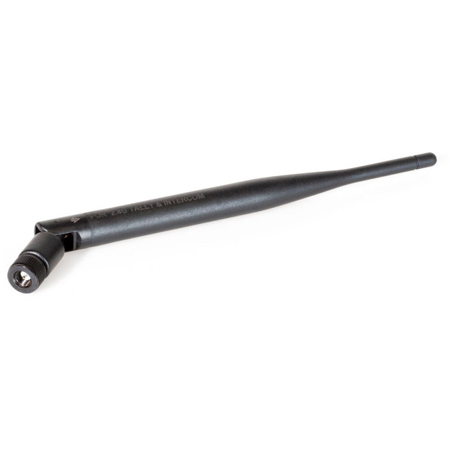
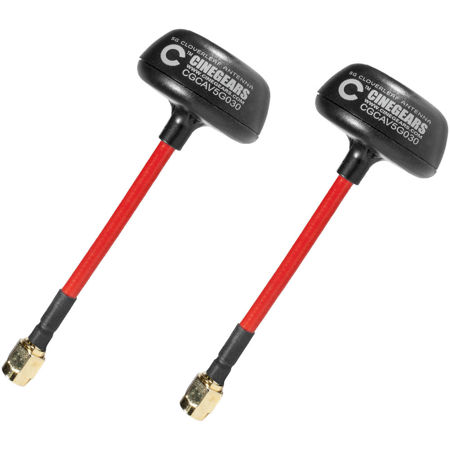
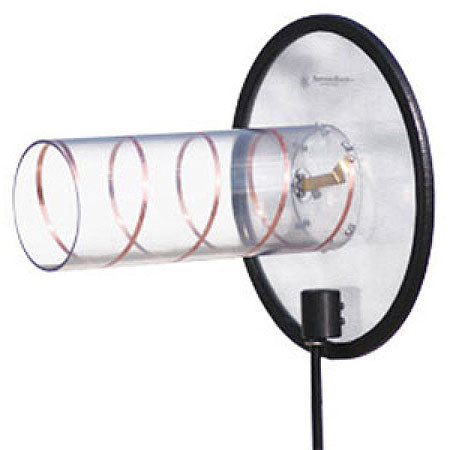
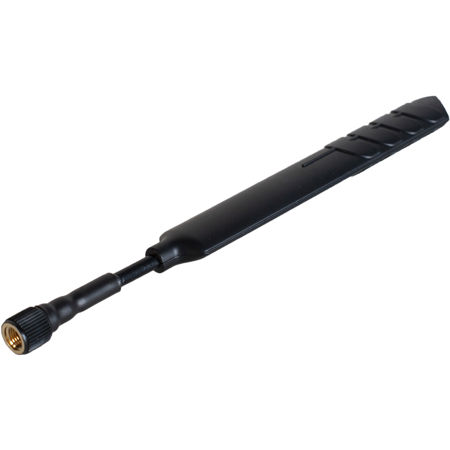
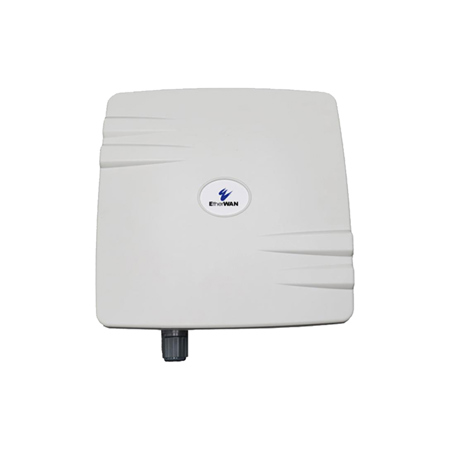
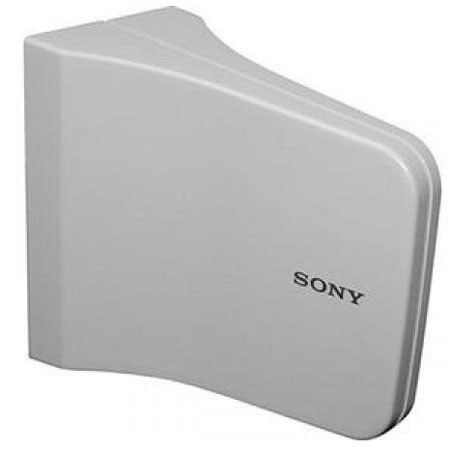
As more people rely on seamless wireless connectivity for work, entertainment, and smart home integration, the importance of a robust signal cannot be overstated—especially as warmer weather brings outdoor gatherings, backyard movie nights, and remote work setups on patios and decks. High gain wireless antennas are engineered to deliver precisely that: a stronger, more focused signal that can extend the reach of your Wi-Fi or cellular network far beyond what standard equipment provides. These antennas achieve their performance by concentrating radio frequency energy into a specific pattern, which can drastically improve signal strength, range, and overall connection speed. Whether you’re looking to eliminate dead zones in a sprawling home, connect a detached garage or workshop, or simply enjoy reliable streaming by the pool, a high gain antenna can make all the difference. They’re also invaluable for RV owners, campers, or anyone who needs to stay connected while on the move. By choosing the right antenna—be it a directional model like a Yagi or panel for long-range point-to-point links, or an omnidirectional type for broad, even coverage—you can customize your setup to match your unique environment and needs.
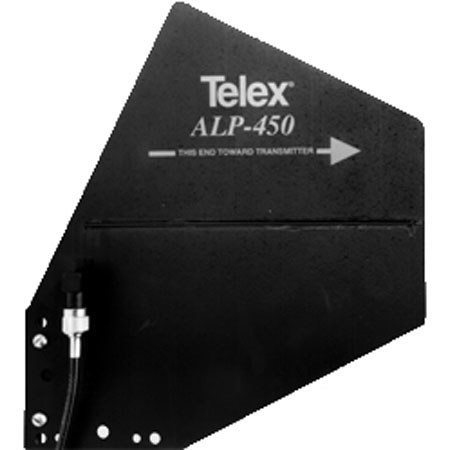
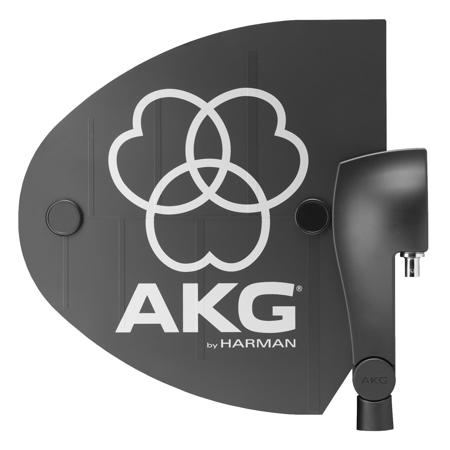
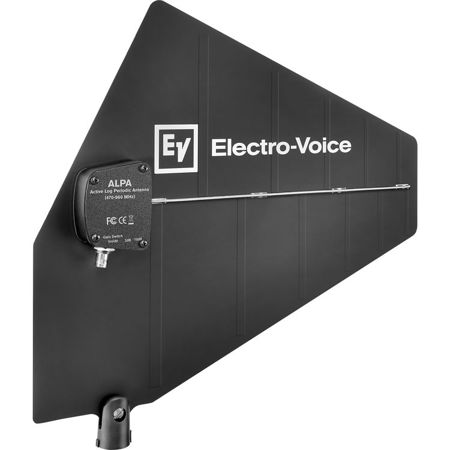
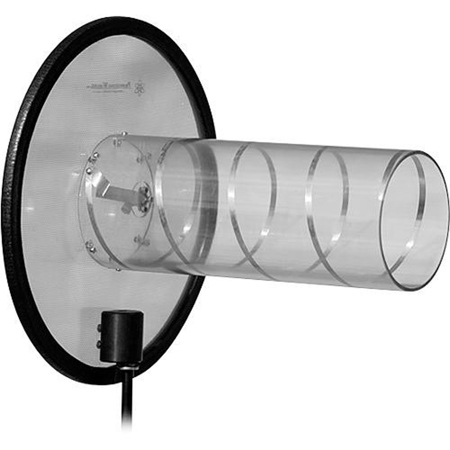
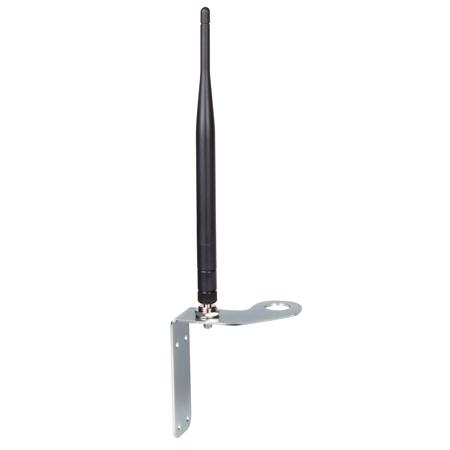
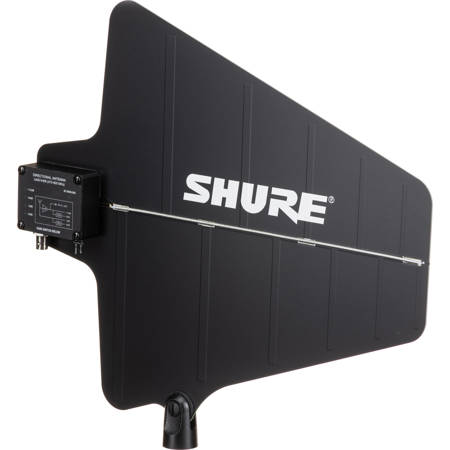
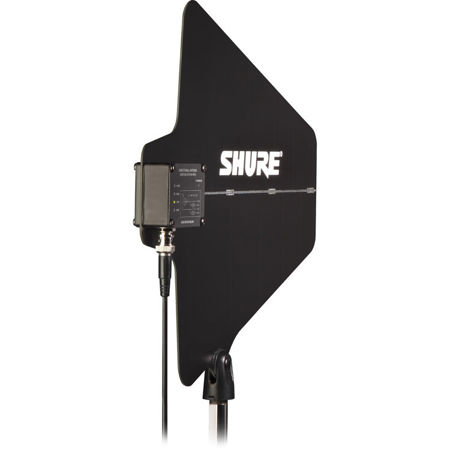
When considering a high gain wireless antenna, it’s essential to think about both the physical layout of your space and your specific connectivity goals. Directional antennas, such as Yagi or log-periodic dipole arrays (LPDA), are ideal for targeting a distant Wi-Fi source or cellular tower, making them a popular choice for rural homes or properties with multiple buildings. These require precise alignment but offer the highest gains, often measured between 8 dBi and 18 dBi or more, compared to the modest 2-3 dBi found in standard factory antennas. For those who need to broadcast a signal evenly across a large area—like a multi-story home, a summer campsite, or a busy office—omnidirectional antennas provide 360-degree coverage, though with a slightly reduced range compared to their directional counterparts. It’s worth noting that as the gain increases, the coverage pattern flattens, extending reach horizontally but reducing signal strength directly above or below the antenna. This trade-off is important if you need to cover multiple floors or outdoor spaces with varying elevations. High gain wireless antennas also make thoughtful gifts for tech enthusiasts, remote workers, or anyone who’s struggled with unreliable connectivity—especially as families gather and devices multiply during the busy summer and early fall months.
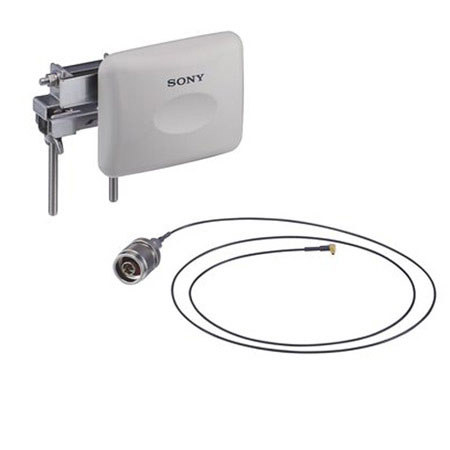
Selecting the best antenna involves balancing technical specifications with practical considerations such as mounting options, weather resistance, and compatibility with your existing wireless gear. Many users find that upgrading to an external high gain antenna can dramatically reduce latency and boost download speeds, especially in areas at the edge of a cell tower’s coverage or in homes with thick walls and challenging layouts. For those setting up point-to-point links—say, beaming internet from a main house to a guest cottage—directional high gain antennas are the industry standard for reliable, high-speed bridging. As wireless demands continue to grow, investing in the right antenna can transform your connectivity experience, whether you’re hosting a backyard barbecue, streaming a movie under the stars, or keeping your smart devices online during seasonal transitions. For a broader selection and more information about available models and types, explore our full range of Wireless Antennas to find the perfect solution for your needs.
When considering a high gain wireless antenna, it’s essential to think about both the physical layout of your space and your specific connectivity goals. Directional antennas, such as Yagi or log-periodic dipole arrays (LPDA), are ideal for targeting a distant Wi-Fi source or cellular tower, making them a popular choice for rural homes or properties with multiple buildings. These require precise alignment but offer the highest gains, often measured between 8 dBi and 18 dBi or more, compared to the modest 2-3 dBi found in standard factory antennas. For those who need to broadcast a signal evenly across a large area—like a multi-story home, a summer campsite, or a busy office—omnidirectional antennas provide 360-degree coverage, though with a slightly reduced range compared to their directional counterparts. It’s worth noting that as the gain increases, the coverage pattern flattens, extending reach horizontally but reducing signal strength directly above or below the antenna. This trade-off is important if you need to cover multiple floors or outdoor spaces with varying elevations. High gain wireless antennas also make thoughtful gifts for tech enthusiasts, remote workers, or anyone who’s struggled with unreliable connectivity—especially as families gather and devices multiply during the busy summer and early fall months.
Selecting the best antenna involves balancing technical specifications with practical considerations such as mounting options, weather resistance, and compatibility with your existing wireless gear. Many users find that upgrading to an external high gain antenna can dramatically reduce latency and boost download speeds, especially in areas at the edge of a cell tower’s coverage or in homes with thick walls and challenging layouts. For those setting up point-to-point links—say, beaming internet from a main house to a guest cottage—directional high gain antennas are the industry standard for reliable, high-speed bridging. As wireless demands continue to grow, investing in the right antenna can transform your connectivity experience, whether you’re hosting a backyard barbecue, streaming a movie under the stars, or keeping your smart devices online during seasonal transitions. For a broader selection and more information about available models and types, explore our full range of Wireless Antennas to find the perfect solution for your needs.