
Hobby Telescopes
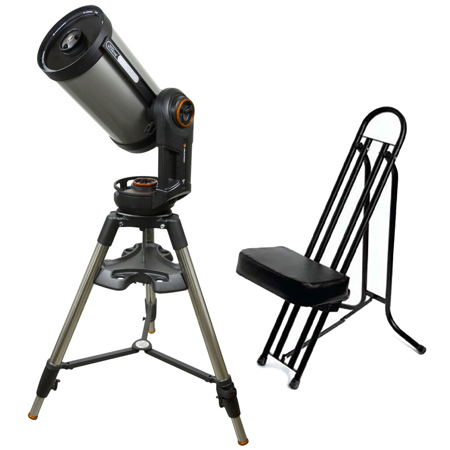
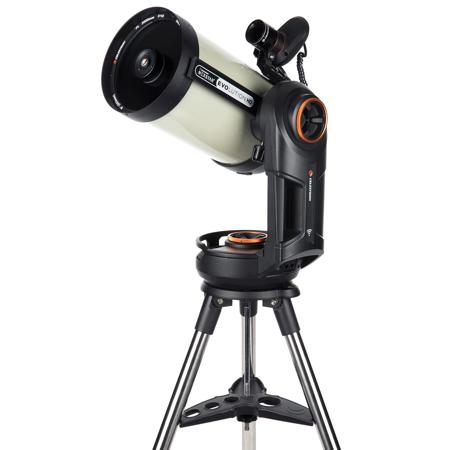
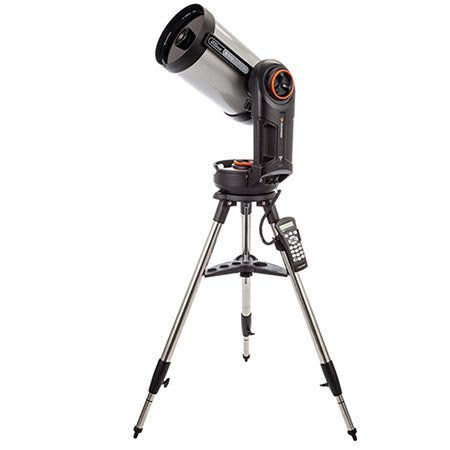
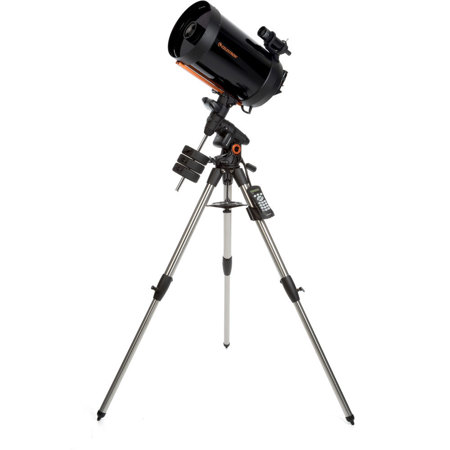
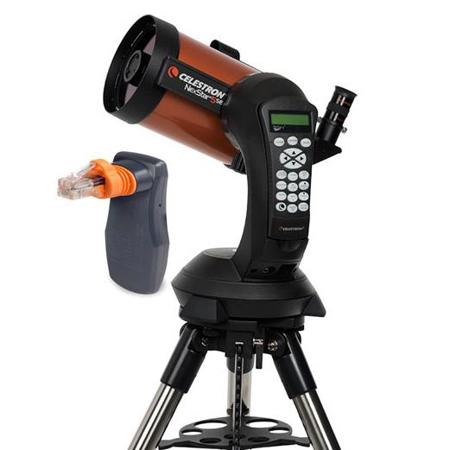
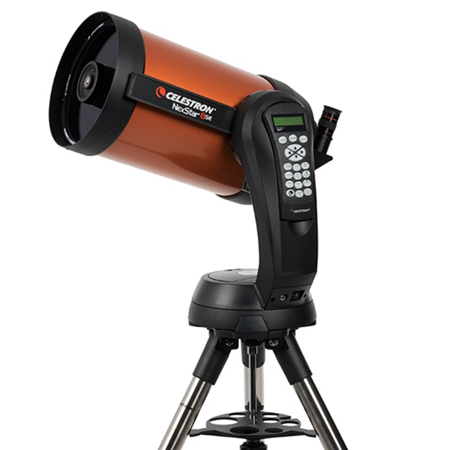
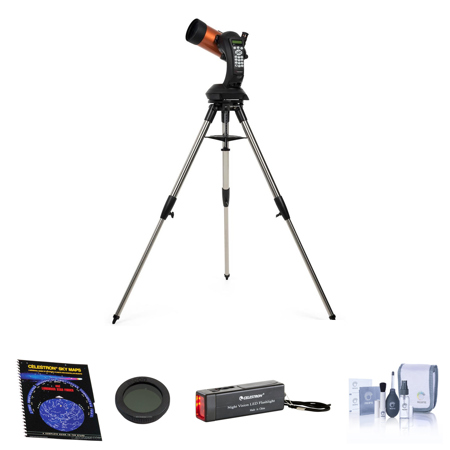
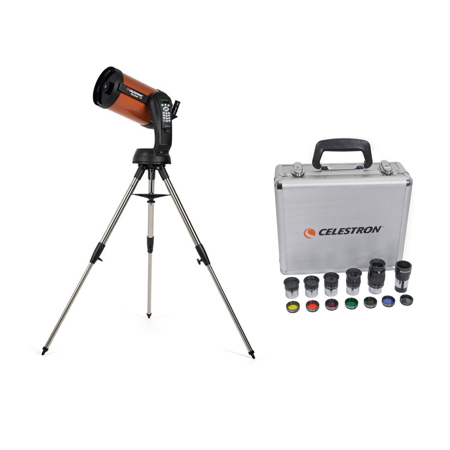
Exploring the night sky with a hobby telescope is a pastime that appeals to people of all ages and backgrounds, offering a blend of discovery, relaxation, and wonder. Whether you’re a beginner eager to catch your first glimpse of Saturn’s rings or an experienced enthusiast chasing faint galaxies at the edge of visibility, the right telescope can open up a universe of possibilities. Hobby telescopes range from classic optical designs that invite hands-on exploration to innovative smart models that integrate seamlessly with smartphones and tablets, making stargazing more accessible than ever. As the evenings grow longer and the air turns crisp, many find themselves drawn outdoors, where the Milky Way stretches overhead and the constellations shift with the seasons. This is a perfect window for both solo exploration and shared experiences—setting up a telescope at a family gathering, a late-summer camping trip, or during the quieter nights of fall can spark curiosity and create lasting memories. Telescopes also make thoughtful gifts for aspiring astronomers, students, and anyone with a sense of curiosity, providing an inspiring way to connect with science and the cosmos.
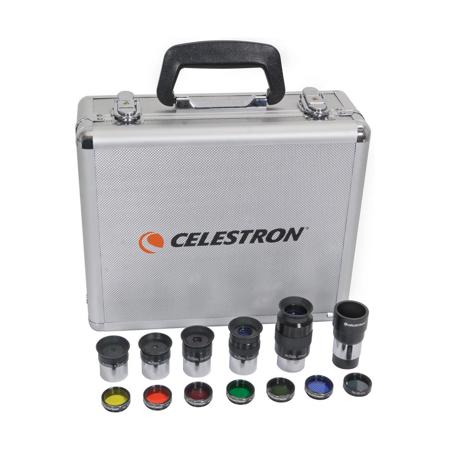
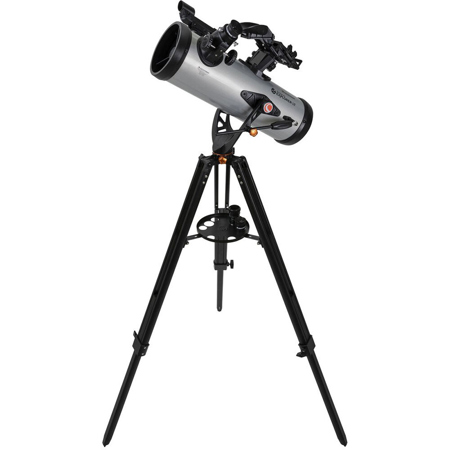
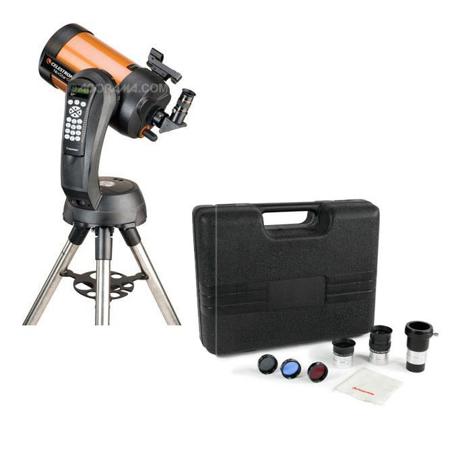
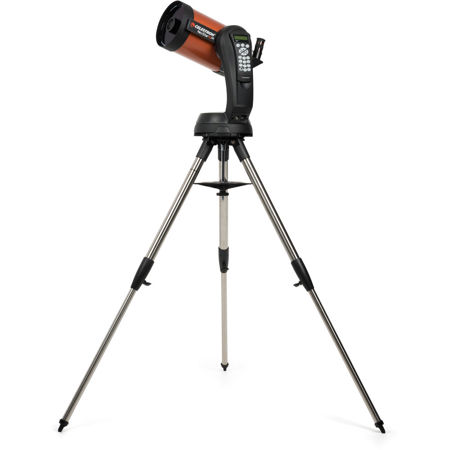
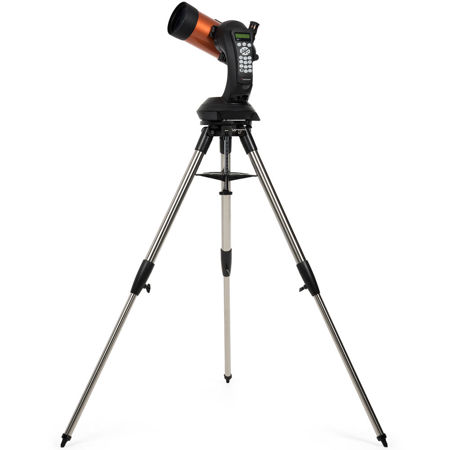
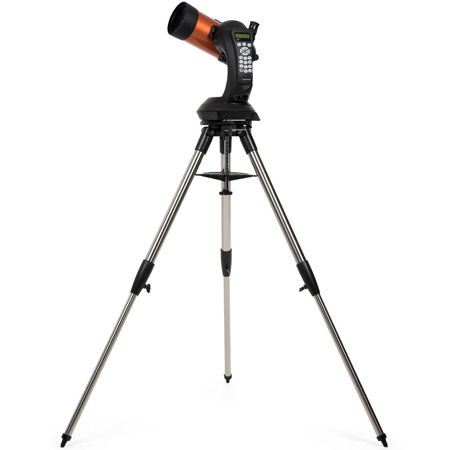
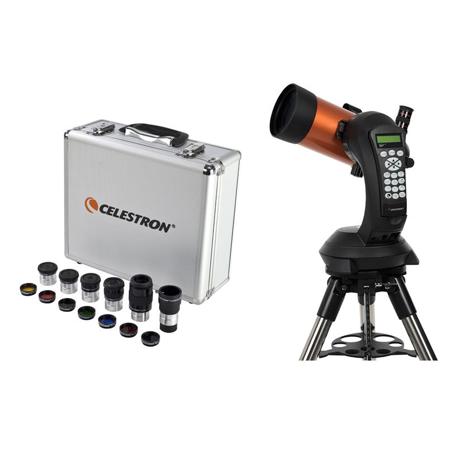
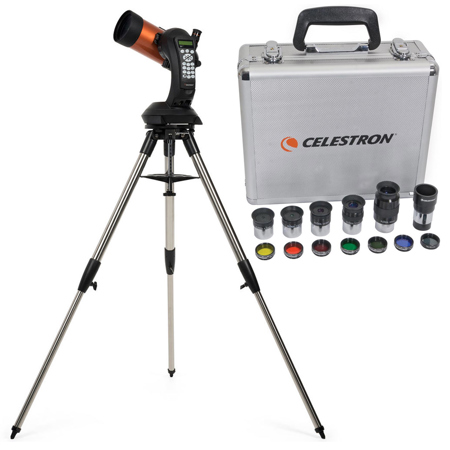
Selecting a hobby telescope involves considering how you want to experience the sky. Traditional telescopes with eyepieces offer a tactile, immersive connection, allowing you to manually track planets, the Moon, and deep-sky objects like nebulae and star clusters. These models are ideal for those who enjoy learning the constellations and fine-tuning their observing skills. On the other hand, smart telescopes have transformed the hobby for many by incorporating app-based controls, automatic object finding, and even built-in astrophotography capabilities. These features are especially helpful for beginners or families, removing much of the guesswork and letting you focus on the awe of discovery. Portability is another important consideration—compact tabletop reflectors are easy to transport and set up in a backyard or park, while larger Dobsonian models provide brighter, more detailed views for those willing to dedicate a bit more space. As you browse, think about your observing goals: some telescopes excel at wide-field views of star clusters and the Milky Way, while others are better suited for close-up planetary detail or capturing images to share with friends. For those who find their interest growing, exploring more advanced options is always possible, with resources available on our Professional Astronomy Telescopes page.
No matter your level of experience, a hobby telescope invites you to slow down and reconnect with the rhythms of the natural world. There’s a quiet satisfaction in learning to navigate the night sky, recognizing the subtle shift of Jupiter’s moons or the fleeting passage of a meteor shower. For families, setting up a telescope becomes a shared ritual—bundling up against the evening chill, passing around a star chart, and taking turns at the eyepiece as each new object comes into focus. For solo observers, it’s a chance to find solitude and perspective under a dome of stars, whether from a city balcony or a remote hillside. The versatility of modern telescopes ensures there’s an option for every lifestyle, from quick grab-and-go setups for spontaneous sessions to more robust systems for those who want to delve deeper. As you browse our selection, imagine the possibilities—crisp autumn nights spent tracking the Andromeda Galaxy, or warm summer evenings exploring the craters of the Moon. With the right telescope, stargazing becomes more than a hobby; it’s an invitation to curiosity and wonder that can last a lifetime.
Selecting a hobby telescope involves considering how you want to experience the sky. Traditional telescopes with eyepieces offer a tactile, immersive connection, allowing you to manually track planets, the Moon, and deep-sky objects like nebulae and star clusters. These models are ideal for those who enjoy learning the constellations and fine-tuning their observing skills. On the other hand, smart telescopes have transformed the hobby for many by incorporating app-based controls, automatic object finding, and even built-in astrophotography capabilities. These features are especially helpful for beginners or families, removing much of the guesswork and letting you focus on the awe of discovery. Portability is another important consideration—compact tabletop reflectors are easy to transport and set up in a backyard or park, while larger Dobsonian models provide brighter, more detailed views for those willing to dedicate a bit more space. As you browse, think about your observing goals: some telescopes excel at wide-field views of star clusters and the Milky Way, while others are better suited for close-up planetary detail or capturing images to share with friends. For those who find their interest growing, exploring more advanced options is always possible, with resources available on our Professional Astronomy Telescopes page.
No matter your level of experience, a hobby telescope invites you to slow down and reconnect with the rhythms of the natural world. There’s a quiet satisfaction in learning to navigate the night sky, recognizing the subtle shift of Jupiter’s moons or the fleeting passage of a meteor shower. For families, setting up a telescope becomes a shared ritual—bundling up against the evening chill, passing around a star chart, and taking turns at the eyepiece as each new object comes into focus. For solo observers, it’s a chance to find solitude and perspective under a dome of stars, whether from a city balcony or a remote hillside. The versatility of modern telescopes ensures there’s an option for every lifestyle, from quick grab-and-go setups for spontaneous sessions to more robust systems for those who want to delve deeper. As you browse our selection, imagine the possibilities—crisp autumn nights spent tracking the Andromeda Galaxy, or warm summer evenings exploring the craters of the Moon. With the right telescope, stargazing becomes more than a hobby; it’s an invitation to curiosity and wonder that can last a lifetime.