


Home Studio Foam Panels
Transforming a room into a creative sanctuary often begins with managing the acoustics, and home studio foam panels have become an essential part of that journey for musicians, podcasters, content creators, and audio engineers alike. Whether you’re carving out a recording corner in a bustling apartment or dedicating an entire basement to your craft, the right foam panels can make a world of difference. As the winter months settle in and outdoor noise seems to echo a bit more through closed windows, February is the perfect time to focus on refining your indoor sound environment. The dense, textured surfaces of foam panels absorb unwanted reflections and reverberations, allowing every note, lyric, or spoken word to come through with clarity. This isn’t just about achieving professional-grade sound—it’s about creating a space where creativity flows without distraction, where late-night inspiration isn’t lost to the hum of a heater or the faint rumble of traffic outside.
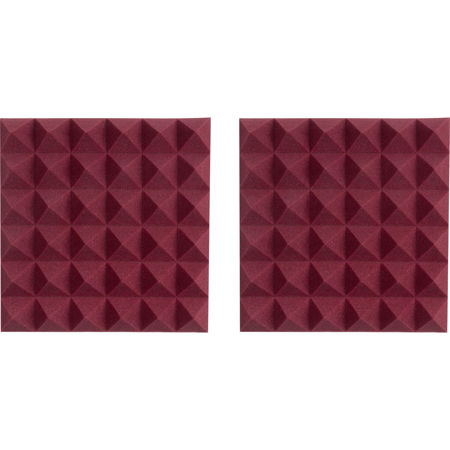
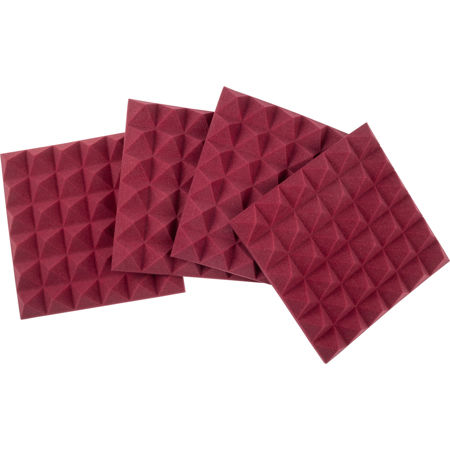
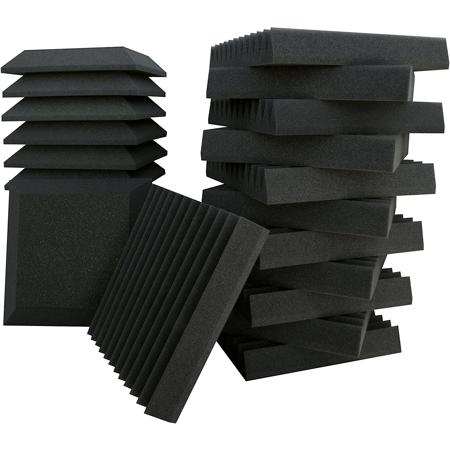
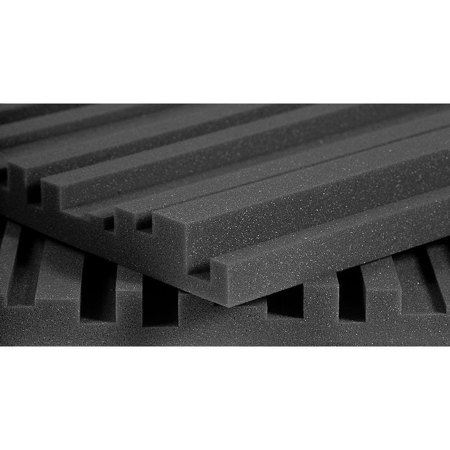
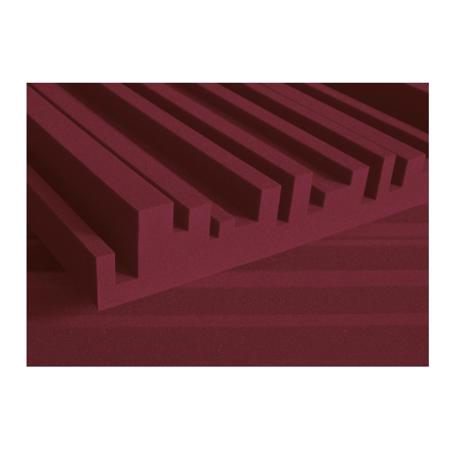
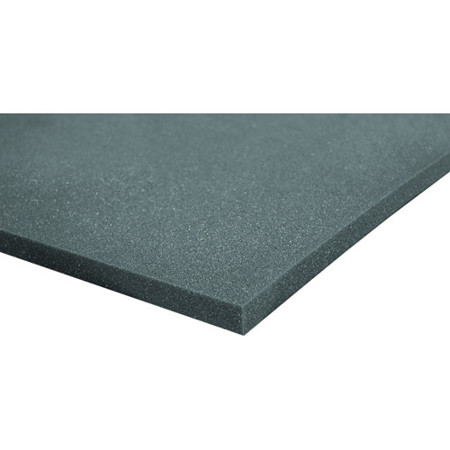
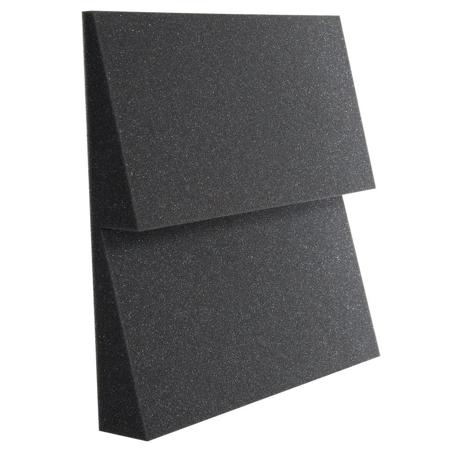
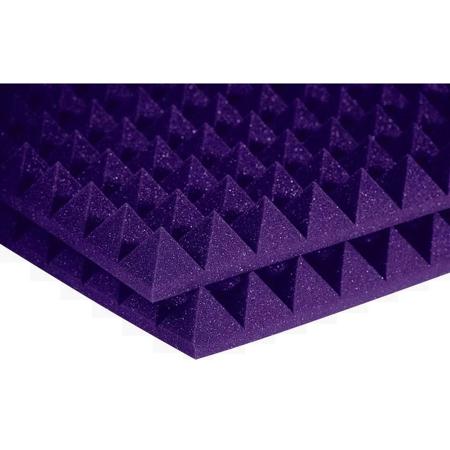
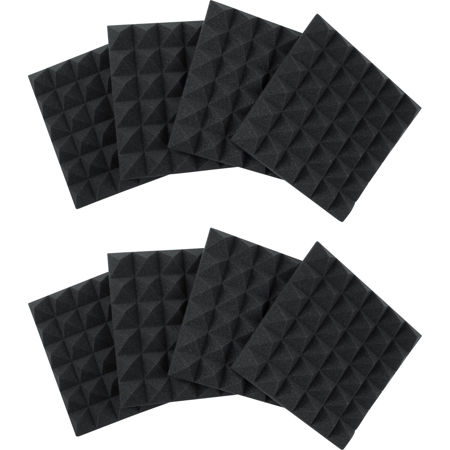
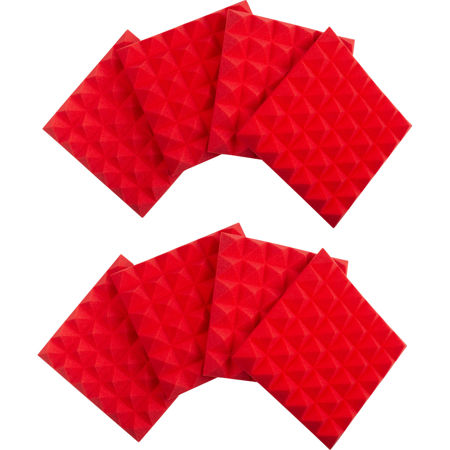
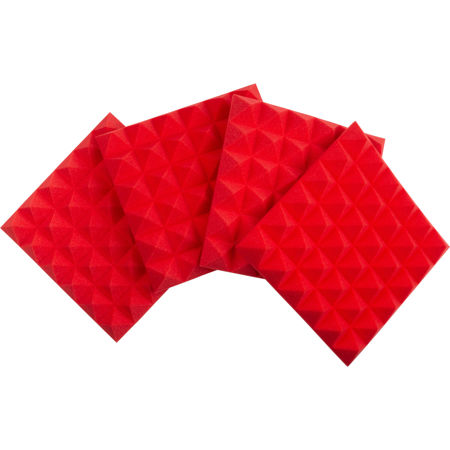
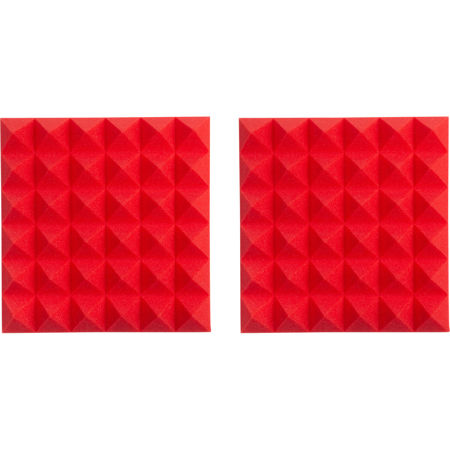
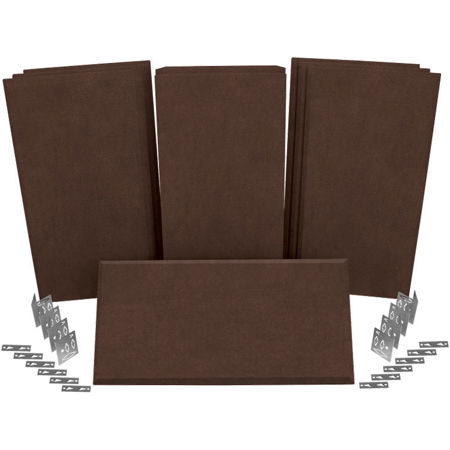
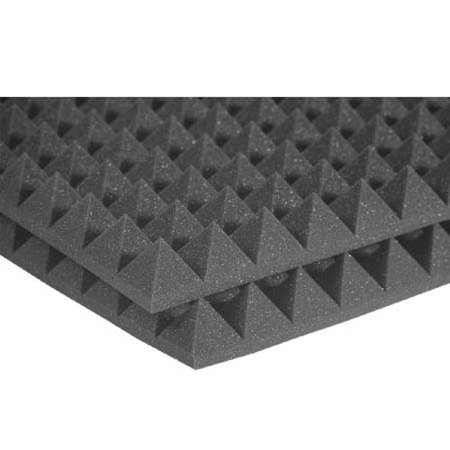
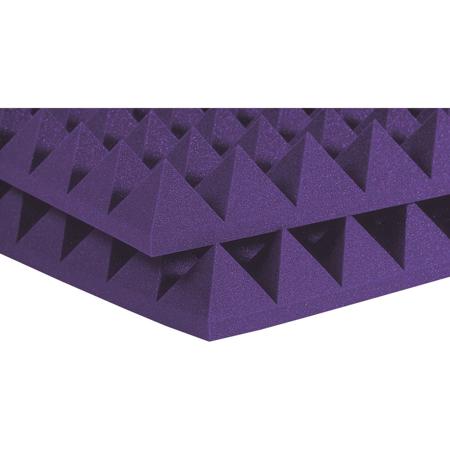
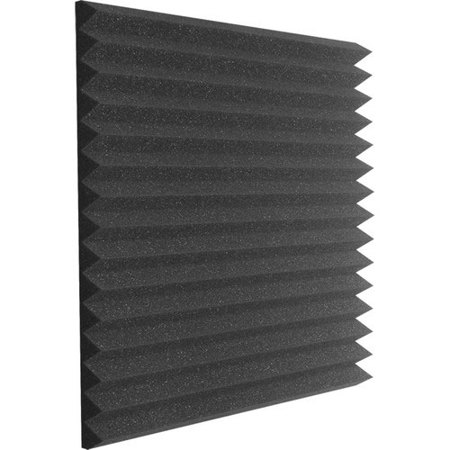
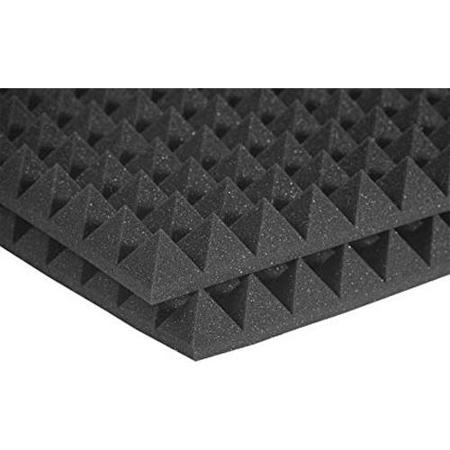
Selecting the right foam panels involves a blend of artistry and practicality. For those just starting out, the sheer variety of shapes—wedges, pyramids, egg crates, and more—can be both exciting and overwhelming. Each design serves a purpose: some scatter high frequencies for a more balanced sound, while others target bass build-up in corners or along walls. The size of your space, the type of projects you’re working on, and even your aesthetic preferences all play a role in the decision-making process. In smaller rooms, strategic placement of a few well-chosen panels can tame harsh echoes and create a controlled environment for mixing or recording vocals. Larger studios may benefit from layering different types of foam to address complex acoustic challenges. And for those who value style as much as sound, modern foam panels come in an array of colors and patterns that can complement any décor, turning functional sound treatment into a design statement. These panels also make thoughtful gifts for the creators in your life—imagine the delight of a budding musician or a podcasting friend when they unwrap a set of panels that instantly elevate their setup. It’s a gesture that says, “I support your passion,” and it’s especially meaningful during the quieter, contemplative days of late winter when creative projects often take center stage.
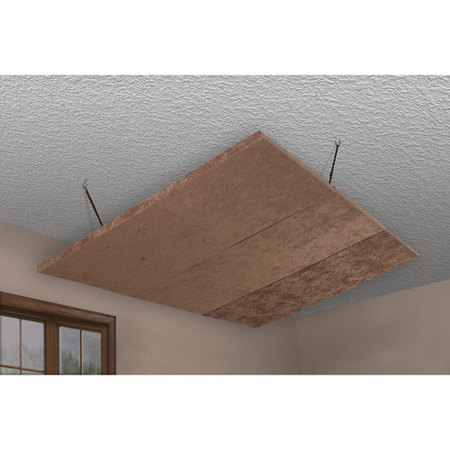
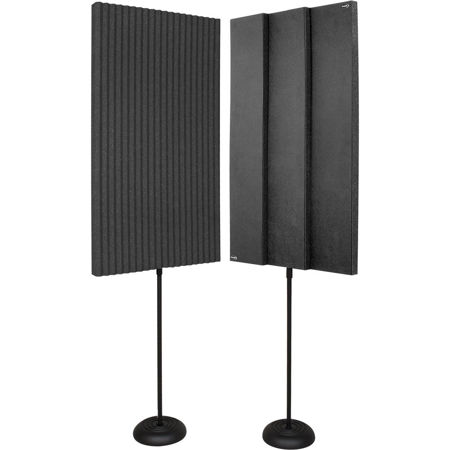
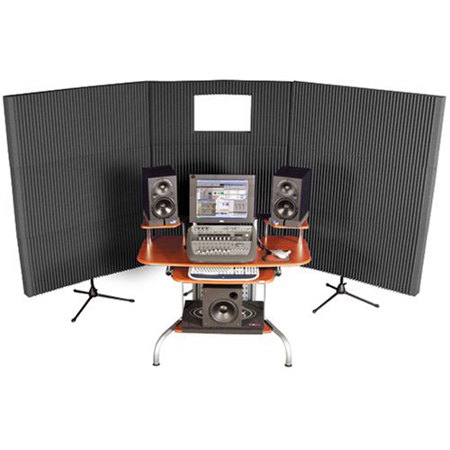
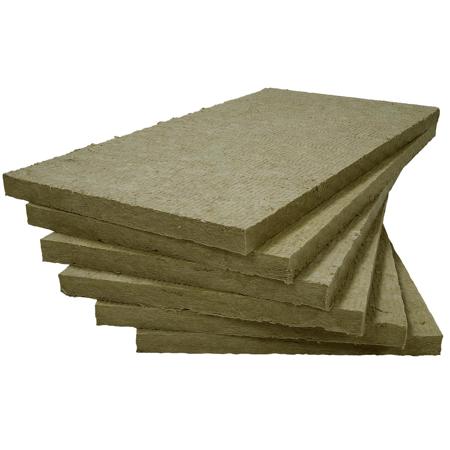
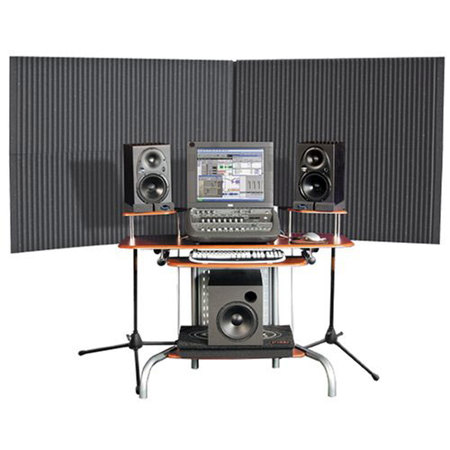
Beyond the basics, many enthusiasts discover that combining foam panels with other acoustic treatments can yield even better results. While foam excels at absorbing mid and high frequencies, pairing it with solutions like diffusers or bass traps can help achieve a truly balanced soundscape. For those looking to dive deeper into the world of acoustic control, exploring options such as Acoustic Studio Panels can provide additional layers of refinement and sophistication. As you experiment with placement—perhaps starting with a few panels behind your monitors or in the corners where sound tends to accumulate—you’ll begin to notice subtle yet impactful changes. The room feels quieter, your recordings sound cleaner, and the creative process becomes more immersive. This attention to detail not only enhances your own projects but also ensures that anyone who steps into your home studio, whether a collaborator or a client, is greeted by an environment that inspires confidence and creativity. Investing in quality foam panels is more than just a technical upgrade; it’s a commitment to your craft, a way to honor your work, and a step toward building a space where every sound matters.
Selecting the right foam panels involves a blend of artistry and practicality. For those just starting out, the sheer variety of shapes—wedges, pyramids, egg crates, and more—can be both exciting and overwhelming. Each design serves a purpose: some scatter high frequencies for a more balanced sound, while others target bass build-up in corners or along walls. The size of your space, the type of projects you’re working on, and even your aesthetic preferences all play a role in the decision-making process. In smaller rooms, strategic placement of a few well-chosen panels can tame harsh echoes and create a controlled environment for mixing or recording vocals. Larger studios may benefit from layering different types of foam to address complex acoustic challenges. And for those who value style as much as sound, modern foam panels come in an array of colors and patterns that can complement any décor, turning functional sound treatment into a design statement. These panels also make thoughtful gifts for the creators in your life—imagine the delight of a budding musician or a podcasting friend when they unwrap a set of panels that instantly elevate their setup. It’s a gesture that says, “I support your passion,” and it’s especially meaningful during the quieter, contemplative days of late winter when creative projects often take center stage.
Beyond the basics, many enthusiasts discover that combining foam panels with other acoustic treatments can yield even better results. While foam excels at absorbing mid and high frequencies, pairing it with solutions like diffusers or bass traps can help achieve a truly balanced soundscape. For those looking to dive deeper into the world of acoustic control, exploring options such as Acoustic Studio Panels can provide additional layers of refinement and sophistication. As you experiment with placement—perhaps starting with a few panels behind your monitors or in the corners where sound tends to accumulate—you’ll begin to notice subtle yet impactful changes. The room feels quieter, your recordings sound cleaner, and the creative process becomes more immersive. This attention to detail not only enhances your own projects but also ensures that anyone who steps into your home studio, whether a collaborator or a client, is greeted by an environment that inspires confidence and creativity. Investing in quality foam panels is more than just a technical upgrade; it’s a commitment to your craft, a way to honor your work, and a step toward building a space where every sound matters.