Industrial Cameras
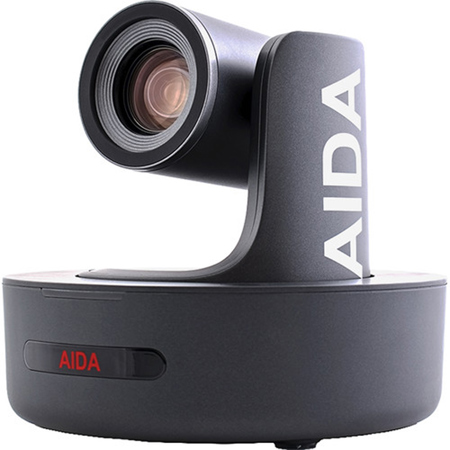
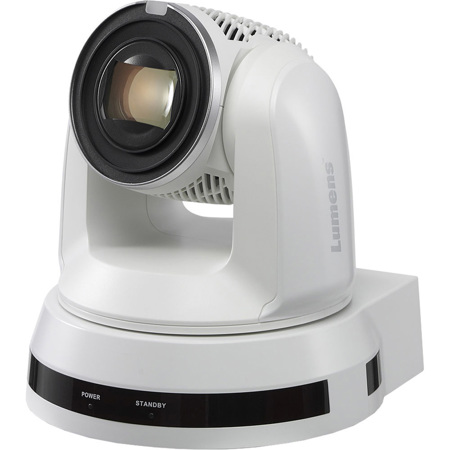
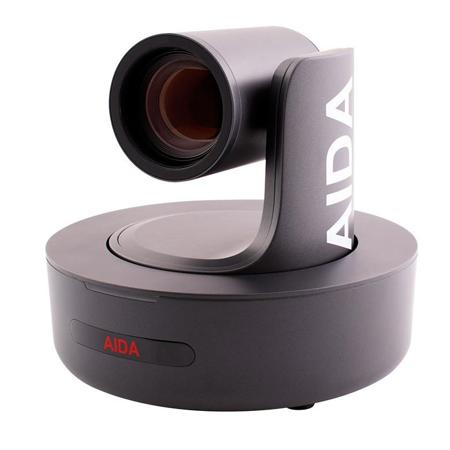
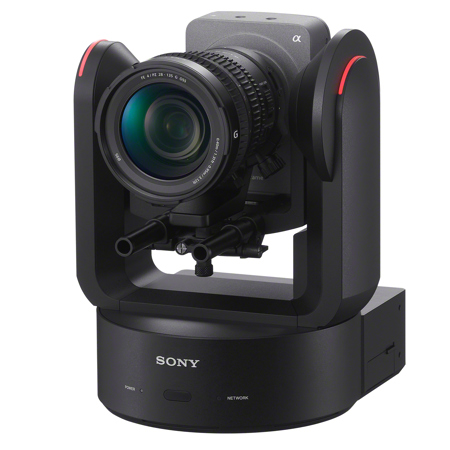
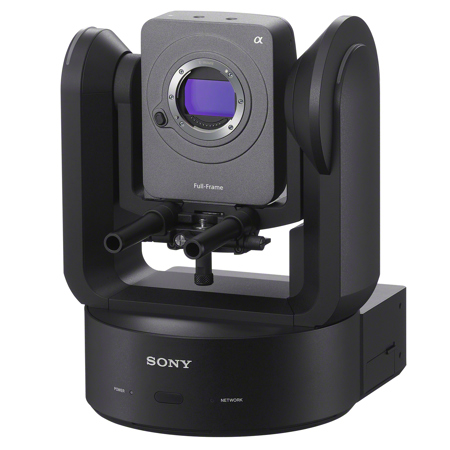
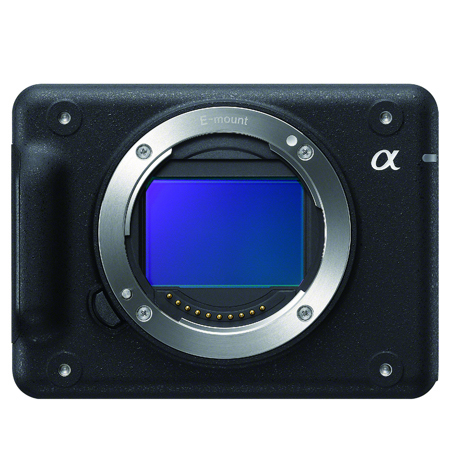
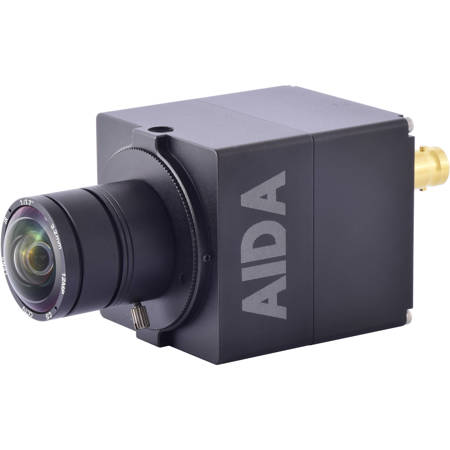
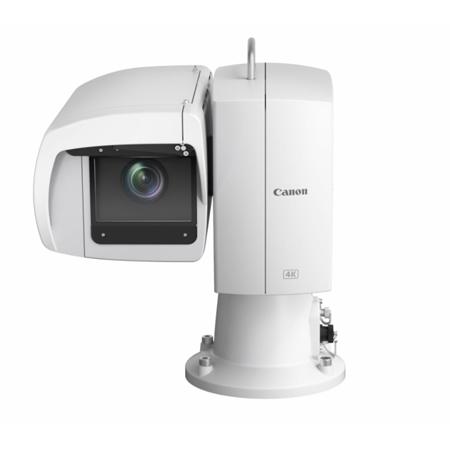
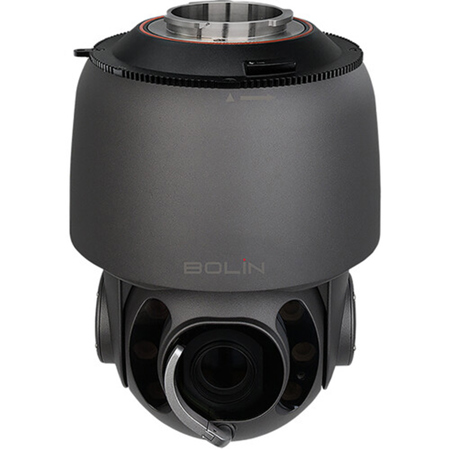
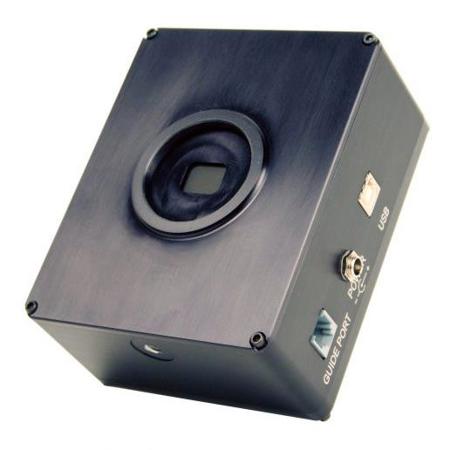
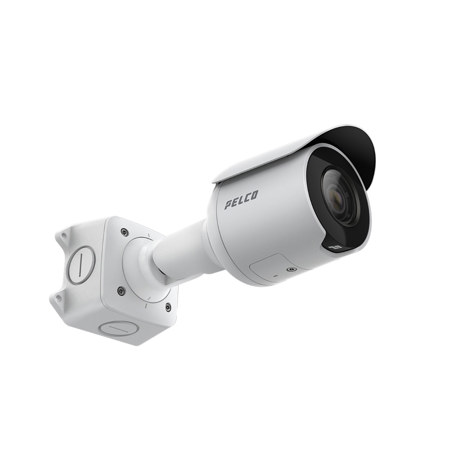
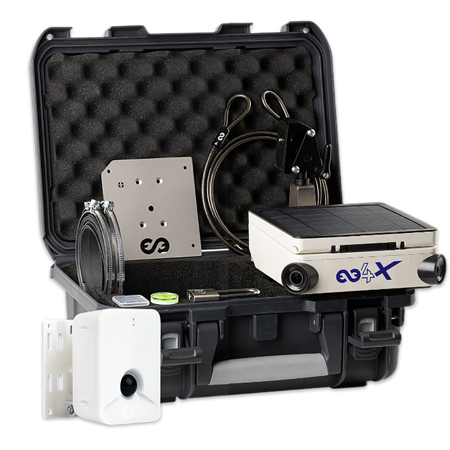
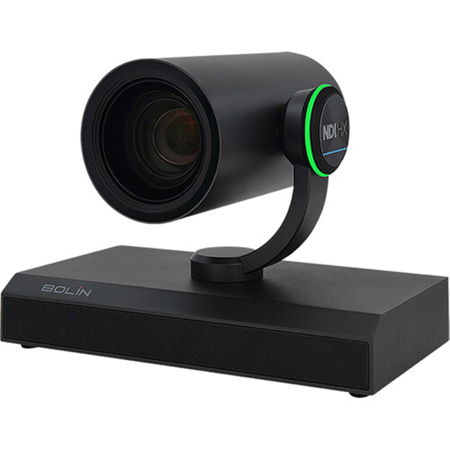
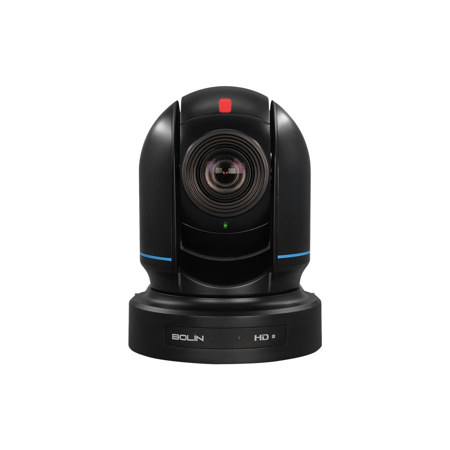
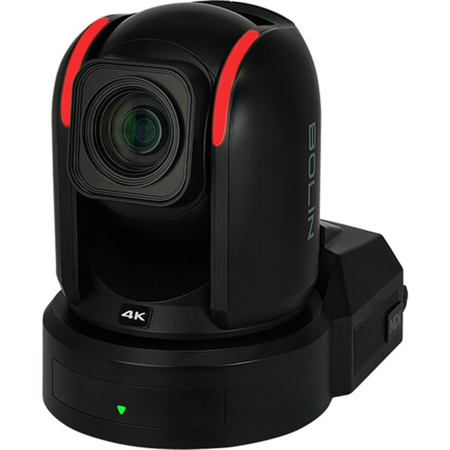
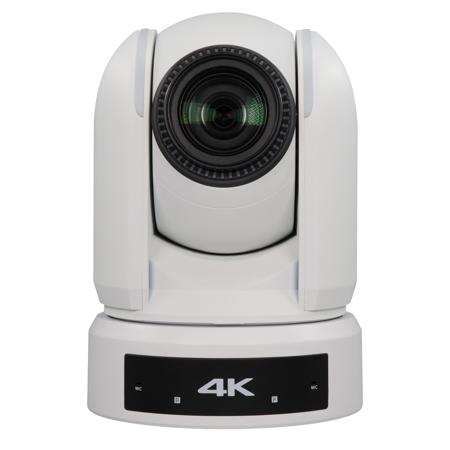
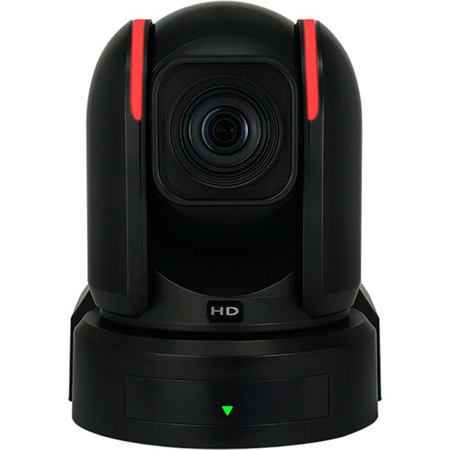
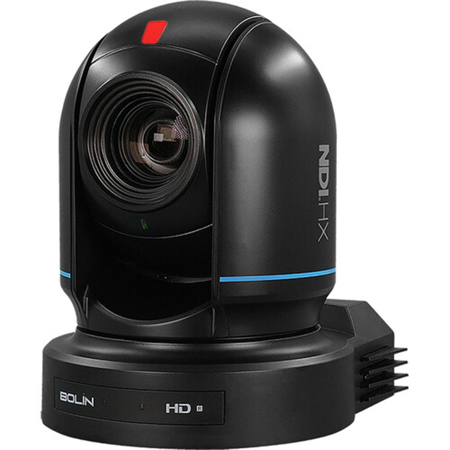
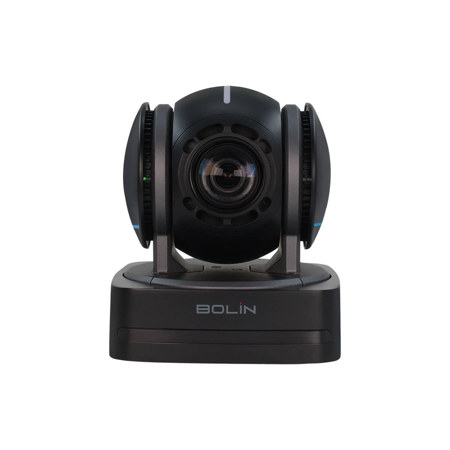
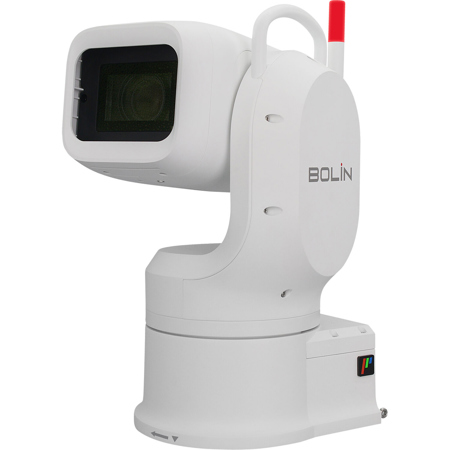
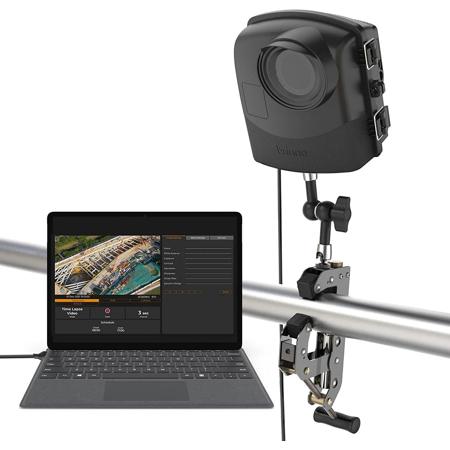
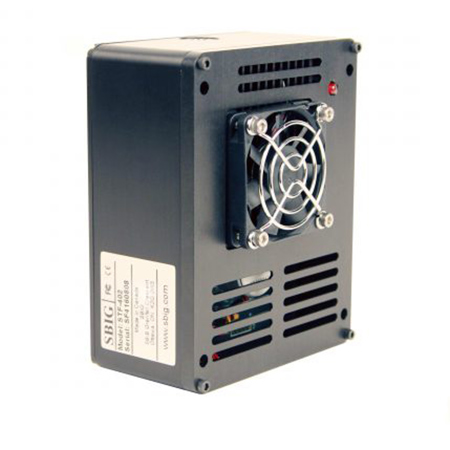
Industrial cameras stand at the intersection of innovation and necessity, forming the backbone of modern automation, quality assurance, and scientific research. Unlike traditional consumer cameras, these specialized devices are engineered for environments where precision, speed, and durability are paramount. Their robust, often IP67-rated enclosures withstand harsh conditions—ranging from extreme temperatures and high humidity to dust and constant vibration—making them indispensable in sectors like manufacturing, robotics, logistics, and intelligent traffic systems. The integration of global shutter sensors is a defining feature, ensuring that every pixel on the sensor is exposed simultaneously. This eliminates motion blur and distortion, capturing sharp, accurate images of fast-moving objects on assembly lines or in high-speed inspection processes. Whether it’s a robotic arm aligning components in real time, a conveyor system checking for microscopic defects, or an intelligent traffic system reading license plates and tracking vehicle speeds, industrial HD cameras consistently deliver the high-resolution, distortion-free imagery that these applications demand.
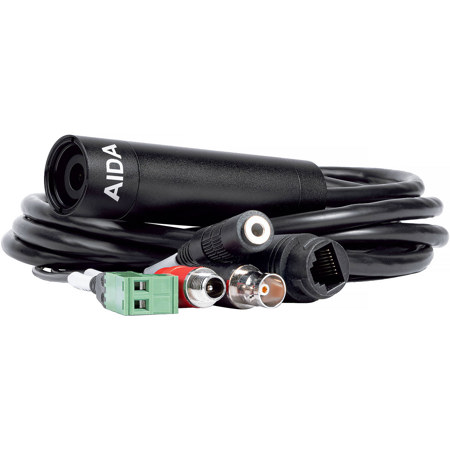
The versatility of industrial cameras extends far beyond factory floors. In medical and scientific settings, they are often mounted on microscopes or integrated into research equipment, enabling precise tracking and documentation of microscopic processes. Their advanced sensors—ranging from standard visible light CMOS to specialized short-wave infrared (SWIR) options—allow for the inspection of hidden defects, internal structures, or even thermal characteristics, which is critical in fields like electronics manufacturing, food processing, and pharmaceuticals. These cameras are also designed for seamless integration into complex systems, utilizing standardized machine vision interfaces such as GigE Vision, USB3 Vision, or CoaXPress. These protocols ensure lossless data transfer, low latency, and real-time external trigger control, which are essential for high-speed, automated environments. For professionals tasked with maintaining stringent quality standards or optimizing automated workflows, investing in the right industrial camera can mean the difference between operational excellence and costly downtime. During the warmer months, when factories often ramp up production or research labs take on new projects, the reliability and adaptability of these cameras become even more valuable, ensuring uninterrupted performance regardless of environmental changes.
Selecting the ideal industrial camera involves careful consideration of several factors. Resolution and frame rate are crucial for applications where fine detail and rapid image capture are necessary, such as semiconductor inspection or pharmaceutical packaging. Durability and ingress protection ratings matter in dusty, wet, or high-vibration settings, while the choice of sensor type and interface protocol can influence compatibility with existing automation systems. For those looking to upgrade their facility’s imaging capabilities, or for organizations seeking a reliable gift for a technical team or research department, industrial HD cameras represent a thoughtful and practical investment. These cameras are not only tools—they are enablers of progress, supporting industries as they innovate, automate, and achieve new levels of precision. To explore more options and understand how these cameras fit into broader imaging solutions, take a look at our curated collection of Industry Standard Cameras for further insights and product recommendations tailored to a wide range of professional needs.
The versatility of industrial cameras extends far beyond factory floors. In medical and scientific settings, they are often mounted on microscopes or integrated into research equipment, enabling precise tracking and documentation of microscopic processes. Their advanced sensors—ranging from standard visible light CMOS to specialized short-wave infrared (SWIR) options—allow for the inspection of hidden defects, internal structures, or even thermal characteristics, which is critical in fields like electronics manufacturing, food processing, and pharmaceuticals. These cameras are also designed for seamless integration into complex systems, utilizing standardized machine vision interfaces such as GigE Vision, USB3 Vision, or CoaXPress. These protocols ensure lossless data transfer, low latency, and real-time external trigger control, which are essential for high-speed, automated environments. For professionals tasked with maintaining stringent quality standards or optimizing automated workflows, investing in the right industrial camera can mean the difference between operational excellence and costly downtime. During the warmer months, when factories often ramp up production or research labs take on new projects, the reliability and adaptability of these cameras become even more valuable, ensuring uninterrupted performance regardless of environmental changes.
Selecting the ideal industrial camera involves careful consideration of several factors. Resolution and frame rate are crucial for applications where fine detail and rapid image capture are necessary, such as semiconductor inspection or pharmaceutical packaging. Durability and ingress protection ratings matter in dusty, wet, or high-vibration settings, while the choice of sensor type and interface protocol can influence compatibility with existing automation systems. For those looking to upgrade their facility’s imaging capabilities, or for organizations seeking a reliable gift for a technical team or research department, industrial HD cameras represent a thoughtful and practical investment. These cameras are not only tools—they are enablers of progress, supporting industries as they innovate, automate, and achieve new levels of precision. To explore more options and understand how these cameras fit into broader imaging solutions, take a look at our curated collection of Industry Standard Cameras for further insights and product recommendations tailored to a wide range of professional needs.