
Remote Trail Cameras
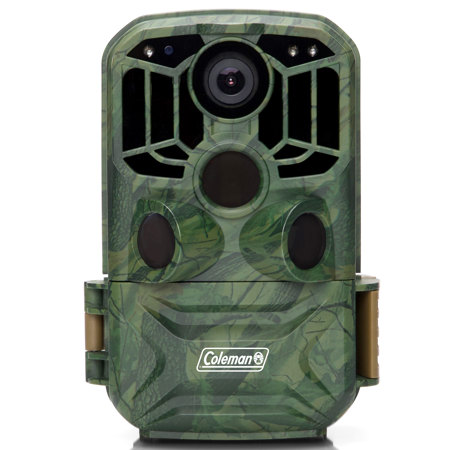
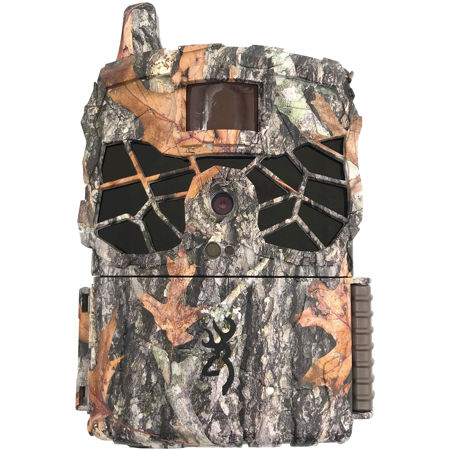
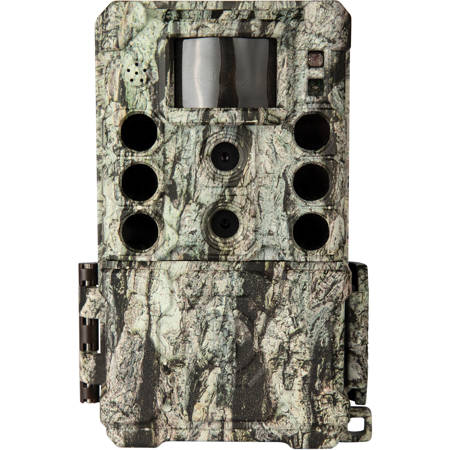
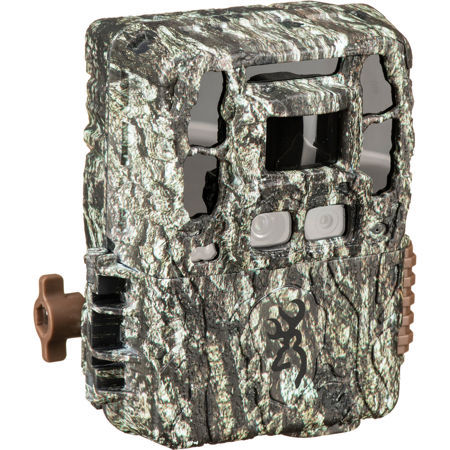
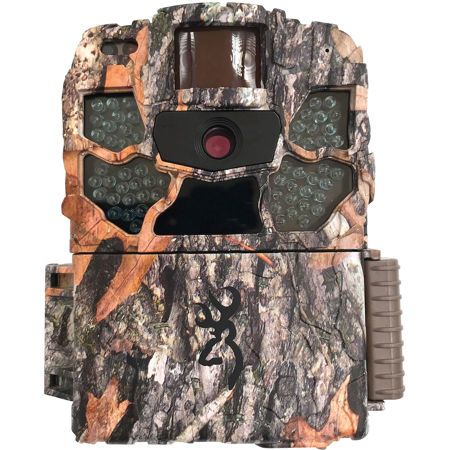
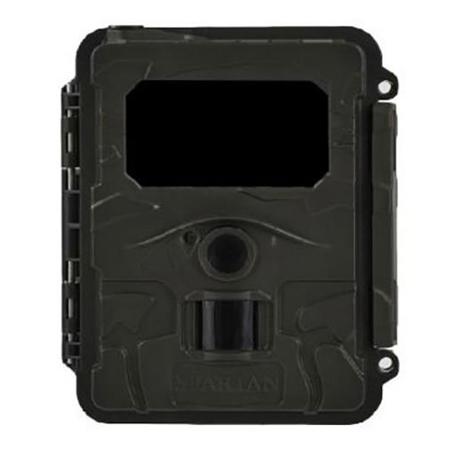
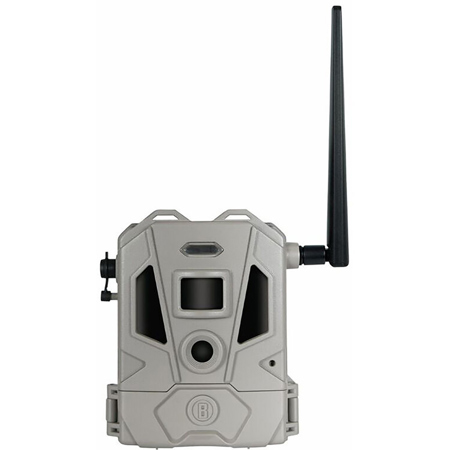
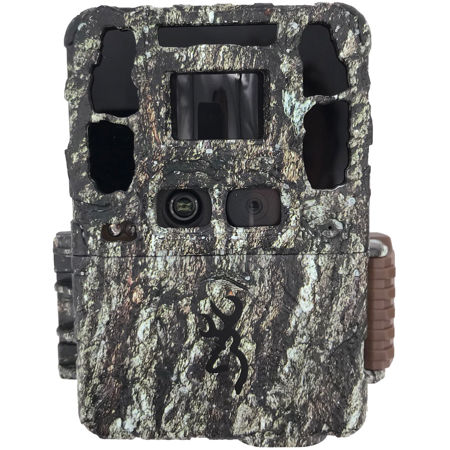
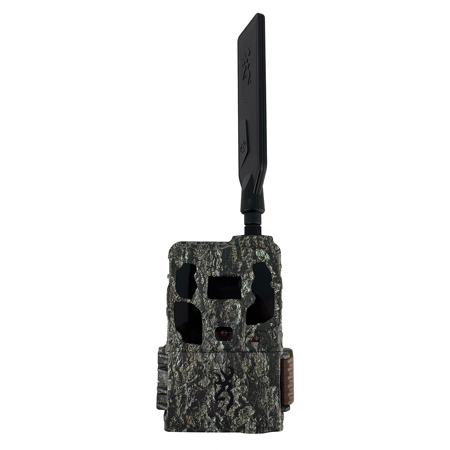
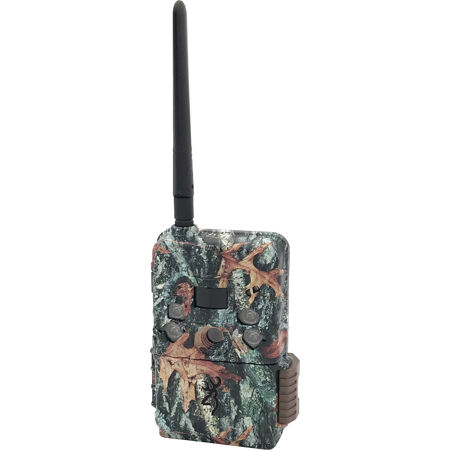
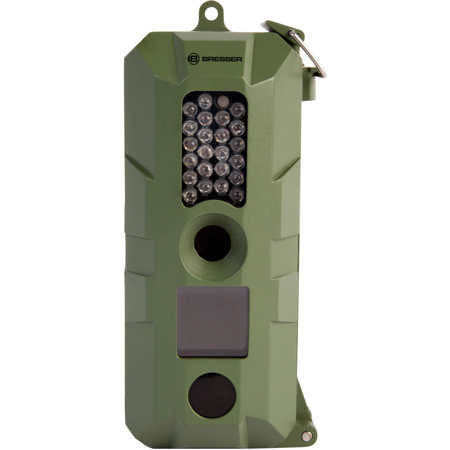
Remote trail cameras have transformed how outdoor enthusiasts, hunters, property owners, and wildlife researchers observe the natural world and protect their land. These innovative devices, often equipped with cellular or wireless connectivity, allow users to receive real-time photos and videos directly to their smartphones or computers, eliminating the need to physically retrieve SD cards from remote locations. As the days grow longer and wildlife activity increases with the warmer weather, remote trail cameras become invaluable tools for monitoring game trails, nesting sites, and even the perimeter of cabins or rural properties. Whether you’re tracking the movement of elusive deer, capturing candid shots of foxes and songbirds, or simply keeping an eye on your land while you’re away, the convenience and advanced features of modern remote trail cameras deliver peace of mind and a window into the unseen moments of nature.
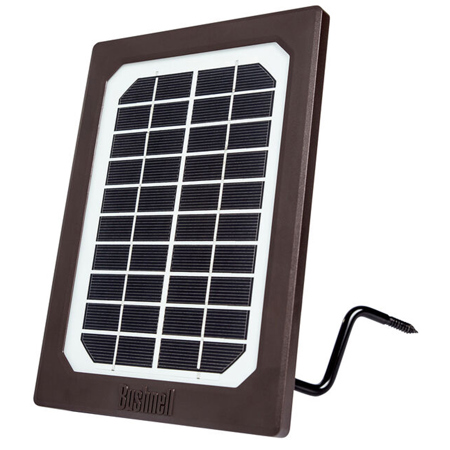
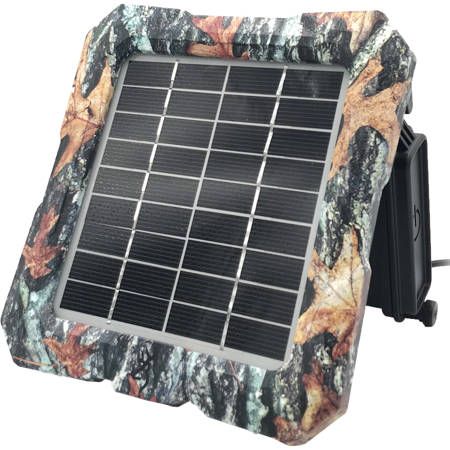
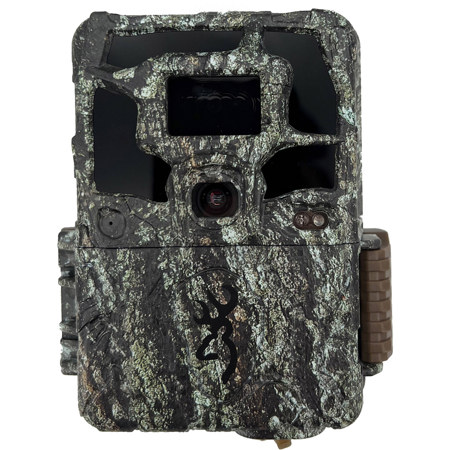
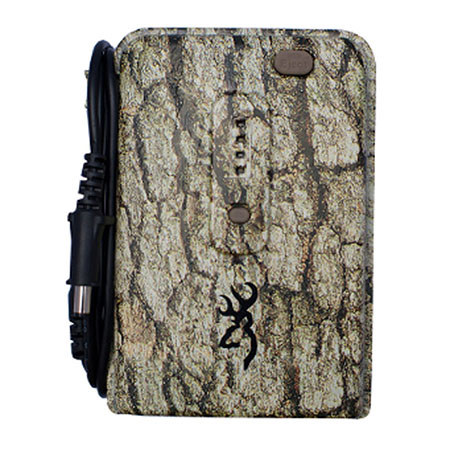
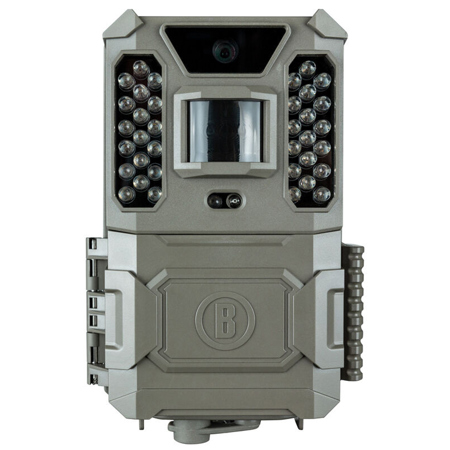
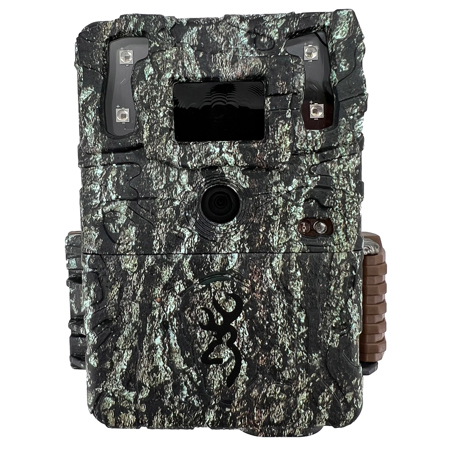
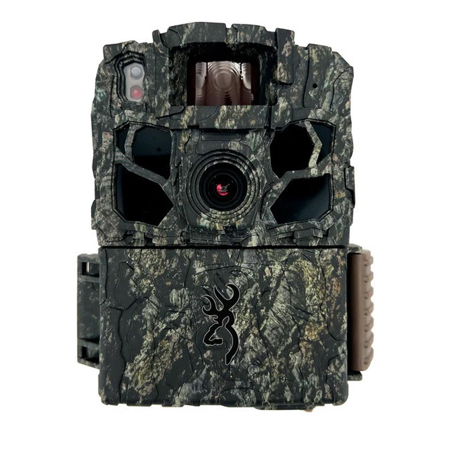
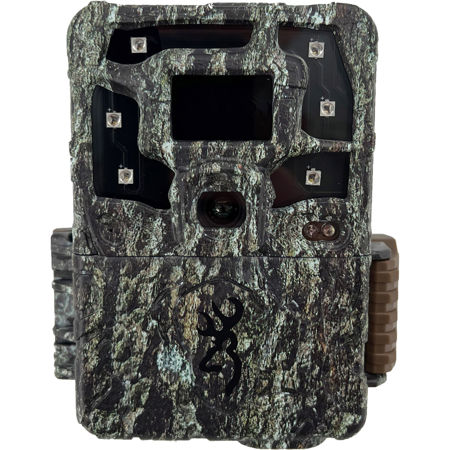
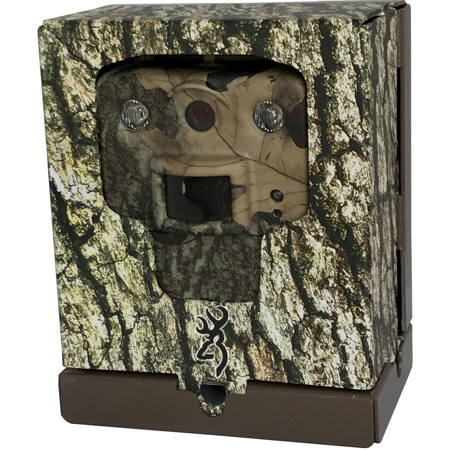
When considering the purchase of a remote trail camera, there are several key factors to keep in mind to ensure you select a model that fits your needs. Image quality is paramount, especially if you intend to identify animals or capture crisp details in low light. Many models, such as those inspired by the technology found in a bushnell trail cam or browning trail cameras, offer high-resolution sensors and advanced night vision capabilities. Battery life is another crucial consideration, particularly for cameras placed in hard-to-reach areas. Some users opt for solar panel accessories to extend operational time, reducing the frequency of maintenance trips. Cellular coverage is essential for remote transmission; be sure to check that your chosen camera supports reliable service in your area and understand the data plan requirements, which typically range from modest monthly fees to more comprehensive annual subscriptions. For those who want to monitor their property without relying on cellular networks, certain models offer long-range Wi-Fi connectivity, making them ideal for backyards or properties within range of a home router. The durability and weather resistance of the camera housing also matter, as summer storms and early autumn chills can test even the sturdiest gear.
Remote trail cameras make thoughtful gifts for outdoor lovers, hunters preparing for the upcoming season, or families interested in backyard wildlife. The thrill of receiving a notification and seeing a wild animal pass by, captured in perfect clarity thanks to features like bushnell night vision, is hard to match. These cameras are also invaluable for landowners seeking to deter trespassers or monitor livestock, offering an unobtrusive way to keep tabs on large properties. Researchers and conservationists appreciate the ability to gather data without disturbing habitats, while parents and educators can use these cameras to spark curiosity in young naturalists, fostering a lifelong appreciation for the outdoors. If you’re seeking more specialized options for hunting applications, our curated selection of Trail Cameras For Hunting offers additional resources and recommendations. Whether you’re setting up a network of browning trail cameras along a game trail or positioning a bushnell camera to watch over a remote gate, today’s remote trail cameras deliver flexibility, security, and a front-row seat to the wonders of nature—all from the convenience of your phone or computer.
When considering the purchase of a remote trail camera, there are several key factors to keep in mind to ensure you select a model that fits your needs. Image quality is paramount, especially if you intend to identify animals or capture crisp details in low light. Many models, such as those inspired by the technology found in a bushnell trail cam or browning trail cameras, offer high-resolution sensors and advanced night vision capabilities. Battery life is another crucial consideration, particularly for cameras placed in hard-to-reach areas. Some users opt for solar panel accessories to extend operational time, reducing the frequency of maintenance trips. Cellular coverage is essential for remote transmission; be sure to check that your chosen camera supports reliable service in your area and understand the data plan requirements, which typically range from modest monthly fees to more comprehensive annual subscriptions. For those who want to monitor their property without relying on cellular networks, certain models offer long-range Wi-Fi connectivity, making them ideal for backyards or properties within range of a home router. The durability and weather resistance of the camera housing also matter, as summer storms and early autumn chills can test even the sturdiest gear.
Remote trail cameras make thoughtful gifts for outdoor lovers, hunters preparing for the upcoming season, or families interested in backyard wildlife. The thrill of receiving a notification and seeing a wild animal pass by, captured in perfect clarity thanks to features like bushnell night vision, is hard to match. These cameras are also invaluable for landowners seeking to deter trespassers or monitor livestock, offering an unobtrusive way to keep tabs on large properties. Researchers and conservationists appreciate the ability to gather data without disturbing habitats, while parents and educators can use these cameras to spark curiosity in young naturalists, fostering a lifelong appreciation for the outdoors. If you’re seeking more specialized options for hunting applications, our curated selection of Trail Cameras For Hunting offers additional resources and recommendations. Whether you’re setting up a network of browning trail cameras along a game trail or positioning a bushnell camera to watch over a remote gate, today’s remote trail cameras deliver flexibility, security, and a front-row seat to the wonders of nature—all from the convenience of your phone or computer.