





Instrument Strings
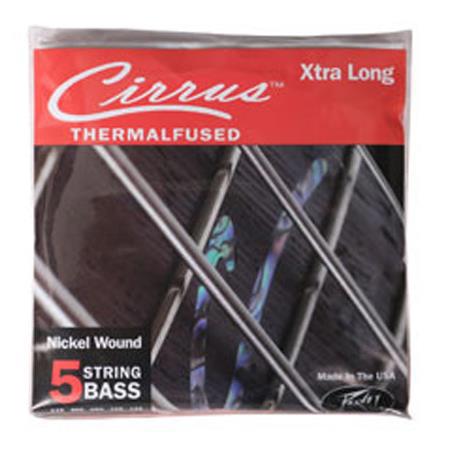
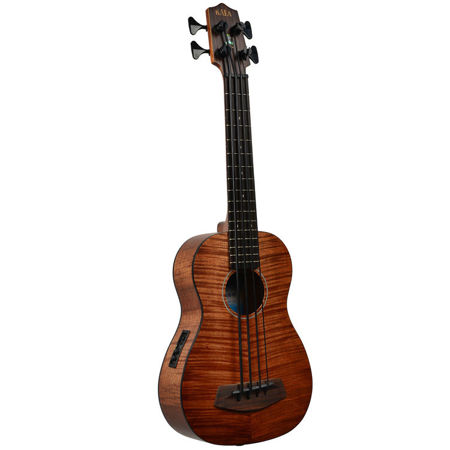
Instrument strings are the essential heart of any chordophone, from the smallest violin to the largest double bass, and their role in music is both foundational and transformative. Whether you are a seasoned performer preparing for the summer concert season, a student attending music camps, or a hobbyist looking to refresh your instrument for impromptu backyard jam sessions as the weather warms, the right set of strings can make all the difference. The unique voice of every string instrument—be it violin, viola, cello, double bass, guitar, ukulele, harp, banjo, piano, or dulcimer—relies on the subtle interplay between string material, gauge, and tension. Musicians often experiment with different types of strings to find the perfect match for their playing style and their instrument’s character. For bowed instruments like violins and cellos, the choice between synthetic, gut, or steel core strings can dramatically alter resonance and response, while plucked instruments such as guitars and ukuleles offer a spectrum of tonal possibilities through variations in winding, coating, and core construction. Even the humble piano, with its intricate network of steel and copper-wound strings, depends on fresh, high-quality strings to maintain clarity and sustain, especially during periods of heavy practice or frequent performance.
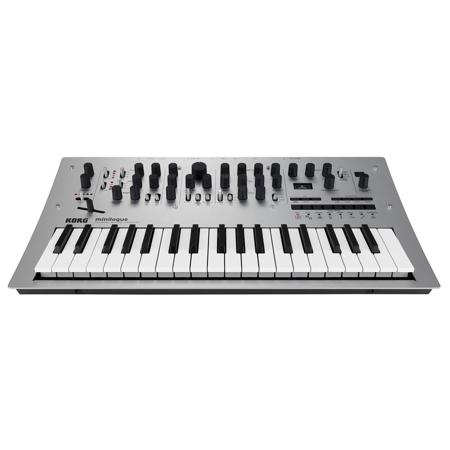
Selecting the right strings involves thoughtful consideration of several factors, including the instrument’s age and setup, the desired tone, and the player’s technique. For orchestral musicians, matching string gauge and tension to ensemble requirements can ensure seamless blending and projection in both indoor and outdoor venues. Jazz, folk, and bluegrass players often seek strings that deliver a bright, articulate sound with quick attack and reliable tuning stability—qualities that become especially important during festival season or extended outdoor gigs. Guitarists and bassists may look for coated or treated strings to withstand the rigors of humid summer nights, while harpists and pianists might prioritize longevity and consistent intonation for recitals and recording sessions. Instrument strings also make thoughtful gifts for students beginning a new school year, for teachers preparing classroom instruments, or for any musician embarking on a fresh creative journey. The simple act of restringing can breathe new life into a cherished instrument, inspiring practice and performance through the subtle transformation of sound and feel. And for those exploring the intersection of acoustic and digital music, integrating traditional string instruments with electronic setups is increasingly popular—pairing a freshly restrung guitar or violin with modern gear such as Midi Instruments opens up new realms of creative expression, whether in the studio or on stage.
As the seasons transition from the warmth of summer into the crispness of early fall, musicians often find themselves preparing for a slate of performances, lessons, and recording projects. This is a natural time to assess the condition of your instrument’s strings, as temperature and humidity shifts can subtly affect tuning stability and tonal balance. For educators, outfitting classroom sets of violins, guitars, or ukuleles with fresh strings ensures students have the best possible experience as they return to lessons or ensemble rehearsals. For professionals, the reliability of new strings can mean the difference between a flawless performance and an unexpected interruption. Even for casual players, the tactile pleasure of smooth, responsive strings can rekindle the joy of music-making, whether strumming by the campfire or practicing indoors as evenings grow cooler. No matter your instrument or musical aspirations, the right strings are a small investment that pays dividends in sound quality, playability, and inspiration—helping every note ring true, from the first warmup to the final encore.
Selecting the right strings involves thoughtful consideration of several factors, including the instrument’s age and setup, the desired tone, and the player’s technique. For orchestral musicians, matching string gauge and tension to ensemble requirements can ensure seamless blending and projection in both indoor and outdoor venues. Jazz, folk, and bluegrass players often seek strings that deliver a bright, articulate sound with quick attack and reliable tuning stability—qualities that become especially important during festival season or extended outdoor gigs. Guitarists and bassists may look for coated or treated strings to withstand the rigors of humid summer nights, while harpists and pianists might prioritize longevity and consistent intonation for recitals and recording sessions. Instrument strings also make thoughtful gifts for students beginning a new school year, for teachers preparing classroom instruments, or for any musician embarking on a fresh creative journey. The simple act of restringing can breathe new life into a cherished instrument, inspiring practice and performance through the subtle transformation of sound and feel. And for those exploring the intersection of acoustic and digital music, integrating traditional string instruments with electronic setups is increasingly popular—pairing a freshly restrung guitar or violin with modern gear such as Midi Instruments opens up new realms of creative expression, whether in the studio or on stage.
As the seasons transition from the warmth of summer into the crispness of early fall, musicians often find themselves preparing for a slate of performances, lessons, and recording projects. This is a natural time to assess the condition of your instrument’s strings, as temperature and humidity shifts can subtly affect tuning stability and tonal balance. For educators, outfitting classroom sets of violins, guitars, or ukuleles with fresh strings ensures students have the best possible experience as they return to lessons or ensemble rehearsals. For professionals, the reliability of new strings can mean the difference between a flawless performance and an unexpected interruption. Even for casual players, the tactile pleasure of smooth, responsive strings can rekindle the joy of music-making, whether strumming by the campfire or practicing indoors as evenings grow cooler. No matter your instrument or musical aspirations, the right strings are a small investment that pays dividends in sound quality, playability, and inspiration—helping every note ring true, from the first warmup to the final encore.