
IR Extender Cables
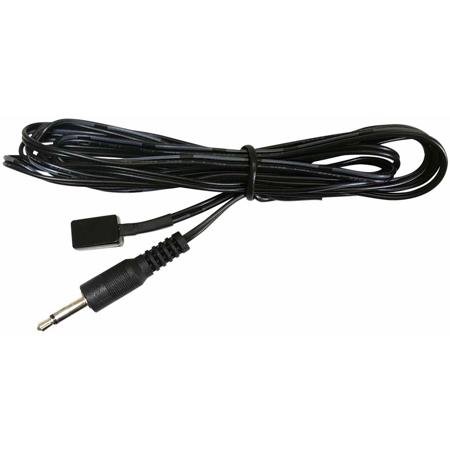
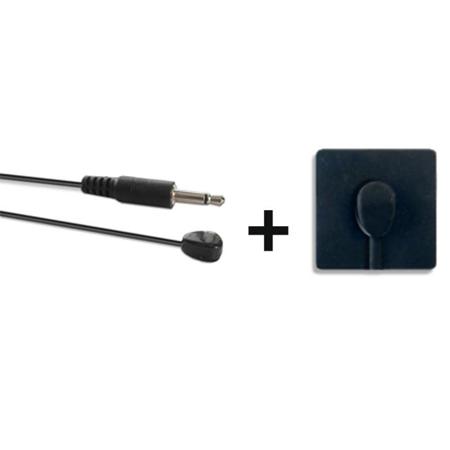
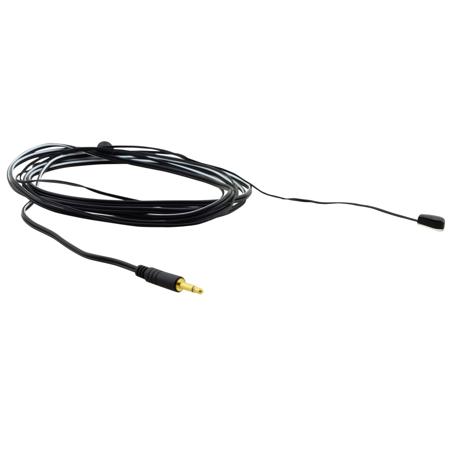
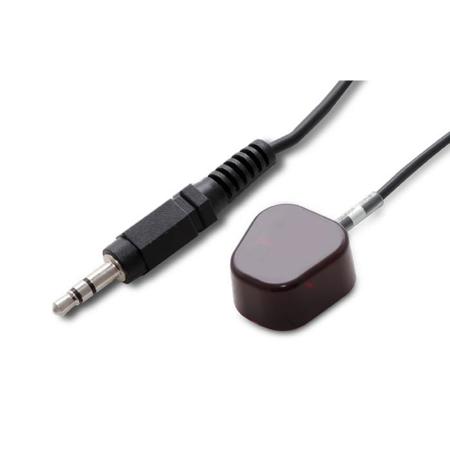
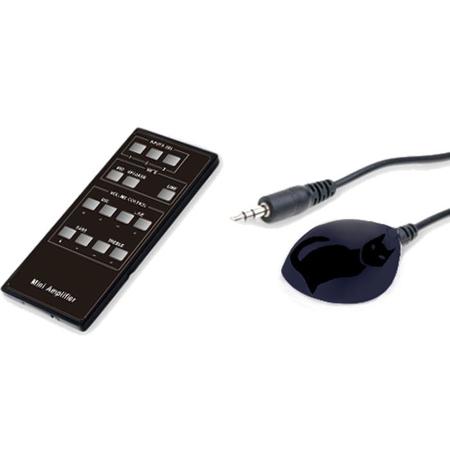
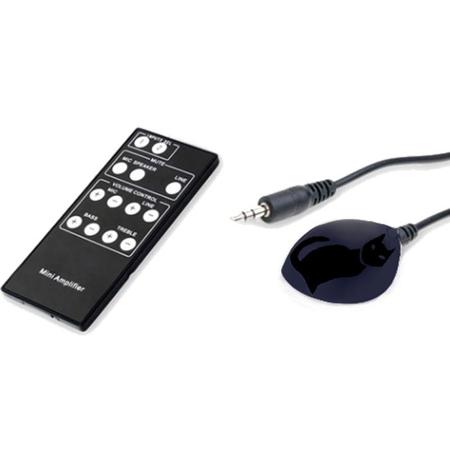
IR extender cables have become an essential accessory for anyone looking to streamline their home entertainment experience, especially as more devices find their way into cabinets, behind walls, or tucked out of sight for a cleaner, more organized living space. These cables are designed to transmit infrared signals from your remote control to devices that would otherwise be blocked by obstacles, such as AV receivers, cable boxes, Blu-ray players, or streaming consoles. The typical IR extender system comprises two main elements: an IR receiver cable, which is positioned in a visible spot to capture remote commands, and an IR emitter cable—sometimes called an IR blaster—that delivers these signals directly to the hidden device’s sensor. For those setting up a home theater, gaming den, or even a conference room, these cables offer an elegant solution to the age-old problem of signal obstruction. With the weather warming and outdoor entertainment setups becoming more popular, IR extender cables can also be used to control devices installed in media cabinets on patios or sunrooms, allowing for seamless enjoyment without needing to expose sensitive electronics to the elements.
When considering an IR extender cable, there are several factors to keep in mind to ensure optimal performance and compatibility. It’s important to verify whether your devices use infrared (IR) remote controls, as these extenders are not compatible with devices relying on radio frequency (RF) or Bluetooth remotes. Placement is crucial: the IR receiver should be positioned where it can easily “see” the remote, while the emitter bulb needs to be precisely aligned with the device’s IR sensor—often found by shining a flashlight to locate the small dark window on the front panel. Interference can be another consideration, as strong sunlight, fluorescent lighting, or proximity to Wi-Fi routers may disrupt the IR signal. Many modern AV devices feature a dedicated “IR IN” port, allowing for a direct connection without the need for additional power or repeater blocks, which can simplify installation. For more extensive setups, especially in larger rooms or when devices are spaced further apart, you might want to explore Long Extension Cables to ensure you have the reach needed for flexible placement.
IR extender cables are a thoughtful gift for tech enthusiasts, home theater hobbyists, or anyone who appreciates a clutter-free living area. They’re particularly useful during the transition between seasons, when you might be rearranging furniture, upgrading your entertainment system, or preparing for gatherings and movie nights. For audio-visual professionals, these cables are indispensable tools for managing complex installations in offices, classrooms, or event spaces, where equipment is often hidden away for both security and aesthetics. Whether you’re integrating an IR cable into a smart home system, connecting an ir blaster to control devices from a central location, or pairing with a dvi audio cable for a complete AV solution, these accessories offer reliable, user-friendly performance. With a little planning and attention to placement, IR extender cables can help you enjoy full control over your devices—no matter where they’re hidden—making them a small investment that delivers big convenience all year round.
When considering an IR extender cable, there are several factors to keep in mind to ensure optimal performance and compatibility. It’s important to verify whether your devices use infrared (IR) remote controls, as these extenders are not compatible with devices relying on radio frequency (RF) or Bluetooth remotes. Placement is crucial: the IR receiver should be positioned where it can easily “see” the remote, while the emitter bulb needs to be precisely aligned with the device’s IR sensor—often found by shining a flashlight to locate the small dark window on the front panel. Interference can be another consideration, as strong sunlight, fluorescent lighting, or proximity to Wi-Fi routers may disrupt the IR signal. Many modern AV devices feature a dedicated “IR IN” port, allowing for a direct connection without the need for additional power or repeater blocks, which can simplify installation. For more extensive setups, especially in larger rooms or when devices are spaced further apart, you might want to explore Long Extension Cables to ensure you have the reach needed for flexible placement.
IR extender cables are a thoughtful gift for tech enthusiasts, home theater hobbyists, or anyone who appreciates a clutter-free living area. They’re particularly useful during the transition between seasons, when you might be rearranging furniture, upgrading your entertainment system, or preparing for gatherings and movie nights. For audio-visual professionals, these cables are indispensable tools for managing complex installations in offices, classrooms, or event spaces, where equipment is often hidden away for both security and aesthetics. Whether you’re integrating an IR cable into a smart home system, connecting an ir blaster to control devices from a central location, or pairing with a dvi audio cable for a complete AV solution, these accessories offer reliable, user-friendly performance. With a little planning and attention to placement, IR extender cables can help you enjoy full control over your devices—no matter where they’re hidden—making them a small investment that delivers big convenience all year round.