


Lab Safety Equipment
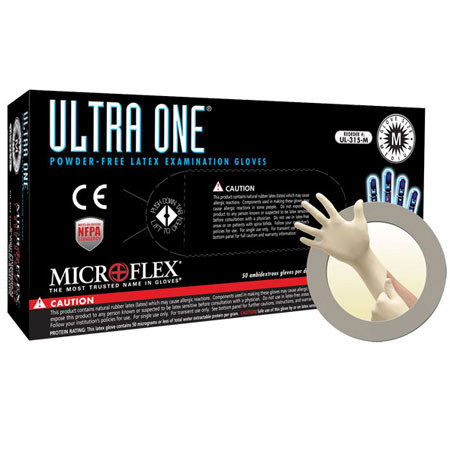
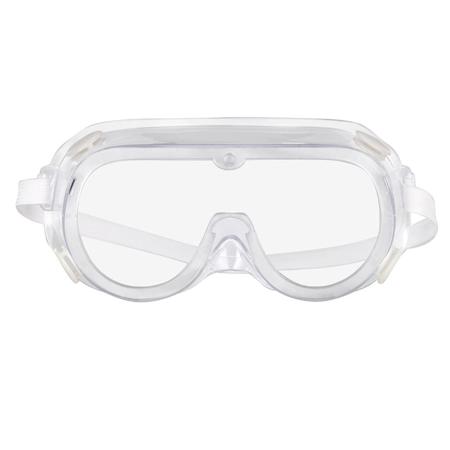
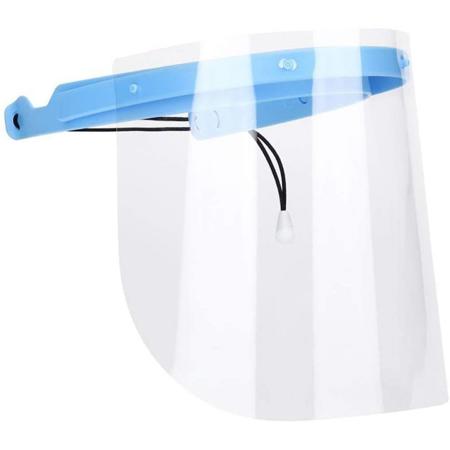
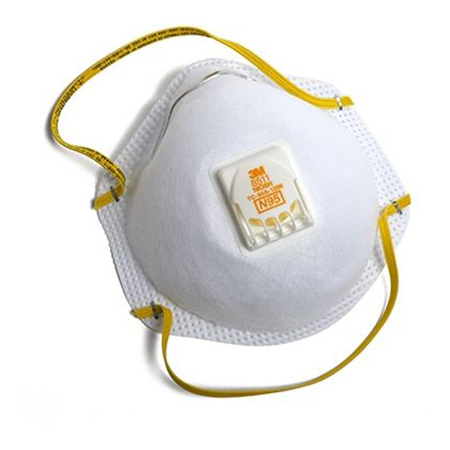
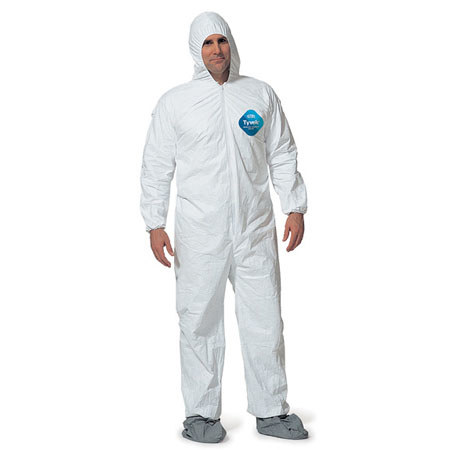
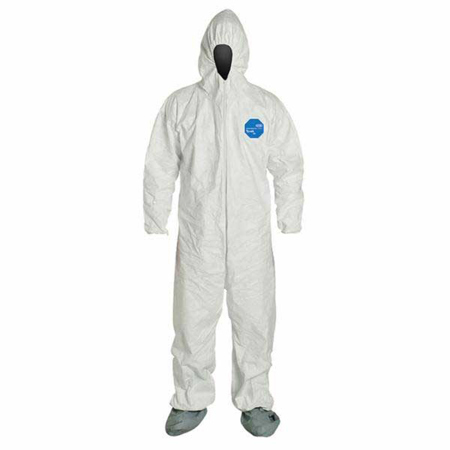
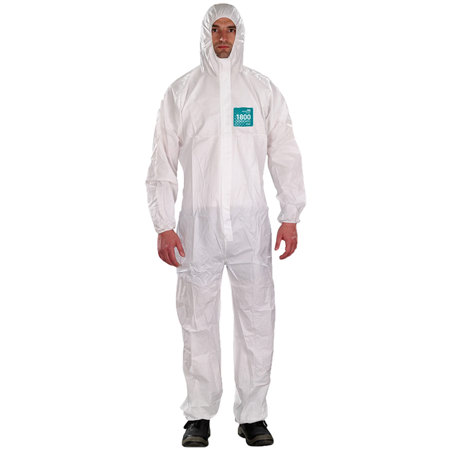
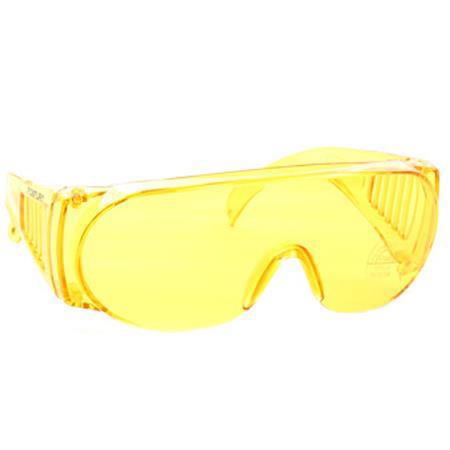
Ensuring a safe laboratory environment is a responsibility shared by educators, researchers, students, and facility managers alike. Whether you’re outfitting a high school science classroom, university research lab, industrial testing facility, or a home workspace, having the right science lab safety equipment is non-negotiable. The essentials extend far beyond the basics of goggles and gloves; comprehensive laboratory safety supplies encompass everything from personal protective equipment (PPE) to facility-wide engineering controls. Eye protection, such as ANSI Z87.1-rated safety goggles or glasses with side shields, is crucial for shielding eyes from chemical splashes, flying debris, or accidental projectiles during experiments. Lab coats—often fluid-resistant or flame-retardant—act as a protective barrier for skin and clothing, while task-specific gloves (like nitrile for chemical handling or insulated gloves for working with extreme temperatures) offer vital hand protection. Aprons and face shields provide additional coverage when working with large volumes of hazardous materials or processes that generate splashes and particulates.
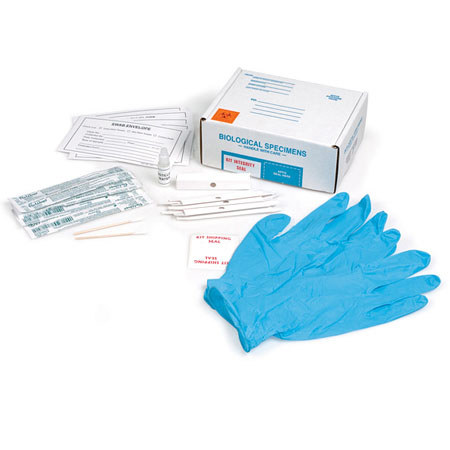
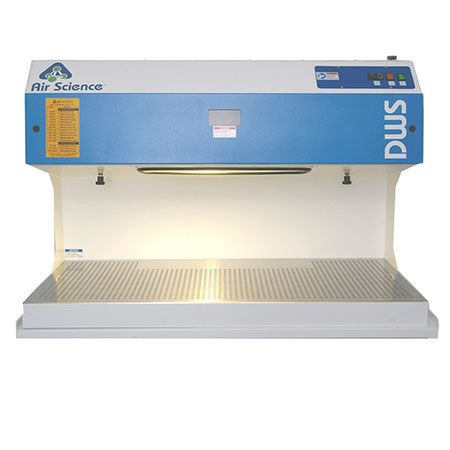
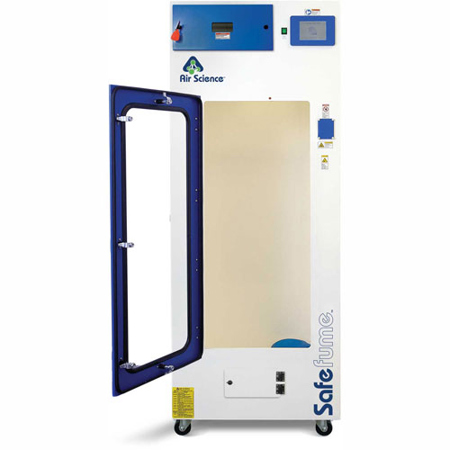
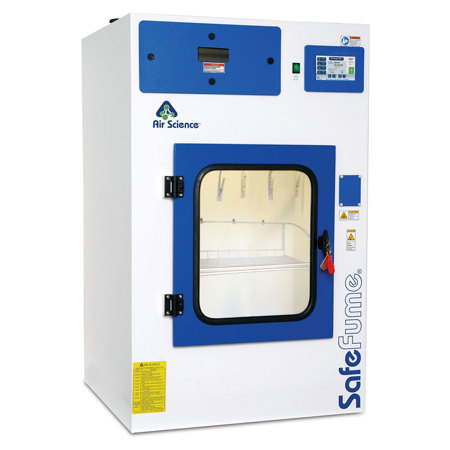
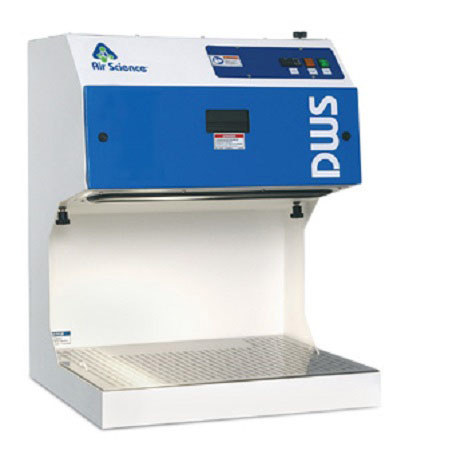
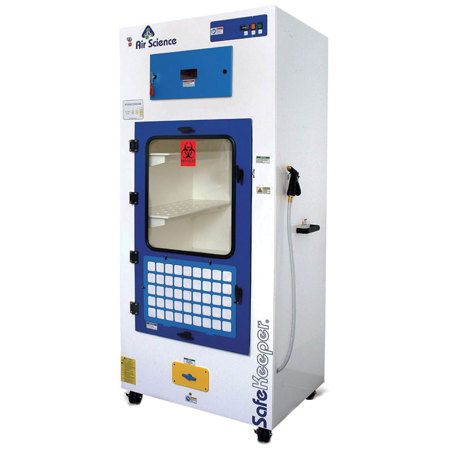
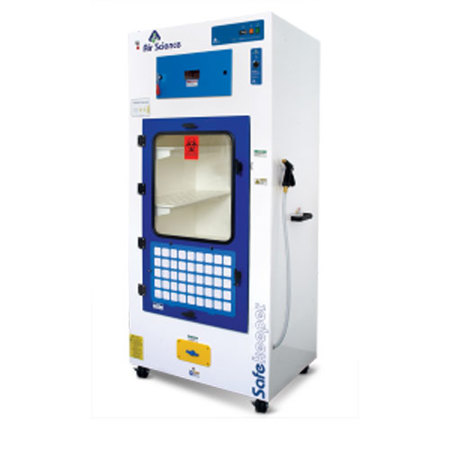
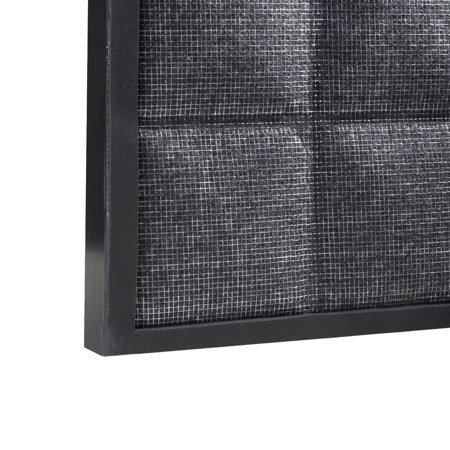
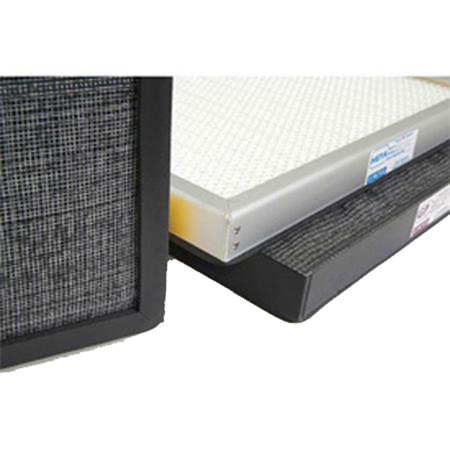
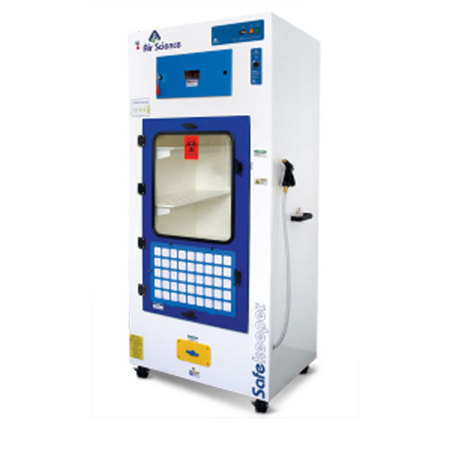
Beyond personal protection, laboratory safety also depends on having the right emergency response equipment in place. Chemical fume hoods and biological safety cabinets are essential engineering controls that protect users from inhaling dangerous vapors, toxic gases, or infectious agents. These devices, often equipped with HEPA filters and fire-resistant materials, are standard in labs handling volatile chemicals or biohazards. Quick access to eyewash stations and safety showers is critical for immediate decontamination in the event of accidental exposure—these fixtures are designed to provide continuous flushing to eyes or the entire body, helping to minimize injury from hazardous substances. Fire safety is another pillar of lab preparedness, with fire extinguishers (Class ABC or specialized Class D for combustible metals) and fire blankets ready to smother flames or burning clothing. Spill kits, containing absorbent materials, neutralizers, and disposal bags, are indispensable for safely cleaning up chemical spills and preventing cross-contamination. These supplies are not only practical necessities for compliance with safety regulations but also foster a culture of preparedness and confidence among lab personnel.
Lab safety equipment is relevant for a diverse range of users and can even make thoughtful, practical gifts for students entering science programs, new lab technicians, or educators building out their classroom resources. As the weather warms and summer research internships, academic programs, and science camps ramp up, demand for reliable laboratory safety supplies often increases. Outfitting a new lab or updating aging equipment is a meaningful way to support safe scientific discovery, whether for a school, professional environment, or at-home experimentation. When selecting lab safety gear, consider the specific hazards present—chemical, biological, thermal, or mechanical—and ensure all equipment meets current standards and regulatory requirements. For those managing multiple environments, integrating lab safety with broader workplace safety planning is seamless, and you can find complementary resources on our Office Safety Supplies page. Investing in quality science lab safety equipment not only protects individuals but also helps maintain the integrity and continuity of your research, teaching, or creative projects throughout the changing seasons.
Beyond personal protection, laboratory safety also depends on having the right emergency response equipment in place. Chemical fume hoods and biological safety cabinets are essential engineering controls that protect users from inhaling dangerous vapors, toxic gases, or infectious agents. These devices, often equipped with HEPA filters and fire-resistant materials, are standard in labs handling volatile chemicals or biohazards. Quick access to eyewash stations and safety showers is critical for immediate decontamination in the event of accidental exposure—these fixtures are designed to provide continuous flushing to eyes or the entire body, helping to minimize injury from hazardous substances. Fire safety is another pillar of lab preparedness, with fire extinguishers (Class ABC or specialized Class D for combustible metals) and fire blankets ready to smother flames or burning clothing. Spill kits, containing absorbent materials, neutralizers, and disposal bags, are indispensable for safely cleaning up chemical spills and preventing cross-contamination. These supplies are not only practical necessities for compliance with safety regulations but also foster a culture of preparedness and confidence among lab personnel.
Lab safety equipment is relevant for a diverse range of users and can even make thoughtful, practical gifts for students entering science programs, new lab technicians, or educators building out their classroom resources. As the weather warms and summer research internships, academic programs, and science camps ramp up, demand for reliable laboratory safety supplies often increases. Outfitting a new lab or updating aging equipment is a meaningful way to support safe scientific discovery, whether for a school, professional environment, or at-home experimentation. When selecting lab safety gear, consider the specific hazards present—chemical, biological, thermal, or mechanical—and ensure all equipment meets current standards and regulatory requirements. For those managing multiple environments, integrating lab safety with broader workplace safety planning is seamless, and you can find complementary resources on our Office Safety Supplies page. Investing in quality science lab safety equipment not only protects individuals but also helps maintain the integrity and continuity of your research, teaching, or creative projects throughout the changing seasons.