Laptops With Real-time Ray Tracing
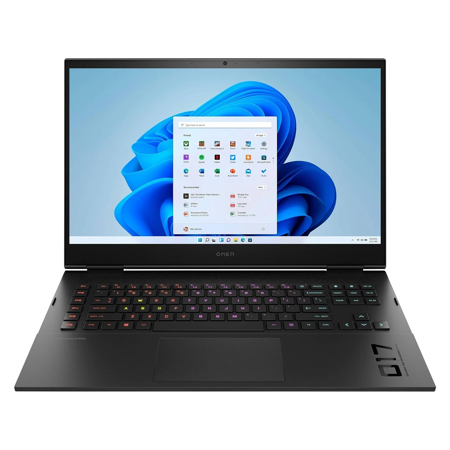
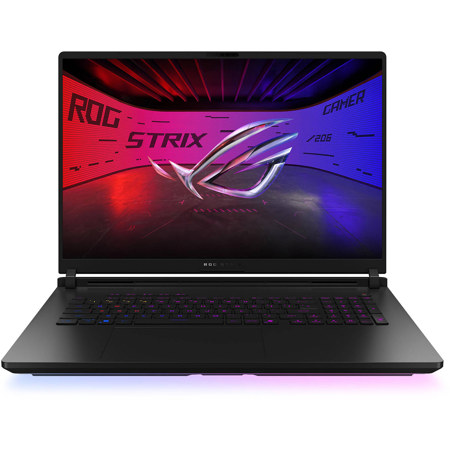
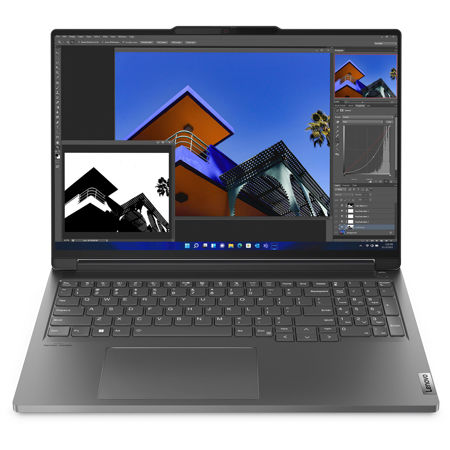
For creators, gamers, and professionals who demand cutting-edge visuals and performance, laptops with real-time ray tracing represent a leap forward in mobile computing. These powerful machines are equipped with dedicated hardware—most often the latest NVIDIA GeForce RTX or AMD Radeon RX GPUs—which unlock the ability to render lifelike lighting, reflections, and shadows with stunning fidelity. Whether you’re diving into immersive AAA games, building intricate 3D models, or editing cinematic video content, the realism and depth enabled by laptop ray tracing can transform your workflow and elevate your creative expression. As the weather shifts from summer’s brightness to the cooler days of early fall, many find themselves spending more time indoors, making this a perfect season to upgrade your mobile workstation or gaming setup. Laptops with ray tracing are not just for gamers; architects visualizing building interiors, animators rendering complex scenes, and engineers running simulations all benefit from the hardware acceleration these systems provide. If you’ve ever wondered what gaming laptops support ray tracing or which laptop GPUs support ray tracing, it’s these models—purpose-built for demanding graphics tasks—that deliver the performance edge for both play and productivity.
When selecting a goal laptop for real-time ray tracing, several factors come into play to ensure a smooth and future-proof experience. Pay particular attention to the GPU model and its VRAM capacity; for mid-range rendering and gaming, 8 GB of VRAM is typically the minimum, while more complex projects in Unreal Engine, Blender, or Lumion may require 12 GB or even 16 GB. Thermal management is equally crucial, as high-end GPUs generate significant heat during extended sessions—look for laptops with advanced cooling solutions such as vapor chambers and robust heat pipes to maintain peak performance. Many laptop ray tracing models also support frame generation technologies like NVIDIA DLSS or AMD FSR, which intelligently boost perceived frame rates and smooth out gameplay, even when ray tracing is enabled. For those who use laptops with ray tracing for non-gaming tasks, such as real-time visualization or AI-powered creative workflows, these features can dramatically accelerate productivity and reduce render times. As you compare options, consider complementary technologies like high-refresh displays and adaptive sync, which further enhance visual fluidity and responsiveness. For a deeper dive into these features, explore our selection of Laptops With Adaptive Sync to find the perfect pairing for your workflow.
Laptops with real-time ray tracing make outstanding gifts for students embarking on creative degrees, professionals upgrading their mobile studios, or gaming enthusiasts seeking the latest advancements in visual fidelity. Imagine gifting a laptop that not only handles the latest games with breathtaking realism but also empowers a budding designer to bring their visions to life, or an engineer to simulate environments with unprecedented accuracy. As schedules shift and new projects begin during this transitional season, having a reliable, high-performance laptop can be the catalyst for inspiration and achievement. With the right hardware, you’re not just keeping up with technology—you’re unlocking new possibilities in everything from game design and VFX to architectural visualization and scientific research. By focusing on the right combination of GPU power, thermal efficiency, and display technology, you can be confident that your next laptop will meet the rigorous demands of real-time ray tracing, both now and in the seasons to come.
When selecting a goal laptop for real-time ray tracing, several factors come into play to ensure a smooth and future-proof experience. Pay particular attention to the GPU model and its VRAM capacity; for mid-range rendering and gaming, 8 GB of VRAM is typically the minimum, while more complex projects in Unreal Engine, Blender, or Lumion may require 12 GB or even 16 GB. Thermal management is equally crucial, as high-end GPUs generate significant heat during extended sessions—look for laptops with advanced cooling solutions such as vapor chambers and robust heat pipes to maintain peak performance. Many laptop ray tracing models also support frame generation technologies like NVIDIA DLSS or AMD FSR, which intelligently boost perceived frame rates and smooth out gameplay, even when ray tracing is enabled. For those who use laptops with ray tracing for non-gaming tasks, such as real-time visualization or AI-powered creative workflows, these features can dramatically accelerate productivity and reduce render times. As you compare options, consider complementary technologies like high-refresh displays and adaptive sync, which further enhance visual fluidity and responsiveness. For a deeper dive into these features, explore our selection of Laptops With Adaptive Sync to find the perfect pairing for your workflow.
Laptops with real-time ray tracing make outstanding gifts for students embarking on creative degrees, professionals upgrading their mobile studios, or gaming enthusiasts seeking the latest advancements in visual fidelity. Imagine gifting a laptop that not only handles the latest games with breathtaking realism but also empowers a budding designer to bring their visions to life, or an engineer to simulate environments with unprecedented accuracy. As schedules shift and new projects begin during this transitional season, having a reliable, high-performance laptop can be the catalyst for inspiration and achievement. With the right hardware, you’re not just keeping up with technology—you’re unlocking new possibilities in everything from game design and VFX to architectural visualization and scientific research. By focusing on the right combination of GPU power, thermal efficiency, and display technology, you can be confident that your next laptop will meet the rigorous demands of real-time ray tracing, both now and in the seasons to come.