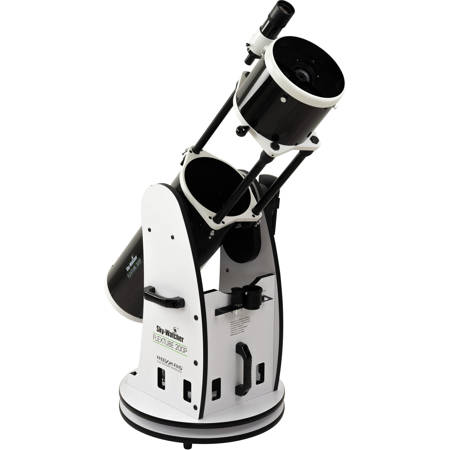
Large Aperture Dobsonian Telescopes
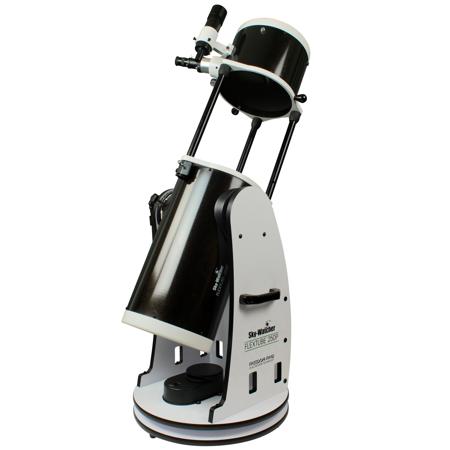
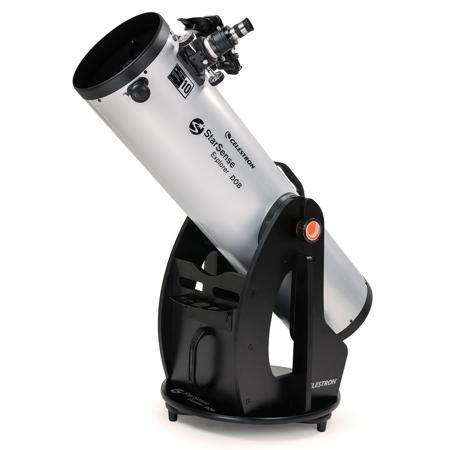
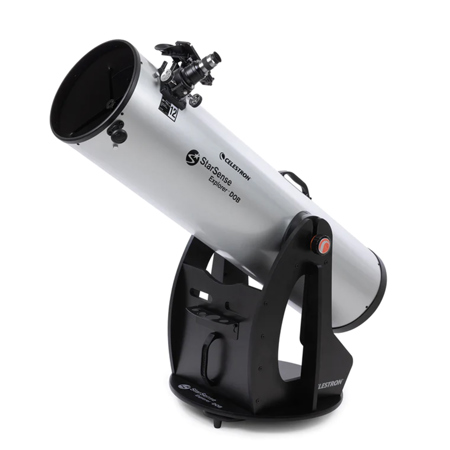
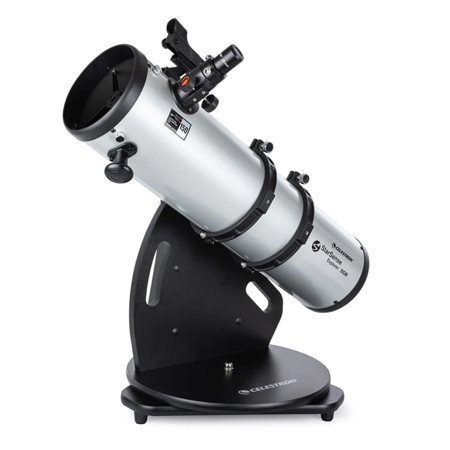
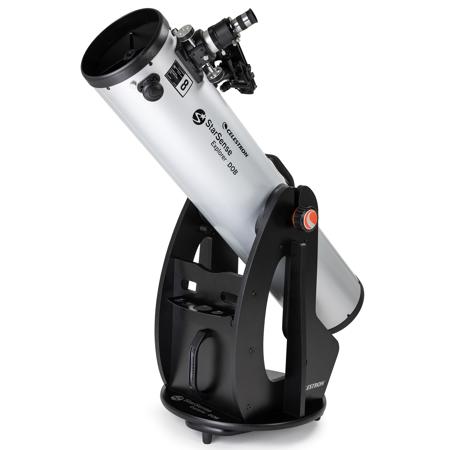
Large aperture Dobsonian telescopes have long been celebrated by astronomy enthusiasts for their unmatched ability to unveil the deep wonders of the night sky. With primary mirrors ranging from 12 inches up to a staggering 20 inches or more in diameter, these telescopes are often referred to as “light buckets” for good reason. The immense surface area of their mirrors allows them to gather thousands of times more light than the human eye, making them especially powerful for observing faint galaxies, intricate nebulae, and richly populated star clusters. On clear, steady nights, the resolving power of a large Dobsonian can reveal delicate spiral arms in distant galaxies, subtle color variations in planetary nebulae, and the tightest double stars with crisp separation. The experience of peering through a large aperture Dobsonian is transformative—suddenly, objects that appear as faint smudges in smaller scopes leap to life with structure and detail, offering a sense of depth and immersion that is hard to match with other telescope designs.
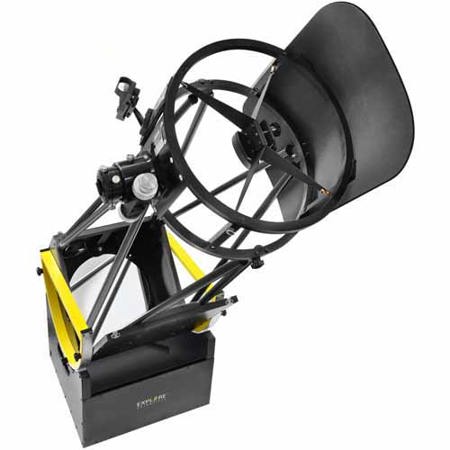
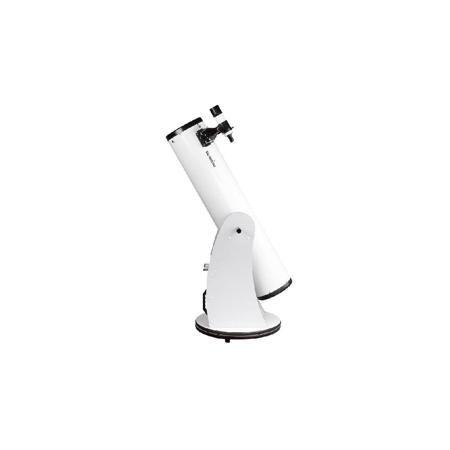
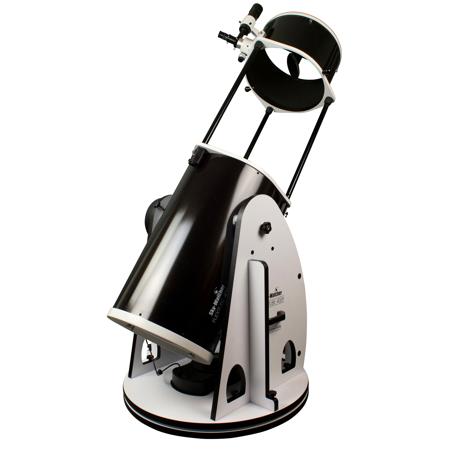
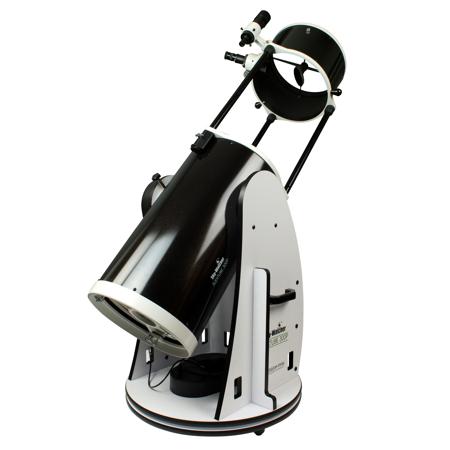
Choosing a large aperture Dobsonian involves a few important considerations, each shaped by how and where you plan to observe. Solid-tube models, typically up to 12 inches, are favored for their robust alignment and ease of use, making them a solid choice for backyard astronomers who want a telescope that’s ready to use with minimal setup. For those venturing into even larger apertures—16 inches, 18 inches, or beyond—truss-tube designs become popular, breaking down into manageable pieces for transport to dark-sky sites while still delivering massive light-gathering power. Many seasoned observers recall the camaraderie of star parties, where the assembly of a truss Dobsonian becomes a shared ritual, and the first glimpse of a faint galaxy through a 20-inch mirror draws a crowd. These telescopes do require attention to collimation, particularly at fast focal ratios (f/3.6 to f/5), but modern tools like laser collimators make the process straightforward, ensuring pinpoint sharpness across the field. Smooth manual tracking is a hallmark of the Dobsonian mount, with large side bearings and low-friction pads allowing for gentle, precise movements as you follow objects across the sky. Some astronomers relish the simplicity of manual star-hopping, while others appreciate the convenience of motorized GoTo systems, especially when observing at high magnifications where objects drift quickly through the field of view.
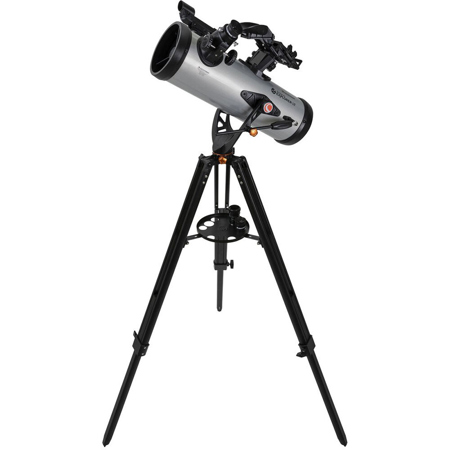
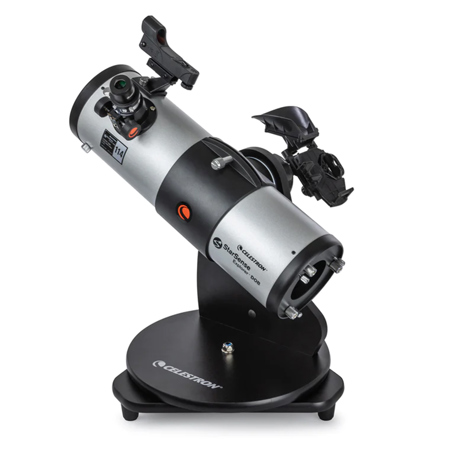
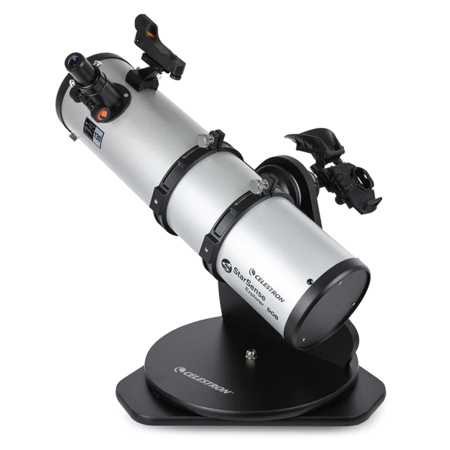
Large aperture Dobsonians are a thoughtful gift for dedicated stargazers, advanced amateur astronomers, or anyone looking to deepen their connection with the cosmos. They’re especially popular as milestone gifts—perhaps for a significant birthday, retirement, or to celebrate a student’s achievements in science. These telescopes are best suited for those with some experience in astronomy, as their size and setup requirements are more involved than entry-level scopes. For families or clubs, a large Dobsonian can become a focal point for shared observing sessions, fostering a sense of wonder and discovery as everyone takes turns exploring celestial treasures. As the nights grow longer and the air cools, the allure of deep-sky observing becomes even more compelling, with crisp autumn skies offering some of the year’s best viewing conditions. For those just beginning their astronomical journey or seeking a more portable option, exploring smaller instruments like the 114Mm Aperture Telescopes can provide an accessible entry point before stepping up to the immersive experience of a large aperture Dobsonian. Whether set up for a solo night’s exploration or at the heart of a group gathering, these telescopes open up the universe in ways that inspire awe and fuel a lifelong passion for the stars.
Choosing a large aperture Dobsonian involves a few important considerations, each shaped by how and where you plan to observe. Solid-tube models, typically up to 12 inches, are favored for their robust alignment and ease of use, making them a solid choice for backyard astronomers who want a telescope that’s ready to use with minimal setup. For those venturing into even larger apertures—16 inches, 18 inches, or beyond—truss-tube designs become popular, breaking down into manageable pieces for transport to dark-sky sites while still delivering massive light-gathering power. Many seasoned observers recall the camaraderie of star parties, where the assembly of a truss Dobsonian becomes a shared ritual, and the first glimpse of a faint galaxy through a 20-inch mirror draws a crowd. These telescopes do require attention to collimation, particularly at fast focal ratios (f/3.6 to f/5), but modern tools like laser collimators make the process straightforward, ensuring pinpoint sharpness across the field. Smooth manual tracking is a hallmark of the Dobsonian mount, with large side bearings and low-friction pads allowing for gentle, precise movements as you follow objects across the sky. Some astronomers relish the simplicity of manual star-hopping, while others appreciate the convenience of motorized GoTo systems, especially when observing at high magnifications where objects drift quickly through the field of view.
Large aperture Dobsonians are a thoughtful gift for dedicated stargazers, advanced amateur astronomers, or anyone looking to deepen their connection with the cosmos. They’re especially popular as milestone gifts—perhaps for a significant birthday, retirement, or to celebrate a student’s achievements in science. These telescopes are best suited for those with some experience in astronomy, as their size and setup requirements are more involved than entry-level scopes. For families or clubs, a large Dobsonian can become a focal point for shared observing sessions, fostering a sense of wonder and discovery as everyone takes turns exploring celestial treasures. As the nights grow longer and the air cools, the allure of deep-sky observing becomes even more compelling, with crisp autumn skies offering some of the year’s best viewing conditions. For those just beginning their astronomical journey or seeking a more portable option, exploring smaller instruments like the 114Mm Aperture Telescopes can provide an accessible entry point before stepping up to the immersive experience of a large aperture Dobsonian. Whether set up for a solo night’s exploration or at the heart of a group gathering, these telescopes open up the universe in ways that inspire awe and fuel a lifelong passion for the stars.