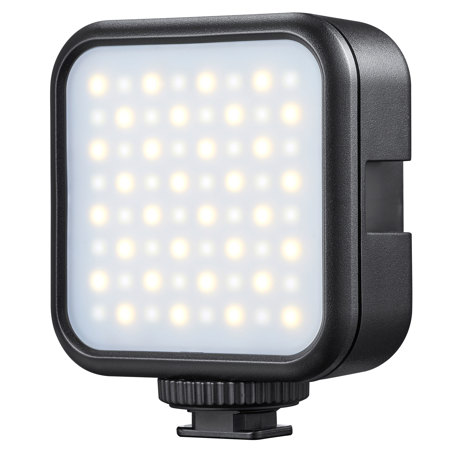
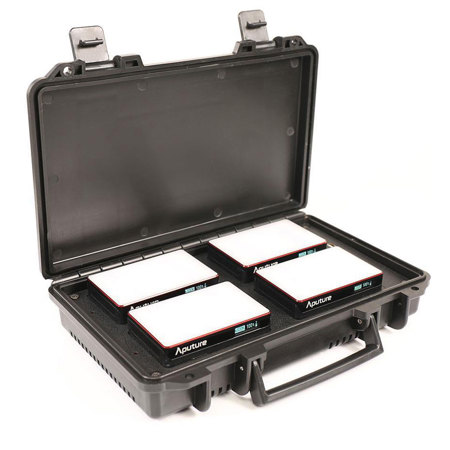
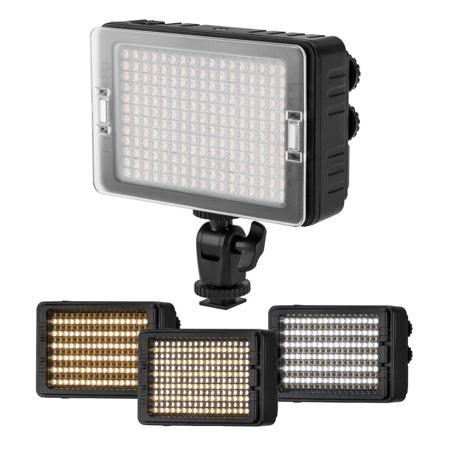
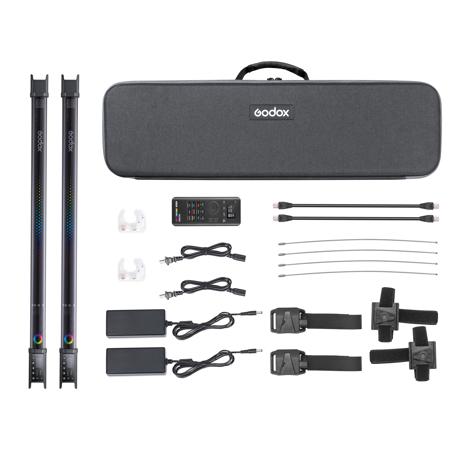

Food photography is an art form where every detail matters—the glisten of a syrup drizzle, the pop of a ripe berry, the golden crust of fresh bread. For both professionals and passionate hobbyists, the right lighting is essential to showcase these details and evoke the senses through imagery. As the days grow longer and gatherings move outdoors or into sunlit kitchens, natural light can be unpredictable, casting harsh shadows or shifting in color throughout the day. During the cooler months, shorter days and cloudier skies can make it challenging to achieve that signature look of bright, appetizing food. This is where LED lights for food photography come into play, offering consistent, controllable, and color-accurate illumination regardless of the season or time of day. Whether you're styling a summer picnic spread, capturing the rich tones of autumnal dishes, or shooting vibrant salads and decadent desserts for social media, LED lighting ensures every ingredient appears as mouthwatering and true-to-life as it does on the plate.
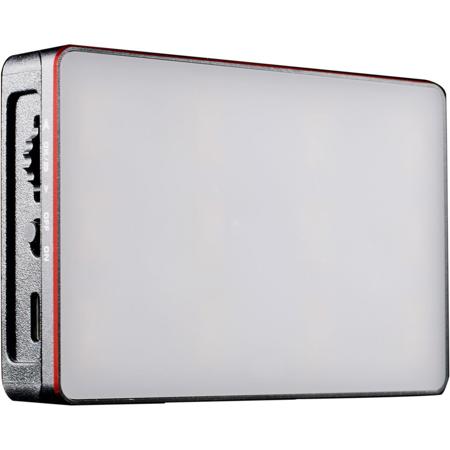
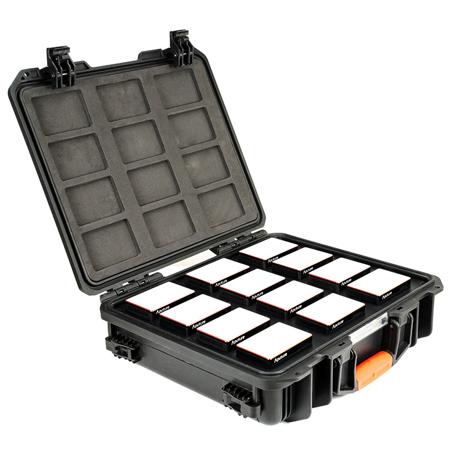
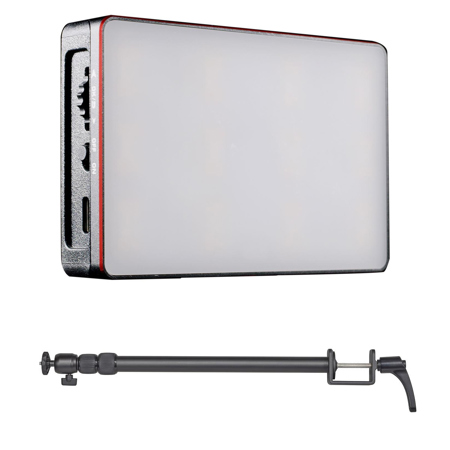
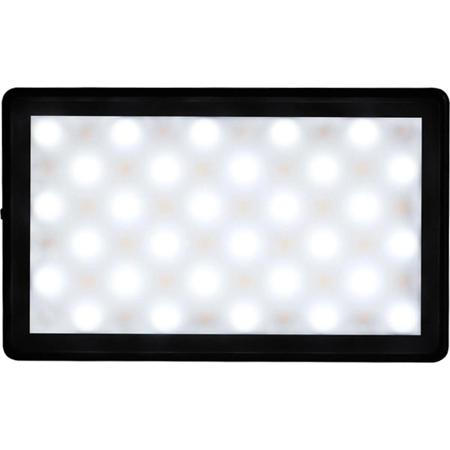
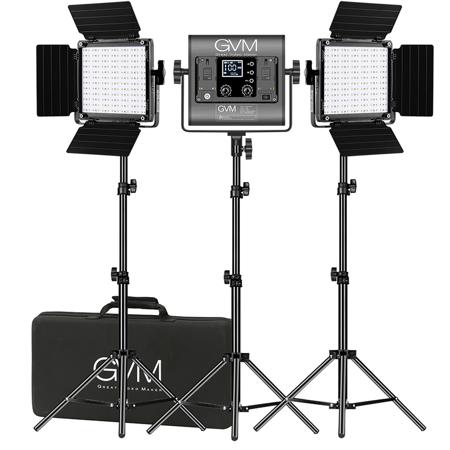
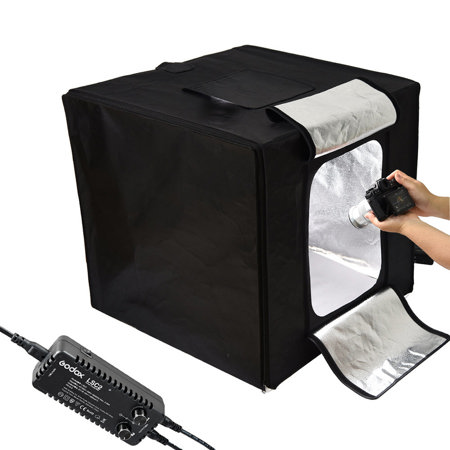
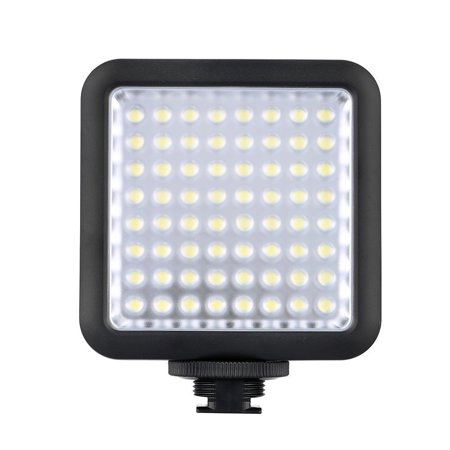
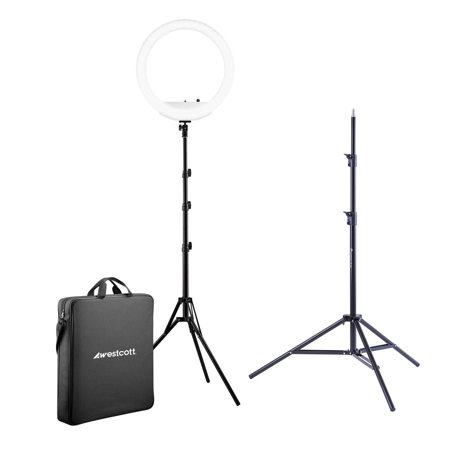
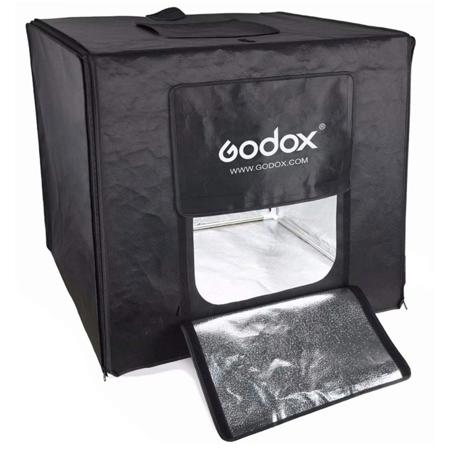
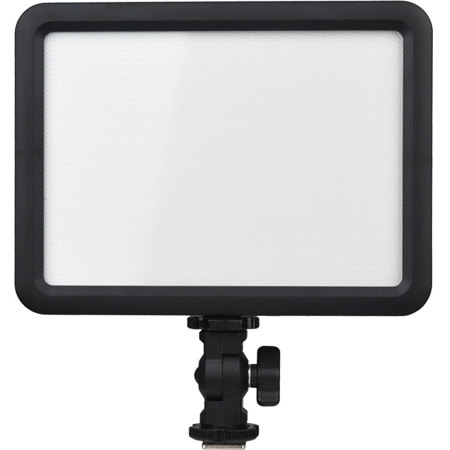
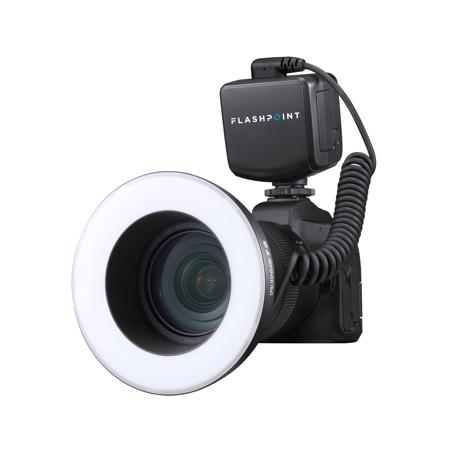
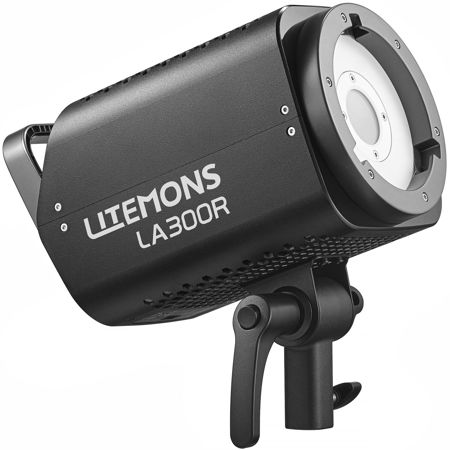
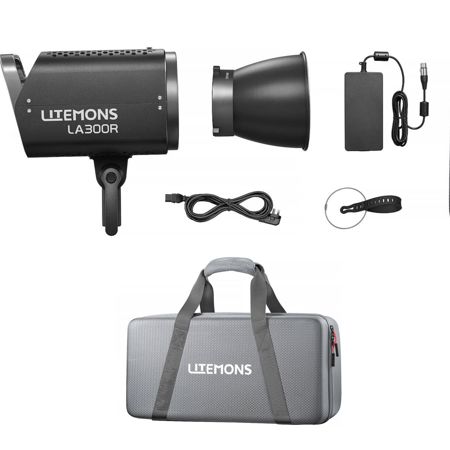
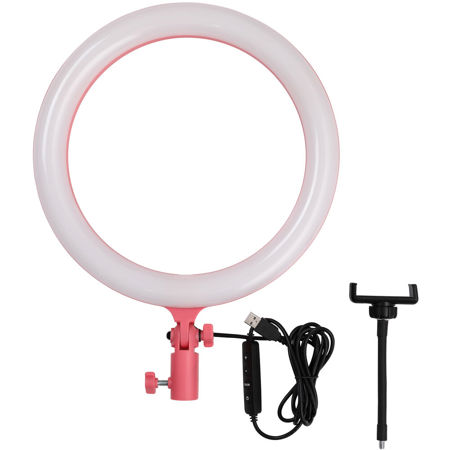
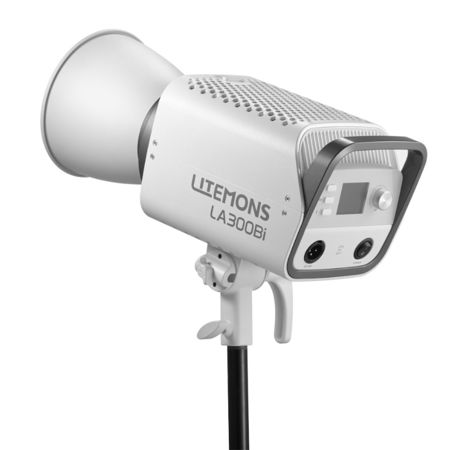
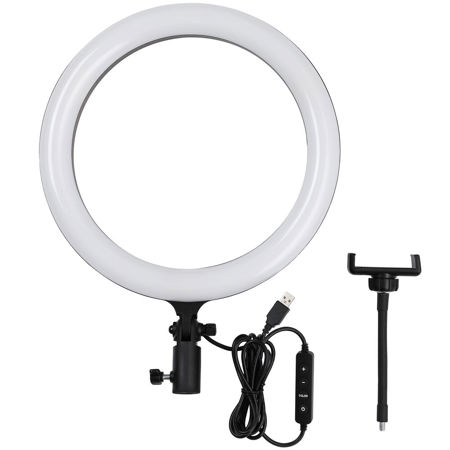
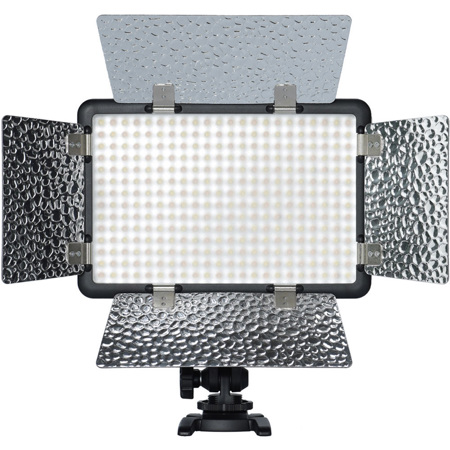
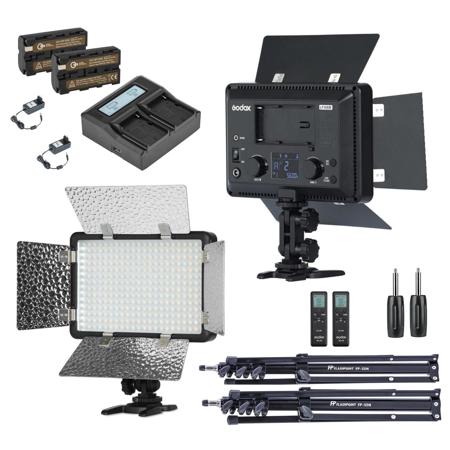
When considering LED lights for food photography, there are several key factors to keep in mind to achieve professional results. High color rendering is crucial—look for lights with a Color Rendering Index (CRI) of 95 or higher, which will accurately reproduce the subtle hues in fresh produce, baked goods, and beverages, reducing the need for extensive post-processing. Adjustable color temperature is another valuable feature, allowing you to match the natural warmth of golden hour or the cool freshness of daylight, depending on the mood you want to create. Many food photographers appreciate bi-color or RGB LEDs for their versatility, making it easy to adapt to different recipes, props, and backgrounds. The ability to shape and diffuse light is equally important; pairing your LED with large softboxes or diffusers can mimic the soft, flattering effect of window light, eliminating harsh shadows and highlighting textures. For those working in compact kitchens or on-location at restaurants and events, compact and portable panels offer flexibility without sacrificing performance. Modular systems with Bowens mounts or similar allow for a broad range of modifiers, from grids for dramatic, moody shots to umbrellas for gentle, even illumination. These features make LED lights ideal not just for seasoned professionals but also for food bloggers, content creators, small business owners, or anyone looking to elevate their culinary photography at home. LED lights also make thoughtful gifts for aspiring food stylists, culinary students, or anyone who loves to document their kitchen creations with clarity and style.
As food photography continues to flourish across platforms—from cookbooks and restaurant menus to Instagram feeds and YouTube tutorials—the demand for reliable, studio-quality lighting grows. LEDs are energy-efficient, cool-running, and often come with intuitive controls, making them accessible for beginners and experts alike. Imagine setting up a rustic fall tablescape, the aroma of spiced cider in the air, and knowing your lighting will remain steady from the first shot to the last bite. Or picture a bustling summer barbecue, the sun dipping behind the trees, and your LED setup keeping colors vivid and appetites inspired long after dusk. To explore a wider selection of lighting solutions designed for every creative need, visit our comprehensive guide to LED Lights for Photography Studios. With the right LED lighting, every dish can look as delicious on camera as it does in person, season after season.
When considering LED lights for food photography, there are several key factors to keep in mind to achieve professional results. High color rendering is crucial—look for lights with a Color Rendering Index (CRI) of 95 or higher, which will accurately reproduce the subtle hues in fresh produce, baked goods, and beverages, reducing the need for extensive post-processing. Adjustable color temperature is another valuable feature, allowing you to match the natural warmth of golden hour or the cool freshness of daylight, depending on the mood you want to create. Many food photographers appreciate bi-color or RGB LEDs for their versatility, making it easy to adapt to different recipes, props, and backgrounds. The ability to shape and diffuse light is equally important; pairing your LED with large softboxes or diffusers can mimic the soft, flattering effect of window light, eliminating harsh shadows and highlighting textures. For those working in compact kitchens or on-location at restaurants and events, compact and portable panels offer flexibility without sacrificing performance. Modular systems with Bowens mounts or similar allow for a broad range of modifiers, from grids for dramatic, moody shots to umbrellas for gentle, even illumination. These features make LED lights ideal not just for seasoned professionals but also for food bloggers, content creators, small business owners, or anyone looking to elevate their culinary photography at home. LED lights also make thoughtful gifts for aspiring food stylists, culinary students, or anyone who loves to document their kitchen creations with clarity and style.
As food photography continues to flourish across platforms—from cookbooks and restaurant menus to Instagram feeds and YouTube tutorials—the demand for reliable, studio-quality lighting grows. LEDs are energy-efficient, cool-running, and often come with intuitive controls, making them accessible for beginners and experts alike. Imagine setting up a rustic fall tablescape, the aroma of spiced cider in the air, and knowing your lighting will remain steady from the first shot to the last bite. Or picture a bustling summer barbecue, the sun dipping behind the trees, and your LED setup keeping colors vivid and appetites inspired long after dusk. To explore a wider selection of lighting solutions designed for every creative need, visit our comprehensive guide to LED Lights for Photography Studios. With the right LED lighting, every dish can look as delicious on camera as it does in person, season after season.