
Lens Adapters For Mirrorless Cameras
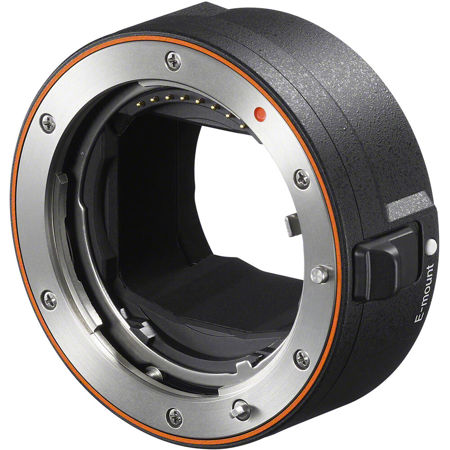
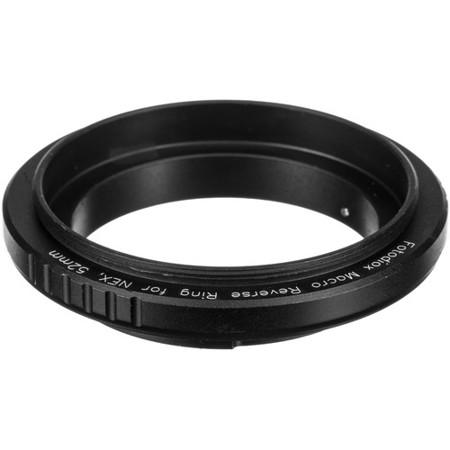
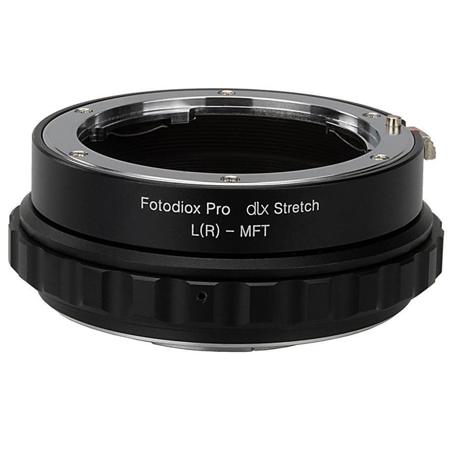
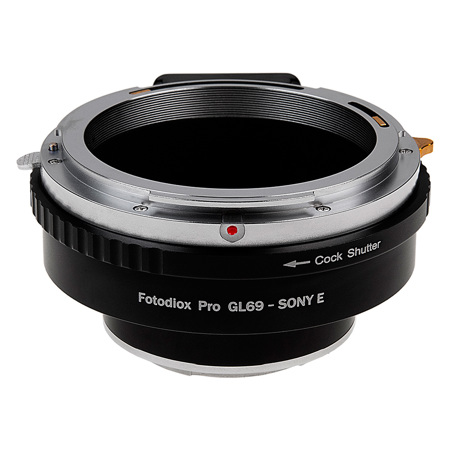
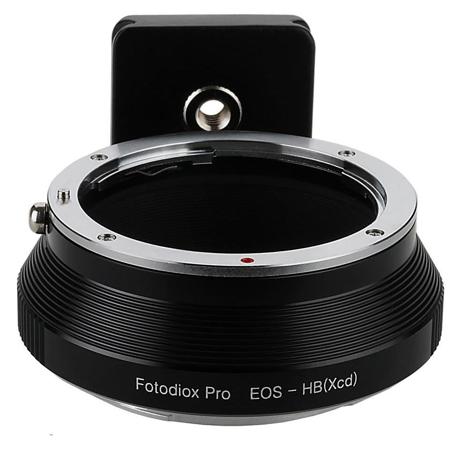
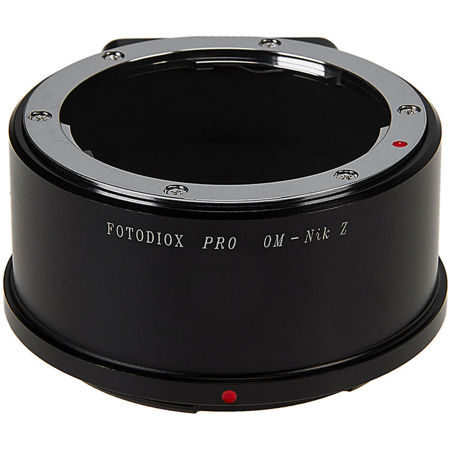
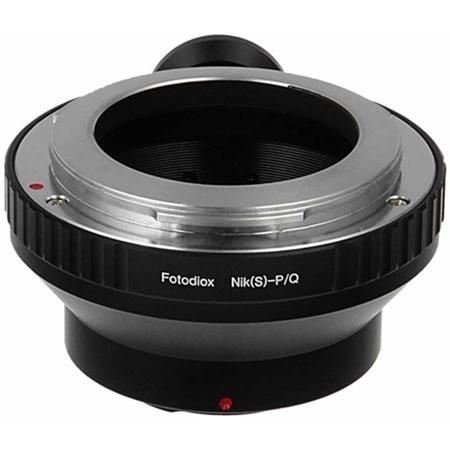
Exploring the world of lens adapters for mirrorless cameras opens up a universe of creative possibilities for both seasoned professionals and hobbyists alike. These versatile tools act as bridges between your modern mirrorless camera body and a vast array of lenses, whether they’re classic film-era glass, legacy DSLR optics, or specialized lenses that you’ve collected over the years. The appeal is clear: with a mirrorless adapter, you can breathe new life into favorite lenses that might otherwise sit unused, unlocking unique optical characteristics and signature looks that are hard to replicate with newer designs. As the days grow longer and the light shifts from the vibrant greens of early summer to the golden tones of autumn, photographers often find themselves inspired to experiment—capturing sun-drenched landscapes, lively street scenes, or the moody ambiance of early evening. A mirrorless lens adapter makes it possible to pair a vintage 50mm prime with your compact mirrorless camera for dreamy, shallow depth-of-field portraits or to mount a specialty tilt-shift lens for architectural photography during urban explorations.
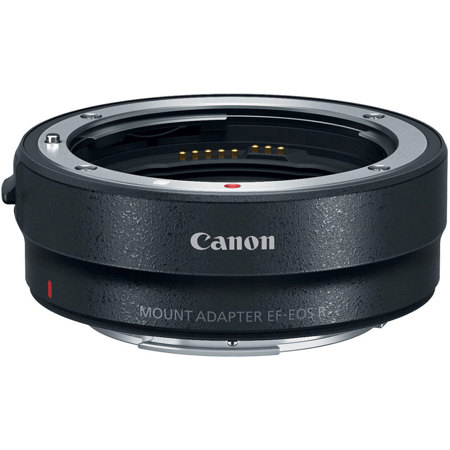
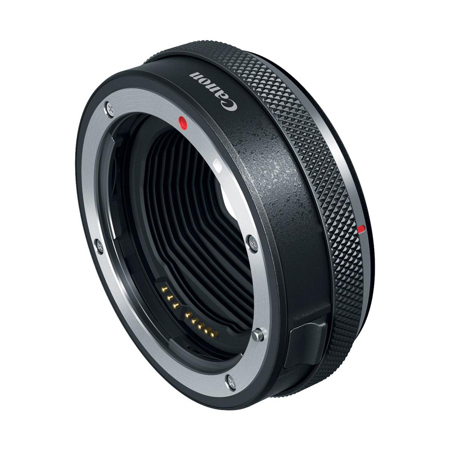
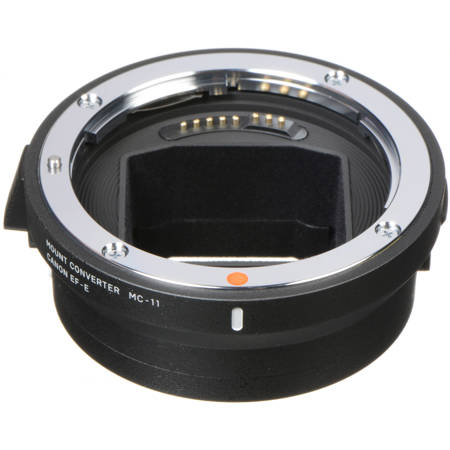
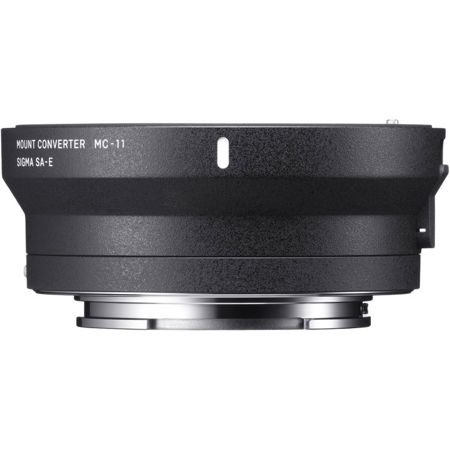
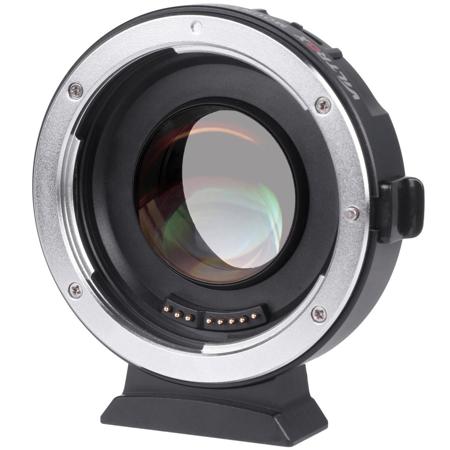
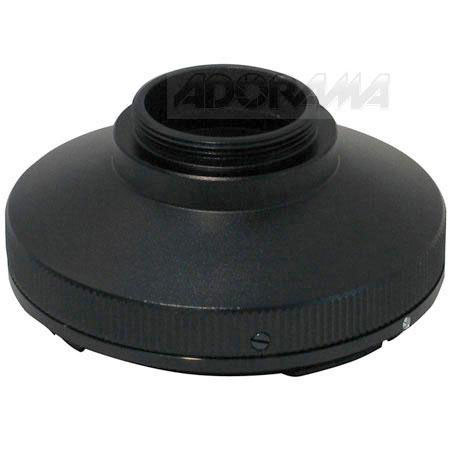
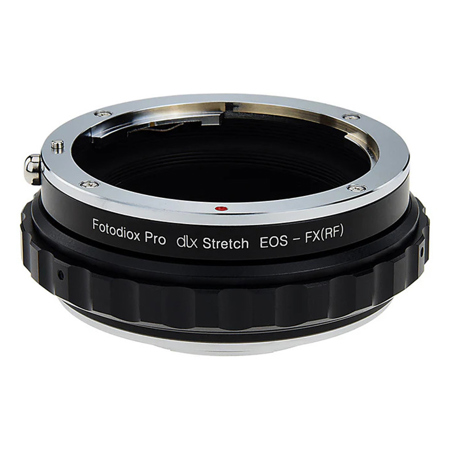
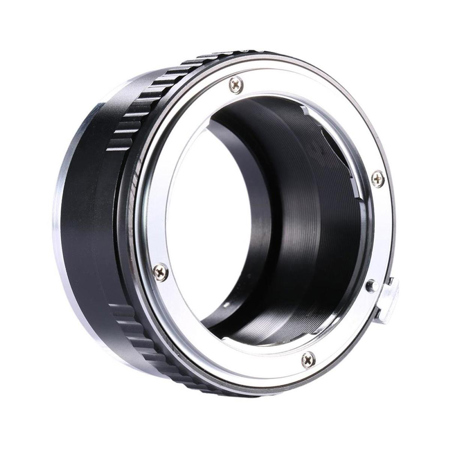
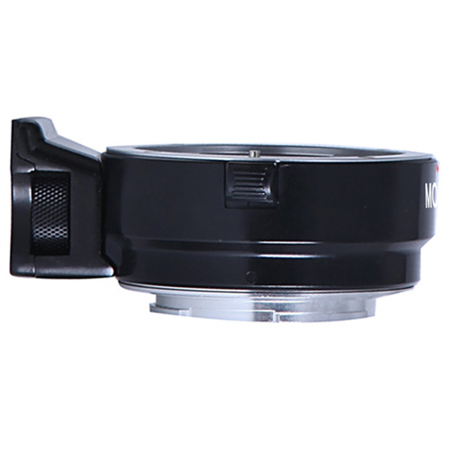
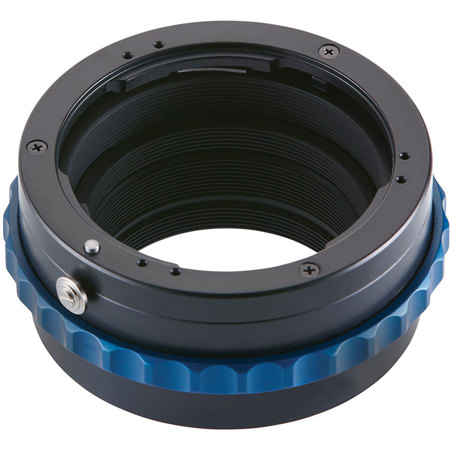
When considering which lens adapter is right for your needs, it’s important to think about how you plan to use your camera and lenses. Manual adapters are a popular entry point, especially for those who appreciate the tactile experience of manual focus and aperture control—perfect for slow, deliberate shooting during a weekend getaway or a quiet walk as the leaves begin to turn. These adapters are often compact and affordable, making them a thoughtful gift for anyone who enjoys experimenting with legacy glass or wants to explore photography beyond the kit lens. For those who rely on the speed and precision of autofocus, electronic adapters maintain communication between the lens and camera body, enabling features like continuous autofocus, image stabilization, and electronic aperture adjustment. This is especially valuable for event photographers, parents capturing family milestones, or anyone who needs to work quickly and efficiently—whether under the bright sun of an outdoor festival or indoors during the cooler months. Specialty adapters, such as those with built-in variable ND filters or tilt-shift mechanisms, can further expand your creative toolkit, letting you tackle challenging lighting or add artistic effects without carrying extra gear.
Build quality is another key consideration, as a well-machined mirrorless adapter ensures a secure, wobble-free connection and helps prevent issues like light leaks or misalignment that could compromise image quality. Photographers who frequently switch between different lens mounts or travel often will appreciate adapters with robust construction and reliable locking mechanisms. Understanding the impact of sensor size and crop factor is also crucial; adapting a full-frame lens to an APS-C sensor, for instance, changes the effective field of view, which can be a creative advantage or a practical consideration depending on your shooting style. Whether you’re a student exploring classic lenses for a photography class, a professional seeking new perspectives for client work, or a collector eager to revisit the unique rendering of vintage optics, a mirrorless lens adapter is a valuable addition to your gear bag. If you’re specifically interested in adapting lenses to Olympus mirrorless cameras, you can find a dedicated selection here: Lens Adapters For Olympus. With the right adapter, every lens in your collection becomes an invitation to see the world differently—capturing the fleeting colors of summer, the crisp clarity of autumn air, and every creative moment in between.
When considering which lens adapter is right for your needs, it’s important to think about how you plan to use your camera and lenses. Manual adapters are a popular entry point, especially for those who appreciate the tactile experience of manual focus and aperture control—perfect for slow, deliberate shooting during a weekend getaway or a quiet walk as the leaves begin to turn. These adapters are often compact and affordable, making them a thoughtful gift for anyone who enjoys experimenting with legacy glass or wants to explore photography beyond the kit lens. For those who rely on the speed and precision of autofocus, electronic adapters maintain communication between the lens and camera body, enabling features like continuous autofocus, image stabilization, and electronic aperture adjustment. This is especially valuable for event photographers, parents capturing family milestones, or anyone who needs to work quickly and efficiently—whether under the bright sun of an outdoor festival or indoors during the cooler months. Specialty adapters, such as those with built-in variable ND filters or tilt-shift mechanisms, can further expand your creative toolkit, letting you tackle challenging lighting or add artistic effects without carrying extra gear.
Build quality is another key consideration, as a well-machined mirrorless adapter ensures a secure, wobble-free connection and helps prevent issues like light leaks or misalignment that could compromise image quality. Photographers who frequently switch between different lens mounts or travel often will appreciate adapters with robust construction and reliable locking mechanisms. Understanding the impact of sensor size and crop factor is also crucial; adapting a full-frame lens to an APS-C sensor, for instance, changes the effective field of view, which can be a creative advantage or a practical consideration depending on your shooting style. Whether you’re a student exploring classic lenses for a photography class, a professional seeking new perspectives for client work, or a collector eager to revisit the unique rendering of vintage optics, a mirrorless lens adapter is a valuable addition to your gear bag. If you’re specifically interested in adapting lenses to Olympus mirrorless cameras, you can find a dedicated selection here: Lens Adapters For Olympus. With the right adapter, every lens in your collection becomes an invitation to see the world differently—capturing the fleeting colors of summer, the crisp clarity of autumn air, and every creative moment in between.