
Lens Extender For Sports Photography
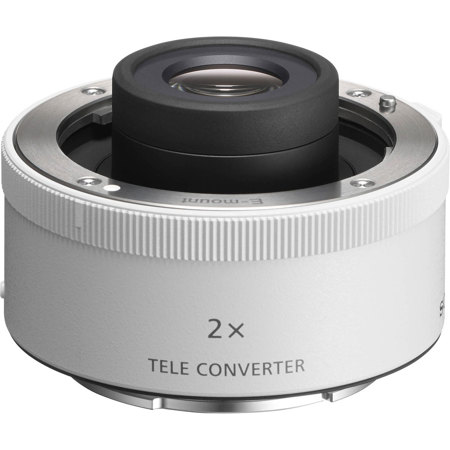
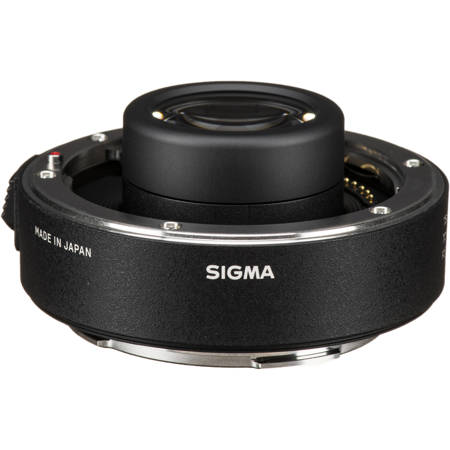
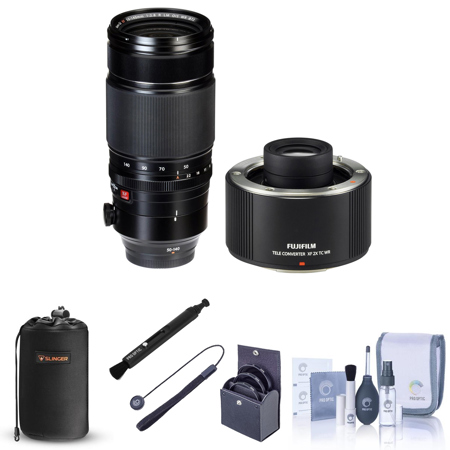
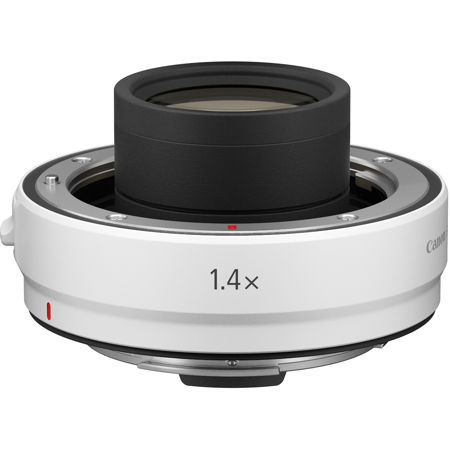
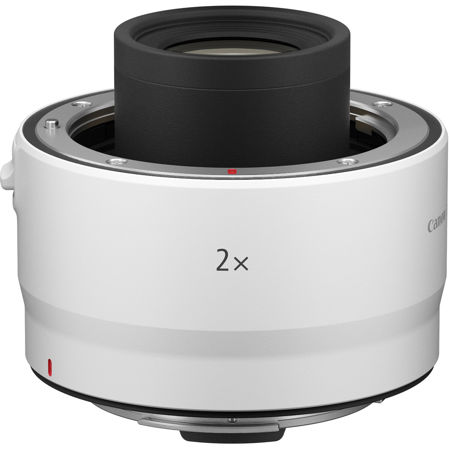
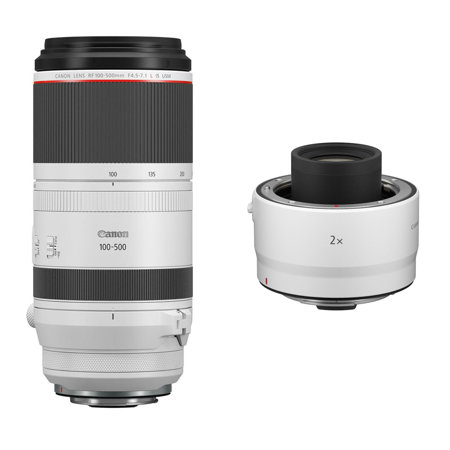
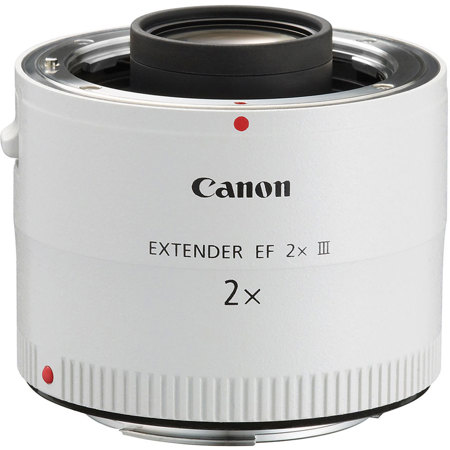
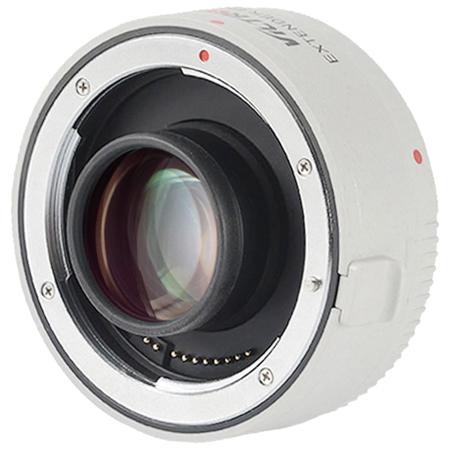
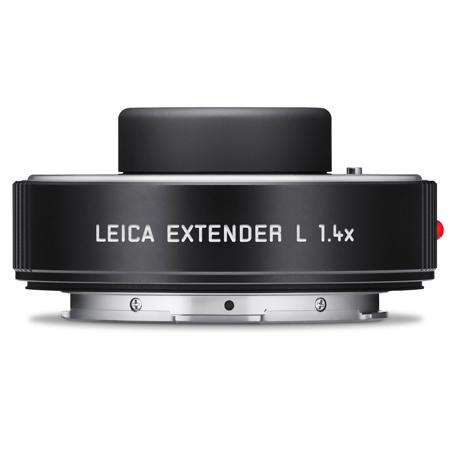
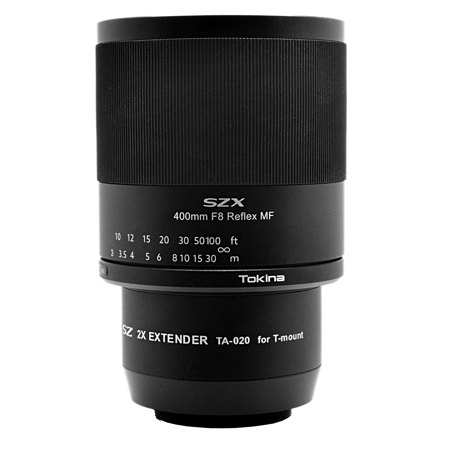
For sports photographers, the ability to capture fast-paced action from a distance is often the difference between a good shot and an unforgettable one. Lens extenders, also known as teleconverters, are indispensable tools for extending the reach of your existing telephoto lenses, making them especially valuable on the sidelines of sprawling soccer fields, baseball diamonds, or racetracks. Whether you’re a seasoned pro covering championship games or an enthusiastic parent tracking your child’s first goal, a lens extender can transform a standard telephoto setup into a powerful long-range solution. These compact optical accessories attach between your camera body and lens, multiplying the focal length—typically by 1.4x or 2x—so you can fill the frame with distant subjects without sacrificing your agility or investing in heavier, more costly super-telephoto glass. For example, pairing a 70-200mm f/2.8 lens with a 1.4x extender yields a versatile 98-280mm reach, perfect for isolating athletes in motion or capturing the intensity on a pitcher's face from across the diamond.
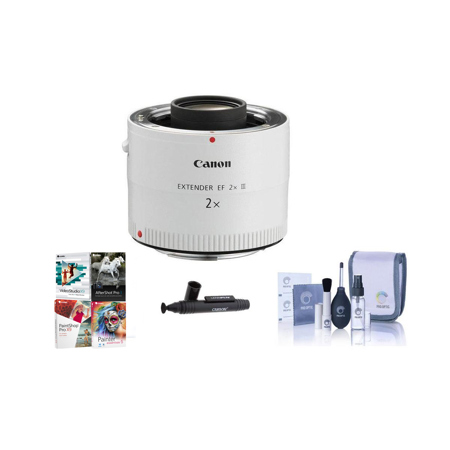
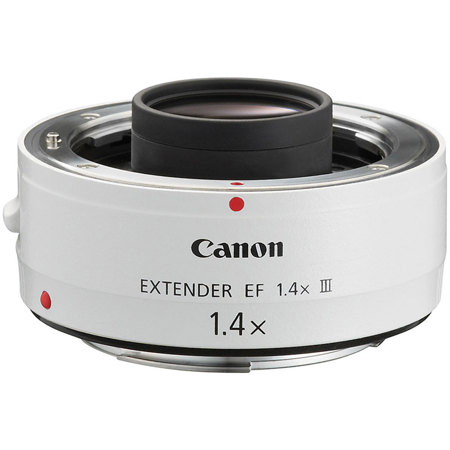
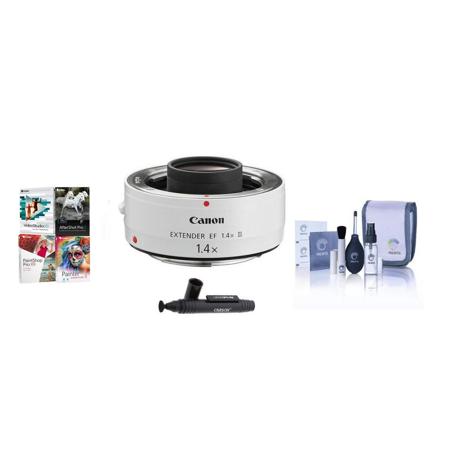
When considering a lens extender for sports photography, it’s important to weigh a few key factors to ensure optimal performance. Compatibility is paramount; not every extender will work seamlessly with every lens, so double-check that your chosen accessory matches your lens mount—whether EF, RF, or another system. Many photographers gravitate toward options like a canon extension tube or ef teleconverter for their reliability and integration with popular camera systems. Keep in mind that using a lens extender does result in some light loss: a 1.4x model typically costs you one stop of light, while a 2x extender reduces it by two stops. This means a fast f/2.8 lens becomes f/4 or even f/5.6, which can impact autofocus speed and low-light performance. For best results, pair your extender with a bright, professional-grade telephoto lens, especially if you plan to shoot in variable lighting conditions common during spring sports or late-winter tournaments. While modern extenders deliver impressive image quality, there can be a slight reduction in sharpness and contrast compared to shooting with a prime lens alone. However, the trade-off is often well worth it for the added flexibility and reach, particularly when you need to react quickly to unpredictable action on the field.
Lens extenders make thoughtful gifts for sports enthusiasts, wildlife photographers, or anyone passionate about capturing distant subjects in crisp detail. They’re a practical addition to the kit of a high school sports photographer, a freelance photojournalist, or a parent eager to document every moment from the bleachers. With the right extender, even a mid-range telephoto lens can rival the reach of a dedicated super-telephoto, opening up creative possibilities without breaking the bank or straining your shoulders during long shoots. As the sports season transitions from winter into spring, and outdoor events become more frequent, a lens extender becomes an even more valuable companion—helping you track runners dashing across finish lines or freeze the split-second drama of a basketball dunk. For photographers who value both flexibility and protection, don’t forget to safeguard your gear with the right accessories; explore our collection of Lens Caps For Sports Photography to keep your optics pristine between shots. Whether you’re using a canon telephoto converter, a canon extender, or another lens extender, these versatile tools empower you to go the extra distance and capture the energy, excitement, and emotion of every sporting event.
When considering a lens extender for sports photography, it’s important to weigh a few key factors to ensure optimal performance. Compatibility is paramount; not every extender will work seamlessly with every lens, so double-check that your chosen accessory matches your lens mount—whether EF, RF, or another system. Many photographers gravitate toward options like a canon extension tube or ef teleconverter for their reliability and integration with popular camera systems. Keep in mind that using a lens extender does result in some light loss: a 1.4x model typically costs you one stop of light, while a 2x extender reduces it by two stops. This means a fast f/2.8 lens becomes f/4 or even f/5.6, which can impact autofocus speed and low-light performance. For best results, pair your extender with a bright, professional-grade telephoto lens, especially if you plan to shoot in variable lighting conditions common during spring sports or late-winter tournaments. While modern extenders deliver impressive image quality, there can be a slight reduction in sharpness and contrast compared to shooting with a prime lens alone. However, the trade-off is often well worth it for the added flexibility and reach, particularly when you need to react quickly to unpredictable action on the field.
Lens extenders make thoughtful gifts for sports enthusiasts, wildlife photographers, or anyone passionate about capturing distant subjects in crisp detail. They’re a practical addition to the kit of a high school sports photographer, a freelance photojournalist, or a parent eager to document every moment from the bleachers. With the right extender, even a mid-range telephoto lens can rival the reach of a dedicated super-telephoto, opening up creative possibilities without breaking the bank or straining your shoulders during long shoots. As the sports season transitions from winter into spring, and outdoor events become more frequent, a lens extender becomes an even more valuable companion—helping you track runners dashing across finish lines or freeze the split-second drama of a basketball dunk. For photographers who value both flexibility and protection, don’t forget to safeguard your gear with the right accessories; explore our collection of Lens Caps For Sports Photography to keep your optics pristine between shots. Whether you’re using a canon telephoto converter, a canon extender, or another lens extender, these versatile tools empower you to go the extra distance and capture the energy, excitement, and emotion of every sporting event.