Li-Po Batteries
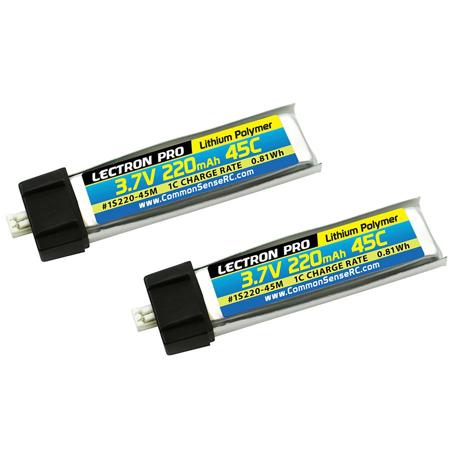
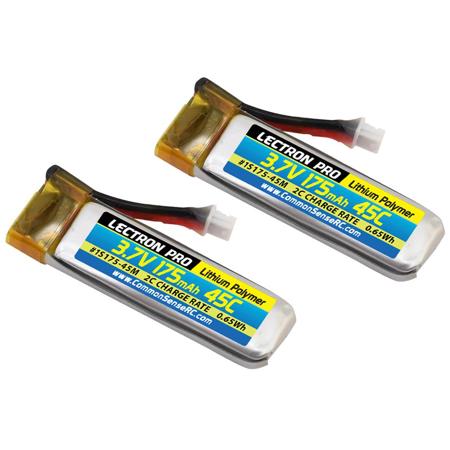
Lithium Polymer (Li-Po) batteries have become the power source of choice for a wide range of enthusiasts and professionals, thanks to their lightweight construction, high energy density, and impressive discharge rates. Whether you’re gearing up for a summer of RC car racing, prepping your drone for aerial photography as the leaves start to turn, or simply looking to keep your portable electronics running strong, Li-Po batteries offer the performance and flexibility required for demanding applications. These batteries are especially popular among hobbyists who fly remote-controlled aircraft, operate high-performance cars and boats, or build custom robotics—where every gram and every milliamp-hour can make the difference between a memorable outing and a short-lived session. Photographers and videographers who rely on drones for capturing sweeping landscapes or tracking fast-moving subjects also turn to Li-Po batteries for their ability to deliver consistent power throughout each flight, ensuring that every shot is steady and every angle is covered.
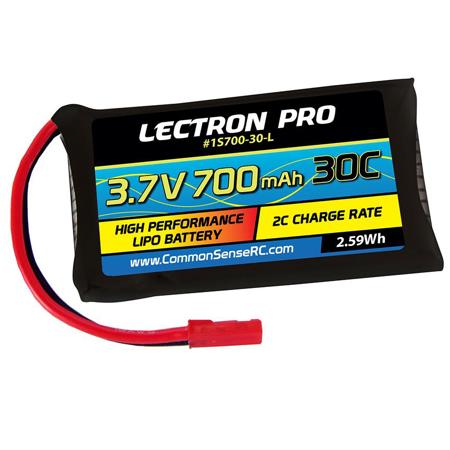
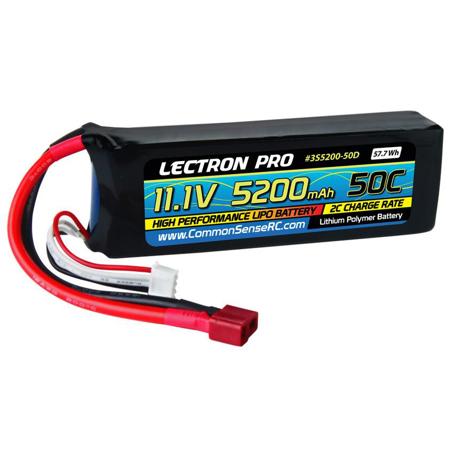
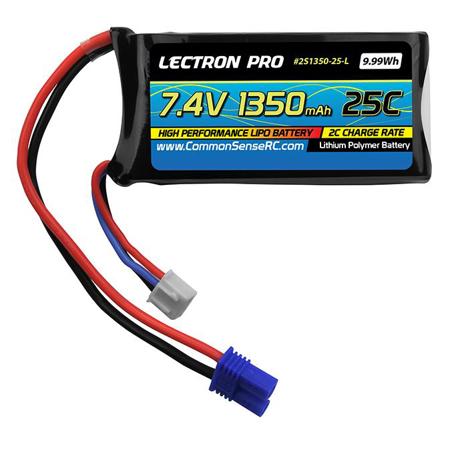
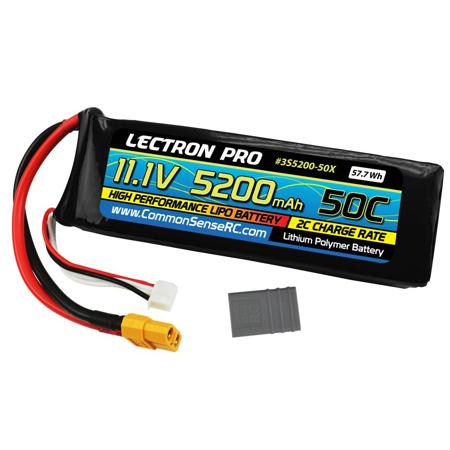
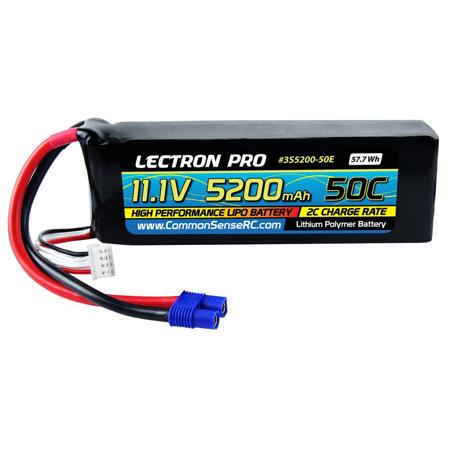
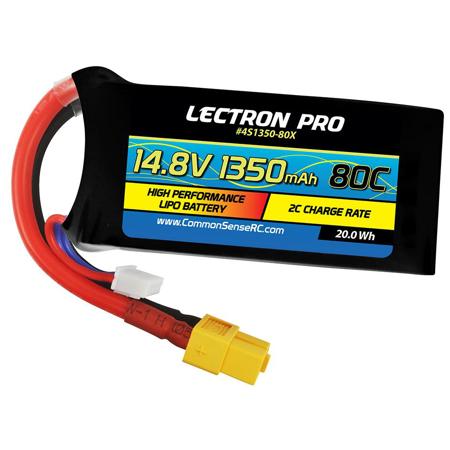
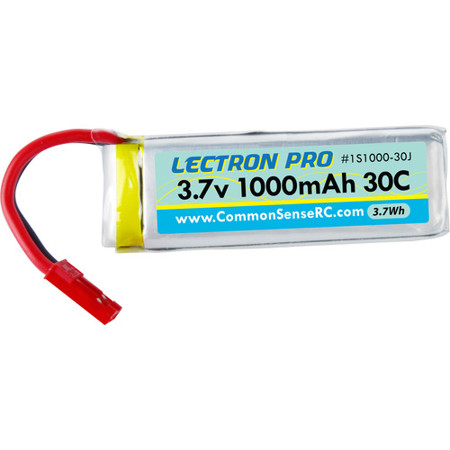
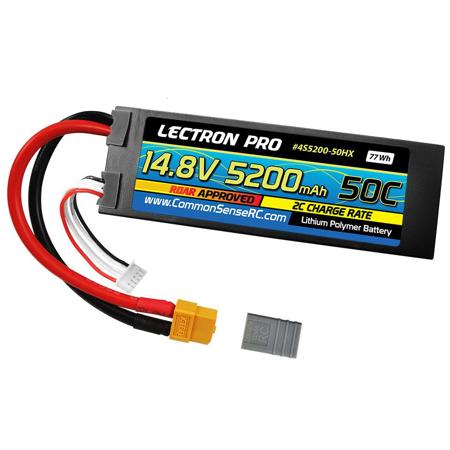
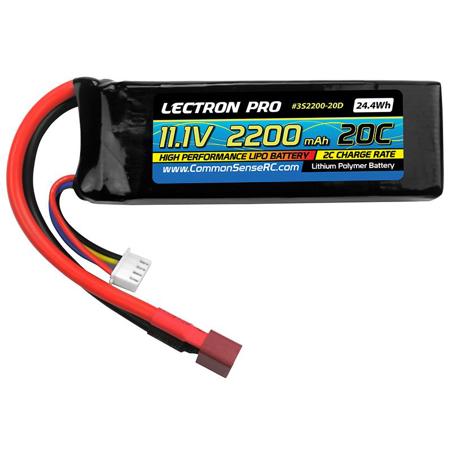
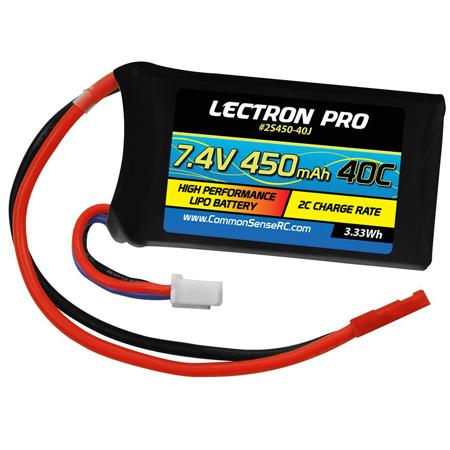
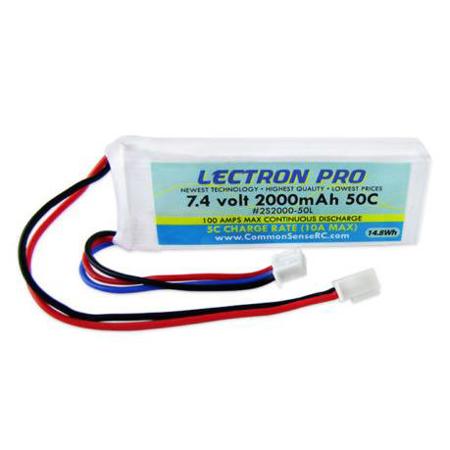
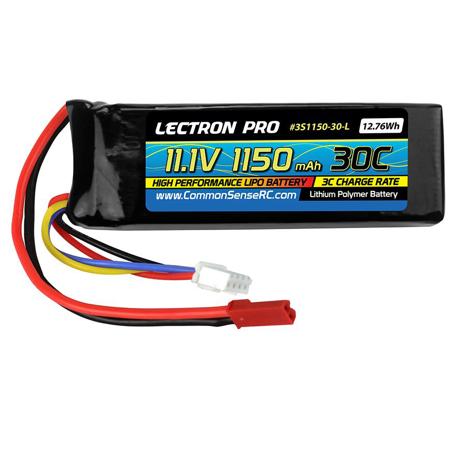
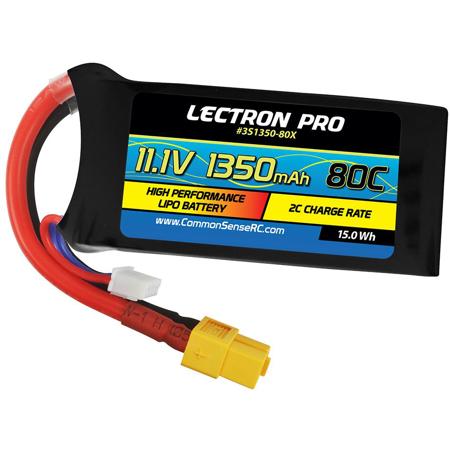
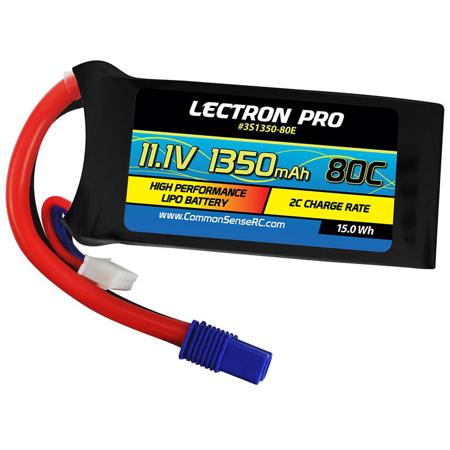
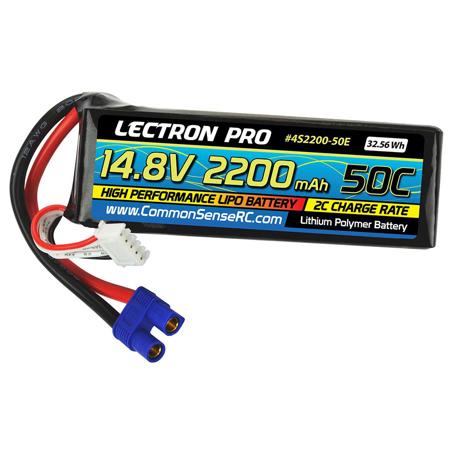
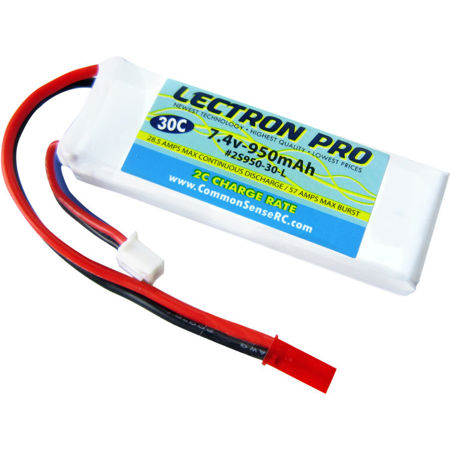
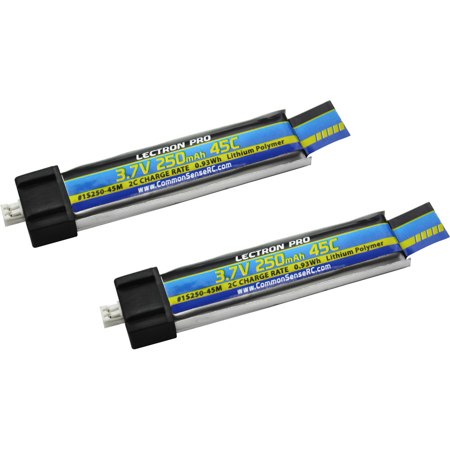
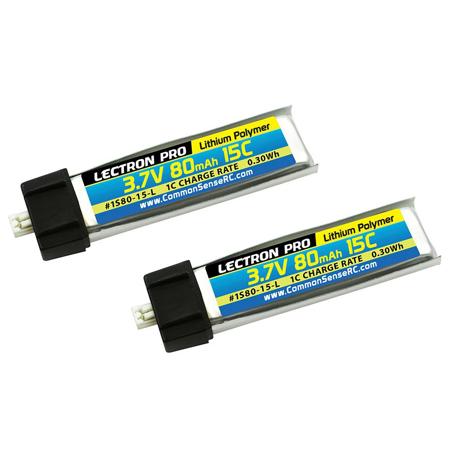
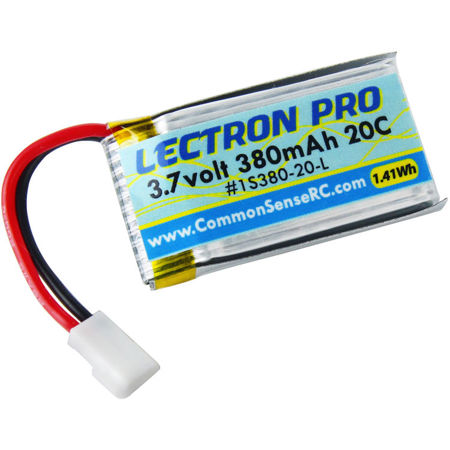
When choosing a Li-Po battery, it’s important to consider several key factors to match the battery to your specific needs and equipment. The cell count, often denoted as 1S, 2S, 3S, and so on, directly determines the voltage output, with each cell providing a nominal 3.7 volts. For those running high-powered devices or multi-motor systems, stacking additional cells can deliver the extra voltage required, but it’s crucial to ensure that your device is rated for the higher voltage to avoid damage. Capacity, measured in milliamp-hours (mAh), dictates how long your battery will last under load—a higher capacity pack can extend your session, but also adds weight, which may affect performance in lightweight drones or vehicles. Discharge rates, indicated by the ‘C’ rating, reveal how quickly the battery can safely deliver its stored energy; matching this to your equipment’s draw is essential for both performance and safety. Li-Po batteries are also sensitive to charging and storage practices: always use a balance charger that connects to the battery’s dedicated balance lead to ensure each cell is charged evenly, and store batteries at a stable storage voltage around 3.8 volts per cell if they won’t be used for several days. These steps help maintain battery health and longevity, and reduce the risks associated with overcharging or deep discharging.
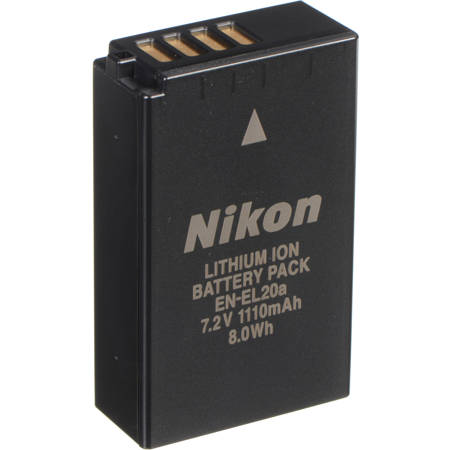
Safety is a central concern with Li-Po batteries, and responsible handling is non-negotiable for both new users and seasoned pros. Always inspect batteries for signs of swelling, damage, or punctures before use or charging—compromised packs should be disposed of at a certified recycling center, as they pose a significant fire risk. Store Li-Po batteries in a fireproof container, away from flammable materials, and never leave them unattended while charging. These precautions are especially important during the warmer months when ambient temperatures can exacerbate battery stress, but they remain relevant as the days grow cooler and indoor projects pick up pace. For those considering Li-Po batteries as a thoughtful gift, they make an excellent choice for anyone passionate about RC hobbies, DIY electronics, or aerial photography—just be sure to pair them with compatible chargers and clear safety instructions for a complete, worry-free experience. As you explore options for powering everything from summer adventures to autumn creative projects, you may also find it helpful to compare Li-Po batteries with other rechargeable solutions like Li Ion Battery Packs, which offer their own set of advantages for specific applications. By understanding the nuances of Li-Po battery selection, usage, and care, you can unlock the full potential of your gear and ensure reliable performance season after season.
When choosing a Li-Po battery, it’s important to consider several key factors to match the battery to your specific needs and equipment. The cell count, often denoted as 1S, 2S, 3S, and so on, directly determines the voltage output, with each cell providing a nominal 3.7 volts. For those running high-powered devices or multi-motor systems, stacking additional cells can deliver the extra voltage required, but it’s crucial to ensure that your device is rated for the higher voltage to avoid damage. Capacity, measured in milliamp-hours (mAh), dictates how long your battery will last under load—a higher capacity pack can extend your session, but also adds weight, which may affect performance in lightweight drones or vehicles. Discharge rates, indicated by the ‘C’ rating, reveal how quickly the battery can safely deliver its stored energy; matching this to your equipment’s draw is essential for both performance and safety. Li-Po batteries are also sensitive to charging and storage practices: always use a balance charger that connects to the battery’s dedicated balance lead to ensure each cell is charged evenly, and store batteries at a stable storage voltage around 3.8 volts per cell if they won’t be used for several days. These steps help maintain battery health and longevity, and reduce the risks associated with overcharging or deep discharging.
Safety is a central concern with Li-Po batteries, and responsible handling is non-negotiable for both new users and seasoned pros. Always inspect batteries for signs of swelling, damage, or punctures before use or charging—compromised packs should be disposed of at a certified recycling center, as they pose a significant fire risk. Store Li-Po batteries in a fireproof container, away from flammable materials, and never leave them unattended while charging. These precautions are especially important during the warmer months when ambient temperatures can exacerbate battery stress, but they remain relevant as the days grow cooler and indoor projects pick up pace. For those considering Li-Po batteries as a thoughtful gift, they make an excellent choice for anyone passionate about RC hobbies, DIY electronics, or aerial photography—just be sure to pair them with compatible chargers and clear safety instructions for a complete, worry-free experience. As you explore options for powering everything from summer adventures to autumn creative projects, you may also find it helpful to compare Li-Po batteries with other rechargeable solutions like Li Ion Battery Packs, which offer their own set of advantages for specific applications. By understanding the nuances of Li-Po battery selection, usage, and care, you can unlock the full potential of your gear and ensure reliable performance season after season.