
Lighting Rigging
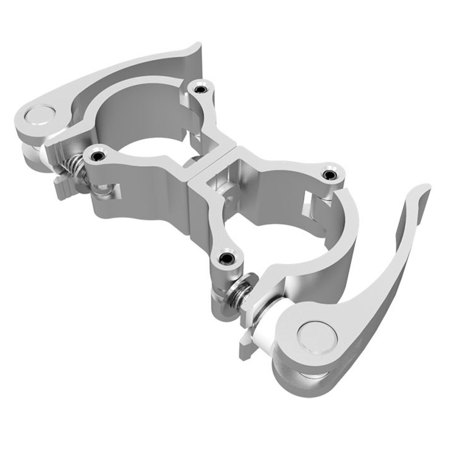
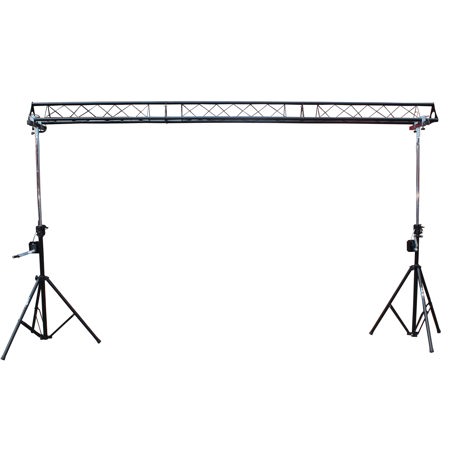
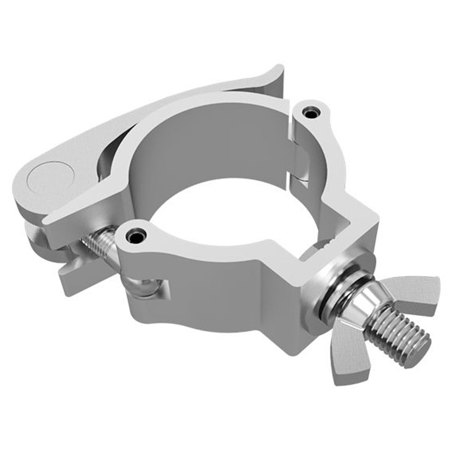
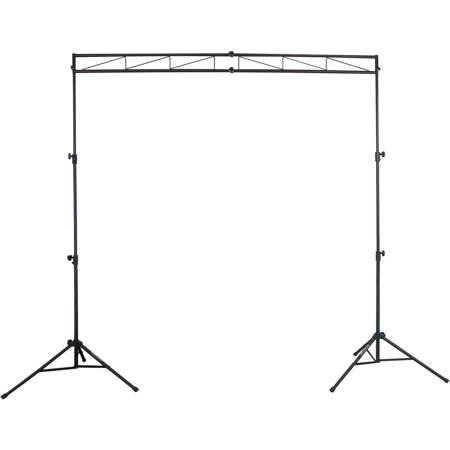
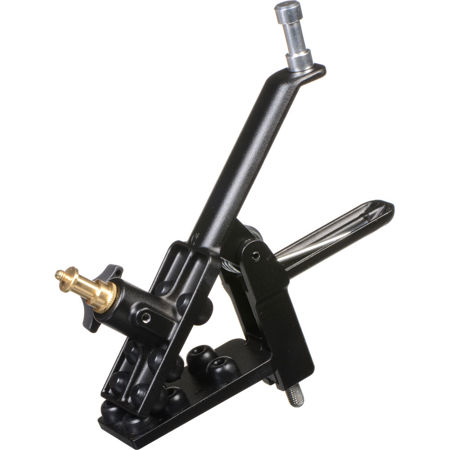
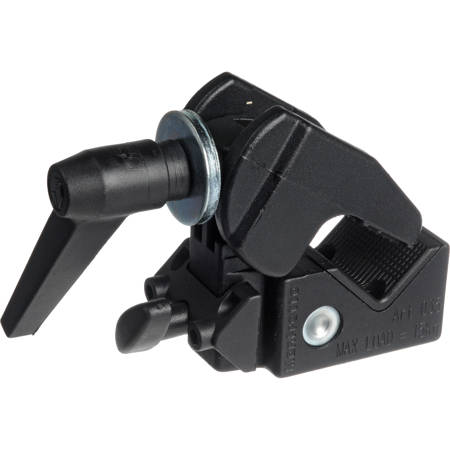
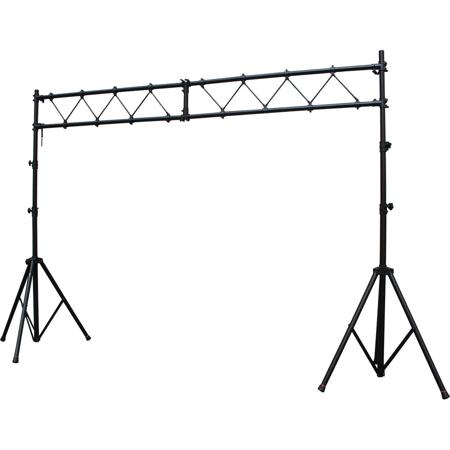
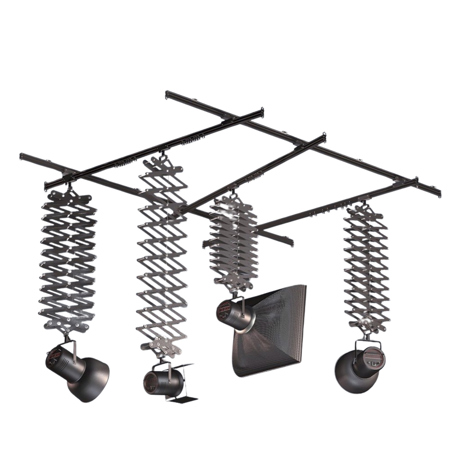
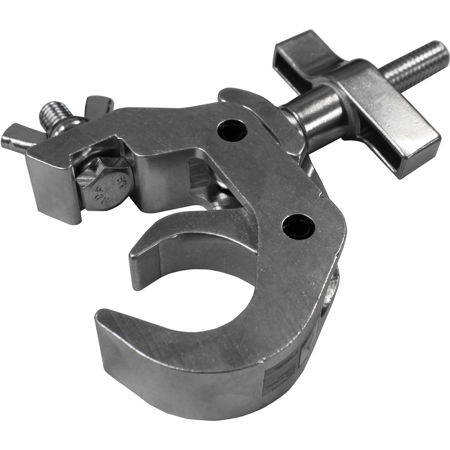
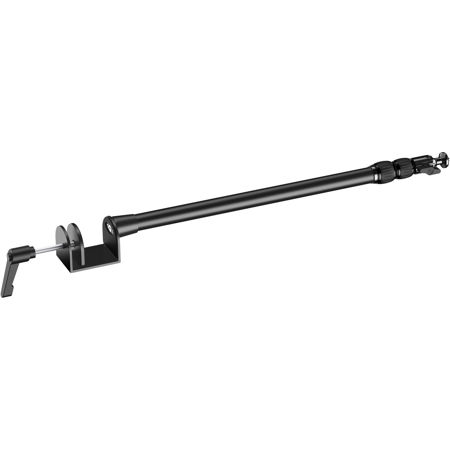
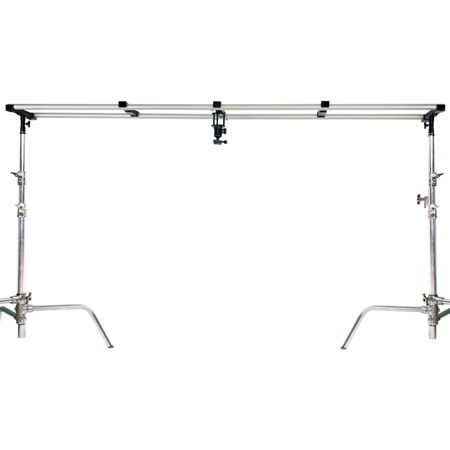
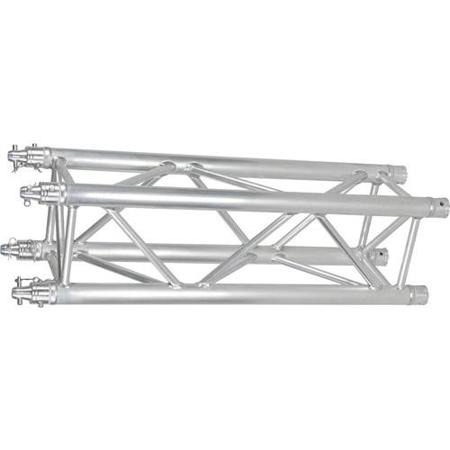
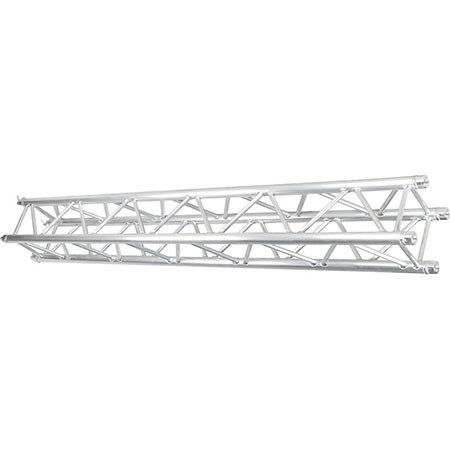
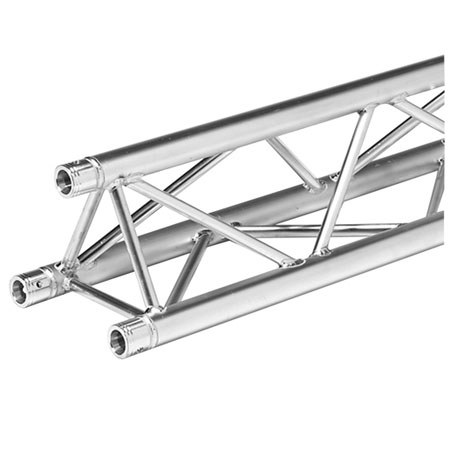
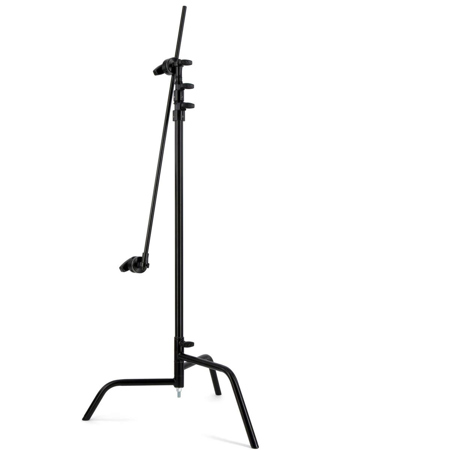
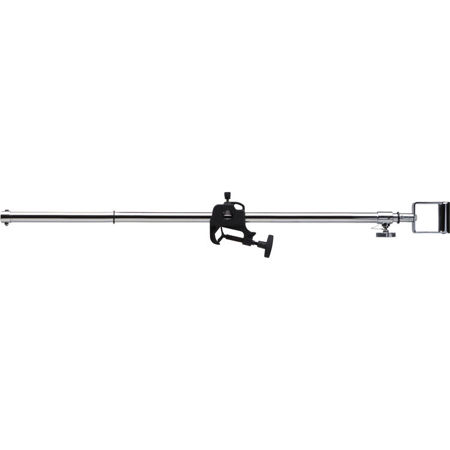
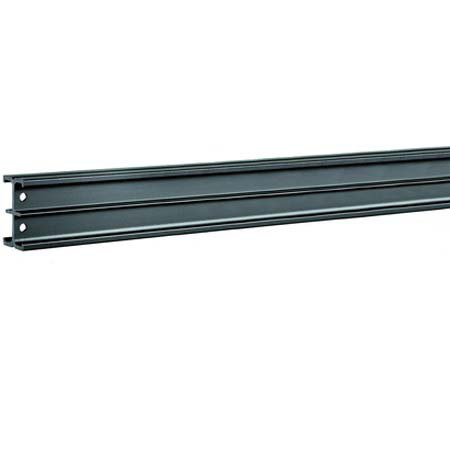
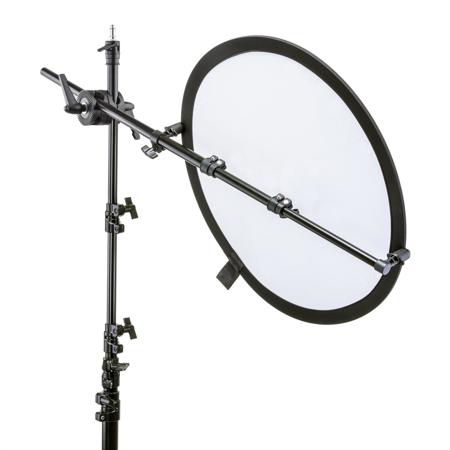
Lighting rigging forms the backbone of any professional stage, studio, or event lighting setup, ensuring that every fixture is positioned precisely where it’s needed to deliver the perfect illumination. Whether you’re outfitting a theater, concert venue, worship space, or a film and photography studio, understanding the essentials of rigging lighting is key to both safety and creative flexibility. At its core, a lighting rig is an interconnected system of trusses, clamps, stands, and safety cables, designed to suspend and secure lighting fixtures overhead or at strategic angles. Truss systems—often constructed from lightweight yet robust aluminum or steel—span large distances and serve as the main support structure for multiple fixtures. These modular frameworks can be configured as boxes, triangles, or ladders, adapting to the unique requirements of each venue or shoot. Clamps and couplers attach lights securely to the truss or pipe, while safety cables provide a critical backup, ensuring that every suspended object remains secure even if a primary connection fails. For smaller spaces, portable stands and boom arms offer stability and flexibility, making them indispensable for on-the-go photographers or mobile event crews.
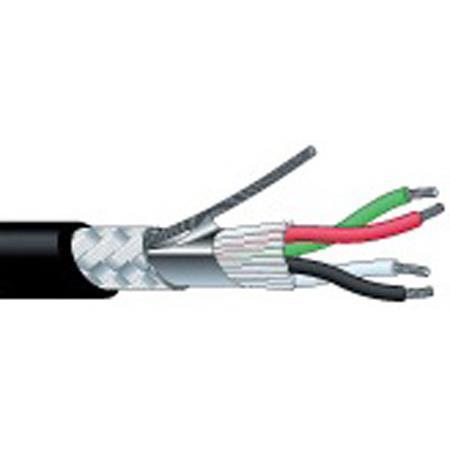
Safety is paramount when it comes to rigging lights, and every component—from the truss to the smallest clamp—must be chosen and maintained with care. Knowing the Safe Working Load (SWL) of each part is essential; exceeding these limits can compromise the entire lighting rig and put both performers and crew at risk. Before raising any gear overhead, it’s wise to inspect all clamps, cables, and power cords for signs of wear while everything is still accessible on the ground. This attention to detail is especially important during the busier seasons, as the weather warms and event calendars fill with concerts, festivals, and outdoor performances. Strategic placement and angling of lights—such as using a 45-degree front angle for stage performers—help achieve the desired effect while minimizing unwanted spill into the audience. The versatility of modern light rigs makes them suitable for a variety of users, from professional lighting designers and gaffers to enthusiastic hobbyists setting up home studios. Even as a thoughtful gift, rigging lighting equipment can be invaluable for students of theater, up-and-coming filmmakers, or anyone passionate about live production.
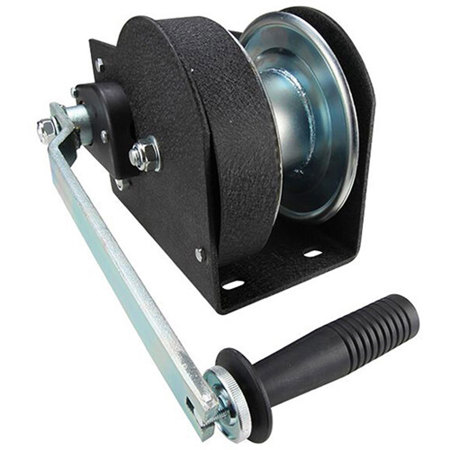
Selecting the right rigging solution often depends on the specific demands of your space and the type of events or productions you’re planning. Large-scale venues may require motorized chain hoists to lift heavy trusses into position, while smaller productions might prioritize lightweight stands and modular hardware for easy transport and setup. Regardless of scale, every lighting rig benefits from high-quality mounting hardware and rigorous safety practices. Those looking to expand or upgrade their setup can explore a comprehensive selection of Stage Lighting Mounting Hardware, ensuring each fixture is mounted securely and safely. As the season transitions from warm summer events to the early days of fall, reliable light rigging equipment continues to play a crucial role in creating memorable visual experiences—whether under the open sky or within the controlled environment of a studio or theater. With the right tools and attention to detail, you can achieve professional-grade results and keep your crew, talent, and audience safe, show after show.
Safety is paramount when it comes to rigging lights, and every component—from the truss to the smallest clamp—must be chosen and maintained with care. Knowing the Safe Working Load (SWL) of each part is essential; exceeding these limits can compromise the entire lighting rig and put both performers and crew at risk. Before raising any gear overhead, it’s wise to inspect all clamps, cables, and power cords for signs of wear while everything is still accessible on the ground. This attention to detail is especially important during the busier seasons, as the weather warms and event calendars fill with concerts, festivals, and outdoor performances. Strategic placement and angling of lights—such as using a 45-degree front angle for stage performers—help achieve the desired effect while minimizing unwanted spill into the audience. The versatility of modern light rigs makes them suitable for a variety of users, from professional lighting designers and gaffers to enthusiastic hobbyists setting up home studios. Even as a thoughtful gift, rigging lighting equipment can be invaluable for students of theater, up-and-coming filmmakers, or anyone passionate about live production.
Selecting the right rigging solution often depends on the specific demands of your space and the type of events or productions you’re planning. Large-scale venues may require motorized chain hoists to lift heavy trusses into position, while smaller productions might prioritize lightweight stands and modular hardware for easy transport and setup. Regardless of scale, every lighting rig benefits from high-quality mounting hardware and rigorous safety practices. Those looking to expand or upgrade their setup can explore a comprehensive selection of Stage Lighting Mounting Hardware, ensuring each fixture is mounted securely and safely. As the season transitions from warm summer events to the early days of fall, reliable light rigging equipment continues to play a crucial role in creating memorable visual experiences—whether under the open sky or within the controlled environment of a studio or theater. With the right tools and attention to detail, you can achieve professional-grade results and keep your crew, talent, and audience safe, show after show.