

Lighting Technician Tools
Lighting technician tools are the backbone of any successful production, whether you’re working in a bustling theater, a film studio, on location, or at a live event. As the weather transitions from the warmth of summer into the cooler, crisp days of fall, productions often move between indoor and outdoor environments, making it more important than ever for technicians to have a reliable arsenal of light equipment. The right lighting tools not only ensure safety but also enable efficiency and precision when rigging, focusing, and troubleshooting lighting setups. A well-equipped tool belt or pouch—often the first thing a seasoned tech reaches for at the start of a shift—might include essentials like a C-wrench or adjustable spanner (sometimes with a sash cord for ladder work), a multi-tool for quick fixes, and a sturdy pair of gloves to protect hands from hot fixtures and sharp truss edges. Technicians rely on a variety of specialized items: focus tools for adjusting wing nuts and fixture clamps, cable testers for ensuring signal integrity, and voltage testers or multimeters for diagnosing power issues on the fly. These tools are not just for professionals; aspiring lighting designers, students, and hobbyists will find these items invaluable, especially as productions ramp up for new seasons, school events, or community performances.
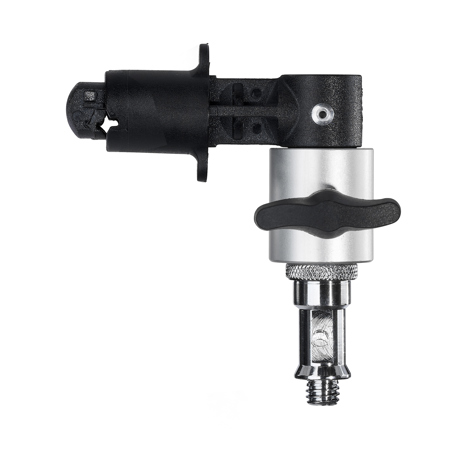
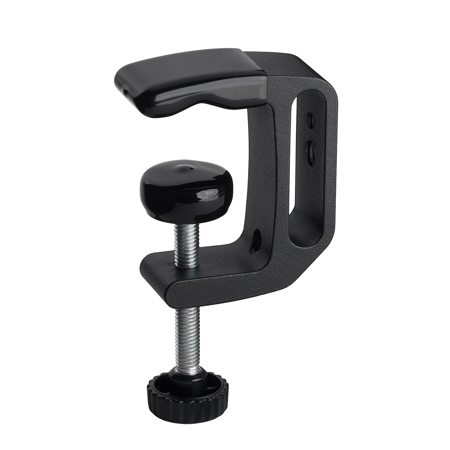
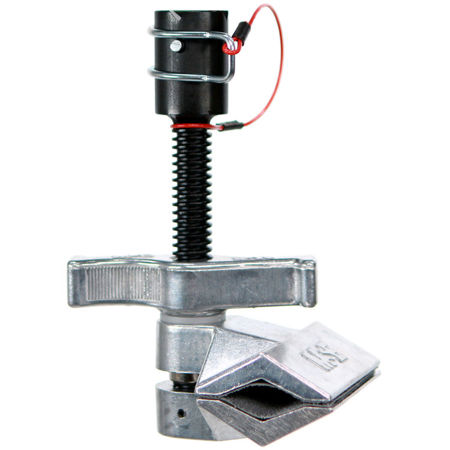
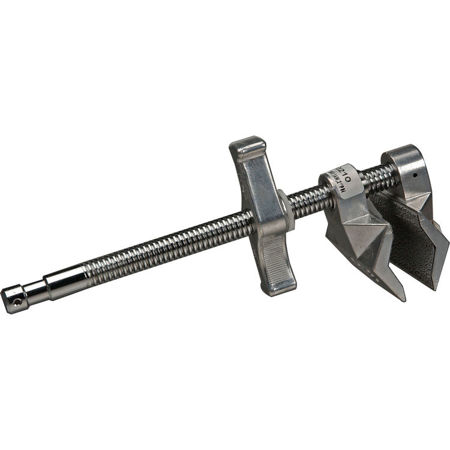
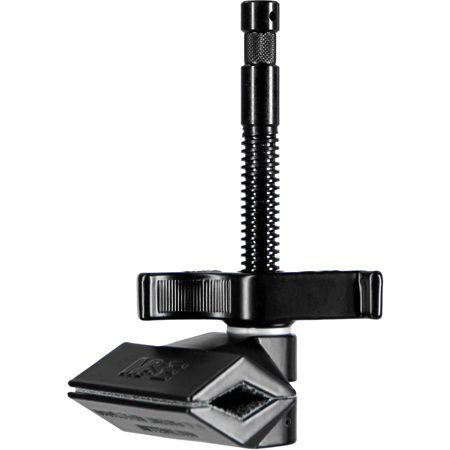
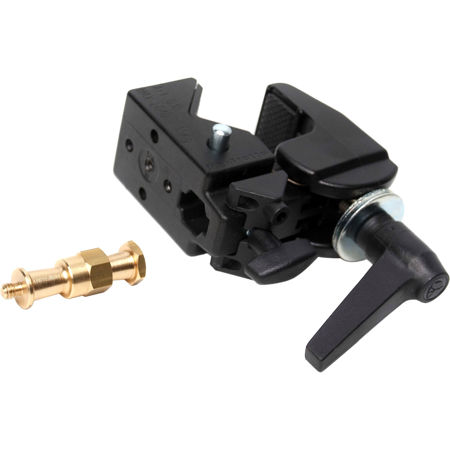
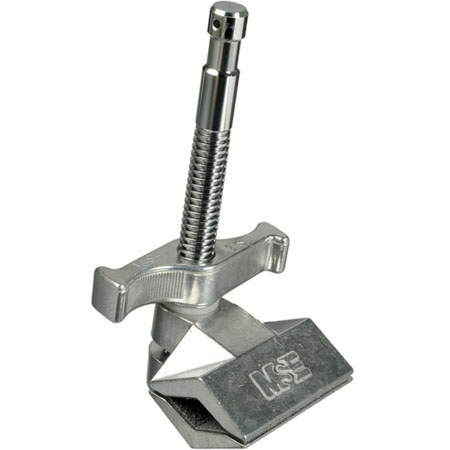
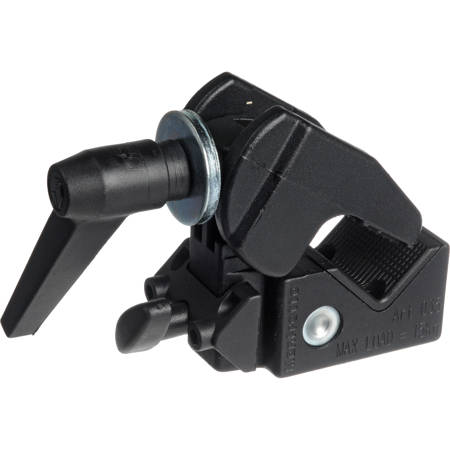
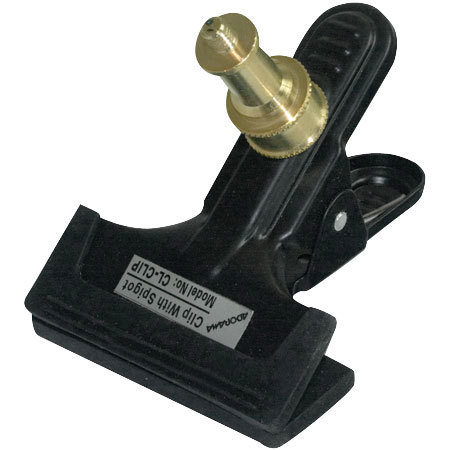
For anyone considering a thoughtful gift for a friend or family member working in stagecraft, film, or live events, lighting technician tools are both practical and appreciated. A high-quality flashlight or headlamp, for example, can be a lifesaver during a late-night load-in or when navigating the dark backstage corridors. Gaff tape, Sharpies, and notepads are the unsung heroes of every toolkit, perfect for labeling, quick repairs, or jotting down cues. Clamps, safety cables, and cube taps help keep equipment secure and power accessible—details that make a production run smoothly and safely. Even small items like clothespins (often called “snappers”) for securing gels or flags can make a significant difference in daily workflow. As productions grow more complex and gear becomes more specialized, having the right combination of screwdrivers, hex keys, ratcheting wrenches, and cable testers ensures that technicians can adapt to any scenario, whether they’re maintaining classic stage lighting or troubleshooting modern DMX-controlled fixtures. For those who are expanding their kit or just starting out, exploring related resources like our Theater Tech Tools page can provide additional inspiration and guidance.
Selecting lighting technician tools involves balancing durability, portability, and versatility. Look for items with rugged construction that can withstand the rigors of daily use in challenging environments—think rain-soaked outdoor festivals, dusty warehouse studios, or the organized chaos of a touring show. Ergonomic grips, reliable locking mechanisms, and clear labeling can make all the difference during long shifts. As the industry evolves, so do the tools: modern lighting techs often carry DMX testers and cable testers designed for both 3-pin and 5-pin XLR connectors, ensuring compatibility with a wide range of fixtures. Whether prepping for a summer concert series, gearing up for fall theater productions, or supporting a school’s drama club, having a comprehensive set of lighting tools empowers technicians to work confidently and efficiently. These tools become a trusted extension of the technician’s hands, enabling creativity, problem-solving, and—most importantly—safe, spectacular lighting for every performance.
For anyone considering a thoughtful gift for a friend or family member working in stagecraft, film, or live events, lighting technician tools are both practical and appreciated. A high-quality flashlight or headlamp, for example, can be a lifesaver during a late-night load-in or when navigating the dark backstage corridors. Gaff tape, Sharpies, and notepads are the unsung heroes of every toolkit, perfect for labeling, quick repairs, or jotting down cues. Clamps, safety cables, and cube taps help keep equipment secure and power accessible—details that make a production run smoothly and safely. Even small items like clothespins (often called “snappers”) for securing gels or flags can make a significant difference in daily workflow. As productions grow more complex and gear becomes more specialized, having the right combination of screwdrivers, hex keys, ratcheting wrenches, and cable testers ensures that technicians can adapt to any scenario, whether they’re maintaining classic stage lighting or troubleshooting modern DMX-controlled fixtures. For those who are expanding their kit or just starting out, exploring related resources like our Theater Tech Tools page can provide additional inspiration and guidance.
Selecting lighting technician tools involves balancing durability, portability, and versatility. Look for items with rugged construction that can withstand the rigors of daily use in challenging environments—think rain-soaked outdoor festivals, dusty warehouse studios, or the organized chaos of a touring show. Ergonomic grips, reliable locking mechanisms, and clear labeling can make all the difference during long shifts. As the industry evolves, so do the tools: modern lighting techs often carry DMX testers and cable testers designed for both 3-pin and 5-pin XLR connectors, ensuring compatibility with a wide range of fixtures. Whether prepping for a summer concert series, gearing up for fall theater productions, or supporting a school’s drama club, having a comprehensive set of lighting tools empowers technicians to work confidently and efficiently. These tools become a trusted extension of the technician’s hands, enabling creativity, problem-solving, and—most importantly—safe, spectacular lighting for every performance.