Lighting Triggers
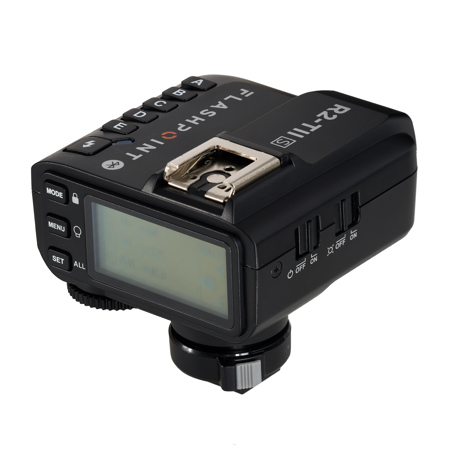
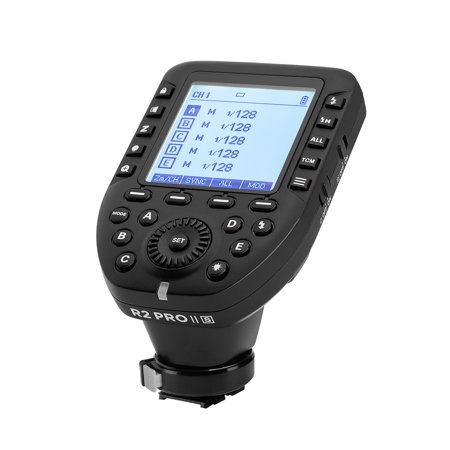
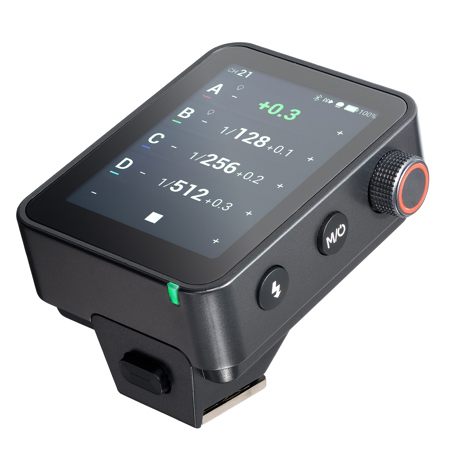
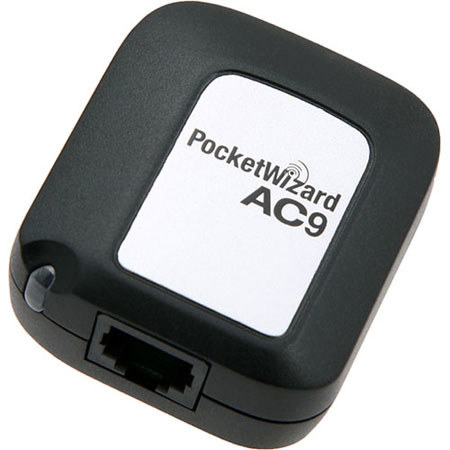
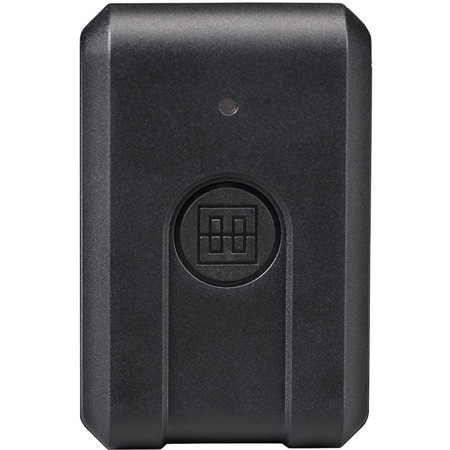
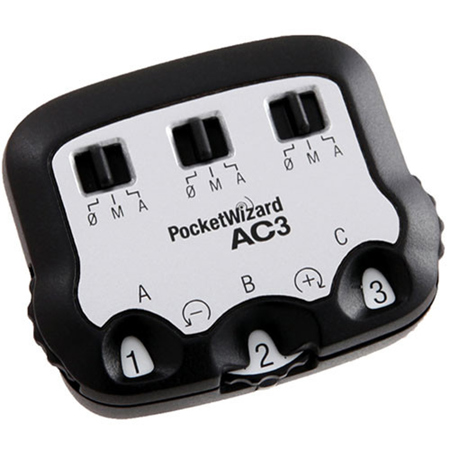
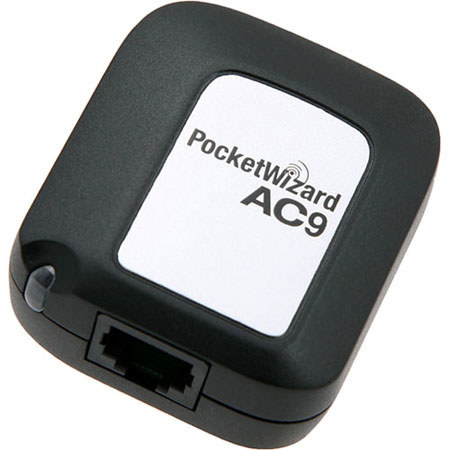
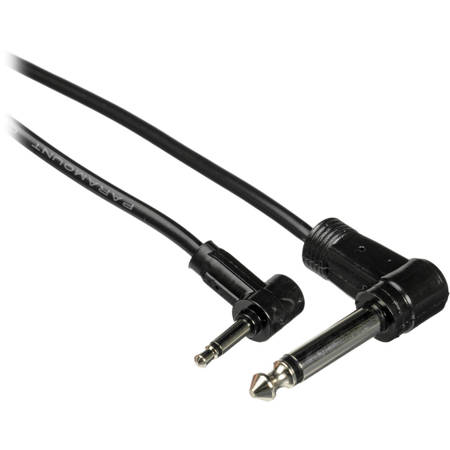
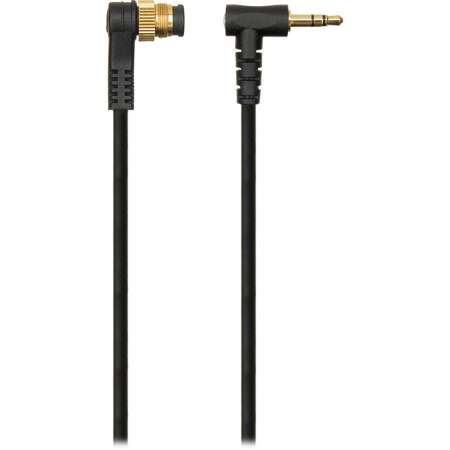
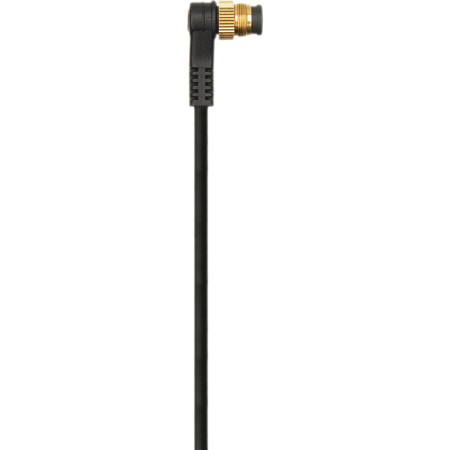
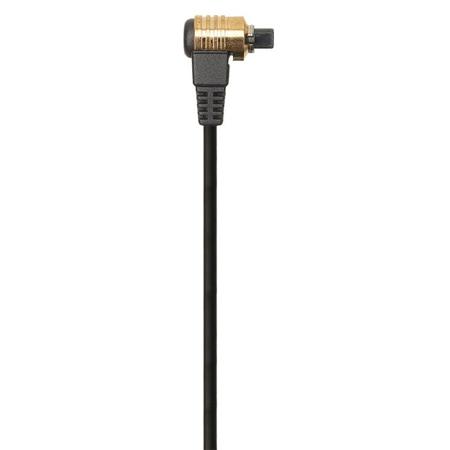
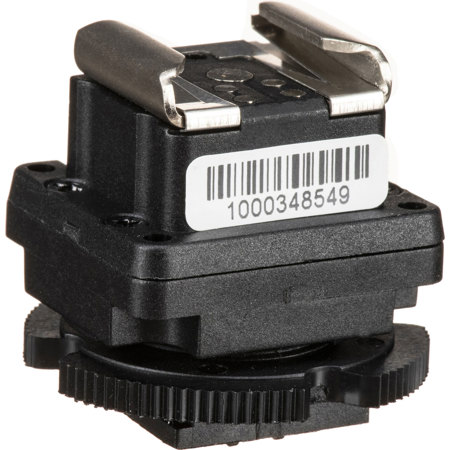
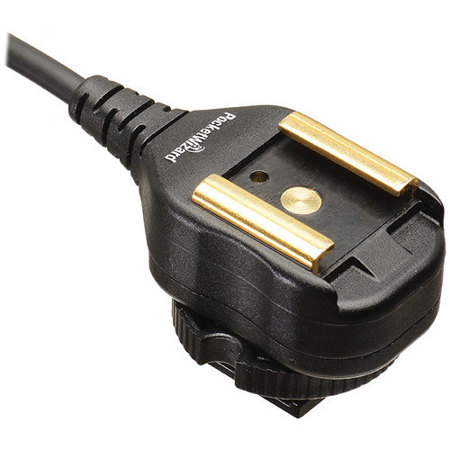
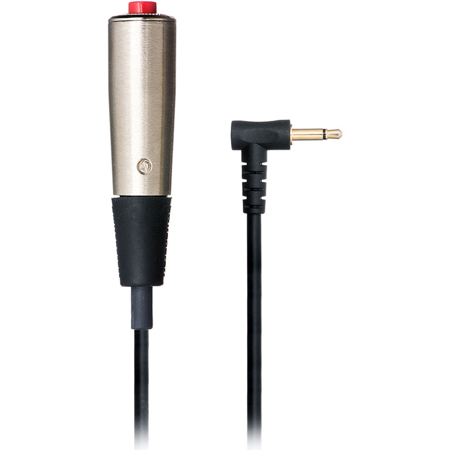
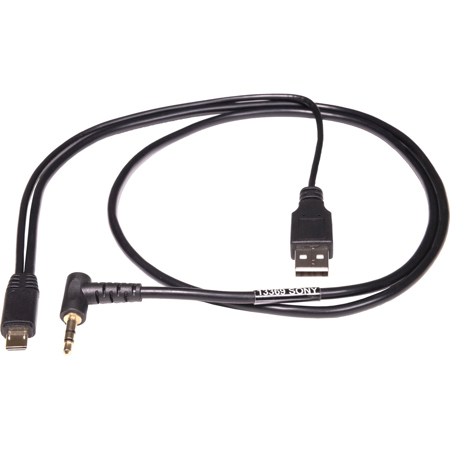
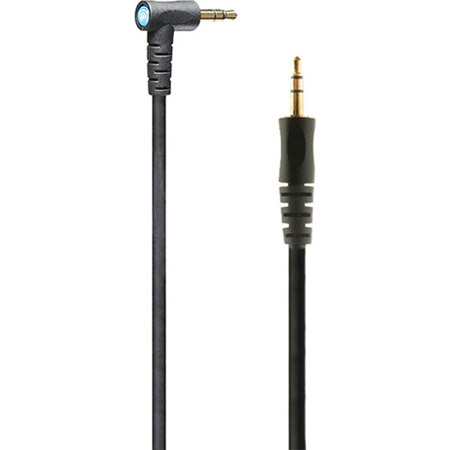
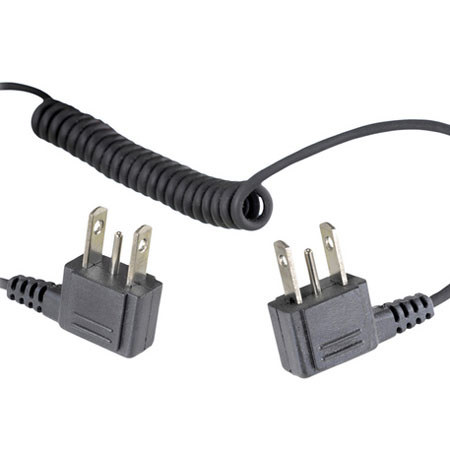
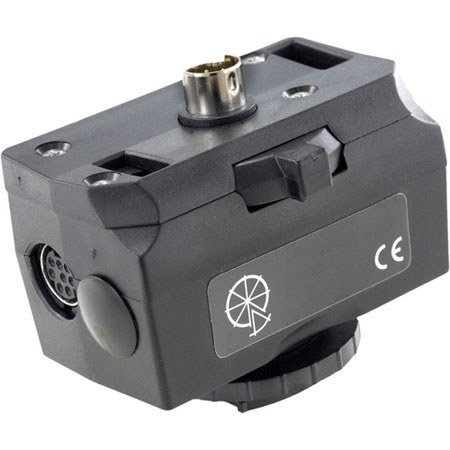
Lighting triggers have become essential tools for photographers who want to capture fleeting moments that are impossible to anticipate with human reflexes alone. Whether you’re chasing summer thunderstorms across open fields or experimenting with high-speed studio photography as the days grow longer, these devices open creative possibilities by automating the process of releasing the camera’s shutter at precisely the right instant. For those drawn to the drama of lightning photography, a trigger can be the difference between missing the shot and capturing a spectacular bolt arcing across the sky. Lightning triggers typically attach to your camera’s hot shoe and connect via a dedicated cable, using either optical sensors that detect sudden flashes of light or electromagnetic pulse (EMP) and radio frequency (RF) sensors that respond to the electrical discharge of a lightning strike. The choice between optical and RF sensors often comes down to shooting conditions and personal preference—optical triggers are sensitive and fast, perfect for catching daylight strikes, while RF-based models excel in variable lighting and tend to avoid false positives from ambient sources.
For enthusiasts and professionals alike, evaluating the retail company Adorama on optical triggers can be a wise step, as the selection covers a range of needs from entry-level experimentation to advanced storm chasing. If you’re gifting a lighting trigger, consider the recipient’s style: a landscape photographer might appreciate a weather-resistant, easy-to-use model for field work, while a studio shooter may benefit from a multi-functional device that can also handle sound or laser triggers. These tools aren’t just for storm chasers—event photographers, macro specialists, and anyone keen to freeze fast-moving action can find value in a reliable trigger. As outdoor conditions shift from warm afternoons to brisk evenings, the opportunity for dynamic weather events increases, offering more chances to capture lightning, fireworks, or other unpredictable phenomena. For those who prefer to work indoors, lighting triggers can also sync with flashes or strobes for creative effects, making them a versatile addition to any kit. While some modern cameras offer pre-release capture or extended burst modes that can substitute for a trigger in certain scenarios, dedicated devices remain the gold standard for precision and consistency.
When selecting a lighting trigger, consider compatibility with your camera model, sensor type, and the environments you plan to shoot in. Battery life, weather sealing, and ease of setup are practical factors, especially if you anticipate spending hours waiting for the perfect shot. Many triggers now feature smartphone integration for real-time adjustments, allowing for greater flexibility as lighting and weather conditions change. If your interests extend beyond lightning to include studio work or off-camera flash, you may want to explore related options like Strobe Triggers for even more creative control. Investing in a quality lighting trigger can transform the way you approach both planned and spontaneous photography, empowering you to capture moments that would otherwise slip by in the blink of an eye. Whether you’re building your own kit or shopping for a thoughtful gift, these tools offer a blend of technical sophistication and practical utility that appeals to photographers at every level.
For enthusiasts and professionals alike, evaluating the retail company Adorama on optical triggers can be a wise step, as the selection covers a range of needs from entry-level experimentation to advanced storm chasing. If you’re gifting a lighting trigger, consider the recipient’s style: a landscape photographer might appreciate a weather-resistant, easy-to-use model for field work, while a studio shooter may benefit from a multi-functional device that can also handle sound or laser triggers. These tools aren’t just for storm chasers—event photographers, macro specialists, and anyone keen to freeze fast-moving action can find value in a reliable trigger. As outdoor conditions shift from warm afternoons to brisk evenings, the opportunity for dynamic weather events increases, offering more chances to capture lightning, fireworks, or other unpredictable phenomena. For those who prefer to work indoors, lighting triggers can also sync with flashes or strobes for creative effects, making them a versatile addition to any kit. While some modern cameras offer pre-release capture or extended burst modes that can substitute for a trigger in certain scenarios, dedicated devices remain the gold standard for precision and consistency.
When selecting a lighting trigger, consider compatibility with your camera model, sensor type, and the environments you plan to shoot in. Battery life, weather sealing, and ease of setup are practical factors, especially if you anticipate spending hours waiting for the perfect shot. Many triggers now feature smartphone integration for real-time adjustments, allowing for greater flexibility as lighting and weather conditions change. If your interests extend beyond lightning to include studio work or off-camera flash, you may want to explore related options like Strobe Triggers for even more creative control. Investing in a quality lighting trigger can transform the way you approach both planned and spontaneous photography, empowering you to capture moments that would otherwise slip by in the blink of an eye. Whether you’re building your own kit or shopping for a thoughtful gift, these tools offer a blend of technical sophistication and practical utility that appeals to photographers at every level.