Loop Stations
Loop stations have become a cornerstone in the creative toolkit of musicians, vocalists, beatboxers, and performers seeking to expand their sound and performance possibilities. Whether you’re a solo artist building rich, multi-layered arrangements on stage, a songwriter experimenting with new ideas at home, or a music educator inspiring students to explore rhythm and harmony, loop stations offer an intuitive way to capture, layer, and manipulate audio in real time. These devices are especially popular among guitarists and instrumentalists who want to accompany themselves, as well as vocalists who use looping to create harmonies and intricate textures live. As winter lingers and the days remain short, many artists find this season ideal for honing new techniques and experimenting with soundscapes indoors—loop stations are the perfect companion for these creative sessions, letting you build entire compositions from a single instrument or voice. They also make thoughtful gifts for aspiring musicians, producers, or anyone interested in exploring music technology, providing hours of inspiration and hands-on learning.
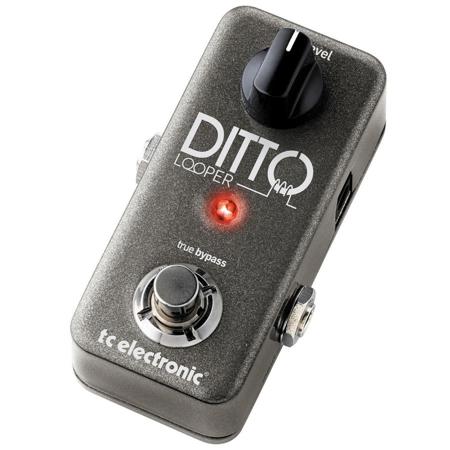
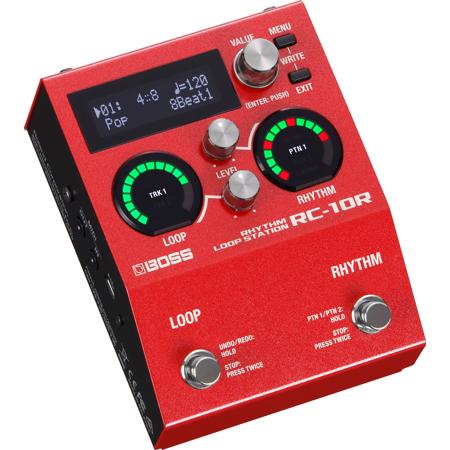
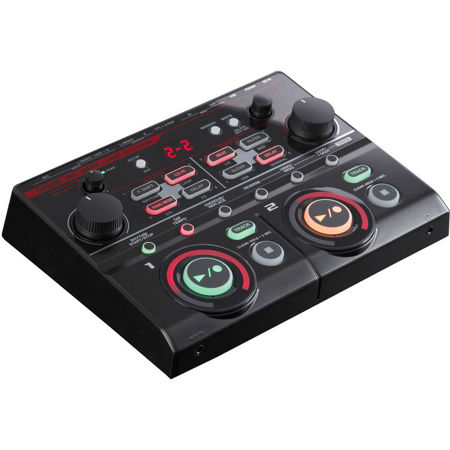
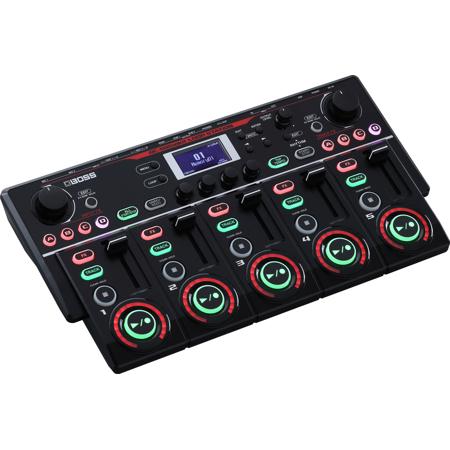
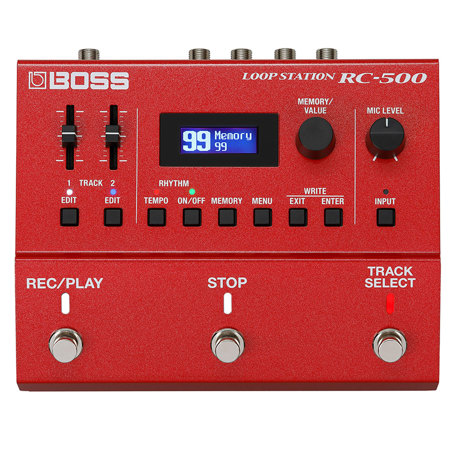
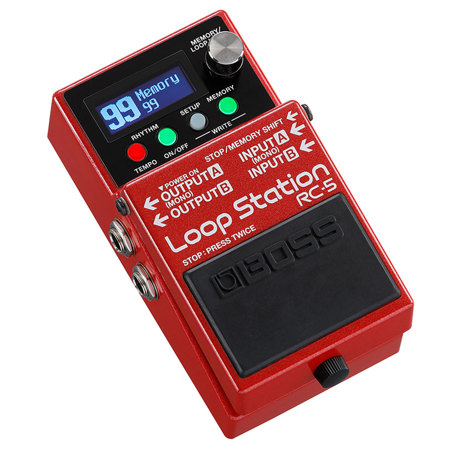
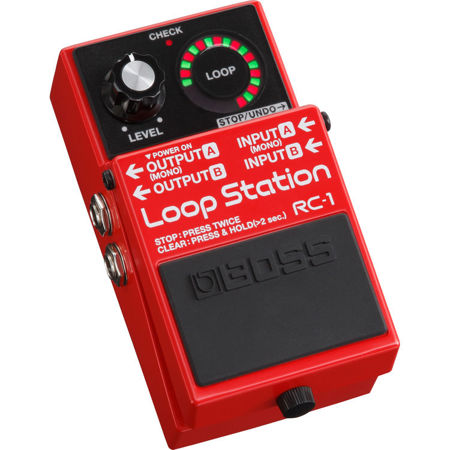
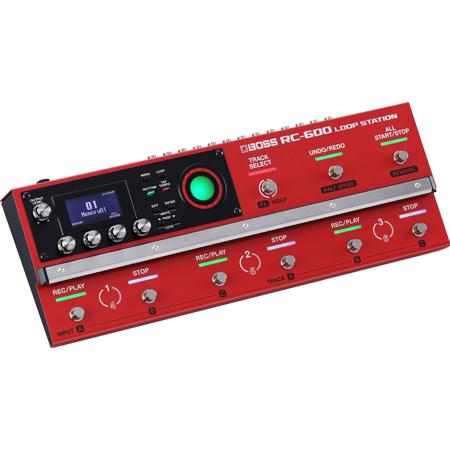
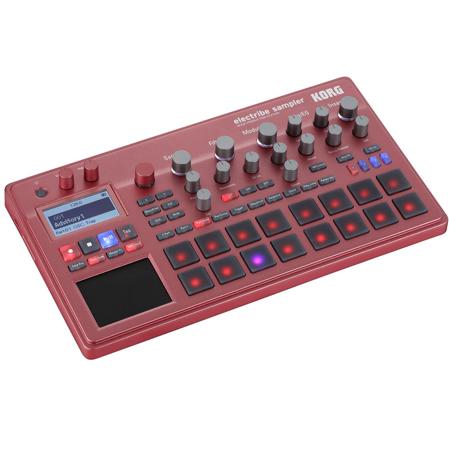
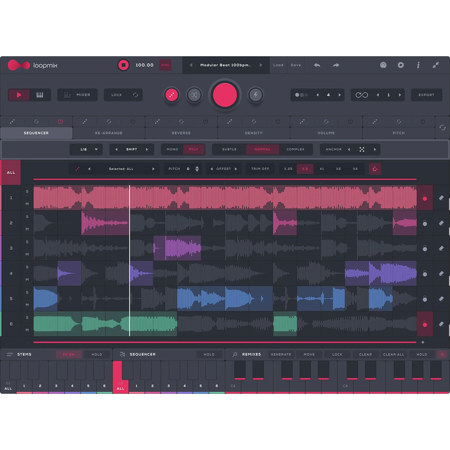
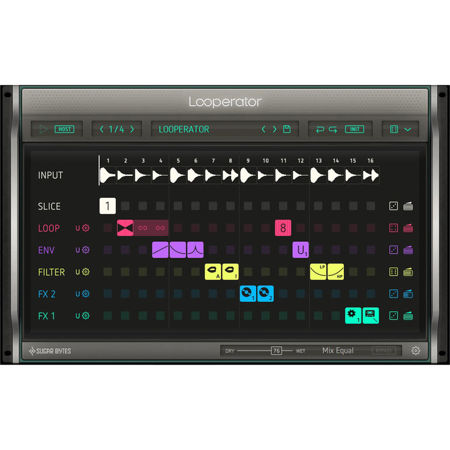
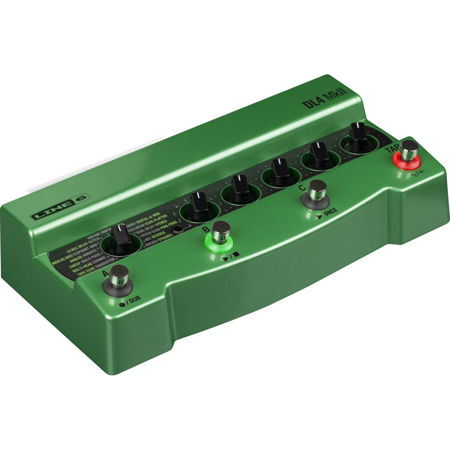
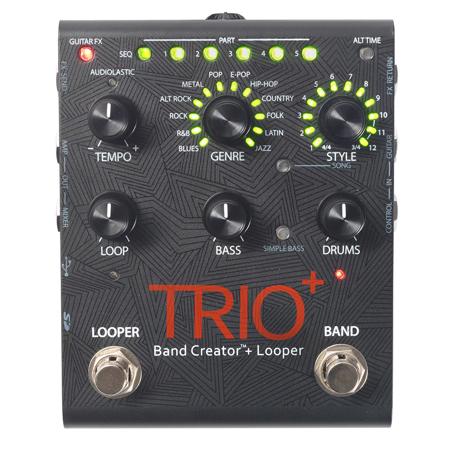
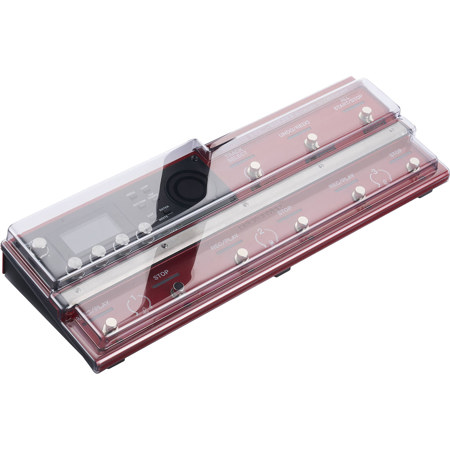
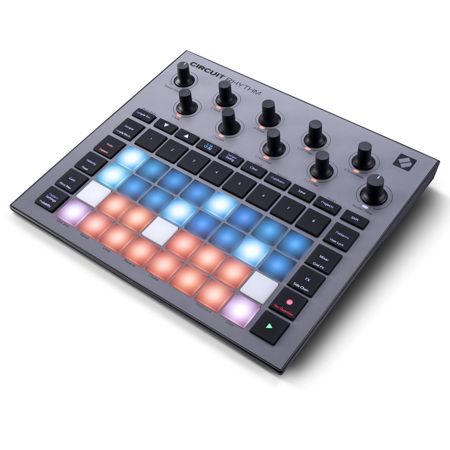
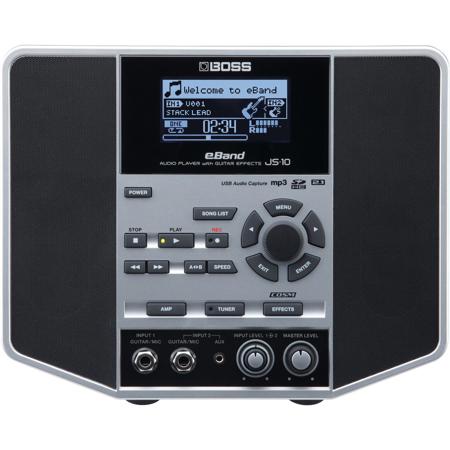
When selecting a loop station, it’s important to consider how you plan to use it and what features will best support your creative process. Compact pedal-style loopers are great for guitarists or traveling musicians who need portability and simplicity, offering straightforward controls for recording, overdubbing, and playback. Desktop units, on the other hand, provide more extensive functionality, including multiple tracks, built-in effects, and advanced connectivity options, making them a favorite among beatboxers, electronic musicians, and multi-instrumentalists. Many modern loop stations feature high-quality 32-bit audio processing, generous onboard memory for storing multiple loops and phrases, and options for undo/redo, which are invaluable for live improvisation or refining arrangements. Connectivity features such as USB ports for importing and exporting loops, MIDI synchronization for integration with other gear, and external footswitch support for hands-free operation can further expand your creative possibilities. For those interested in creating immersive, stereo soundscapes, exploring dedicated Stereo Looper Pedals can open up new dimensions in both studio and live settings.
Loop stations are much more than simple recording devices—they are powerful tools for sparking creativity, improving timing and phrasing, and elevating live performances. Many musicians use them as practice partners, building complex rhythmic and melodic layers to play or sing along with, while others rely on their looping capabilities to construct full-band arrangements as solo performers. The ability to instantly capture and manipulate ideas makes loop stations invaluable for songwriting and composition, allowing for experimentation with harmonies, textures, and song structures on the fly. In live settings, loop stations enable performers to engage audiences with dynamic, evolving soundscapes, often building entire songs from scratch in real time. Whether you’re looking to expand your personal practice, add new dimensions to your performances, or give a meaningful gift to a creative friend, a loop station is a versatile investment that grows with your musical journey. As you explore the range of loop stations available, consider your workflow, performance needs, and the types of sounds you want to create—there’s a model out there to match every artist’s vision and ambition.
When selecting a loop station, it’s important to consider how you plan to use it and what features will best support your creative process. Compact pedal-style loopers are great for guitarists or traveling musicians who need portability and simplicity, offering straightforward controls for recording, overdubbing, and playback. Desktop units, on the other hand, provide more extensive functionality, including multiple tracks, built-in effects, and advanced connectivity options, making them a favorite among beatboxers, electronic musicians, and multi-instrumentalists. Many modern loop stations feature high-quality 32-bit audio processing, generous onboard memory for storing multiple loops and phrases, and options for undo/redo, which are invaluable for live improvisation or refining arrangements. Connectivity features such as USB ports for importing and exporting loops, MIDI synchronization for integration with other gear, and external footswitch support for hands-free operation can further expand your creative possibilities. For those interested in creating immersive, stereo soundscapes, exploring dedicated Stereo Looper Pedals can open up new dimensions in both studio and live settings.
Loop stations are much more than simple recording devices—they are powerful tools for sparking creativity, improving timing and phrasing, and elevating live performances. Many musicians use them as practice partners, building complex rhythmic and melodic layers to play or sing along with, while others rely on their looping capabilities to construct full-band arrangements as solo performers. The ability to instantly capture and manipulate ideas makes loop stations invaluable for songwriting and composition, allowing for experimentation with harmonies, textures, and song structures on the fly. In live settings, loop stations enable performers to engage audiences with dynamic, evolving soundscapes, often building entire songs from scratch in real time. Whether you’re looking to expand your personal practice, add new dimensions to your performances, or give a meaningful gift to a creative friend, a loop station is a versatile investment that grows with your musical journey. As you explore the range of loop stations available, consider your workflow, performance needs, and the types of sounds you want to create—there’s a model out there to match every artist’s vision and ambition.