Low Voltage Power Supplies
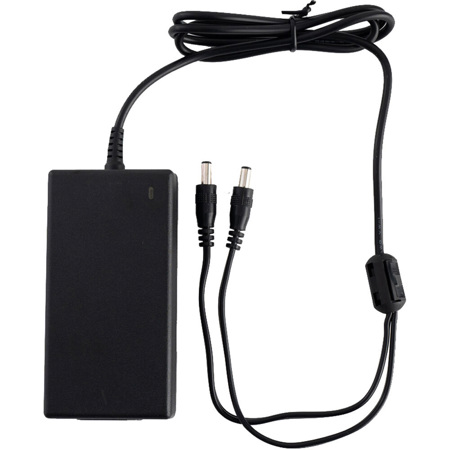
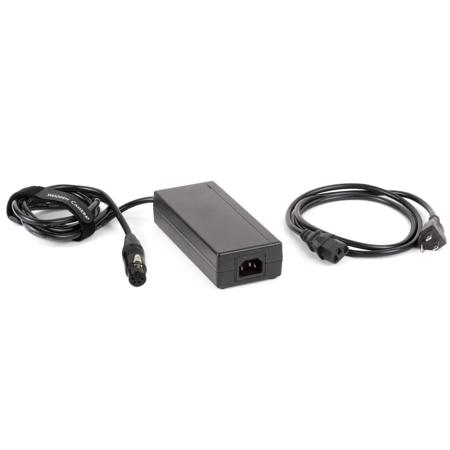
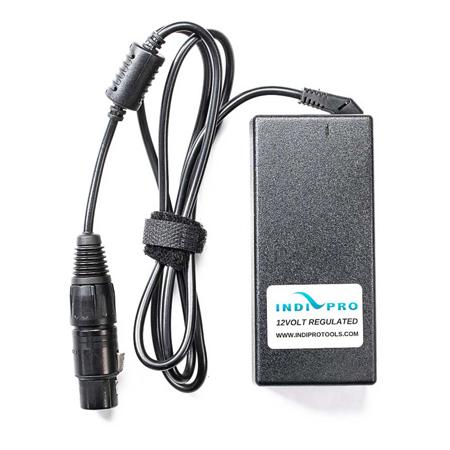
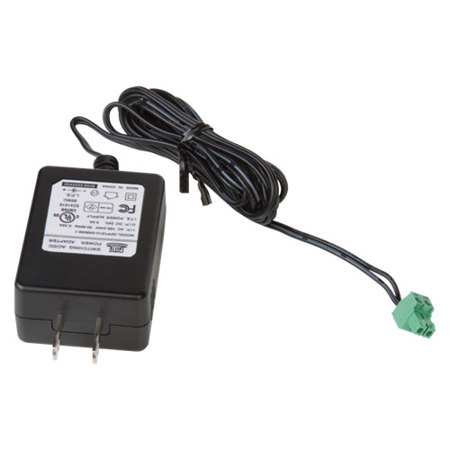
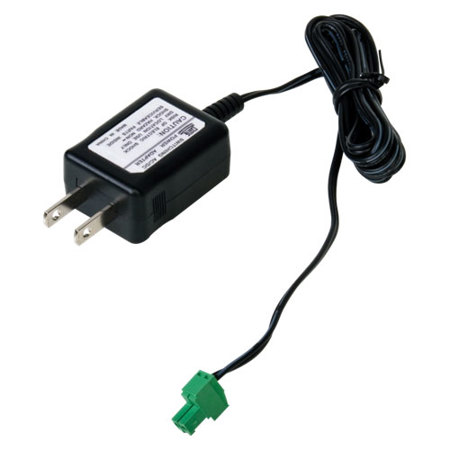
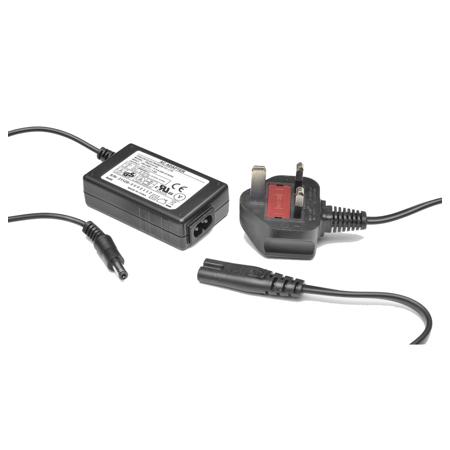
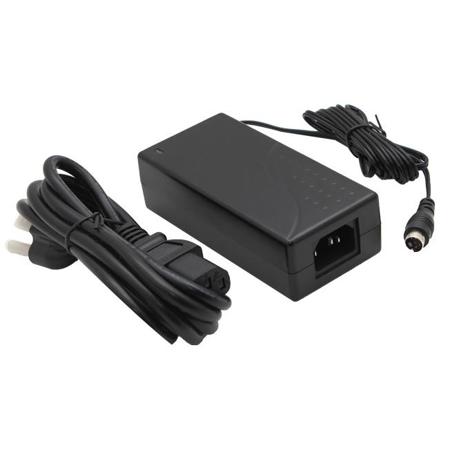
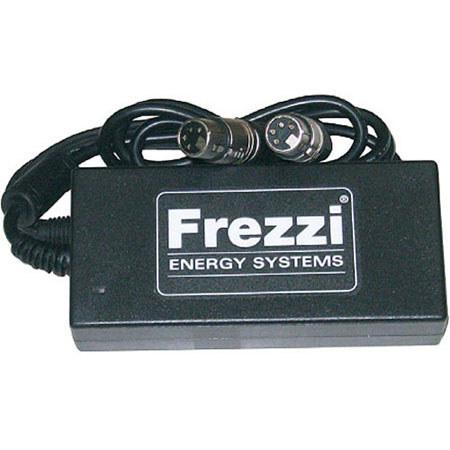
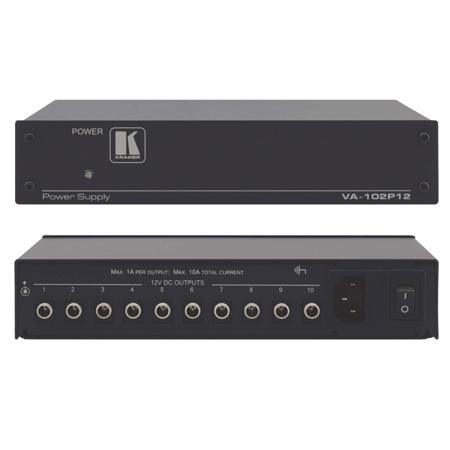
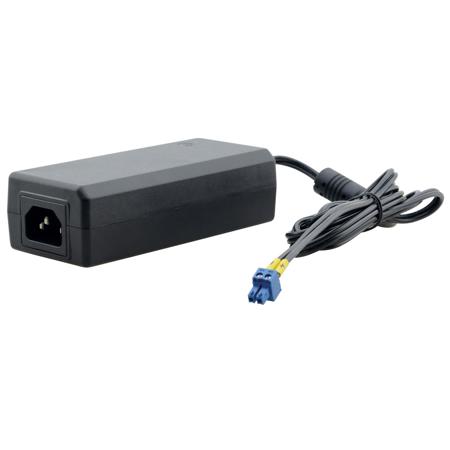
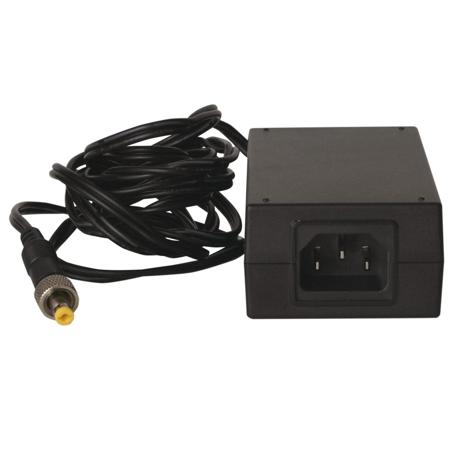
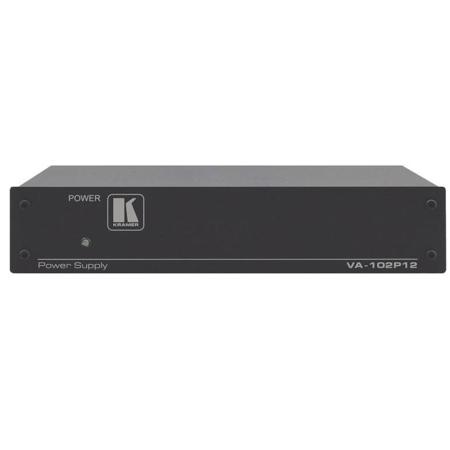
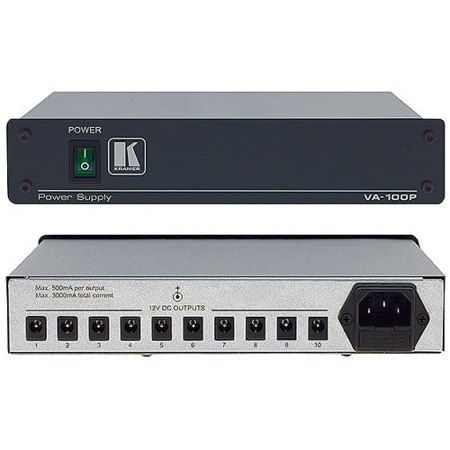
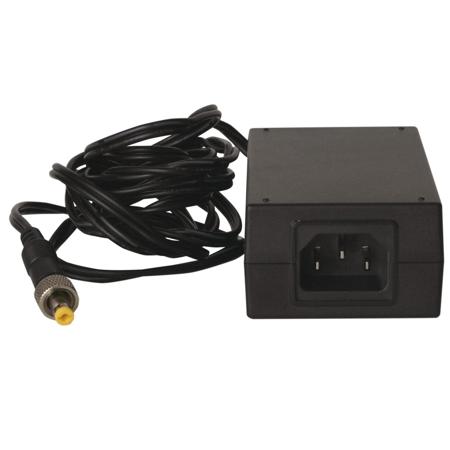
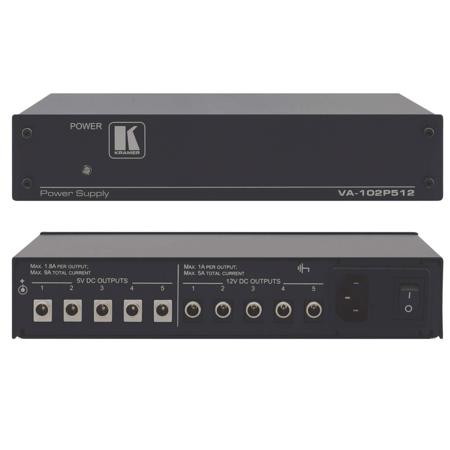
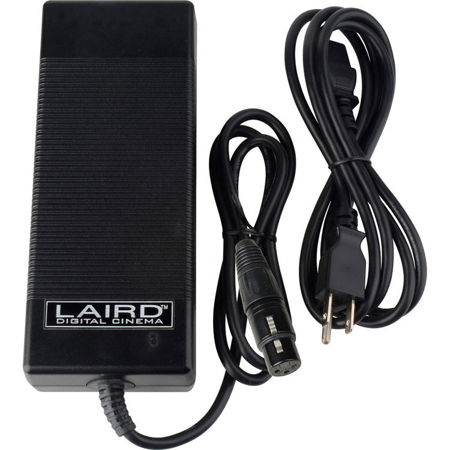
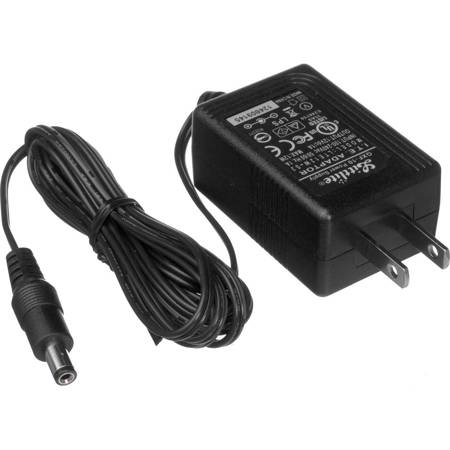
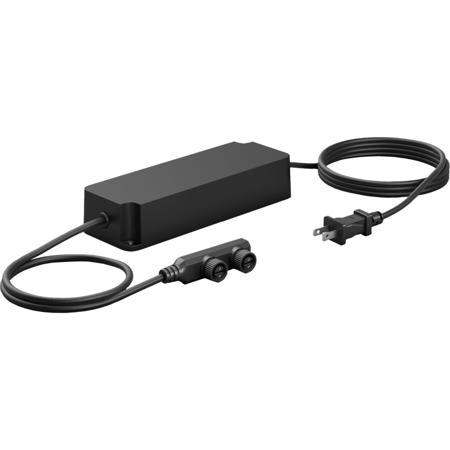
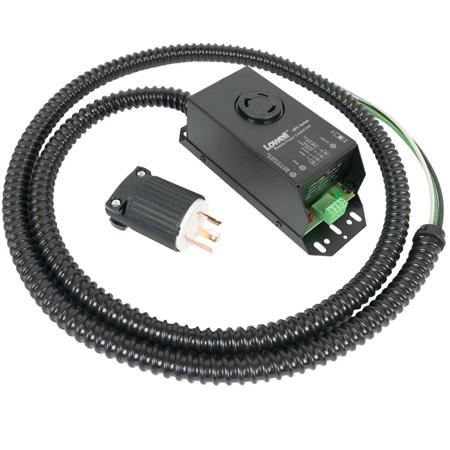
Low voltage power supplies are the unsung heroes behind countless creative, professional, and technical pursuits, quietly delivering the reliable and consistent power necessary to keep sensitive equipment running at its best. Whether you’re setting up a winter studio session in January’s crisp, short days or outfitting a workshop for year-round use, these compact yet essential devices are foundational for photographers, videographers, audio engineers, and electronics enthusiasts alike. Their primary appeal lies in their ability to safely energize devices that require lower voltages—often in the range of 3V to 24V—minimizing the risks of overheating or damaging delicate circuits. This makes them indispensable for powering LED lighting setups, camera accessories, portable audio recorders, and a wide variety of testing and measurement tools. In the creative arts, for example, a low voltage power supply might be the heartbeat of a custom light rig, illuminating a model’s face with just the right glow during a winter portrait session, or keeping a field audio recorder humming along during a long day of interviews. For hobbyists and engineers, these supplies are the backbone of DIY electronics projects, from building synthesizers to prototyping new inventions on a chilly weekend afternoon.
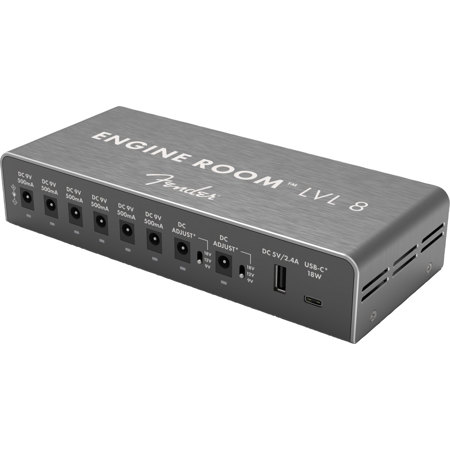
When choosing a low voltage power supply, several practical factors come into play, each one shaped by the unique demands of your workflow or project. Output voltage and current capacity are at the top of the list—matching the supply to your device’s requirements is crucial for both performance and safety. Adjustable models offer the flexibility to power a range of devices, making them a versatile choice for studios or labs where equipment varies from day to day. For those working in audio and video production, noise suppression and voltage stability are paramount; a clean, steady current can mean the difference between a flawless recording and one marred by interference. Physical size and portability may also matter, especially if your gear needs to travel from location to location, or if your workspace is tight on room. Safety features such as overcurrent protection, short-circuit prevention, and thermal shutdown provide peace of mind, particularly in environments where gear is in constant use. As winter brings more indoor projects and creative experimentation, a dependable low voltage power supply can be a thoughtful gift for the tinkerer, the aspiring content creator, or the professional seeking to streamline their setup—something that will see frequent, appreciative use throughout the year.
For those whose work or hobbies occasionally demand more robust energy delivery, it’s worth exploring the differences between low voltage and high voltage solutions. While low voltage supplies are ideal for sensitive electronics and portable gear, applications such as powering studio strobes, industrial equipment, or scientific instruments may require the added muscle of a higher voltage unit. If your needs extend to powering devices that operate at higher voltages, you can find a curated selection of High Voltage Power Supplies to ensure you have the right tool for every scenario. No matter your field or passion, investing in the right power supply is a choice that pays dividends in reliability, performance, and creative freedom—especially as the quiet focus of the winter months invites new projects and fresh inspiration.
When choosing a low voltage power supply, several practical factors come into play, each one shaped by the unique demands of your workflow or project. Output voltage and current capacity are at the top of the list—matching the supply to your device’s requirements is crucial for both performance and safety. Adjustable models offer the flexibility to power a range of devices, making them a versatile choice for studios or labs where equipment varies from day to day. For those working in audio and video production, noise suppression and voltage stability are paramount; a clean, steady current can mean the difference between a flawless recording and one marred by interference. Physical size and portability may also matter, especially if your gear needs to travel from location to location, or if your workspace is tight on room. Safety features such as overcurrent protection, short-circuit prevention, and thermal shutdown provide peace of mind, particularly in environments where gear is in constant use. As winter brings more indoor projects and creative experimentation, a dependable low voltage power supply can be a thoughtful gift for the tinkerer, the aspiring content creator, or the professional seeking to streamline their setup—something that will see frequent, appreciative use throughout the year.
For those whose work or hobbies occasionally demand more robust energy delivery, it’s worth exploring the differences between low voltage and high voltage solutions. While low voltage supplies are ideal for sensitive electronics and portable gear, applications such as powering studio strobes, industrial equipment, or scientific instruments may require the added muscle of a higher voltage unit. If your needs extend to powering devices that operate at higher voltages, you can find a curated selection of High Voltage Power Supplies to ensure you have the right tool for every scenario. No matter your field or passion, investing in the right power supply is a choice that pays dividends in reliability, performance, and creative freedom—especially as the quiet focus of the winter months invites new projects and fresh inspiration.