
M 2 SSDs
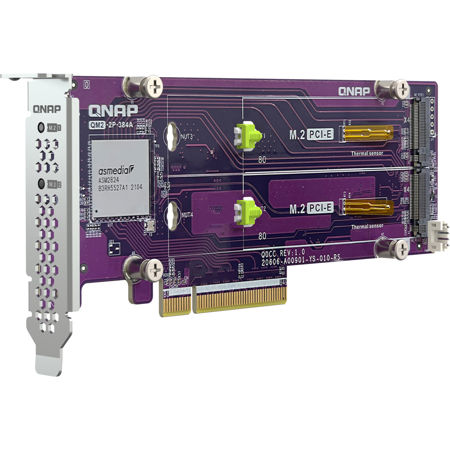
As technology continues to advance and digital workloads become more demanding, M.2 SSDs have emerged as the preferred storage solution for both professionals and enthusiasts seeking exceptional speed, reliability, and space-saving design. These compact, gumstick-sized drives fit seamlessly into modern desktops, gaming laptops, and even gaming consoles, making them a versatile upgrade for a wide range of users. Whether you’re a content creator editing high-resolution video, a gamer looking for lightning-fast load times, or a professional who needs rapid data access for large projects, an M.2 SSD can transform your experience. The difference is particularly noticeable when upgrading from traditional hard drives or even older SATA-based SSDs—boot times shrink, file transfers accelerate, and applications launch in the blink of an eye. As the weather warms and projects ramp up, the efficiency of an M.2 NVMe SSD is especially valuable, letting you spend less time waiting and more time creating, gaming, or collaborating.
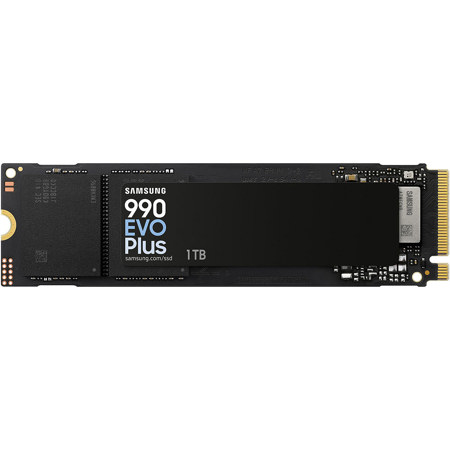
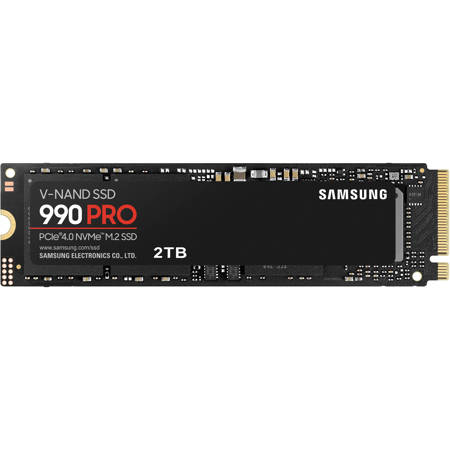
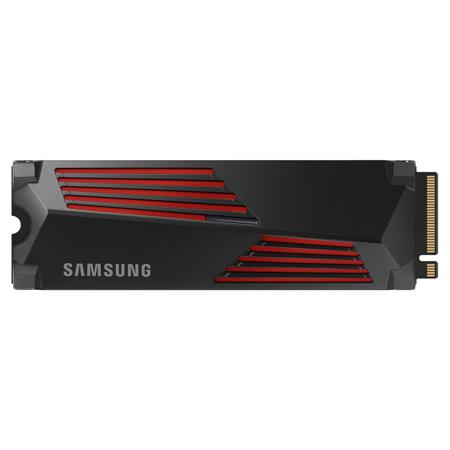
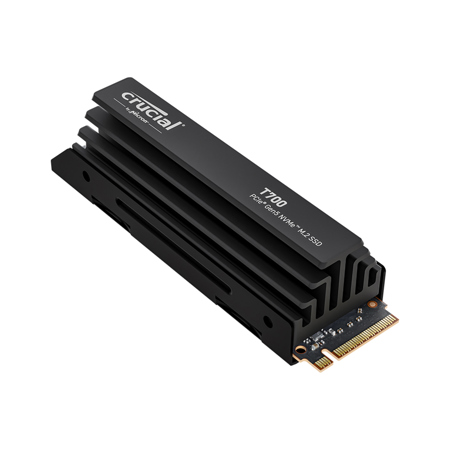
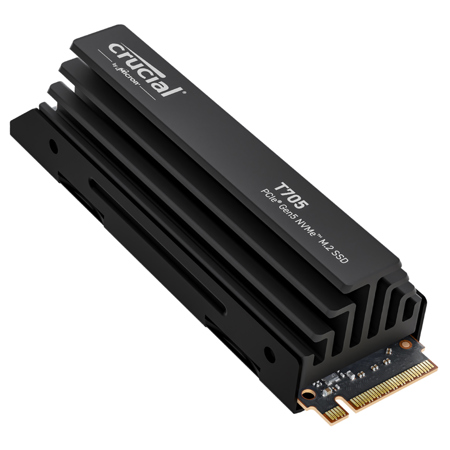
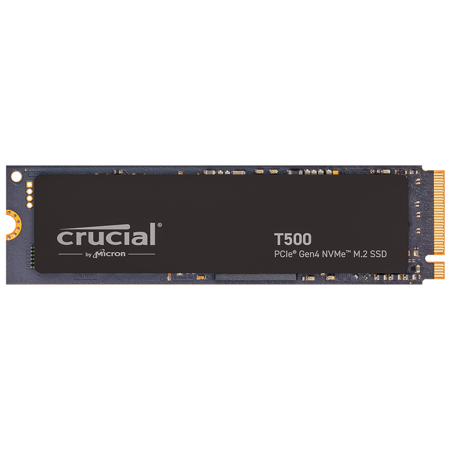
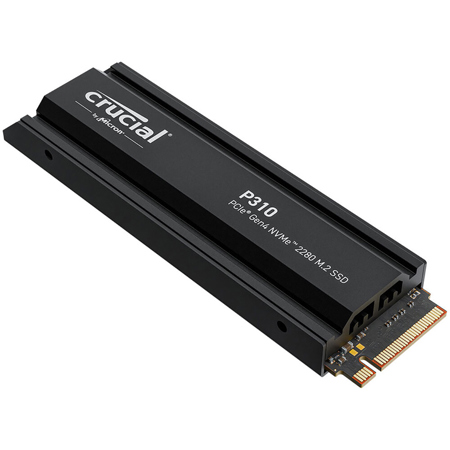
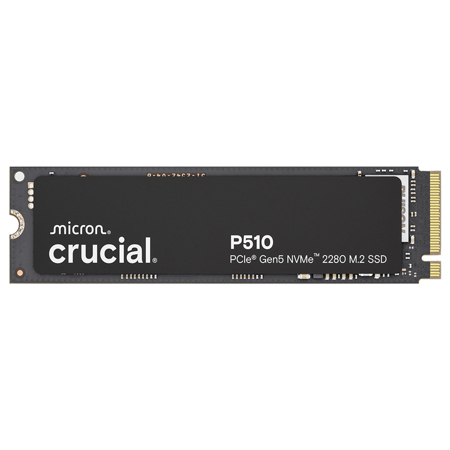
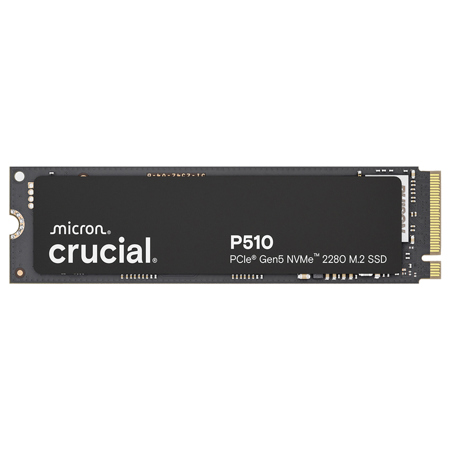
When choosing an M.2 SSD, there are several important considerations to ensure compatibility and optimal performance. First, understand the difference between M.2 NVMe and M.2 SATA drives. While both use the same physical form factor, M.2 NVMe SSDs leverage the PCIe interface for dramatically faster data transfer rates—often exceeding 7,000 MB/s—making them ideal for gaming, professional photo and video editing, or any application where speed is paramount. On the other hand, M.2 SATA SSDs are limited to the speeds of the older SATA III interface, which may suffice for everyday computing but are less suited for high-performance tasks. Another key factor is capacity: a 2T SSD (2 terabytes) provides ample space for large game libraries, creative assets, or extensive project files, ensuring you’re prepared for growing storage needs throughout the busy summer and into the fall. Additionally, pay attention to the PCIe generation supported by your motherboard—Gen 4 and Gen 5 M.2 NVMe SSDs offer the latest advancements in speed, but require compatible hardware to unlock their full potential. Physical size also matters; the 2280 form factor (22mm wide by 80mm long) is the most common and is supported by the majority of modern systems. For users pushing their systems to the limit, such as during marathon gaming sessions or intensive creative workflows, consider drives with integrated heatsinks or ensure your system’s cooling is adequate to prevent thermal throttling and maintain peak performance.
M.2 SSDs make thoughtful gifts for tech enthusiasts, students heading off to college, or anyone building or upgrading a PC as a summer project. Their plug-and-play installation and ability to breathe new life into aging systems make them a practical and impactful choice. As you explore storage solutions for your needs, you may also encounter other form factors like U.2 SSDs, which are designed for enterprise environments and specialized applications; for more information, visit our dedicated page on U 2 SSDs. Ultimately, whether you’re looking to speed up your workflow, expand your storage, or ensure your system is ready for the latest games and creative software, investing in a quality M.2 SSD is a decision that pays dividends in both productivity and enjoyment. With the right drive, you can tackle any task with confidence, knowing your data is secure and accessible at the speed of inspiration.
When choosing an M.2 SSD, there are several important considerations to ensure compatibility and optimal performance. First, understand the difference between M.2 NVMe and M.2 SATA drives. While both use the same physical form factor, M.2 NVMe SSDs leverage the PCIe interface for dramatically faster data transfer rates—often exceeding 7,000 MB/s—making them ideal for gaming, professional photo and video editing, or any application where speed is paramount. On the other hand, M.2 SATA SSDs are limited to the speeds of the older SATA III interface, which may suffice for everyday computing but are less suited for high-performance tasks. Another key factor is capacity: a 2T SSD (2 terabytes) provides ample space for large game libraries, creative assets, or extensive project files, ensuring you’re prepared for growing storage needs throughout the busy summer and into the fall. Additionally, pay attention to the PCIe generation supported by your motherboard—Gen 4 and Gen 5 M.2 NVMe SSDs offer the latest advancements in speed, but require compatible hardware to unlock their full potential. Physical size also matters; the 2280 form factor (22mm wide by 80mm long) is the most common and is supported by the majority of modern systems. For users pushing their systems to the limit, such as during marathon gaming sessions or intensive creative workflows, consider drives with integrated heatsinks or ensure your system’s cooling is adequate to prevent thermal throttling and maintain peak performance.
M.2 SSDs make thoughtful gifts for tech enthusiasts, students heading off to college, or anyone building or upgrading a PC as a summer project. Their plug-and-play installation and ability to breathe new life into aging systems make them a practical and impactful choice. As you explore storage solutions for your needs, you may also encounter other form factors like U.2 SSDs, which are designed for enterprise environments and specialized applications; for more information, visit our dedicated page on U 2 SSDs. Ultimately, whether you’re looking to speed up your workflow, expand your storage, or ensure your system is ready for the latest games and creative software, investing in a quality M.2 SSD is a decision that pays dividends in both productivity and enjoyment. With the right drive, you can tackle any task with confidence, knowing your data is secure and accessible at the speed of inspiration.