


Macro Lenses For Landscape Photography
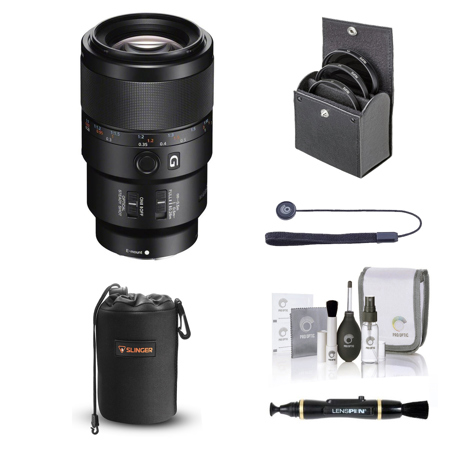
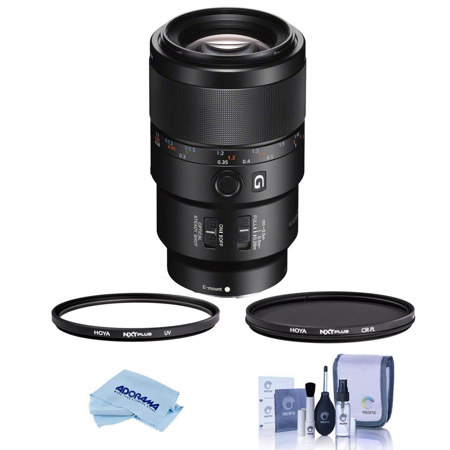
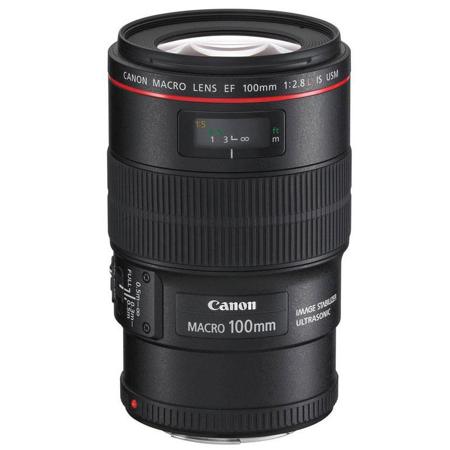
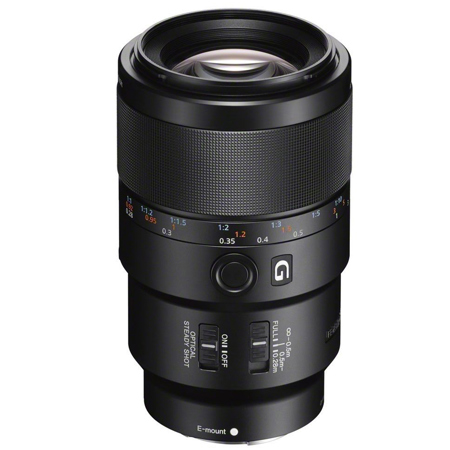
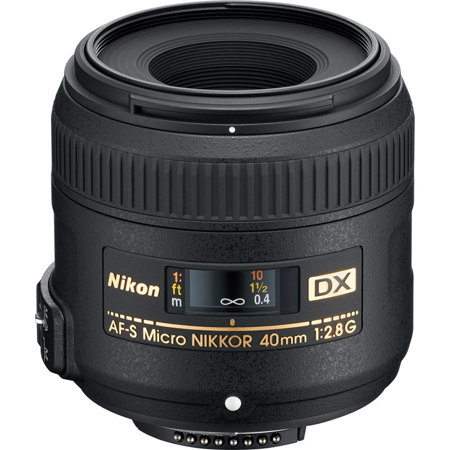
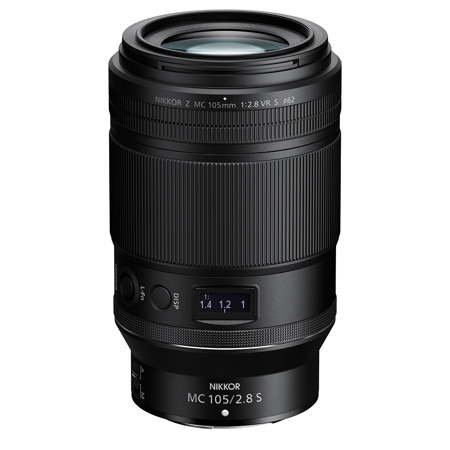
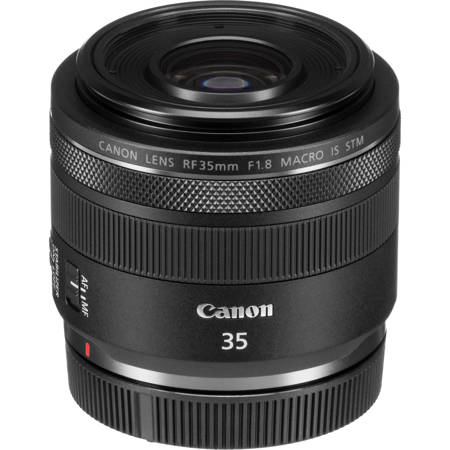
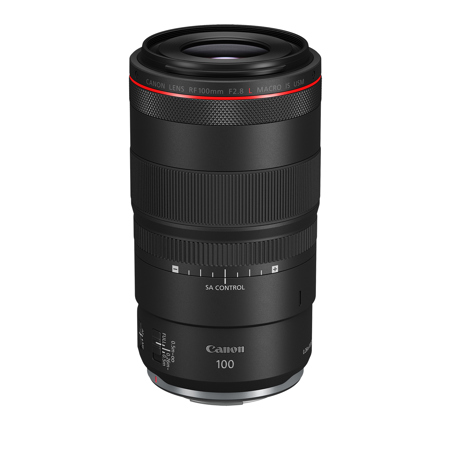
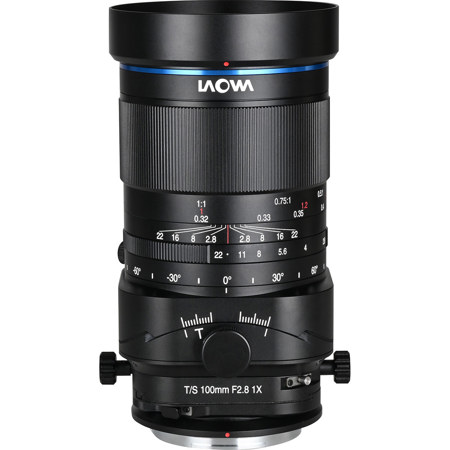
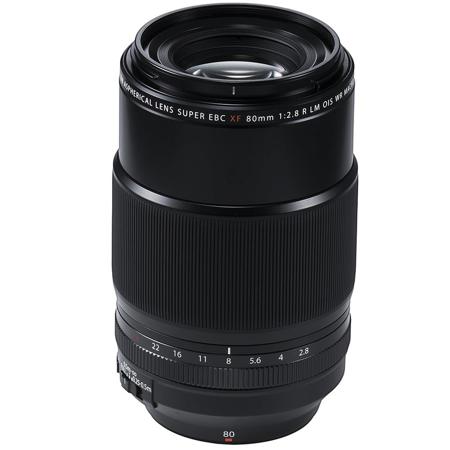
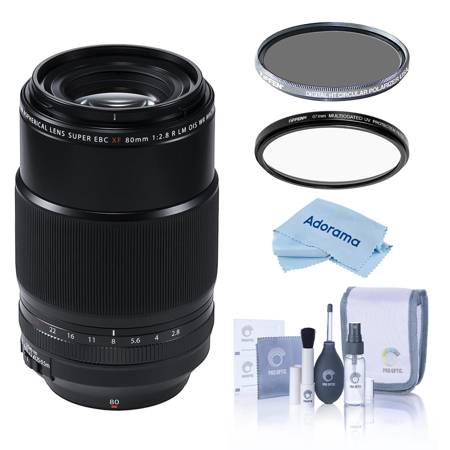
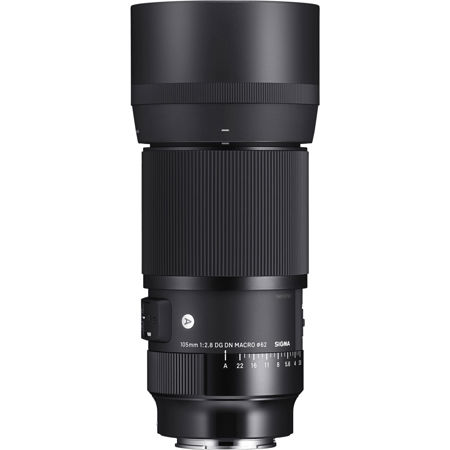
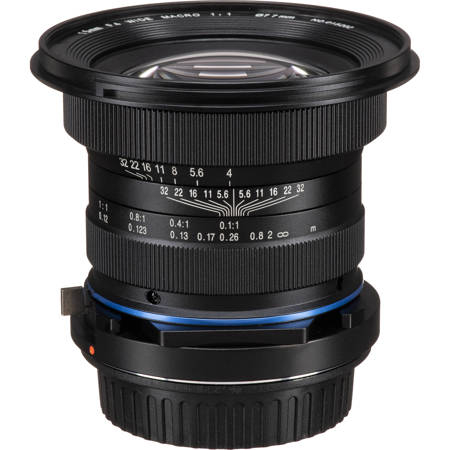
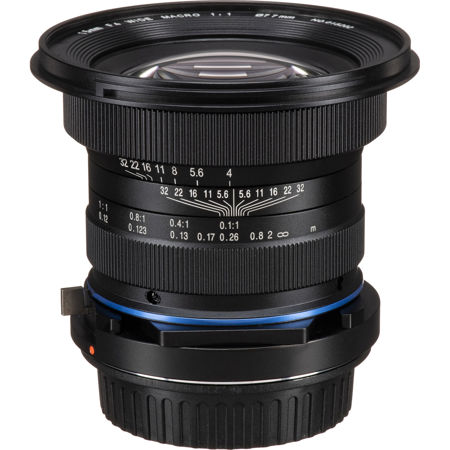
Macro lenses have carved out a unique niche in the world of landscape photography, offering a fresh perspective that goes far beyond the sweeping vistas typically associated with the genre. While wide-angle lenses capture the grandeur of mountain ranges or the expanse of rolling fields, macro lenses invite you to step closer, revealing the intricate textures, patterns, and details that often go unnoticed. When you’re out in the field—whether it’s early spring with dew clinging to mossy stones or the first wildflowers emerging along the forest floor—a macro lens transforms these subtle moments into captivating works of art. Photographers who appreciate the quiet beauty of nature’s smaller scenes, like the crystalline structure of frost on a leaf or the vibrant veins of a flower petal, will find macro lenses invaluable. These lenses typically range from 60mm to 105mm, balancing the ability to magnify the minute while maintaining enough focal length to isolate subjects against softly blurred backgrounds. This unique combination makes macro lenses not only ideal for detailed close-ups but also for capturing abstract compositions and intimate “mini-landscapes” within a larger scene.
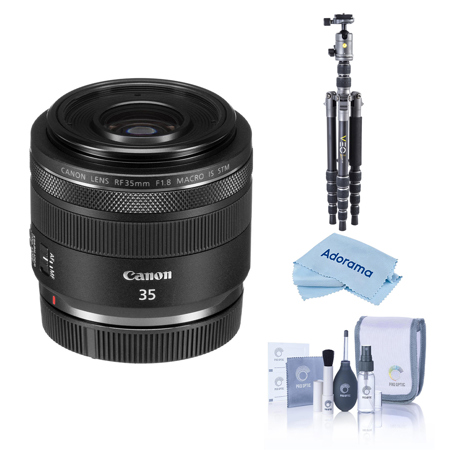
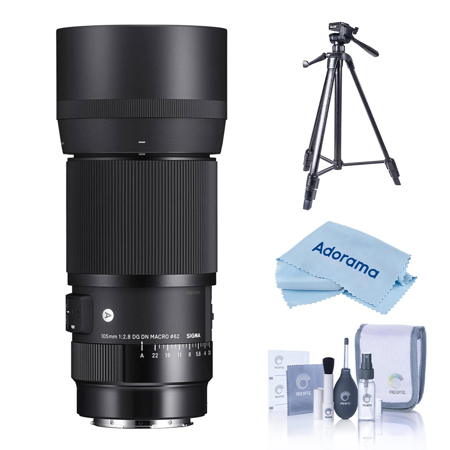
Choosing the right macro lens for landscape photography involves considering several key factors to ensure the lens suits your creative goals and shooting conditions. Look for lenses that offer edge-to-edge sharpness and robust weather sealing—essential for outdoor excursions where moisture, dust, and unpredictable weather can be part of the adventure. A sturdy tripod is often recommended, especially when using longer focal length macro lenses, to achieve precise focus and eliminate camera shake during those early morning or late evening shoots when light is low. Many macro lenses feature advanced image stabilization, which is a boon for handheld shooting, but a tripod remains a trusted companion for maximizing sharpness and experimenting with techniques like focus stacking. Focus stacking, where multiple images taken at different focus points are blended together, is particularly useful for achieving remarkable depth of field, allowing both a close foreground and distant background to remain crisp—ideal for storytelling compositions that lead the viewer’s eye through every layer of the scene. Aperture control is another consideration; shooting between f/8 and f/11 often yields the best balance of sharpness and depth, especially when you want to capture every detail from the nearest blade of grass to the farthest rock formation.
Macro lenses are a thoughtful gift for nature enthusiasts, creative explorers, or anyone passionate about photography who wishes to expand their visual storytelling toolkit. They are especially appreciated by those who find inspiration in the details—gardeners, hikers, travelers, and even students developing their artistic eye. As March ushers in the renewal of the landscape, with new life emerging and textures shifting with the season, a macro lens can help capture the fleeting beauty of these changes. Whether you’re gifting a lens to a budding photographer or upgrading your own equipment for the upcoming adventures, the versatility of macro lenses ensures they’ll be used year-round—from the vibrant greens of spring to the frost-laced mornings of autumn. For those times when you want to capture the broader majesty of the outdoors, consider complementing your kit with a Wide Angle Lens For Landscapes to cover every creative possibility. With the right macro lens, every outing becomes an opportunity to discover new worlds hidden in plain sight, elevating your landscape photography with a sense of intimacy and wonder that only close-up exploration can provide.
Choosing the right macro lens for landscape photography involves considering several key factors to ensure the lens suits your creative goals and shooting conditions. Look for lenses that offer edge-to-edge sharpness and robust weather sealing—essential for outdoor excursions where moisture, dust, and unpredictable weather can be part of the adventure. A sturdy tripod is often recommended, especially when using longer focal length macro lenses, to achieve precise focus and eliminate camera shake during those early morning or late evening shoots when light is low. Many macro lenses feature advanced image stabilization, which is a boon for handheld shooting, but a tripod remains a trusted companion for maximizing sharpness and experimenting with techniques like focus stacking. Focus stacking, where multiple images taken at different focus points are blended together, is particularly useful for achieving remarkable depth of field, allowing both a close foreground and distant background to remain crisp—ideal for storytelling compositions that lead the viewer’s eye through every layer of the scene. Aperture control is another consideration; shooting between f/8 and f/11 often yields the best balance of sharpness and depth, especially when you want to capture every detail from the nearest blade of grass to the farthest rock formation.
Macro lenses are a thoughtful gift for nature enthusiasts, creative explorers, or anyone passionate about photography who wishes to expand their visual storytelling toolkit. They are especially appreciated by those who find inspiration in the details—gardeners, hikers, travelers, and even students developing their artistic eye. As March ushers in the renewal of the landscape, with new life emerging and textures shifting with the season, a macro lens can help capture the fleeting beauty of these changes. Whether you’re gifting a lens to a budding photographer or upgrading your own equipment for the upcoming adventures, the versatility of macro lenses ensures they’ll be used year-round—from the vibrant greens of spring to the frost-laced mornings of autumn. For those times when you want to capture the broader majesty of the outdoors, consider complementing your kit with a Wide Angle Lens For Landscapes to cover every creative possibility. With the right macro lens, every outing becomes an opportunity to discover new worlds hidden in plain sight, elevating your landscape photography with a sense of intimacy and wonder that only close-up exploration can provide.