
Matched Pair Microphones
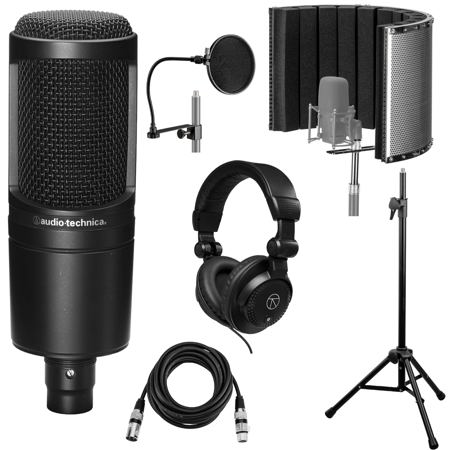
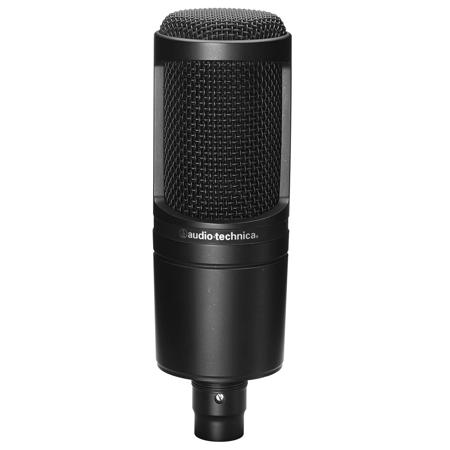
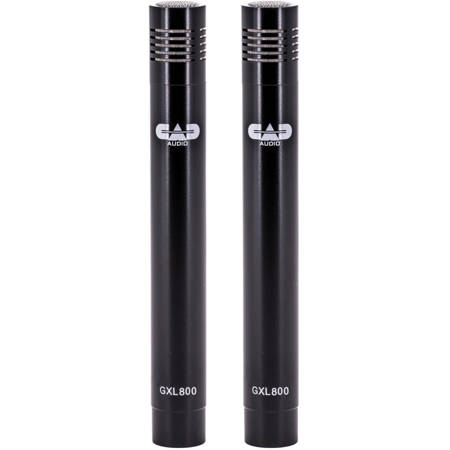
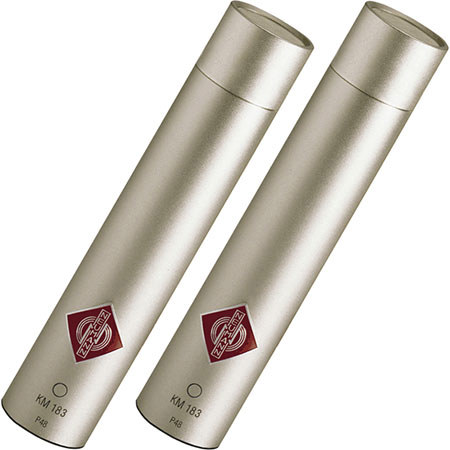
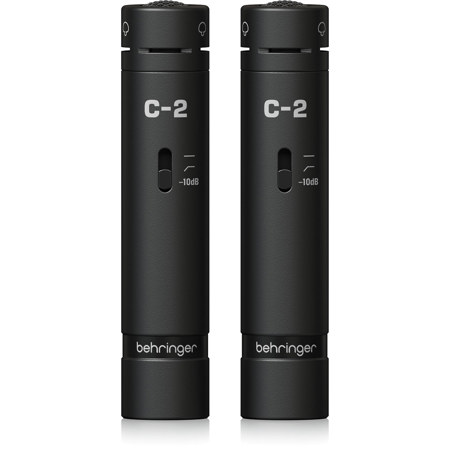
Matched pair microphones occupy a special place in the world of audio recording, offering an unparalleled level of consistency and precision for stereo applications. Whether you’re a seasoned studio engineer, an aspiring content creator, or a passionate musician, the value of a tightly calibrated microphone pair becomes abundantly clear the moment you listen back to a stereo field that’s rich, accurate, and immersive. Used extensively in professional studios and live environments alike, these microphones are meticulously selected and tested to ensure their electronic and acoustic characteristics are nearly identical. This careful matching is crucial for techniques such as XY, ORTF, and spaced pair recording, where even the slightest deviation can introduce unwanted phase issues or imbalance. The result is a true-to-life capture of performances, from the delicate shimmer of cymbals in a jazz ensemble to the lush ambience of a concert hall, making these tools indispensable for anyone serious about high-fidelity audio.
When considering matched pair microphones, it’s important to think about the intended application and the environment in which they’ll be used. For field recordists and nature enthusiasts, a matched pair allows for breathtaking stereo recordings of soundscapes—imagine capturing the subtle rustle of leaves and distant birdcalls during a crisp February morning, each detail rendered with stunning clarity. In the studio, engineers rely on these pairs for drum overheads, piano, acoustic guitar, and choral ensembles, where capturing the nuanced spatial relationship between sources is paramount. Even podcasters and content creators who are elevating their production value will appreciate the natural stereo image these microphones provide, enhancing listener engagement. For educators, audio students, or anyone building a home studio, investing in a matched pair can be a transformative step, opening up creative possibilities and ensuring professional results. And as winter gives way to spring, these microphones make thoughtful gifts for musicians and audio aficionados eager to capture the sounds of the changing season, whether it’s an outdoor performance or the intimate acoustics of a home studio.
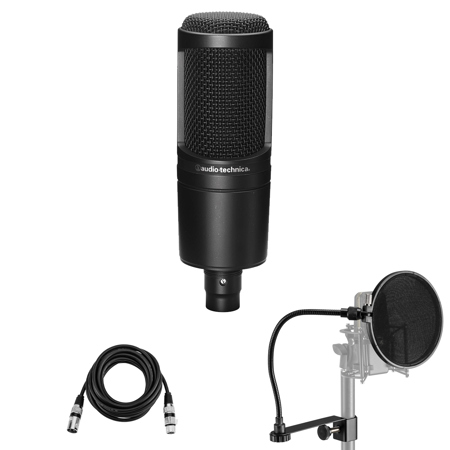
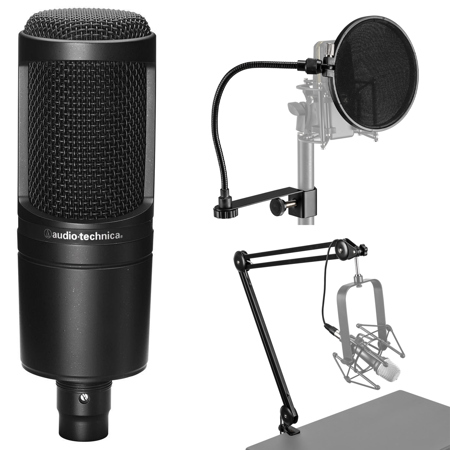
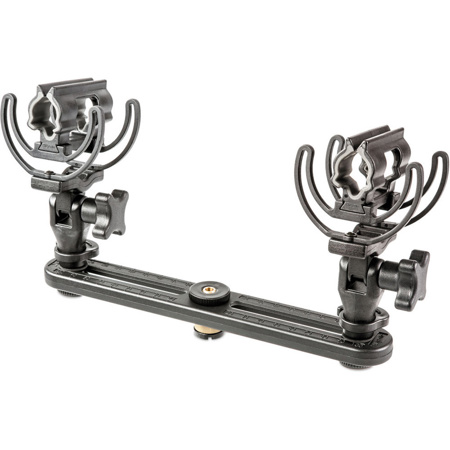
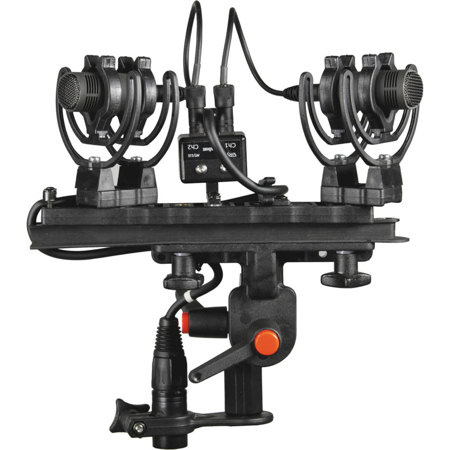
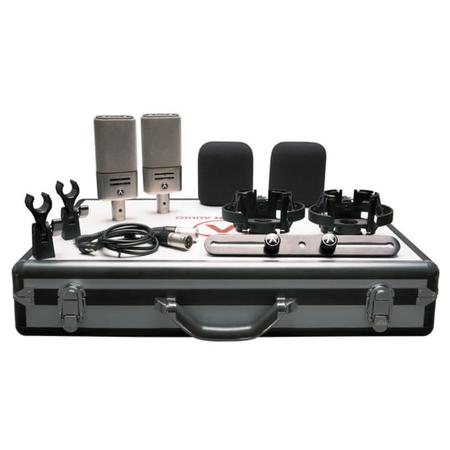
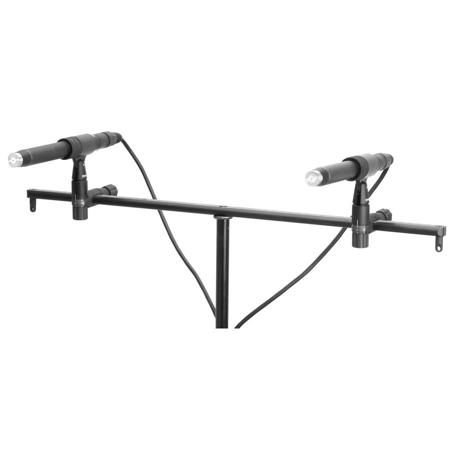
Selecting the right matched pair involves more than just matching specs; factors such as polar pattern, frequency response, and self-noise all play a role in achieving the desired sound. Cardioid pairs are popular for their focused pickup and rejection of off-axis noise, while omnidirectional pairs excel at capturing the full ambiance of a space. Durability and portability might also be key considerations for those who record on location, while studio users may prioritize extended frequency response and low distortion. Accessories like matched stereo bars, shock mounts, and windshields can further enhance the recording experience. For those exploring broader stereo solutions, it’s worth considering options like Dual Channel Microphones, which offer versatile configurations for various recording scenarios. Ultimately, matched pair microphones are an investment in sonic authenticity, enabling creators to faithfully reproduce the world of sound around them and share it with audiences in vivid detail.
When considering matched pair microphones, it’s important to think about the intended application and the environment in which they’ll be used. For field recordists and nature enthusiasts, a matched pair allows for breathtaking stereo recordings of soundscapes—imagine capturing the subtle rustle of leaves and distant birdcalls during a crisp February morning, each detail rendered with stunning clarity. In the studio, engineers rely on these pairs for drum overheads, piano, acoustic guitar, and choral ensembles, where capturing the nuanced spatial relationship between sources is paramount. Even podcasters and content creators who are elevating their production value will appreciate the natural stereo image these microphones provide, enhancing listener engagement. For educators, audio students, or anyone building a home studio, investing in a matched pair can be a transformative step, opening up creative possibilities and ensuring professional results. And as winter gives way to spring, these microphones make thoughtful gifts for musicians and audio aficionados eager to capture the sounds of the changing season, whether it’s an outdoor performance or the intimate acoustics of a home studio.
Selecting the right matched pair involves more than just matching specs; factors such as polar pattern, frequency response, and self-noise all play a role in achieving the desired sound. Cardioid pairs are popular for their focused pickup and rejection of off-axis noise, while omnidirectional pairs excel at capturing the full ambiance of a space. Durability and portability might also be key considerations for those who record on location, while studio users may prioritize extended frequency response and low distortion. Accessories like matched stereo bars, shock mounts, and windshields can further enhance the recording experience. For those exploring broader stereo solutions, it’s worth considering options like Dual Channel Microphones, which offer versatile configurations for various recording scenarios. Ultimately, matched pair microphones are an investment in sonic authenticity, enabling creators to faithfully reproduce the world of sound around them and share it with audiences in vivid detail.