

Matte Films
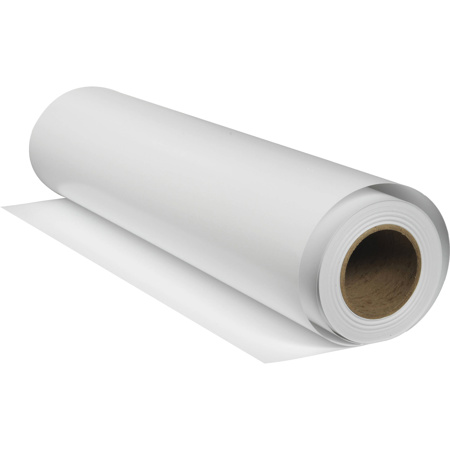
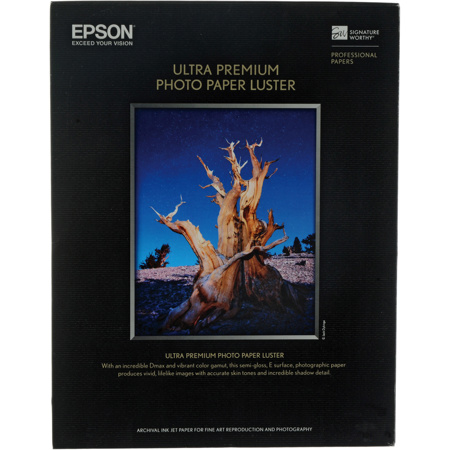
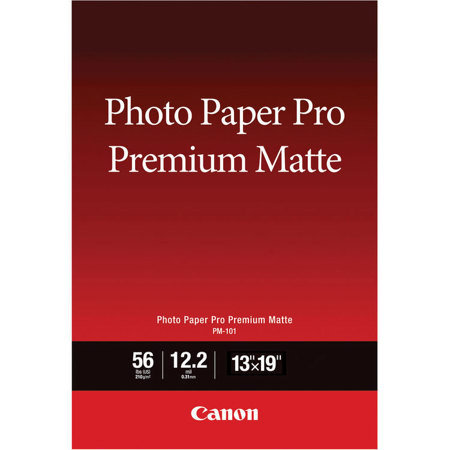
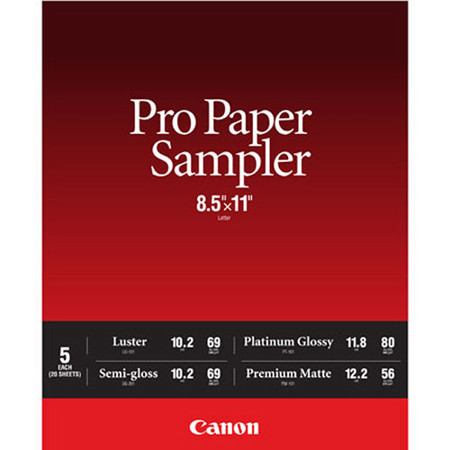
As winter’s chill lingers and the world outside is softened by overcast skies, photographers and videographers often find themselves drawn to the subtlety and sophistication that matte films can bring to their creative projects. Matte films are prized for their ability to reduce glare and reflections, providing a gentle, non-glossy finish that enhances the depth and texture of every frame. Whether you’re capturing the muted tones of February landscapes or shooting intimate indoor portraits, the unique qualities of matte films help to evoke mood and emotion in ways that glossy surfaces simply can’t match. The tactile, almost velvety feel of a matte print or the understated elegance of a matte screen protector can elevate both the creative process and the final result, making these products an essential part of any visual artist’s toolkit.
For those considering matte films, it’s important to think about the specific applications and environments in which they’ll be used. Photographers often reach for matte films when preparing prints for galleries or personal collections, as the reduced sheen allows viewers to appreciate the image without distractions from ambient light. In the world of videography and cinema, matte films serve as invaluable tools on set, helping to control reflections and maintain consistent lighting—especially crucial during winter months when daylight is fleeting and artificial lighting dominates. Matte films are also a thoughtful gift for creative friends or family members, particularly those who appreciate the finer details of their craft. Imagine gifting a set of high-quality matte films to someone who loves documenting quiet winter mornings, or to a filmmaker preparing for their next project; it’s a gesture that acknowledges their passion and supports their artistic journey. Beyond photography and video, matte films are popular among graphic designers, artists, and even tech enthusiasts who want to protect their screens without sacrificing clarity or comfort during long editing sessions.
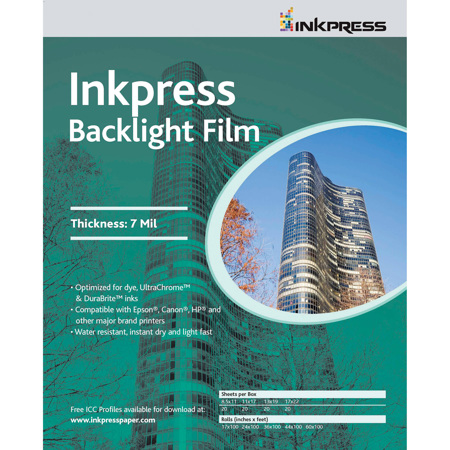
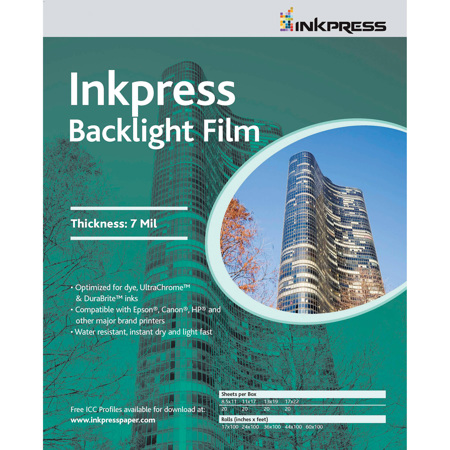
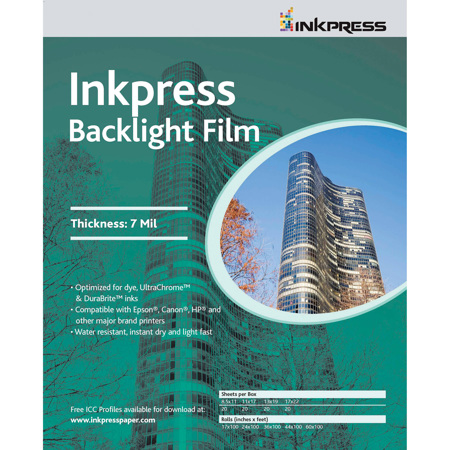
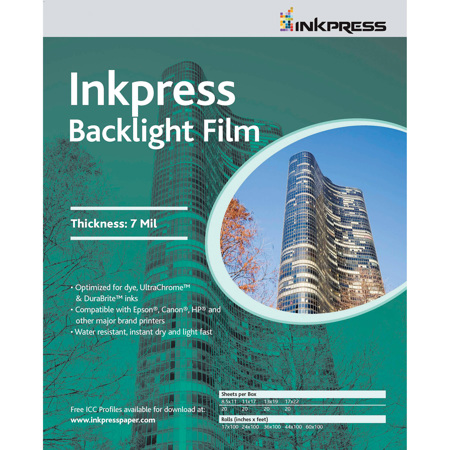
When choosing the right matte film, consider factors such as thickness, adhesive quality, and compatibility with your equipment. Some matte films are designed for specific types of cameras or printers, while others offer universal application for a variety of surfaces, from lenses and screens to finished prints. Durability is key, especially if you’re working in challenging environments or handling your gear frequently. Many professionals appreciate matte films for their ability to withstand fingerprints, dust, and minor scratches—an advantage during busy shooting days or when transporting gear between locations. For those interested in more specialized matte solutions, the world of Hard Mattes offers additional options to shape and control light with even greater precision. Ultimately, the right matte film can transform the way you see and share your work, creating images that invite viewers to linger a little longer, to notice the quiet interplay of light and shadow, and to experience the world through your unique perspective.
For those considering matte films, it’s important to think about the specific applications and environments in which they’ll be used. Photographers often reach for matte films when preparing prints for galleries or personal collections, as the reduced sheen allows viewers to appreciate the image without distractions from ambient light. In the world of videography and cinema, matte films serve as invaluable tools on set, helping to control reflections and maintain consistent lighting—especially crucial during winter months when daylight is fleeting and artificial lighting dominates. Matte films are also a thoughtful gift for creative friends or family members, particularly those who appreciate the finer details of their craft. Imagine gifting a set of high-quality matte films to someone who loves documenting quiet winter mornings, or to a filmmaker preparing for their next project; it’s a gesture that acknowledges their passion and supports their artistic journey. Beyond photography and video, matte films are popular among graphic designers, artists, and even tech enthusiasts who want to protect their screens without sacrificing clarity or comfort during long editing sessions.
When choosing the right matte film, consider factors such as thickness, adhesive quality, and compatibility with your equipment. Some matte films are designed for specific types of cameras or printers, while others offer universal application for a variety of surfaces, from lenses and screens to finished prints. Durability is key, especially if you’re working in challenging environments or handling your gear frequently. Many professionals appreciate matte films for their ability to withstand fingerprints, dust, and minor scratches—an advantage during busy shooting days or when transporting gear between locations. For those interested in more specialized matte solutions, the world of Hard Mattes offers additional options to shape and control light with even greater precision. Ultimately, the right matte film can transform the way you see and share your work, creating images that invite viewers to linger a little longer, to notice the quiet interplay of light and shadow, and to experience the world through your unique perspective.