
Measuring Tools for Engineers
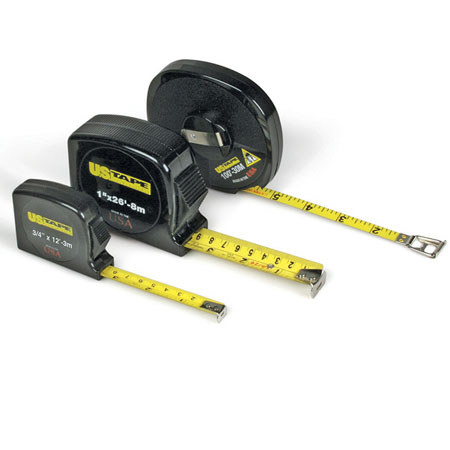
In every engineering discipline, the right measuring tools are the backbone of accuracy, quality, and innovation. Whether you’re working in a bustling manufacturing facility, a home workshop, or a university lab, precision instruments are essential for translating blueprints into reality and ensuring every component fits and functions as intended. Engineers and technicians rely on a variety of measuring tools—micrometers, calipers, dial indicators, height gauges, and more—to achieve tolerances down to fractions of a millimeter. These tools are not just for machinists or industrial engineers; they’re equally vital for civil, mechanical, aerospace, and electrical engineers, as well as for students and educators looking to build a solid foundation in measurement science. During the warmer months, when fieldwork and construction projects ramp up, portable and durable measuring tools become especially valuable for on-site inspections and quality control. As the seasons shift and projects move indoors, benchtop devices like granite surface plates and coordinate measuring machines take center stage, offering the stability and accuracy needed for intricate assembly and calibration tasks.
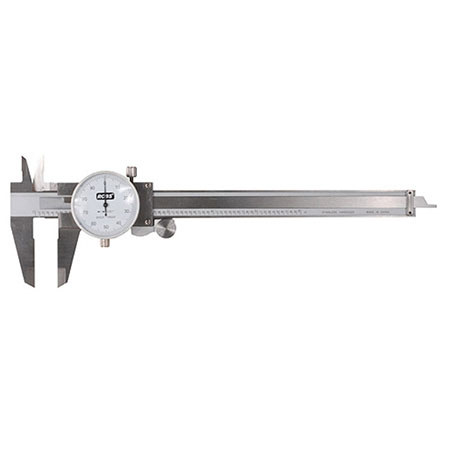
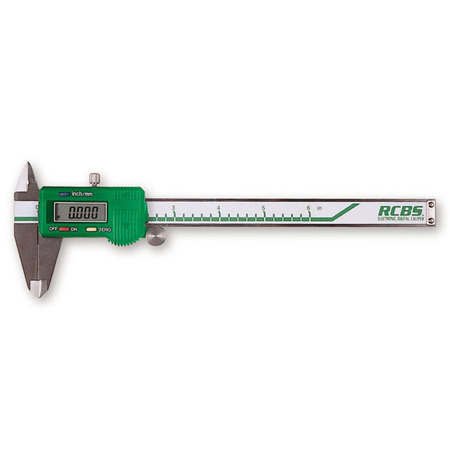
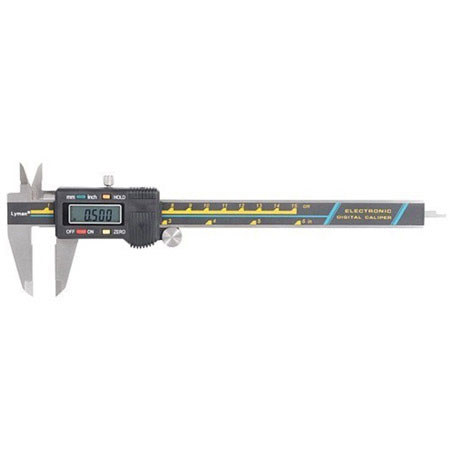
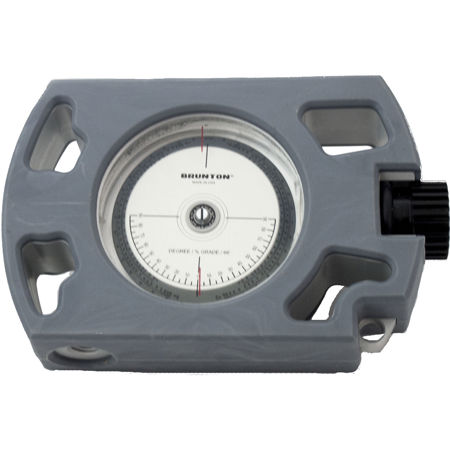
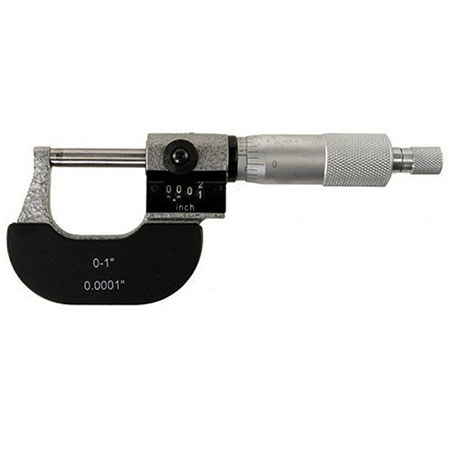
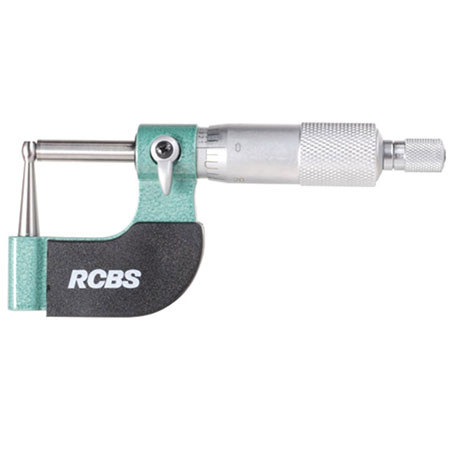
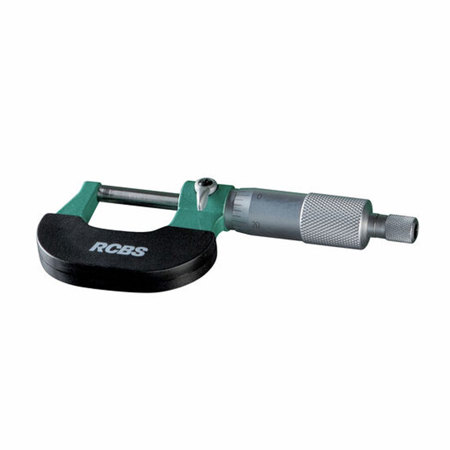
Selecting the right measuring tools involves considering the specific requirements of your projects, the environments in which you’ll be working, and the level of precision needed. For tasks demanding ultra-fine resolution—such as checking the thickness of machined parts or verifying the roundness of shafts—micrometers and dial indicators are indispensable, providing readings accurate to a few microns. Calipers, available in digital, dial, or vernier formats, are the versatile workhorses of any toolkit, suitable for measuring internal and external dimensions as well as depths. For engineers involved in layout work or structural alignment, combination sets, protractors, and sine bars enable precise angle measurements and reference marking. Meanwhile, specialty gauges like thread pitch and radius gauges are essential for verifying the fine details of fasteners and fillet corners, ensuring compatibility and safety in assembled products. For those working in quality assurance or metrology labs, tools like go/no-go gauges, height gauges, and coordinate measuring machines streamline inspection routines and support compliance with strict industry standards. These instruments also make thoughtful gifts for engineering students, recent graduates, or anyone passionate about building and inventing—tools that will serve them well through internships, capstone projects, and into their professional careers.
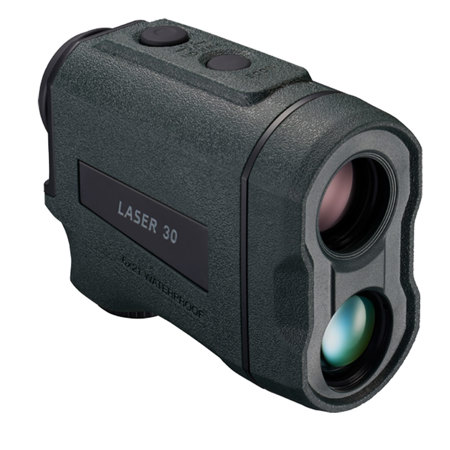
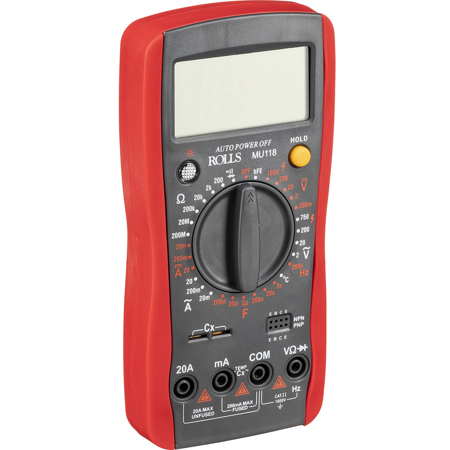
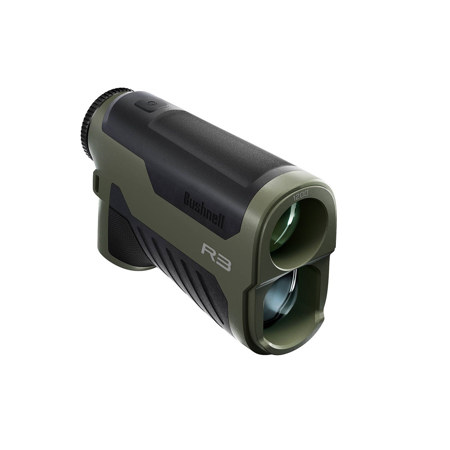
As the year transitions from the height of summer into the cooler months, engineering teams often shift focus from outdoor builds to detailed prototyping, testing, and process improvement. This is a time when investing in reliable, ergonomic, and easy-to-calibrate measuring tools pays dividends in productivity and confidence. Many engineers find that upgrading to digital readouts or laser-based measuring devices can help them work more efficiently, especially when collaborating across teams or documenting results for clients. Whether you’re equipping a startup’s first lab, enhancing a seasoned engineer’s toolkit, or searching for a practical gift that will be used for years to come, choosing high-quality measuring tools is a decision that supports both precision and creativity in every project. For those who work across disciplines or need specialized instruments for electrical work, our curated collection of Tools For Electrical Engineers offers additional options tailored to the unique demands of circuit testing, diagnostics, and system integration. No matter the season or the scope of your project, the right measuring tools help engineers turn ideas into reality—one precise measurement at a time.
Selecting the right measuring tools involves considering the specific requirements of your projects, the environments in which you’ll be working, and the level of precision needed. For tasks demanding ultra-fine resolution—such as checking the thickness of machined parts or verifying the roundness of shafts—micrometers and dial indicators are indispensable, providing readings accurate to a few microns. Calipers, available in digital, dial, or vernier formats, are the versatile workhorses of any toolkit, suitable for measuring internal and external dimensions as well as depths. For engineers involved in layout work or structural alignment, combination sets, protractors, and sine bars enable precise angle measurements and reference marking. Meanwhile, specialty gauges like thread pitch and radius gauges are essential for verifying the fine details of fasteners and fillet corners, ensuring compatibility and safety in assembled products. For those working in quality assurance or metrology labs, tools like go/no-go gauges, height gauges, and coordinate measuring machines streamline inspection routines and support compliance with strict industry standards. These instruments also make thoughtful gifts for engineering students, recent graduates, or anyone passionate about building and inventing—tools that will serve them well through internships, capstone projects, and into their professional careers.
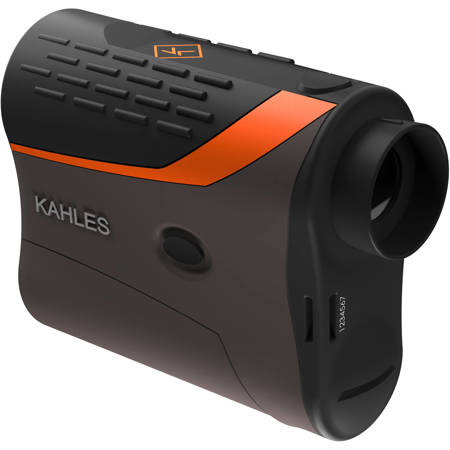
As the year transitions from the height of summer into the cooler months, engineering teams often shift focus from outdoor builds to detailed prototyping, testing, and process improvement. This is a time when investing in reliable, ergonomic, and easy-to-calibrate measuring tools pays dividends in productivity and confidence. Many engineers find that upgrading to digital readouts or laser-based measuring devices can help them work more efficiently, especially when collaborating across teams or documenting results for clients. Whether you’re equipping a startup’s first lab, enhancing a seasoned engineer’s toolkit, or searching for a practical gift that will be used for years to come, choosing high-quality measuring tools is a decision that supports both precision and creativity in every project. For those who work across disciplines or need specialized instruments for electrical work, our curated collection of Tools For Electrical Engineers offers additional options tailored to the unique demands of circuit testing, diagnostics, and system integration. No matter the season or the scope of your project, the right measuring tools help engineers turn ideas into reality—one precise measurement at a time.