Media Converters
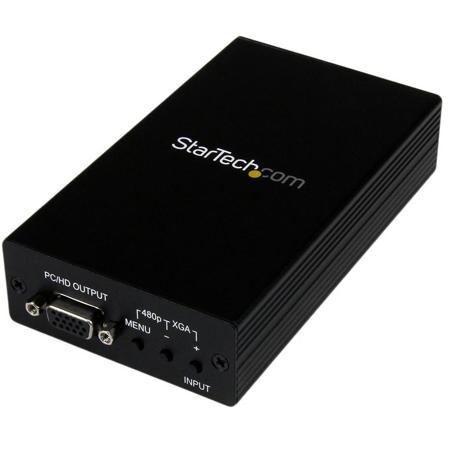
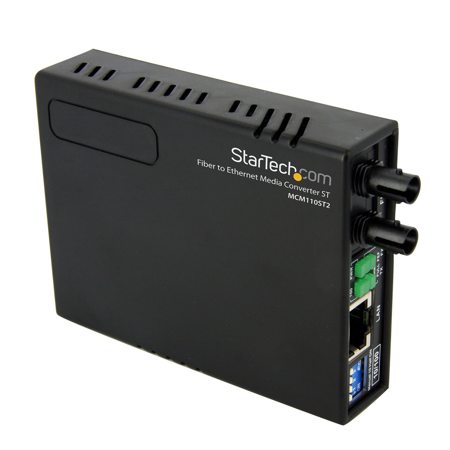
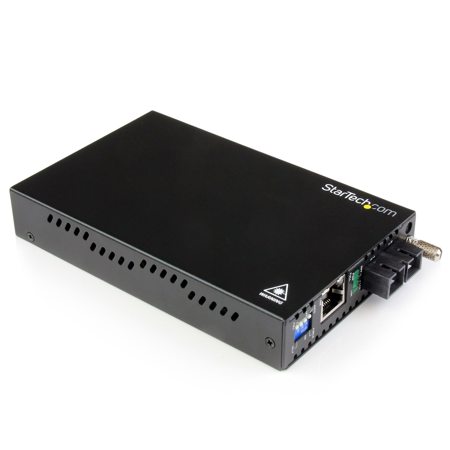
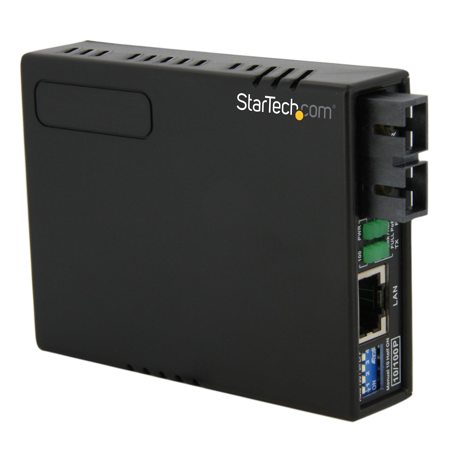
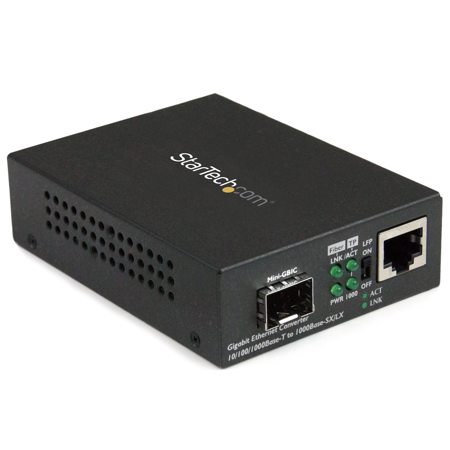
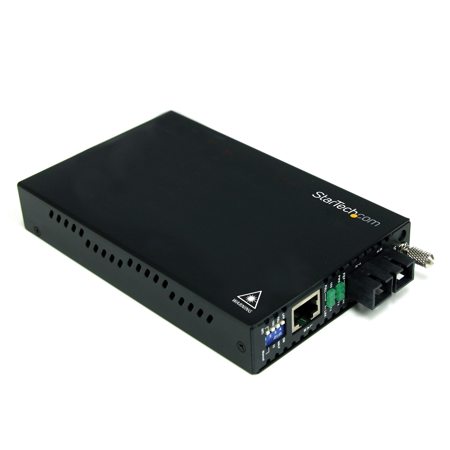
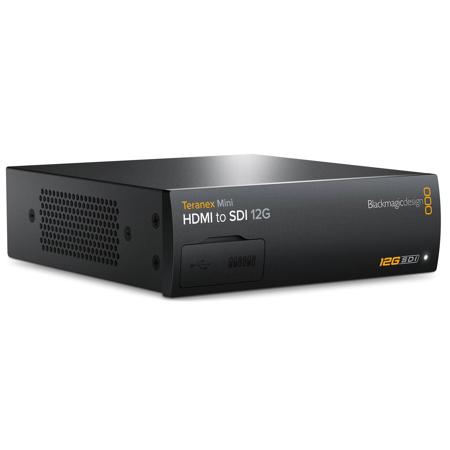
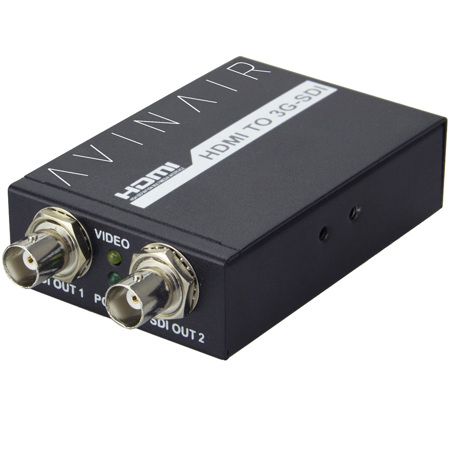
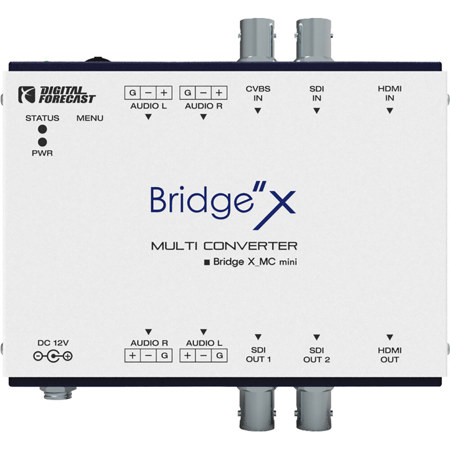
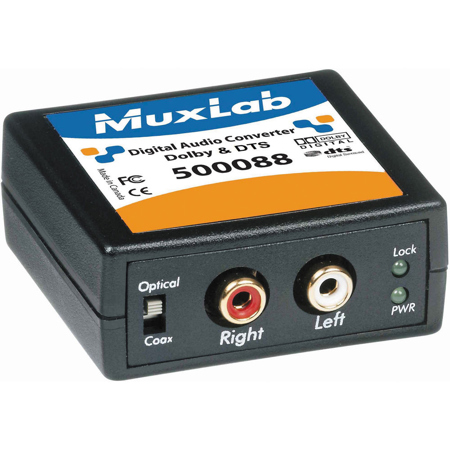
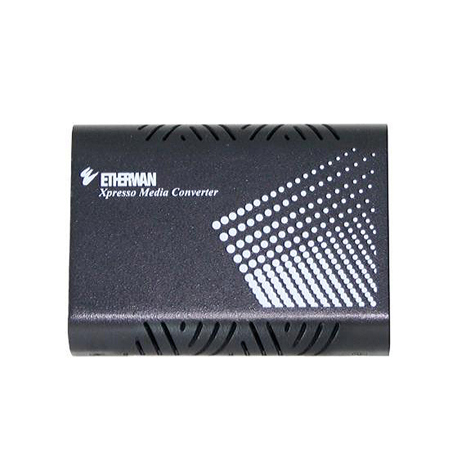
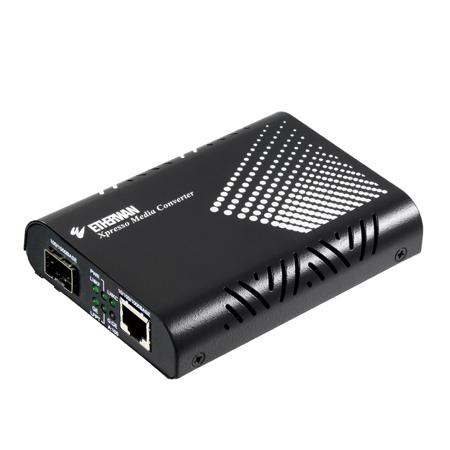
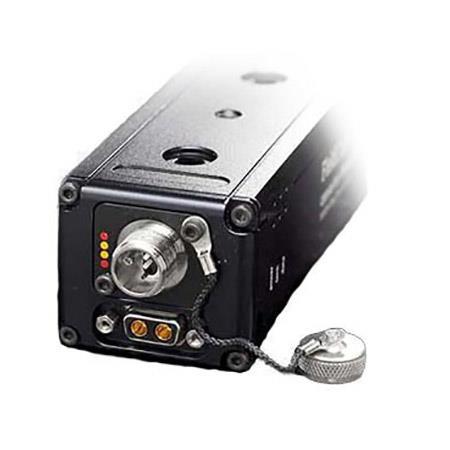
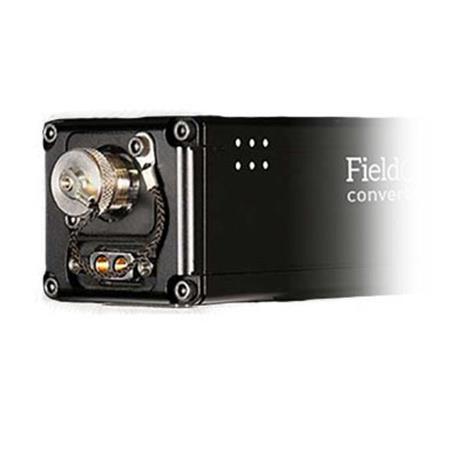
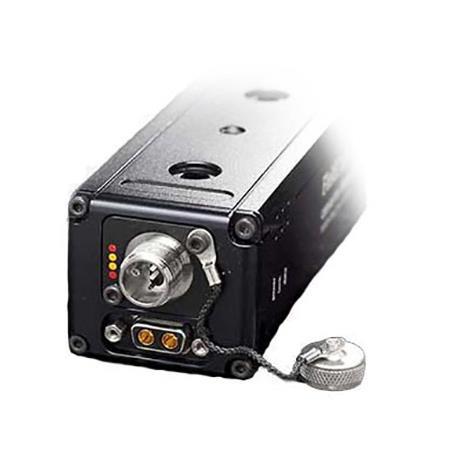
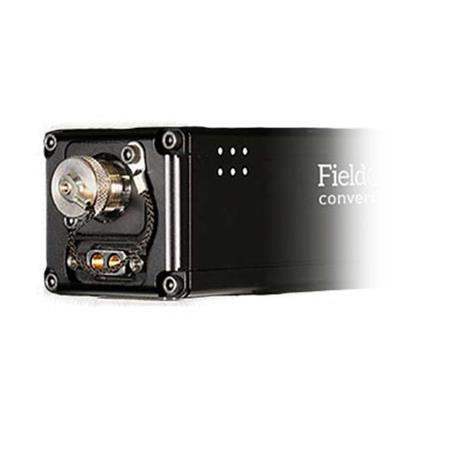
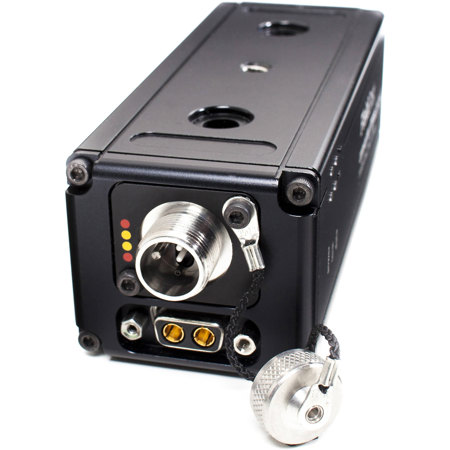
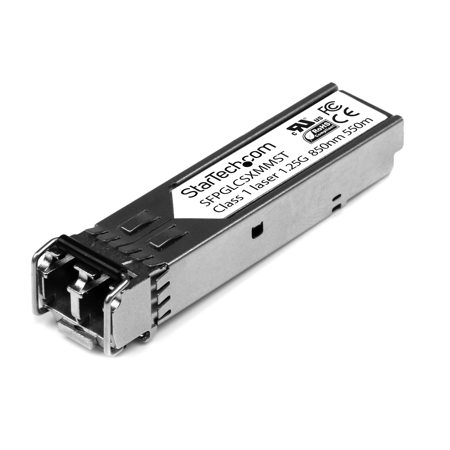
Media converters play a pivotal role in today’s interconnected digital environments, seamlessly bridging the gap between copper Ethernet and fiber optic cabling. As the demand for high-speed, long-distance data transmission continues to grow across business campuses, creative studios, and even home offices, these versatile devices have become essential for extending network reach and ensuring reliable connectivity. Media converters are particularly valuable when upgrading legacy infrastructure, allowing users to integrate newer fiber optic runs with existing copper-based networks without the need for wholesale replacement of hardware. This cost-efficient approach not only prolongs the lifespan of current investments but also provides a flexible path toward future-proofing network architecture—ideal for organizations that need to adapt quickly as their needs evolve. From simple standalone units that offer plug-and-play simplicity to advanced chassis-based systems designed for centralized server rooms, there’s a media converter solution for virtually every scenario. For example, copper-to-fiber converters translate electrical signals into light pulses, enabling data to travel well beyond the 100-meter limits of copper—sometimes spanning several kilometers, depending on whether multimode or single-mode fiber is used. This makes them perfect for connecting remote buildings, surveillance cameras, or distant workstations where signal integrity and distance are critical.
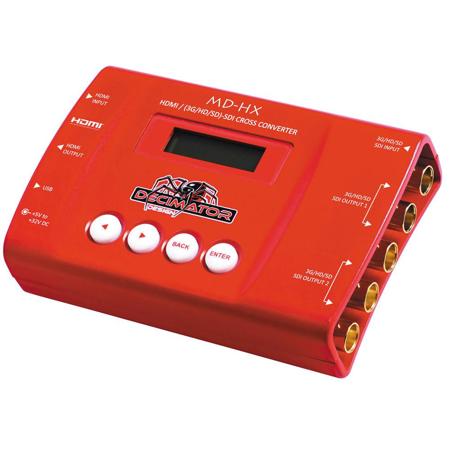
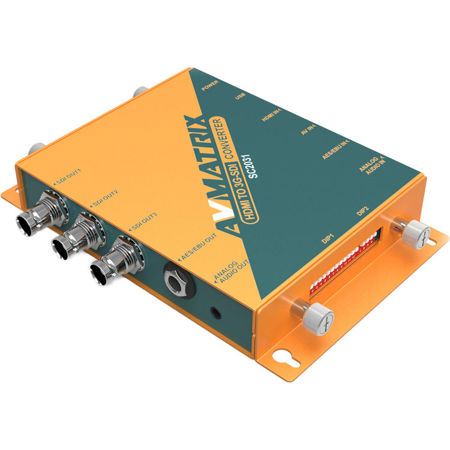
Beyond basic connectivity, media converters offer a range of specialized capabilities that cater to diverse networking requirements. HDMI fiber converters, for instance, are increasingly popular in environments where high-definition video signals must be transmitted over long distances with zero loss in quality—think live event venues, broadcast studios, or educational institutions. Power over Ethernet (PoE) media converters combine data transmission with device power delivery, simplifying installations for security cameras or wireless access points in hard-to-reach locations. Meanwhile, wavelength division multiplexing (WDM) converters allow multiple data streams to travel simultaneously over a single fiber strand, maximizing bandwidth for data centers or broadcast facilities. Fiber optic links are also immune to electromagnetic interference, making them the preferred choice for industrial sites, outdoor installations, or any setting where reliable signal integrity is non-negotiable. Enhanced security is another key benefit, as fiber is far more difficult to tap than copper, safeguarding sensitive data transmissions in government, healthcare, or financial applications. When selecting a media converter, it’s important to consider factors such as network speed, connector type, supported fiber modes, and whether managed or unmanaged operation is required. Standalone converters are ideal for straightforward point-to-point connections, while rack-mounted, managed systems offer robust control and scalability for larger enterprises.
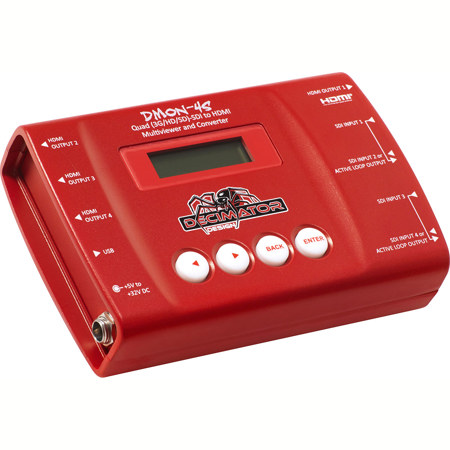
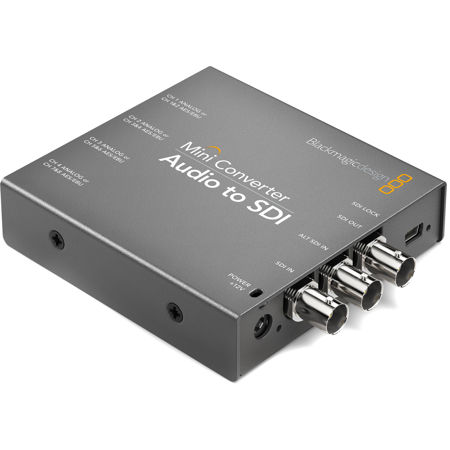
Media converters are a thoughtful gift for IT professionals, AV technicians, or anyone passionate about building robust, future-ready networks—especially as the weather shifts and projects move from indoor upgrades to outdoor installations or vice versa. They’re also invaluable for content creators, educators, and small business owners seeking to expand their digital capabilities without overhauling existing infrastructure. Whether you’re outfitting a new creative studio, extending a campus network, or simply ensuring seamless video distribution for a live event, the right media converter can make all the difference in performance and reliability. For those interested in further expanding their signal management toolkit, exploring related solutions like Broadcast Converters can provide even greater flexibility for professional AV and production environments. Ultimately, media converters are the unsung heroes of modern networking, quietly enabling the seamless flow of information and creativity across any distance or medium.
Beyond basic connectivity, media converters offer a range of specialized capabilities that cater to diverse networking requirements. HDMI fiber converters, for instance, are increasingly popular in environments where high-definition video signals must be transmitted over long distances with zero loss in quality—think live event venues, broadcast studios, or educational institutions. Power over Ethernet (PoE) media converters combine data transmission with device power delivery, simplifying installations for security cameras or wireless access points in hard-to-reach locations. Meanwhile, wavelength division multiplexing (WDM) converters allow multiple data streams to travel simultaneously over a single fiber strand, maximizing bandwidth for data centers or broadcast facilities. Fiber optic links are also immune to electromagnetic interference, making them the preferred choice for industrial sites, outdoor installations, or any setting where reliable signal integrity is non-negotiable. Enhanced security is another key benefit, as fiber is far more difficult to tap than copper, safeguarding sensitive data transmissions in government, healthcare, or financial applications. When selecting a media converter, it’s important to consider factors such as network speed, connector type, supported fiber modes, and whether managed or unmanaged operation is required. Standalone converters are ideal for straightforward point-to-point connections, while rack-mounted, managed systems offer robust control and scalability for larger enterprises.
Media converters are a thoughtful gift for IT professionals, AV technicians, or anyone passionate about building robust, future-ready networks—especially as the weather shifts and projects move from indoor upgrades to outdoor installations or vice versa. They’re also invaluable for content creators, educators, and small business owners seeking to expand their digital capabilities without overhauling existing infrastructure. Whether you’re outfitting a new creative studio, extending a campus network, or simply ensuring seamless video distribution for a live event, the right media converter can make all the difference in performance and reliability. For those interested in further expanding their signal management toolkit, exploring related solutions like Broadcast Converters can provide even greater flexibility for professional AV and production environments. Ultimately, media converters are the unsung heroes of modern networking, quietly enabling the seamless flow of information and creativity across any distance or medium.