














Medical Supplies For Hospitals
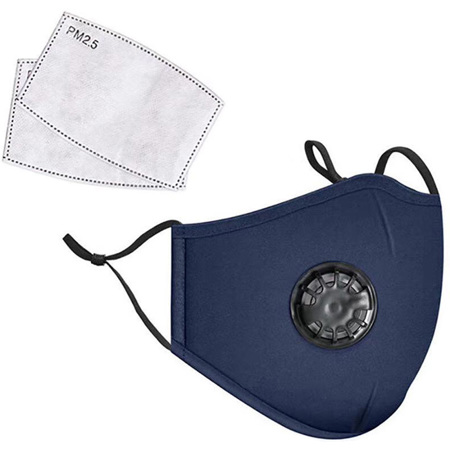
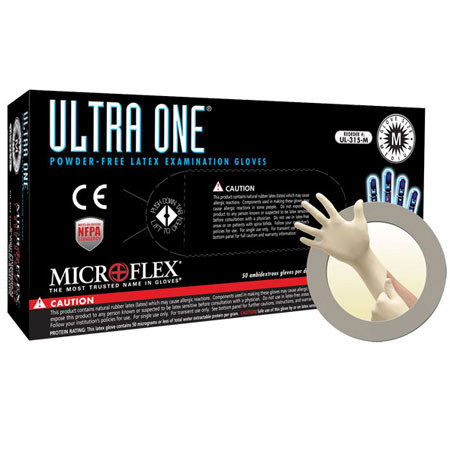
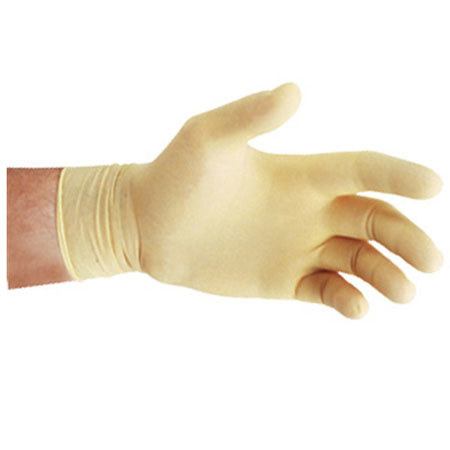
Equipping hospitals with the right medical supplies is fundamental to ensuring safe, effective patient care and maintaining the highest standards across healthcare institutions. From bustling emergency rooms to specialized surgical suites, the demand for reliable, high-quality medical supplies is constant and ever-evolving. Hospitals typically source these essentials through established procurement channels, including group purchasing organizations, integrated delivery networks, and direct relationships with specialized distributors. These networks streamline access to a vast array of products—ranging from basic consumables like gloves, syringes, and bandages to advanced diagnostic tools, surgical instruments, and critical care equipment. During the warmer months, hospitals may see shifts in patient needs, such as increased cases of dehydration, heat-related illnesses, or seasonal allergies, which can influence supply requirements. Likewise, as the seasons transition, ensuring a steady inventory of infection control items and personal protective equipment remains a priority to safeguard both patients and staff. For procurement managers and healthcare administrators, balancing inventory levels, negotiating bulk pricing, and maintaining a seamless supply chain are daily responsibilities that directly impact hospital operations and patient outcomes.
Medical supplies for hospitals are selected with meticulous attention to regulatory standards, safety certifications, and clinical efficacy. Decision-makers must consider factors such as compatibility with existing infrastructure, ease of use for healthcare professionals, and the specific needs of diverse patient populations. For example, pediatric wards may require smaller-scale equipment and gentle materials, while intensive care units prioritize precision monitoring devices and robust life-support systems. Environmental services teams rely on high-grade disinfectants and sanitation products to maintain sterile environments, especially during periods of increased patient volume or heightened infection risk. In addition to clinical staff, facilities teams, and support personnel, even visiting specialists and trainees benefit from access to well-stocked, organized supply rooms. While most hospital medical supplies are procured in bulk for institutional use, select items—such as care packages of comfort items, PPE, or specialized tools—can also make thoughtful gifts for healthcare workers, particularly during appreciation weeks or in recognition of outstanding service. For those interested in supporting frontline staff or outfitting clinical teams, curated lists like Supplies For Healthcare Workers offer practical options tailored to the unique demands of the healthcare environment.
The procurement process for hospital medical supplies is shaped by a combination of logistical expertise, clinical insight, and a commitment to patient safety. Purchasing managers leverage secure vendor portals and automated inventory systems to track usage patterns, forecast demand, and ensure that critical items are always available when needed. The selection process often involves collaboration between clinical and administrative teams, drawing on real-world experience to evaluate new technologies, assess product durability, and prioritize solutions that enhance workflow efficiency. As hospitals navigate seasonal fluctuations in patient volume and adapt to evolving healthcare challenges, the importance of reliable supply chains and responsive distribution partners cannot be overstated. Whether supporting daily operations or preparing for unexpected surges, having access to a comprehensive catalog of medical supplies empowers hospitals to deliver consistent, high-quality care to every patient who walks through their doors.
Medical supplies for hospitals are selected with meticulous attention to regulatory standards, safety certifications, and clinical efficacy. Decision-makers must consider factors such as compatibility with existing infrastructure, ease of use for healthcare professionals, and the specific needs of diverse patient populations. For example, pediatric wards may require smaller-scale equipment and gentle materials, while intensive care units prioritize precision monitoring devices and robust life-support systems. Environmental services teams rely on high-grade disinfectants and sanitation products to maintain sterile environments, especially during periods of increased patient volume or heightened infection risk. In addition to clinical staff, facilities teams, and support personnel, even visiting specialists and trainees benefit from access to well-stocked, organized supply rooms. While most hospital medical supplies are procured in bulk for institutional use, select items—such as care packages of comfort items, PPE, or specialized tools—can also make thoughtful gifts for healthcare workers, particularly during appreciation weeks or in recognition of outstanding service. For those interested in supporting frontline staff or outfitting clinical teams, curated lists like Supplies For Healthcare Workers offer practical options tailored to the unique demands of the healthcare environment.
The procurement process for hospital medical supplies is shaped by a combination of logistical expertise, clinical insight, and a commitment to patient safety. Purchasing managers leverage secure vendor portals and automated inventory systems to track usage patterns, forecast demand, and ensure that critical items are always available when needed. The selection process often involves collaboration between clinical and administrative teams, drawing on real-world experience to evaluate new technologies, assess product durability, and prioritize solutions that enhance workflow efficiency. As hospitals navigate seasonal fluctuations in patient volume and adapt to evolving healthcare challenges, the importance of reliable supply chains and responsive distribution partners cannot be overstated. Whether supporting daily operations or preparing for unexpected surges, having access to a comprehensive catalog of medical supplies empowers hospitals to deliver consistent, high-quality care to every patient who walks through their doors.