Medium Format Camera Film
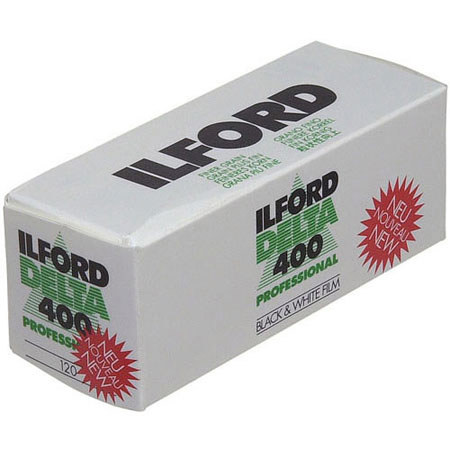
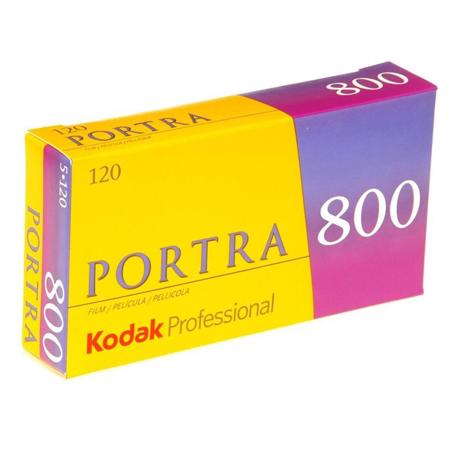
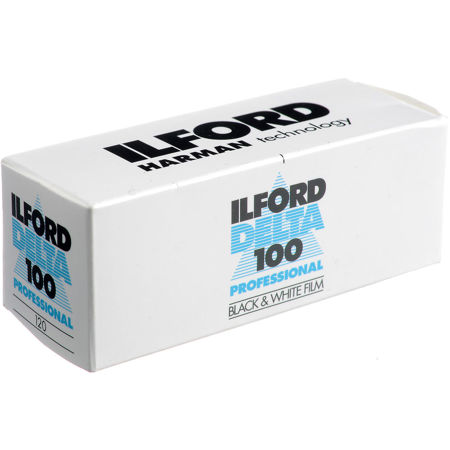
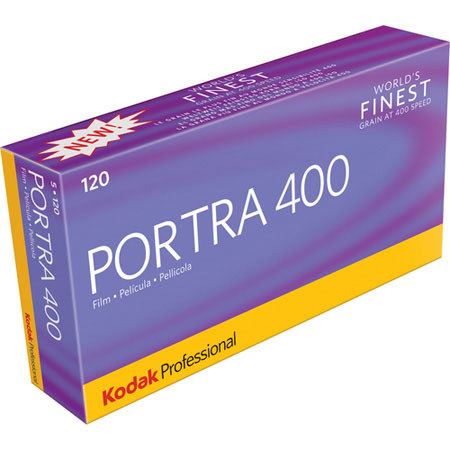
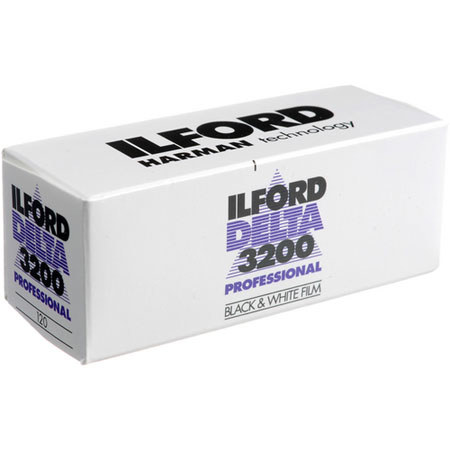
Medium format camera film, most often found in the 120 film roll, has long been celebrated by photographers for its unique ability to capture images with remarkable clarity, subtle tonal transitions, and a depth of color that stands apart from smaller formats. The generous size of 120mm film negatives—significantly larger than 35mm—translates into photographs with far greater detail, smoother gradients, and less visible grain. This makes medium format an ideal choice for those who want to create images that can be enlarged for display or publication without sacrificing sharpness or richness. Whether you’re shooting vibrant landscapes as the days grow longer and the natural world comes alive, or capturing portraits with beautifully rendered skin tones and a dreamy, shallow depth of field, 120mm camera film offers a tactile, immersive experience that digital simply can’t replicate. The physicality of loading a 120 film roll into a camera, winding the spool, and anticipating each carefully composed exposure is a ritual cherished by both seasoned professionals and passionate hobbyists. The versatility of 120 film also allows for a range of formats—such as 6x4.5, 6x6, 6x7, and 6x9—which in turn determines how many frames you’ll get from a single roll, typically between 8 and 16. This encourages a more thoughtful, deliberate approach to photography, where each frame counts and every shot tells a story.
Choosing the right 120mm film for your creative vision involves considering a few important factors. The selection spans a spectrum from color negative and color reversal (slide) films to a variety of black-and-white emulsions, each with its own distinctive look and feel. Color films are prized for their ability to render lush, vibrant hues and subtle skin tones, making them a favorite for wedding, portrait, and fashion photographers. Black-and-white 120 film, on the other hand, is renowned for its classic aesthetic, offering deep contrast, fine grain, and a timeless quality that’s perfect for fine art, documentary, and street photography. When you buy 120 film, it’s also worth thinking about the lighting conditions you’ll be working in—slower films excel in bright, outdoor environments, while higher-speed options are better suited for shooting indoors or during the golden hours of sunrise and sunset. For those new to medium format, experimenting with different film stocks can be a rewarding journey, revealing how subtle changes in emulsion and processing can dramatically alter the mood and character of your images. Medium format camera film also makes a thoughtful gift for anyone passionate about analog photography, from students learning traditional darkroom techniques to experienced artists seeking the unparalleled quality of 120mm negatives. As the seasons shift from the warmth of early summer to the softer light of early fall, there’s a special satisfaction in capturing fleeting moments on film—whether it’s a sun-drenched landscape, a candid family gathering, or the intricate textures of changing foliage.
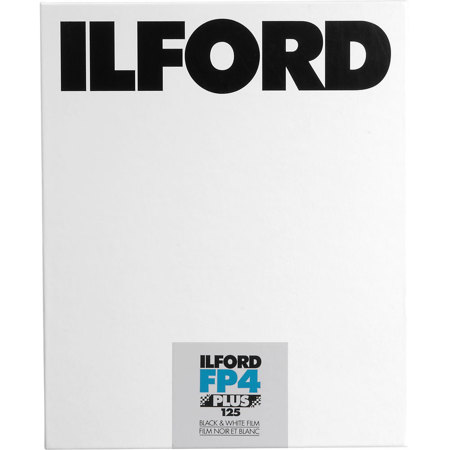
Processing and handling medium format film requires a bit more attention than its 35mm counterpart, but the results are well worth the effort. Most standard labs focus on 35mm processing, so it’s important to seek out dedicated film labs—either local or mail-in—that specialize in 120 film. These labs can handle the nuanced requirements of both color and black-and-white development, ensuring your negatives are treated with the care they deserve. For those who enjoy the hands-on aspect of photography, developing 120mm camera film at home is also an option, offering even greater creative control and a deeper connection to the craft. If your photographic interests extend beyond medium format, you may also want to explore Large Format Films for an even more expansive canvas and ultimate image quality. Whether you’re building your own portfolio, working on a personal project, or simply savoring the process of analog photography, medium format camera film continues to inspire artists and storytellers of all backgrounds. Its enduring appeal lies in the combination of technical excellence and creative freedom, making every frame an opportunity to see the world anew.
Choosing the right 120mm film for your creative vision involves considering a few important factors. The selection spans a spectrum from color negative and color reversal (slide) films to a variety of black-and-white emulsions, each with its own distinctive look and feel. Color films are prized for their ability to render lush, vibrant hues and subtle skin tones, making them a favorite for wedding, portrait, and fashion photographers. Black-and-white 120 film, on the other hand, is renowned for its classic aesthetic, offering deep contrast, fine grain, and a timeless quality that’s perfect for fine art, documentary, and street photography. When you buy 120 film, it’s also worth thinking about the lighting conditions you’ll be working in—slower films excel in bright, outdoor environments, while higher-speed options are better suited for shooting indoors or during the golden hours of sunrise and sunset. For those new to medium format, experimenting with different film stocks can be a rewarding journey, revealing how subtle changes in emulsion and processing can dramatically alter the mood and character of your images. Medium format camera film also makes a thoughtful gift for anyone passionate about analog photography, from students learning traditional darkroom techniques to experienced artists seeking the unparalleled quality of 120mm negatives. As the seasons shift from the warmth of early summer to the softer light of early fall, there’s a special satisfaction in capturing fleeting moments on film—whether it’s a sun-drenched landscape, a candid family gathering, or the intricate textures of changing foliage.
Processing and handling medium format film requires a bit more attention than its 35mm counterpart, but the results are well worth the effort. Most standard labs focus on 35mm processing, so it’s important to seek out dedicated film labs—either local or mail-in—that specialize in 120 film. These labs can handle the nuanced requirements of both color and black-and-white development, ensuring your negatives are treated with the care they deserve. For those who enjoy the hands-on aspect of photography, developing 120mm camera film at home is also an option, offering even greater creative control and a deeper connection to the craft. If your photographic interests extend beyond medium format, you may also want to explore Large Format Films for an even more expansive canvas and ultimate image quality. Whether you’re building your own portfolio, working on a personal project, or simply savoring the process of analog photography, medium format camera film continues to inspire artists and storytellers of all backgrounds. Its enduring appeal lies in the combination of technical excellence and creative freedom, making every frame an opportunity to see the world anew.