
Micro Lenses
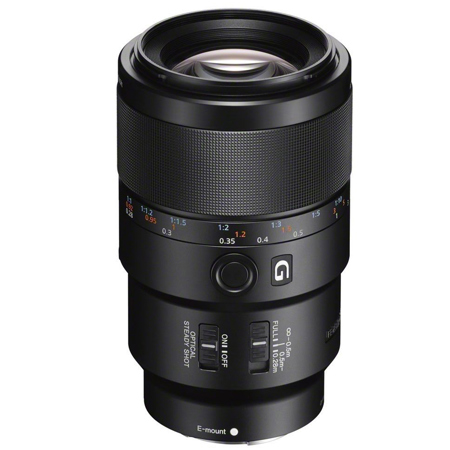
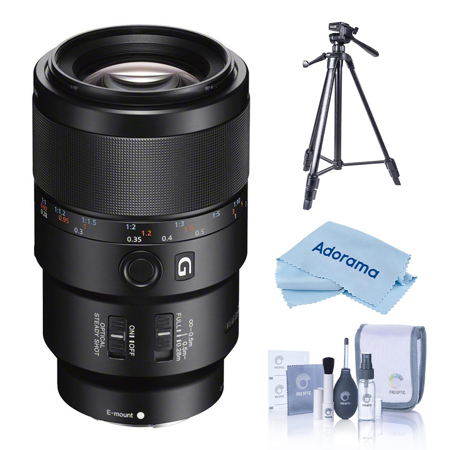
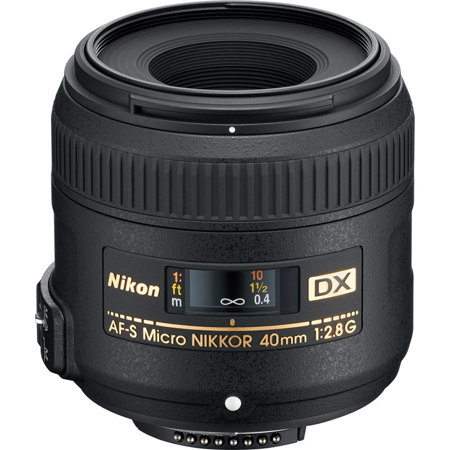
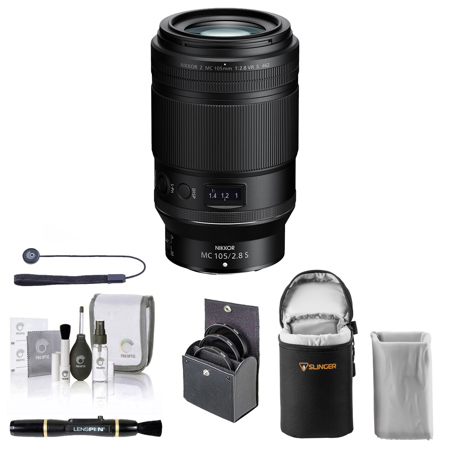
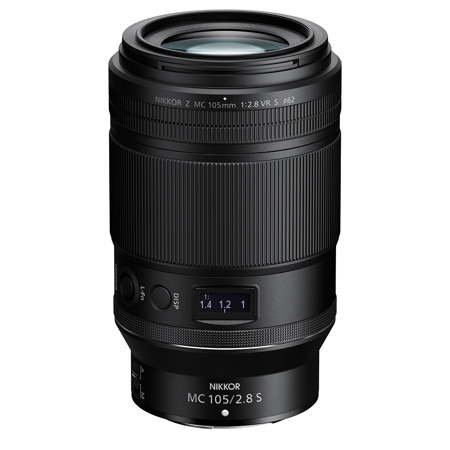
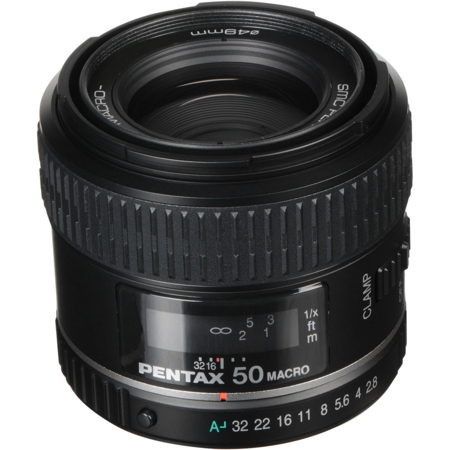
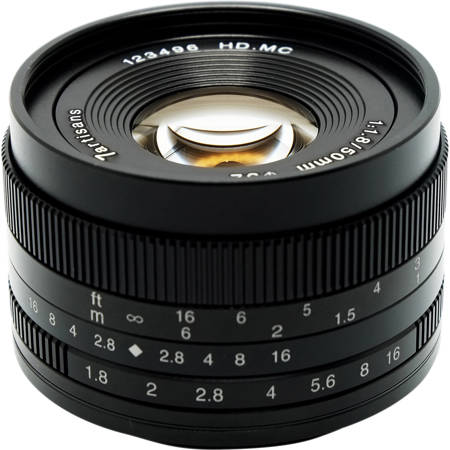
Micro lenses, often referred to as macro lenses, are a cornerstone of close-up photography, allowing creators to capture the world in stunning detail. Whether you’re photographing the delicate structure of a butterfly’s wings, the intricate facets of a gemstone, or the subtle textures of a blooming flower, a micro photography lens brings a new perspective to everyday subjects. These specialized lenses are engineered for sharpness and minimal distortion at close focusing distances, with many offering a true 1:1 reproduction ratio—meaning the subject appears life-size on your camera’s sensor. This capability is invaluable for nature enthusiasts who want to document insects or plants in their natural habitat, as well as for professionals in product, jewelry, or scientific photography who need to reveal the finest details with accuracy. As the weather warms and outdoor exploration becomes more inviting, micro lenses are especially popular for capturing the vibrant life that emerges in gardens, parks, and forests. The ability to focus at such close distances also makes these lenses a favorite for creative experimentation, such as abstract textures, food photography, or documenting collectibles.
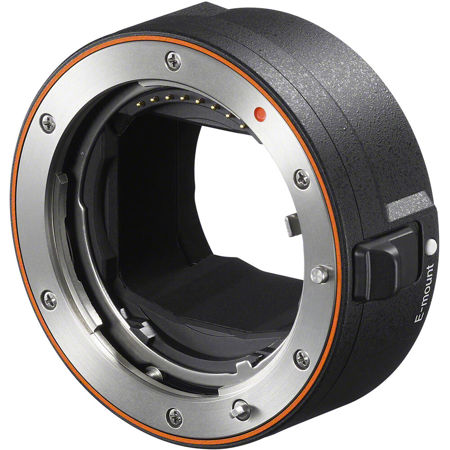
When considering a micro lens, it’s important to think about focal length and working distance. Shorter focal lengths, like 50mm or 60mm, require you to get physically closer to your subject, which can be ideal for studio setups or still-life work. Longer focal lengths, such as 90mm, 100mm, or 105mm, provide more working distance, making them perfect for photographing skittish insects or subjects that are difficult to approach. This extra distance can also help with lighting, as it leaves more space between the lens and the subject for positioning flashes or reflectors. Micro lenses are known for their edge-to-edge sharpness, with optical designs that minimize chromatic aberration and distortion even at high magnifications. Some photographers supplement their kit with Macro Lens Adapters to add versatility or achieve even greater magnification. For those looking to purchase wholesale micro lenses for educational programs, workshops, or group gifts, there are a variety of options to fit different camera systems and budgets. Micro lenses also make thoughtful gifts for anyone passionate about photography—be it a budding naturalist, an artist exploring new creative avenues, or a seasoned pro looking to expand their toolkit.
The appeal of a micro lens extends through all seasons, but the early summer to early fall window is particularly rich with photographic opportunities. Gardens are bursting with color, insects are active, and the interplay of light and shadow can make even the simplest subject look extraordinary. Many photographers find themselves drawn to micro photography during this time, inspired by the abundance of life and detail that emerges. Whether you’re capturing the morning dew on a spiderweb, the veins in a leaf, or the intricate patterns on a seashell collected during a beach outing, a micro lens opens up a world of creative potential. These lenses are not only tools for documentation but also for storytelling, helping you share the beauty and complexity of the small wonders that often go unnoticed. For anyone looking to push the boundaries of their craft, investing in a quality micro lens—or exploring the possibilities with accessories like adapters—can transform the way you see and capture the world.
When considering a micro lens, it’s important to think about focal length and working distance. Shorter focal lengths, like 50mm or 60mm, require you to get physically closer to your subject, which can be ideal for studio setups or still-life work. Longer focal lengths, such as 90mm, 100mm, or 105mm, provide more working distance, making them perfect for photographing skittish insects or subjects that are difficult to approach. This extra distance can also help with lighting, as it leaves more space between the lens and the subject for positioning flashes or reflectors. Micro lenses are known for their edge-to-edge sharpness, with optical designs that minimize chromatic aberration and distortion even at high magnifications. Some photographers supplement their kit with Macro Lens Adapters to add versatility or achieve even greater magnification. For those looking to purchase wholesale micro lenses for educational programs, workshops, or group gifts, there are a variety of options to fit different camera systems and budgets. Micro lenses also make thoughtful gifts for anyone passionate about photography—be it a budding naturalist, an artist exploring new creative avenues, or a seasoned pro looking to expand their toolkit.
The appeal of a micro lens extends through all seasons, but the early summer to early fall window is particularly rich with photographic opportunities. Gardens are bursting with color, insects are active, and the interplay of light and shadow can make even the simplest subject look extraordinary. Many photographers find themselves drawn to micro photography during this time, inspired by the abundance of life and detail that emerges. Whether you’re capturing the morning dew on a spiderweb, the veins in a leaf, or the intricate patterns on a seashell collected during a beach outing, a micro lens opens up a world of creative potential. These lenses are not only tools for documentation but also for storytelling, helping you share the beauty and complexity of the small wonders that often go unnoticed. For anyone looking to push the boundaries of their craft, investing in a quality micro lens—or exploring the possibilities with accessories like adapters—can transform the way you see and capture the world.