
Midi Ports
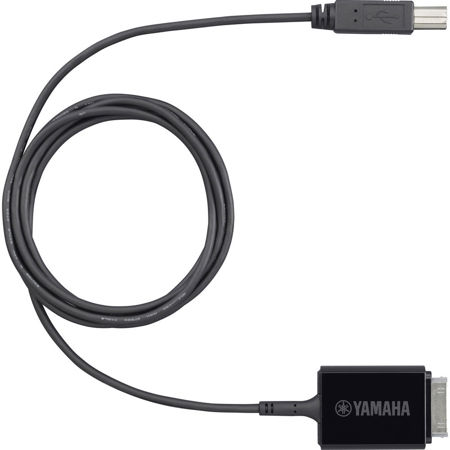
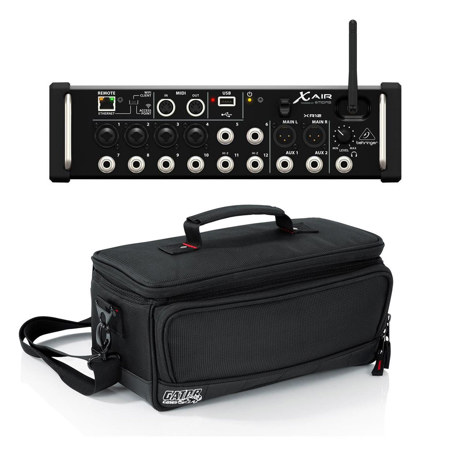
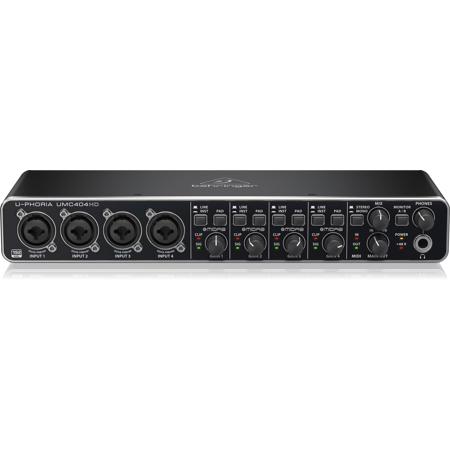
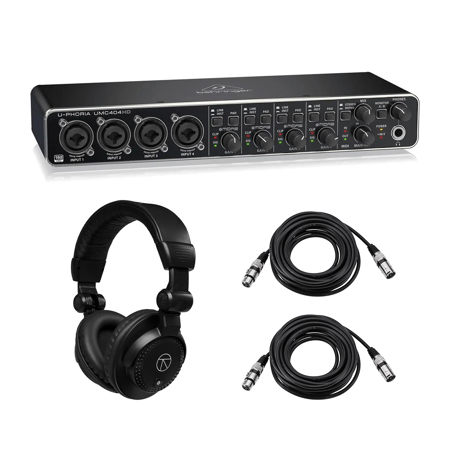
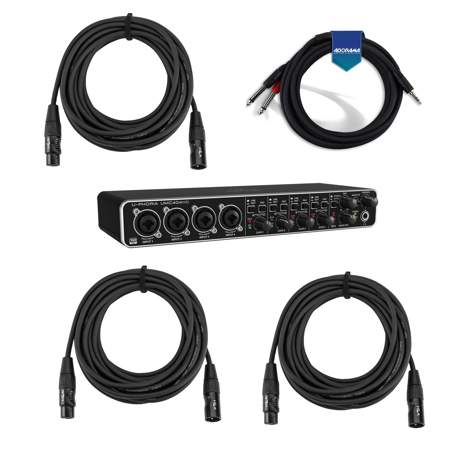
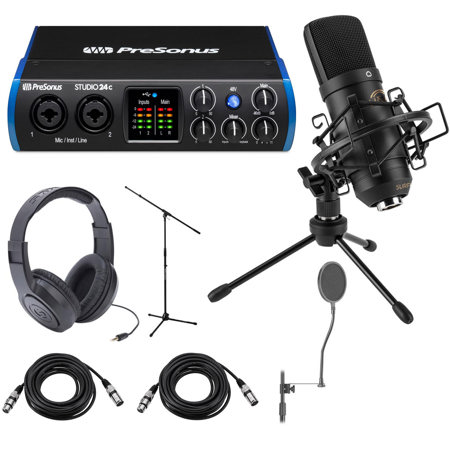
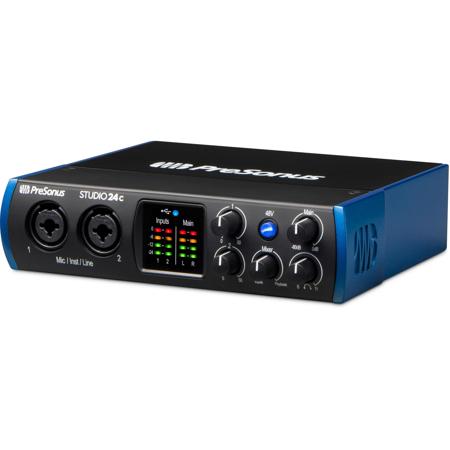
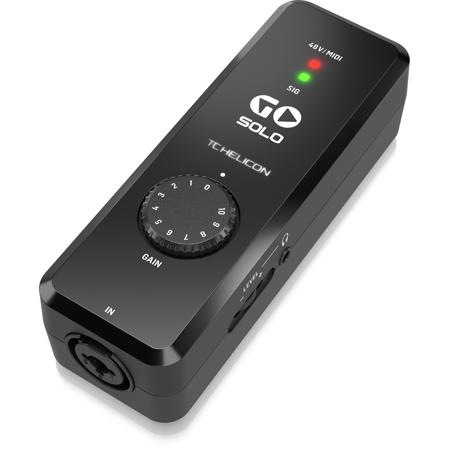
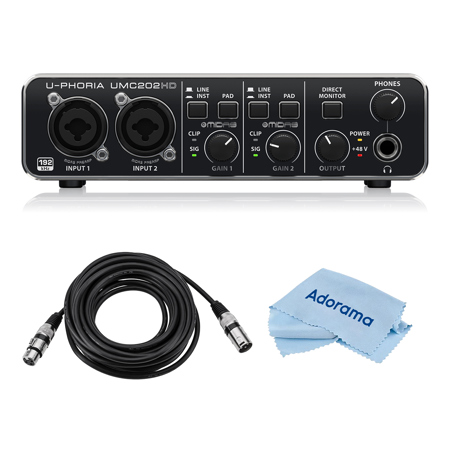
MIDI ports serve as the backbone of modern music production and live performance, providing the essential connections that allow electronic instruments, computers, and controllers to communicate seamlessly. Whether you’re a seasoned producer building a complex studio setup or an enthusiastic hobbyist experimenting with your first synthesizer, understanding the role and variety of MIDI ports is crucial for unlocking the full potential of your gear. Traditional 5-pin DIN connectors remain a staple for hardware synthesizers and drum machines, offering reliable, unidirectional data transfer for note events, pitch bends, and clock timing. For those working with compact or portable devices, mini-jack (TRS) MIDI ports provide the same functionality in a smaller footprint, though you’ll want to pay attention to whether your gear uses the Type-A or Type-B wiring standard to ensure compatibility with adapters and cables. As technology has evolved, MIDI over USB has become increasingly popular, especially for musicians who want to connect their gear directly to a computer or Digital Audio Workstation (DAW). These USB connections are bidirectional, streamlining the process of sending and receiving MIDI data with a single cable, and are invaluable for those who rely on software instruments or virtual studio setups.
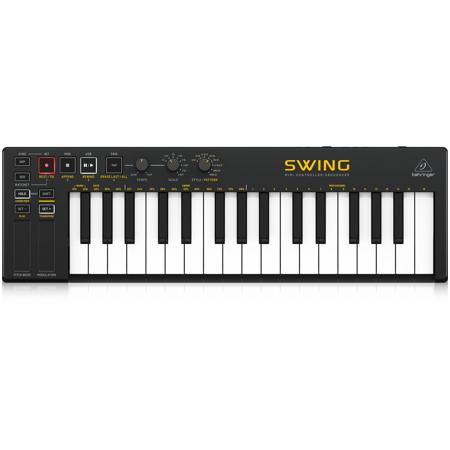
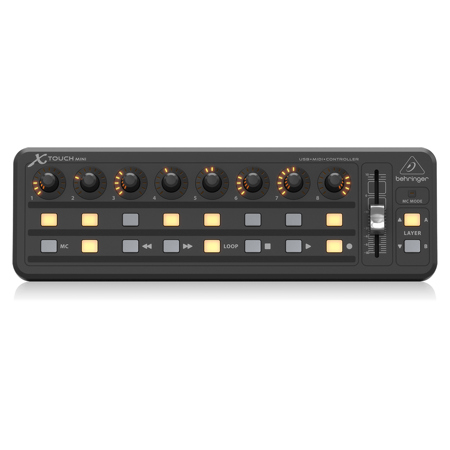
As the weather warms and creative projects shift from the studio to outdoor stages or collaborative jam sessions, the flexibility offered by a robust MIDI port setup becomes even more apparent. Multi-port MIDI interfaces and MIDI thru boxes are indispensable for musicians who need to manage several pieces of hardware simultaneously, reducing latency and ensuring tight synchronization across all devices. Virtual MIDI ports, available through software solutions on both macOS and Windows, allow for efficient routing of MIDI data between applications without the need for additional physical connections—a boon for producers working entirely “in the box.” When selecting MIDI gear, consider the number and type of ports you’ll need, as well as your workflow preferences. If you’re integrating vintage hardware with modern controllers or software, you may need a combination of 5-pin DIN, TRS, and USB ports, along with dedicated interfaces to keep everything running smoothly. These products make thoughtful gifts for aspiring musicians, educators, and anyone interested in music technology, as they open up new possibilities for creativity and collaboration. For those exploring the world of MIDI, controllers with USB connectivity offer an accessible entry point and can be found in a wide variety of configurations to suit different playing styles. To discover more options and find the right tool for your setup, visit our curated selection of MIDI USB Controllers.
Whether you’re fine-tuning your home studio during the cooler months or gearing up for live performances as festival season approaches, the right MIDI ports and accessories can make all the difference in your musical journey. From daisy-chaining multiple synthesizers with a reliable thru box to streamlining your workflow with a multi-port interface, these essential components help you focus on creativity rather than troubleshooting connections. Enabling and configuring your MIDI ports within your DAW’s preferences—assigning specific ports for note data, synchronization, or remote control—ensures that your hardware and software work together harmoniously. As you expand your setup or seek to bridge the gap between classic gear and cutting-edge technology, investing in quality MIDI port solutions lays the foundation for years of inspired music-making and seamless performance.
As the weather warms and creative projects shift from the studio to outdoor stages or collaborative jam sessions, the flexibility offered by a robust MIDI port setup becomes even more apparent. Multi-port MIDI interfaces and MIDI thru boxes are indispensable for musicians who need to manage several pieces of hardware simultaneously, reducing latency and ensuring tight synchronization across all devices. Virtual MIDI ports, available through software solutions on both macOS and Windows, allow for efficient routing of MIDI data between applications without the need for additional physical connections—a boon for producers working entirely “in the box.” When selecting MIDI gear, consider the number and type of ports you’ll need, as well as your workflow preferences. If you’re integrating vintage hardware with modern controllers or software, you may need a combination of 5-pin DIN, TRS, and USB ports, along with dedicated interfaces to keep everything running smoothly. These products make thoughtful gifts for aspiring musicians, educators, and anyone interested in music technology, as they open up new possibilities for creativity and collaboration. For those exploring the world of MIDI, controllers with USB connectivity offer an accessible entry point and can be found in a wide variety of configurations to suit different playing styles. To discover more options and find the right tool for your setup, visit our curated selection of MIDI USB Controllers.
Whether you’re fine-tuning your home studio during the cooler months or gearing up for live performances as festival season approaches, the right MIDI ports and accessories can make all the difference in your musical journey. From daisy-chaining multiple synthesizers with a reliable thru box to streamlining your workflow with a multi-port interface, these essential components help you focus on creativity rather than troubleshooting connections. Enabling and configuring your MIDI ports within your DAW’s preferences—assigning specific ports for note data, synchronization, or remote control—ensures that your hardware and software work together harmoniously. As you expand your setup or seek to bridge the gap between classic gear and cutting-edge technology, investing in quality MIDI port solutions lays the foundation for years of inspired music-making and seamless performance.