Monitor Connection Cables
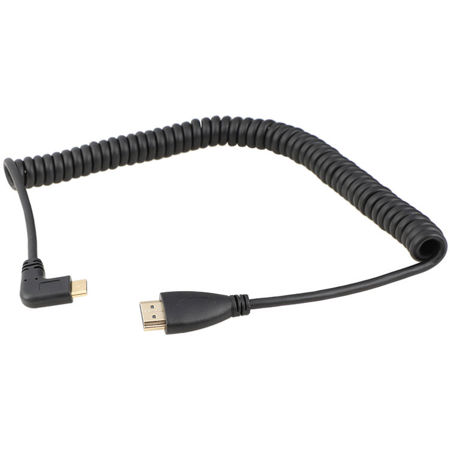
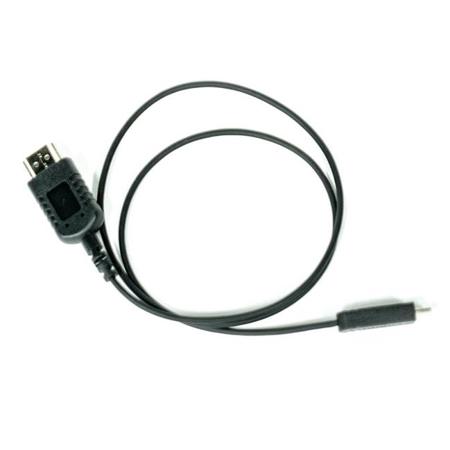
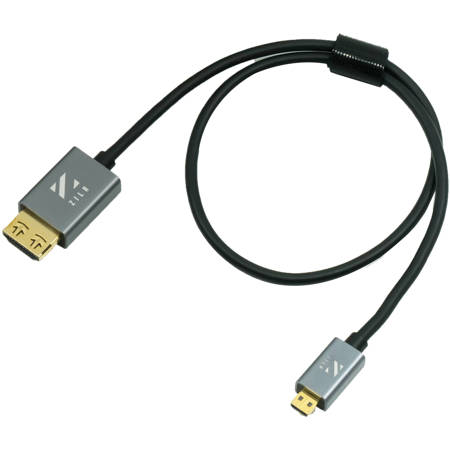
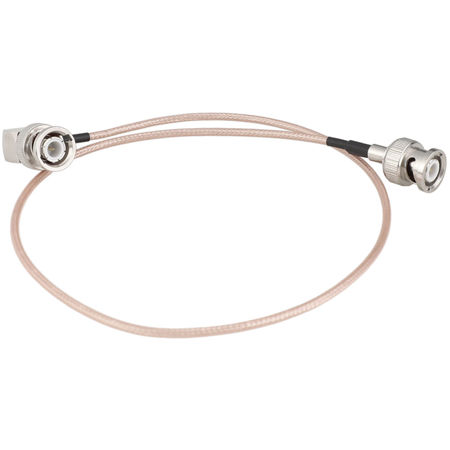
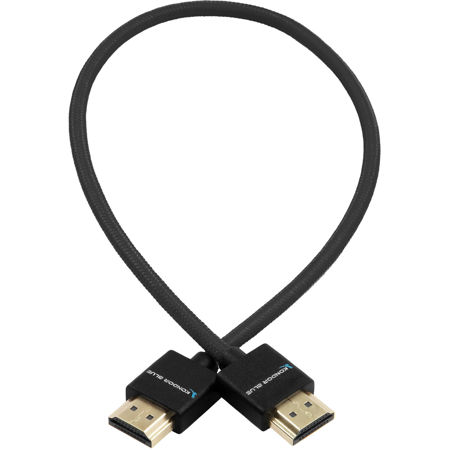
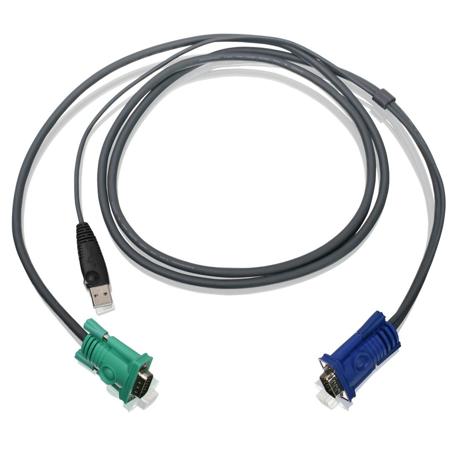
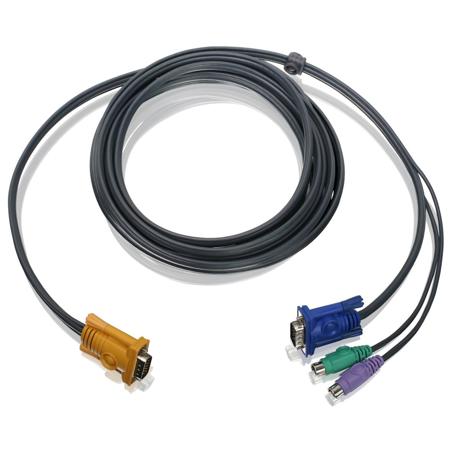
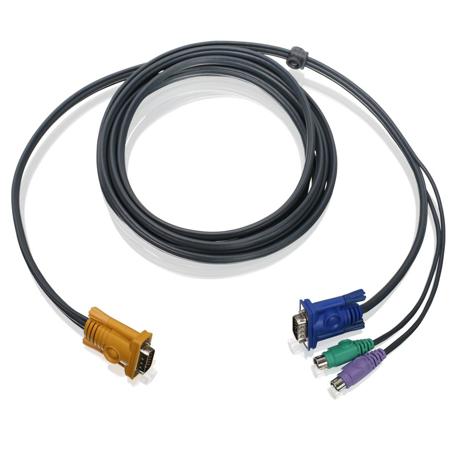
Whether you’re setting up a cutting-edge workstation, enhancing your home entertainment system, or outfitting a professional studio, the right monitor connection cables are fundamental to achieving seamless, high-quality visuals. The world of monitor cables is more diverse than ever, with options tailored to suit every setup—from the latest USB-C and Thunderbolt connectors that power ultra-slim laptops and deliver crisp 4K and 8K video, to the robust DisplayPort and HDMI cables favored by gamers and creative professionals for their ability to handle high refresh rates and deep color profiles. Even legacy standards like DVI and VGA still play a vital role in connecting older displays or projectors, ensuring that no valuable equipment is left behind as you upgrade your tech. As February brings a fresh wave of productivity and creativity, many find themselves reorganizing their desks, adding a new monitor for multitasking, or preparing for upcoming presentations—making this the perfect season to consider which cables will keep your displays performing at their best.
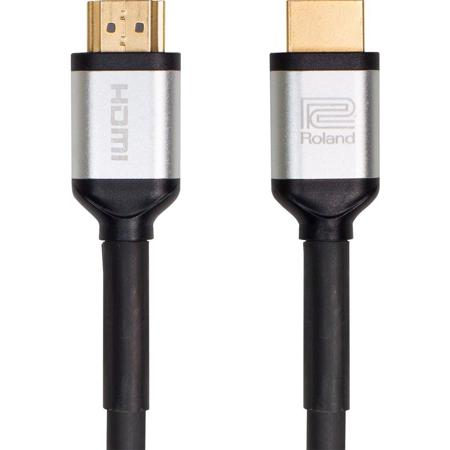
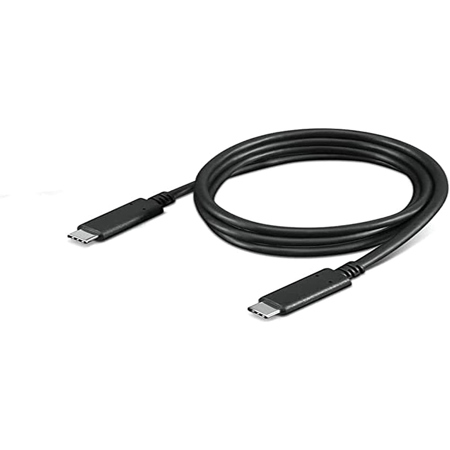
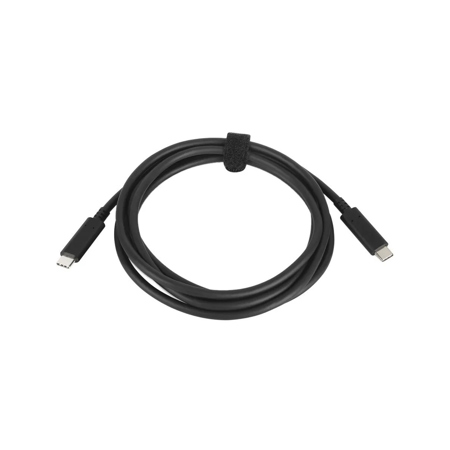
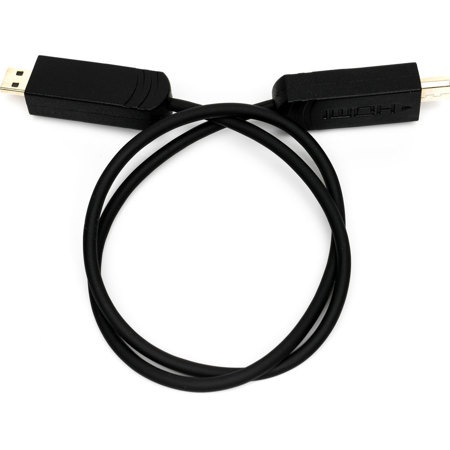
Choosing the right monitor connection cable requires a bit of thoughtful consideration. For those who demand the sharpest image quality—such as photographers, video editors, and gamers—cable bandwidth and compatibility with high refresh rates are top priorities. DisplayPort and HDMI cables are often the go-to choices here, offering support for resolutions up to 8K and features like HDR and adaptive sync. USB-C cables, meanwhile, have become indispensable in modern offices and creative studios, thanks to their ability to transmit video, data, and power through a single, reversible connector—ideal for reducing clutter and streamlining connections between laptops and monitors. If you’re working with older equipment, DVI and VGA cables remain reliable options, particularly for secondary displays or projectors in classrooms and conference rooms. These cables also make thoughtful, practical gifts for students, remote workers, and anyone setting up a new workspace, as they ensure compatibility across generations of devices. As you evaluate your needs, consider the length of cable required to reach your monitor without strain, the quality of shielding to prevent signal interference, and the durability of connectors—details that can make all the difference in a busy environment.
Monitor connection cables are more than just accessories; they’re the vital links that bring your digital world to life. Whether you’re editing high-resolution images, streaming your favorite series, or sharing a presentation in a boardroom, the right cable ensures every pixel is delivered with clarity and reliability. It’s also worth exploring the broader family of Interface Cables to find solutions for every connectivity challenge, from audio and video to data and power. As technology continues to evolve, keeping your setup equipped with the latest cables guarantees you’ll be ready for whatever projects and opportunities the season brings—now and in the months ahead.
Choosing the right monitor connection cable requires a bit of thoughtful consideration. For those who demand the sharpest image quality—such as photographers, video editors, and gamers—cable bandwidth and compatibility with high refresh rates are top priorities. DisplayPort and HDMI cables are often the go-to choices here, offering support for resolutions up to 8K and features like HDR and adaptive sync. USB-C cables, meanwhile, have become indispensable in modern offices and creative studios, thanks to their ability to transmit video, data, and power through a single, reversible connector—ideal for reducing clutter and streamlining connections between laptops and monitors. If you’re working with older equipment, DVI and VGA cables remain reliable options, particularly for secondary displays or projectors in classrooms and conference rooms. These cables also make thoughtful, practical gifts for students, remote workers, and anyone setting up a new workspace, as they ensure compatibility across generations of devices. As you evaluate your needs, consider the length of cable required to reach your monitor without strain, the quality of shielding to prevent signal interference, and the durability of connectors—details that can make all the difference in a busy environment.
Monitor connection cables are more than just accessories; they’re the vital links that bring your digital world to life. Whether you’re editing high-resolution images, streaming your favorite series, or sharing a presentation in a boardroom, the right cable ensures every pixel is delivered with clarity and reliability. It’s also worth exploring the broader family of Interface Cables to find solutions for every connectivity challenge, from audio and video to data and power. As technology continues to evolve, keeping your setup equipped with the latest cables guarantees you’ll be ready for whatever projects and opportunities the season brings—now and in the months ahead.