
Moving Light Fixtures
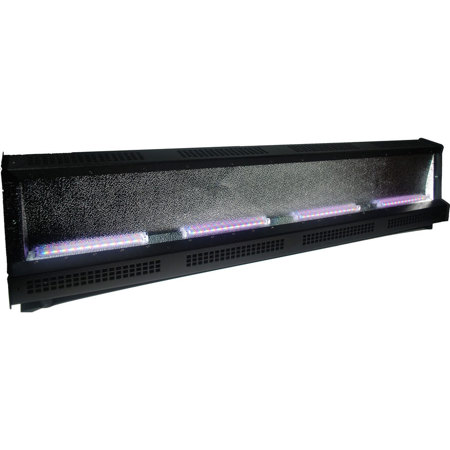
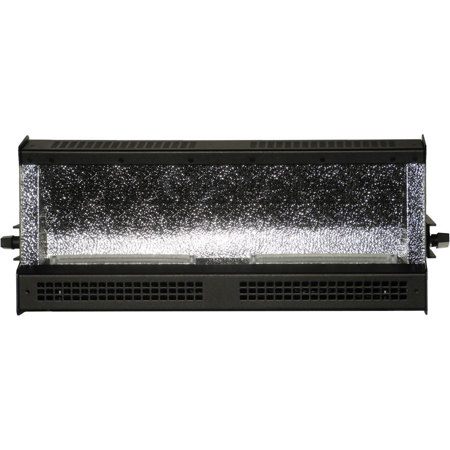
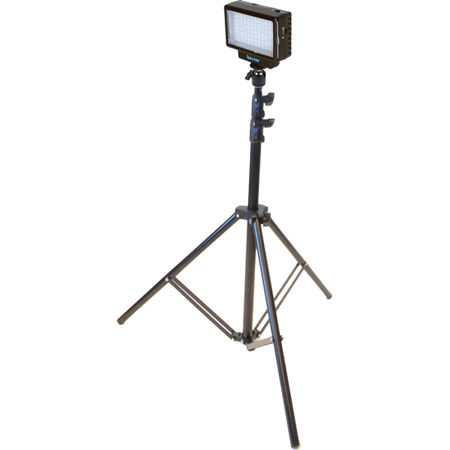
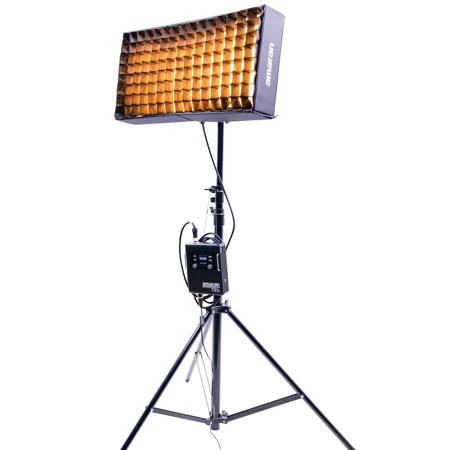
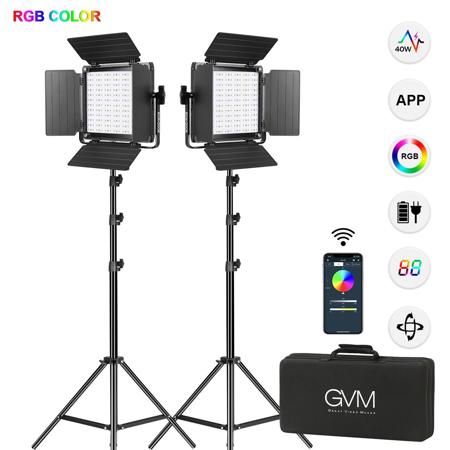
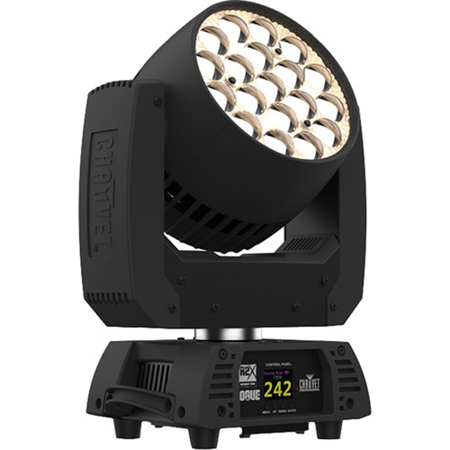
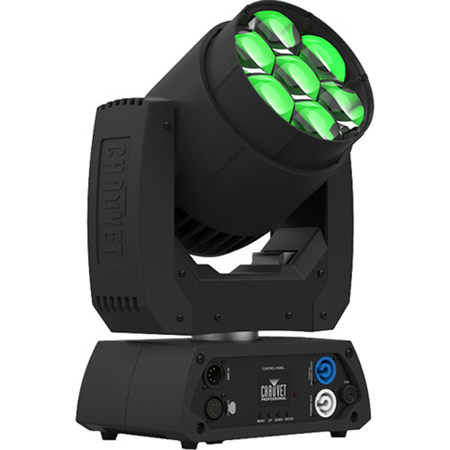
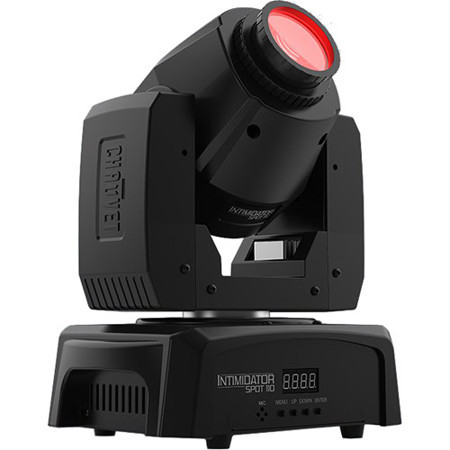
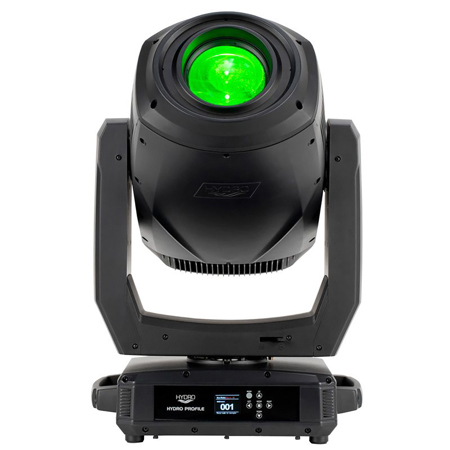
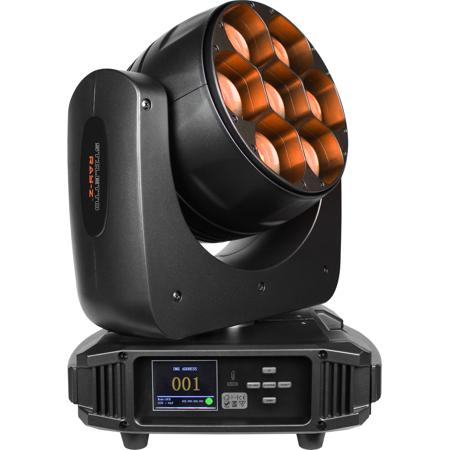
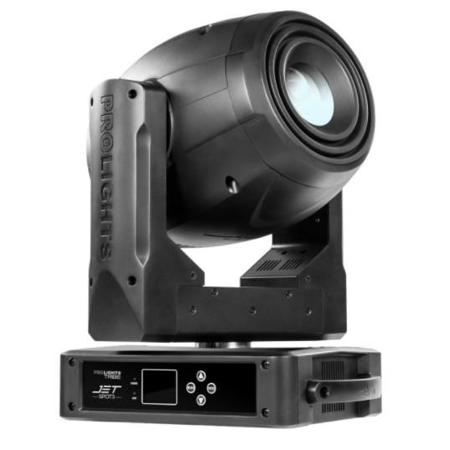
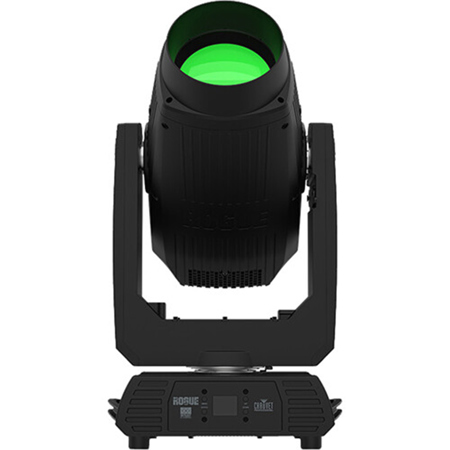
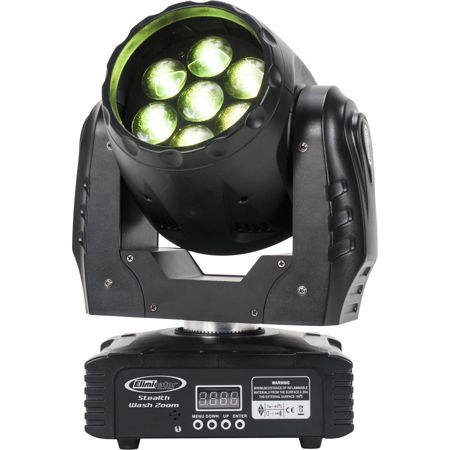
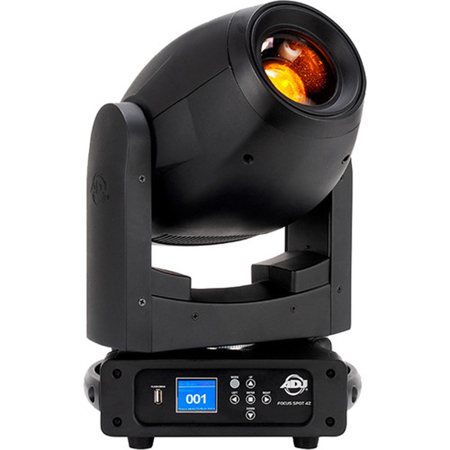
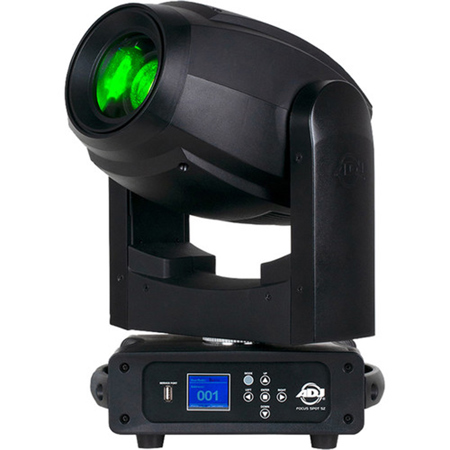
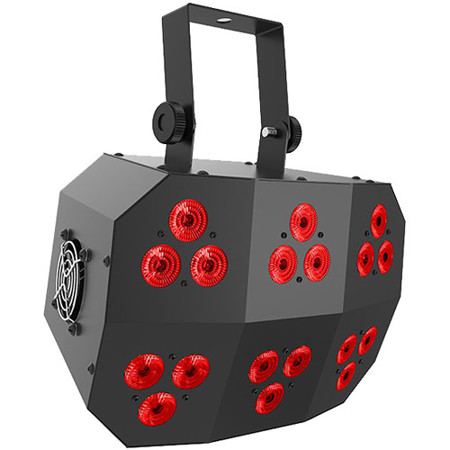
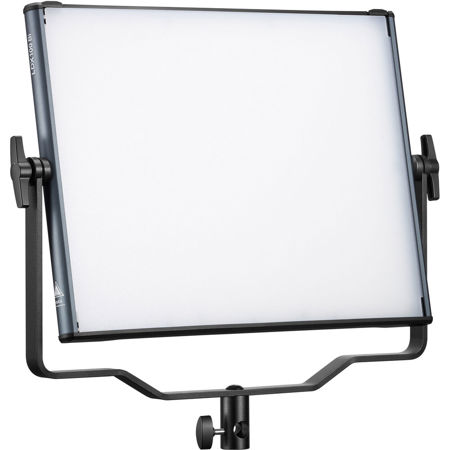
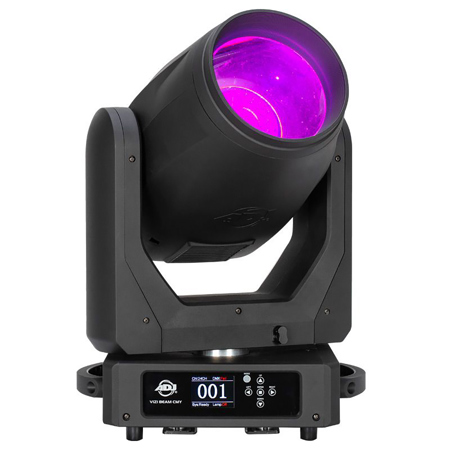
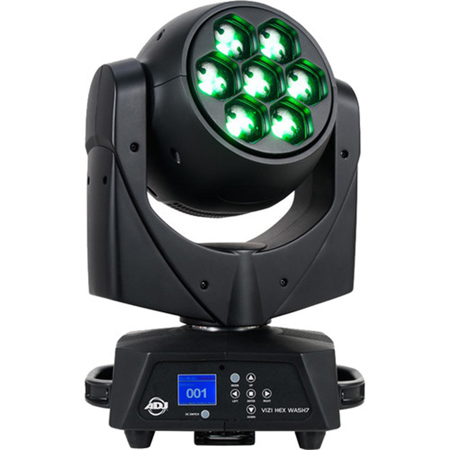
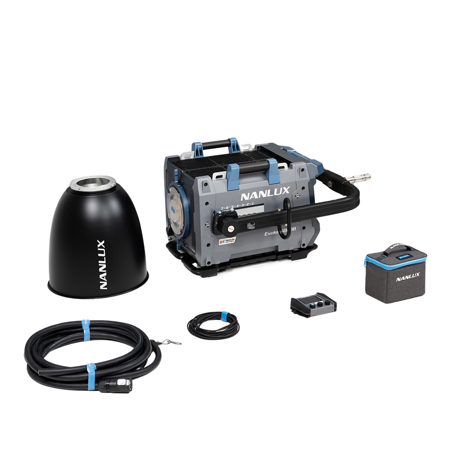
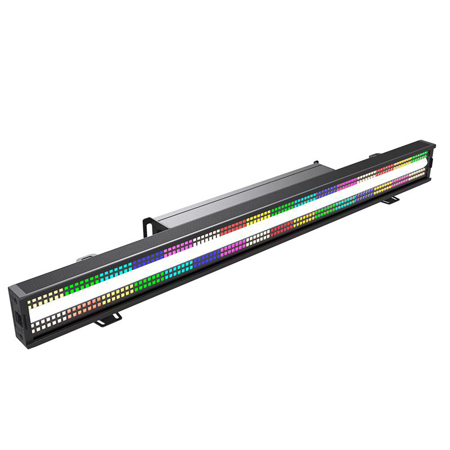
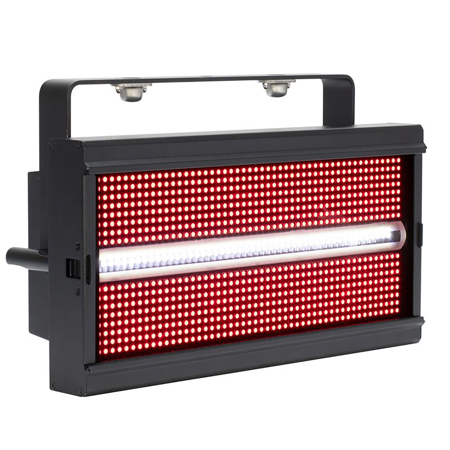
When considering moving light fixtures for your space, it’s important to approach the process with both creativity and careful planning. Whether you’re updating a home studio, enhancing a performance venue, or simply refreshing the ambiance of your living room, moving lights offer a dynamic solution for modern lighting needs. These versatile fixtures are designed to be repositioned, adjusted, or relocated to suit changing layouts or evolving creative visions, making them a favorite among photographers, videographers, theater professionals, and interior designers alike. In the colder months of February, when natural light can be scarce and indoor environments become the heart of activity, strategically placed moving light fixtures can transform even the most static spaces into vibrant, adaptable settings. For those working with cyclorama lighting in studios or aiming to achieve dramatic washes of color and light for stage productions, the flexibility of moving lights allows for seamless transitions between scenes, moods, and photographic setups. Lighting movers are engineered to be robust yet responsive, offering features like adjustable arms, rotatable heads, and remote control capabilities that let you fine-tune your lighting without ever leaving your workstation or director’s chair.
For anyone considering a lighting upgrade, there are several key factors to keep in mind to ensure a secure and code-compliant installation. First and foremost, always prioritize safety by turning off power at the circuit breaker before beginning any electrical work. Moving a light fixture typically involves relocating the electrical box and rerouting wiring, which may require cutting into the ceiling or wall, installing a new old-work electrical box, and anchoring the fixture securely to a ceiling joist or using a properly rated plaster ring for support. If you’re looking for a less invasive option, surface-mounted cable ducts or decorative ceiling medallions can be used to conceal wiring and provide a polished finish without extensive remodeling. For pendant lights or chandeliers, the chain and hook method—using a swag kit—offers a stylish way to reposition the fixture while maintaining a clean look. Always ensure your installation meets local building codes and, if in doubt, consult a licensed electrician to avoid hazards or code violations. Having the right tools on hand, such as a voltage tester, wire strippers, drywall saw, and fish tape, will make the process smoother and safer.
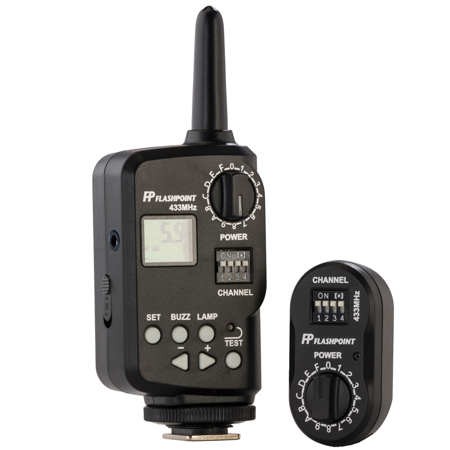
Moving light fixtures are not only practical but also make thoughtful gifts for creative individuals or anyone looking to refresh their space. Imagine gifting a set of moving lights to a budding filmmaker, allowing them to experiment with different lighting angles and intensities for their next short film, or surprising a music lover with lighting movers that sync with their favorite playlists for immersive at-home concerts. During the winter season, when gatherings often shift indoors, dynamic lighting can elevate everything from family movie nights to small performances or photo shoots. For those seeking even greater flexibility, integrating moving light fixtures with smart home systems or remote controls can unlock a world of possibilities, making it easy to adjust lighting scenes with the touch of a button. Explore more options for smart and adaptable lighting by visiting our collection of Remote Controlled Lighting Fixtures, and discover how the right combination of moving lights and lighting movers can redefine your creative and living spaces.
For anyone considering a lighting upgrade, there are several key factors to keep in mind to ensure a secure and code-compliant installation. First and foremost, always prioritize safety by turning off power at the circuit breaker before beginning any electrical work. Moving a light fixture typically involves relocating the electrical box and rerouting wiring, which may require cutting into the ceiling or wall, installing a new old-work electrical box, and anchoring the fixture securely to a ceiling joist or using a properly rated plaster ring for support. If you’re looking for a less invasive option, surface-mounted cable ducts or decorative ceiling medallions can be used to conceal wiring and provide a polished finish without extensive remodeling. For pendant lights or chandeliers, the chain and hook method—using a swag kit—offers a stylish way to reposition the fixture while maintaining a clean look. Always ensure your installation meets local building codes and, if in doubt, consult a licensed electrician to avoid hazards or code violations. Having the right tools on hand, such as a voltage tester, wire strippers, drywall saw, and fish tape, will make the process smoother and safer.
Moving light fixtures are not only practical but also make thoughtful gifts for creative individuals or anyone looking to refresh their space. Imagine gifting a set of moving lights to a budding filmmaker, allowing them to experiment with different lighting angles and intensities for their next short film, or surprising a music lover with lighting movers that sync with their favorite playlists for immersive at-home concerts. During the winter season, when gatherings often shift indoors, dynamic lighting can elevate everything from family movie nights to small performances or photo shoots. For those seeking even greater flexibility, integrating moving light fixtures with smart home systems or remote controls can unlock a world of possibilities, making it easy to adjust lighting scenes with the touch of a button. Explore more options for smart and adaptable lighting by visiting our collection of Remote Controlled Lighting Fixtures, and discover how the right combination of moving lights and lighting movers can redefine your creative and living spaces.