Music Modules
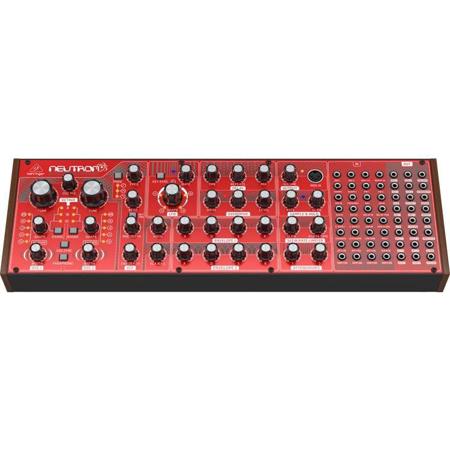
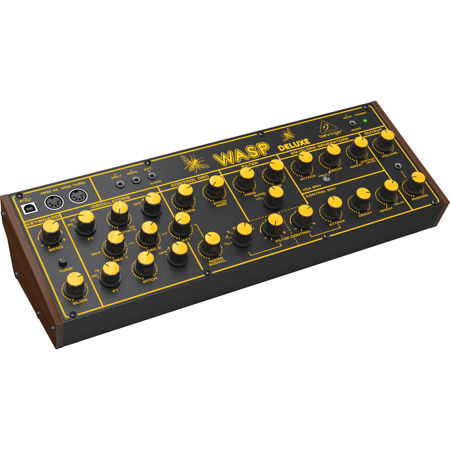
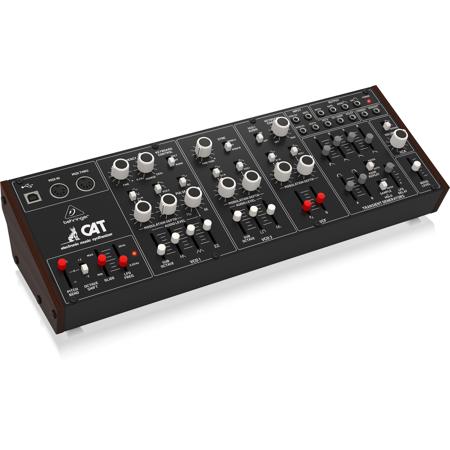
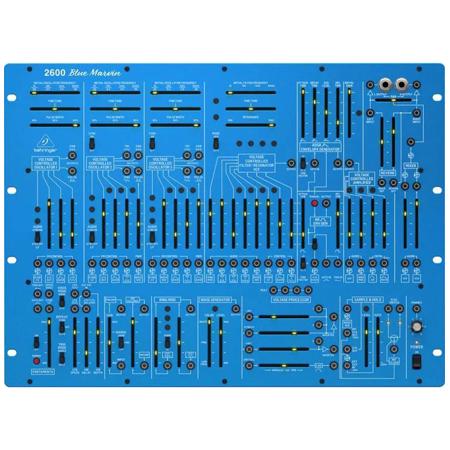
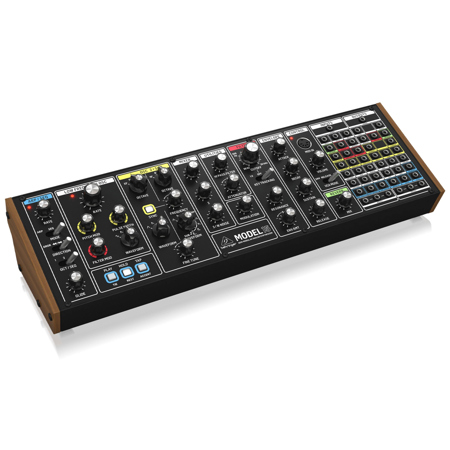
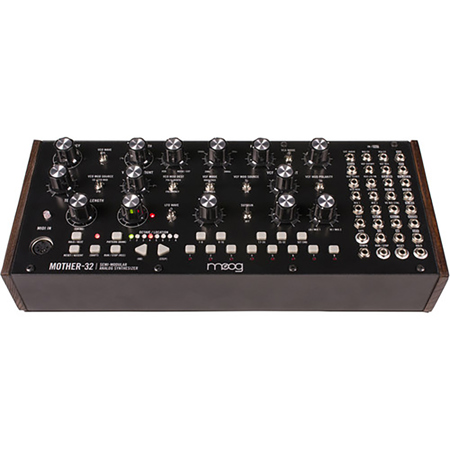
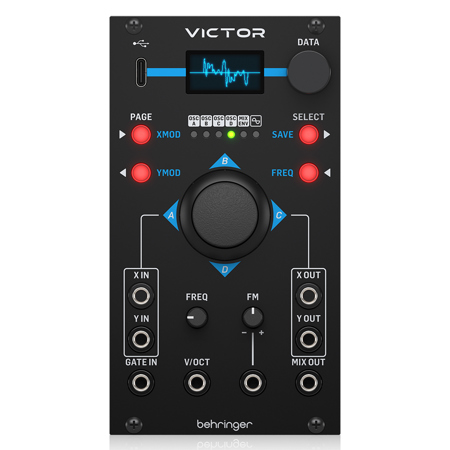
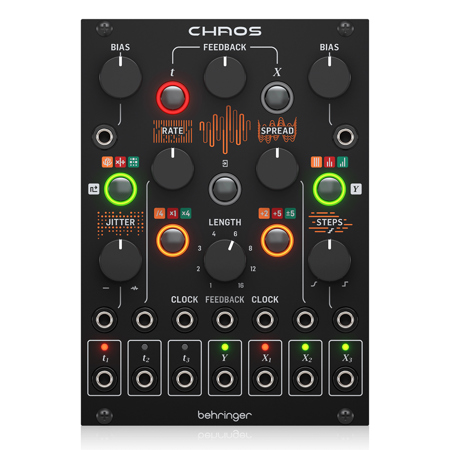
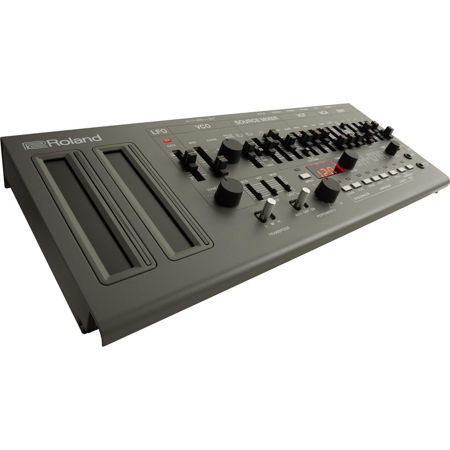
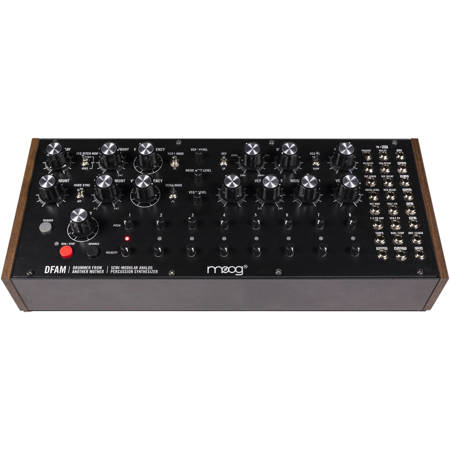
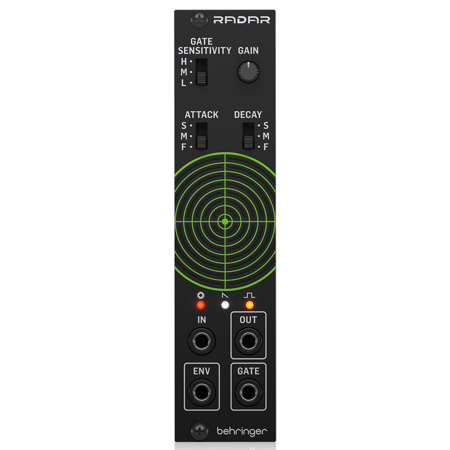
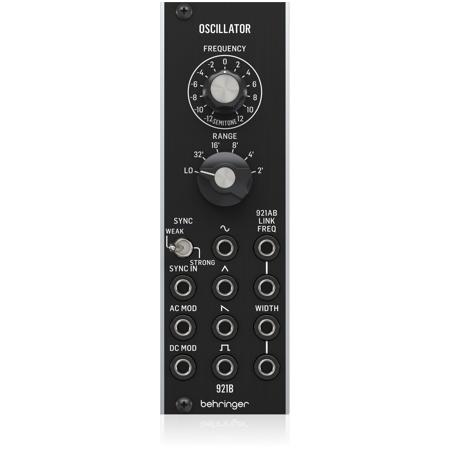
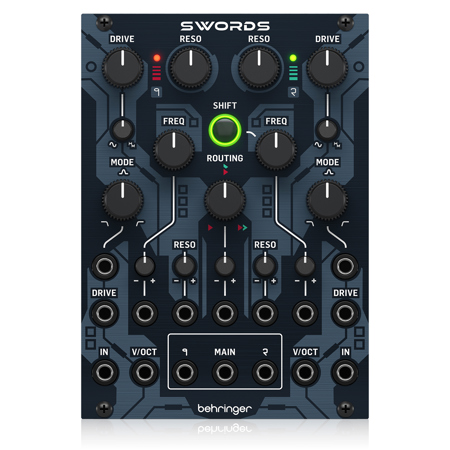
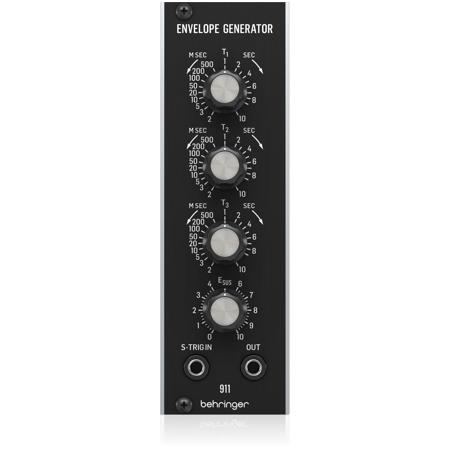
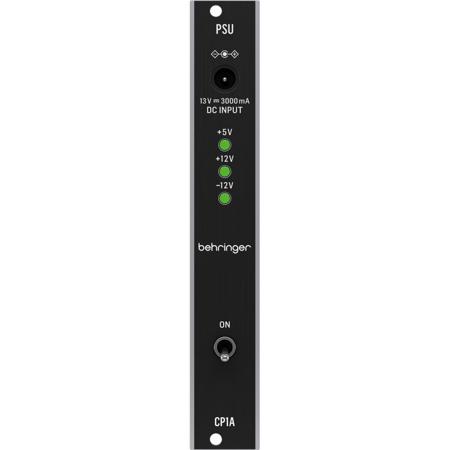
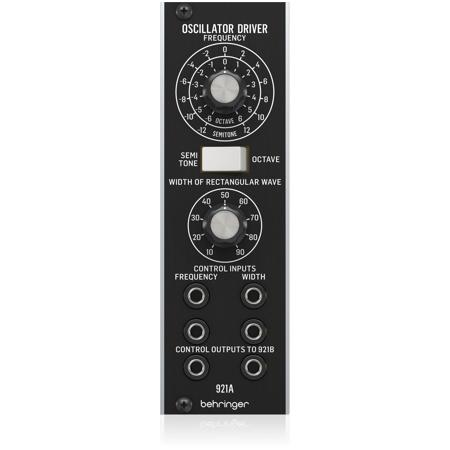
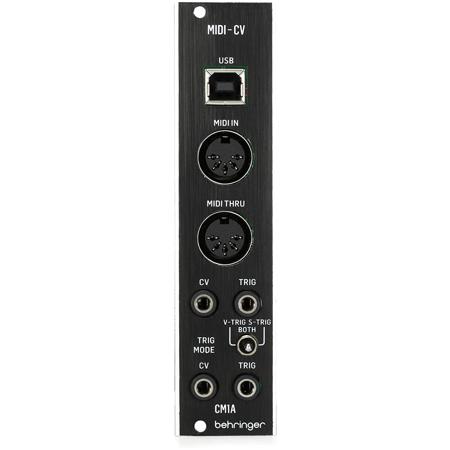
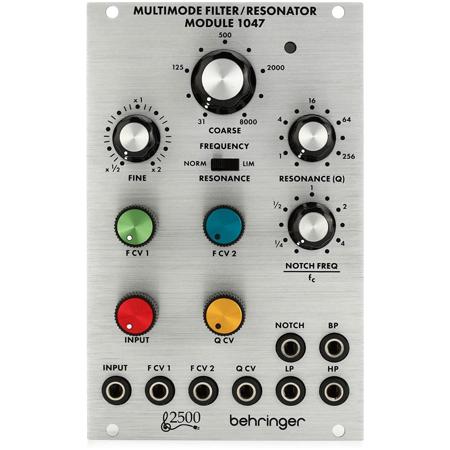
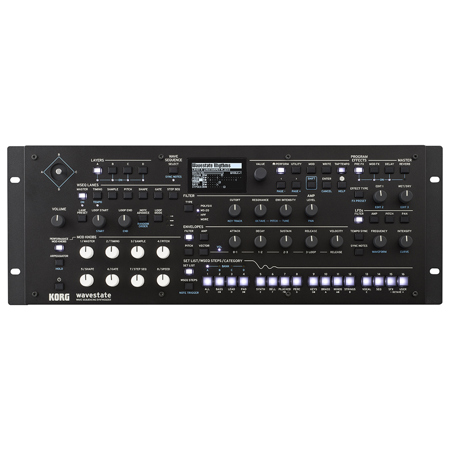
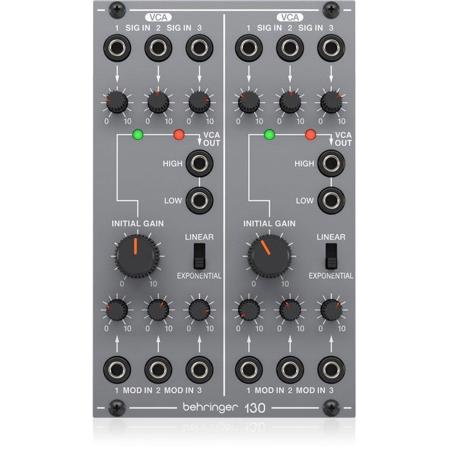
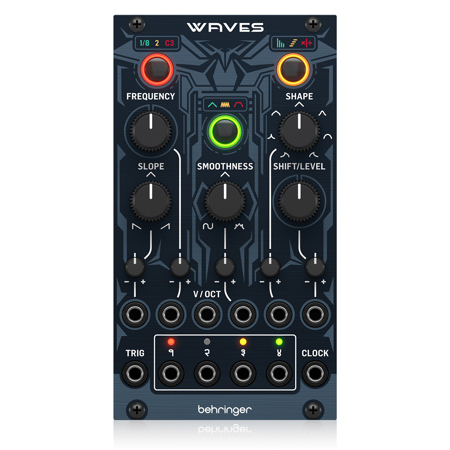
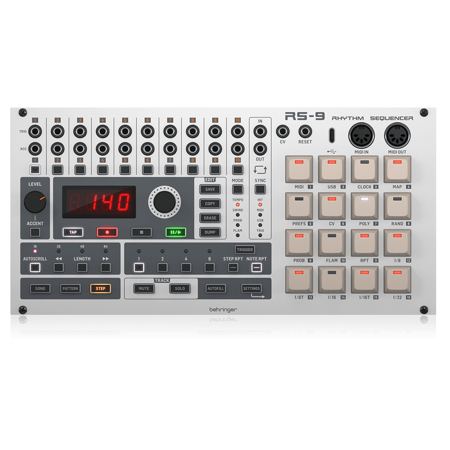
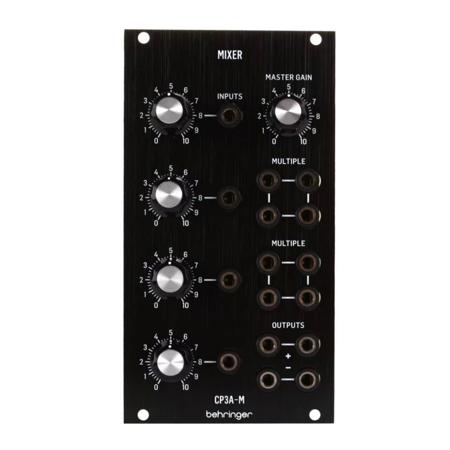
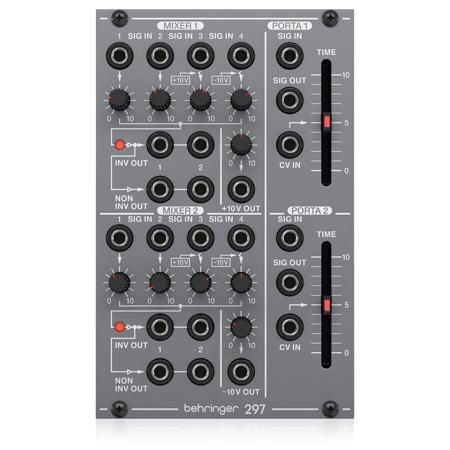
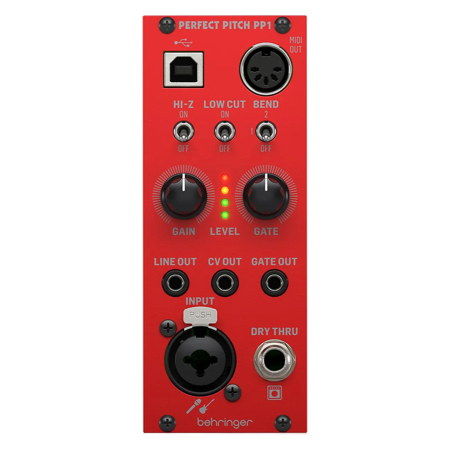
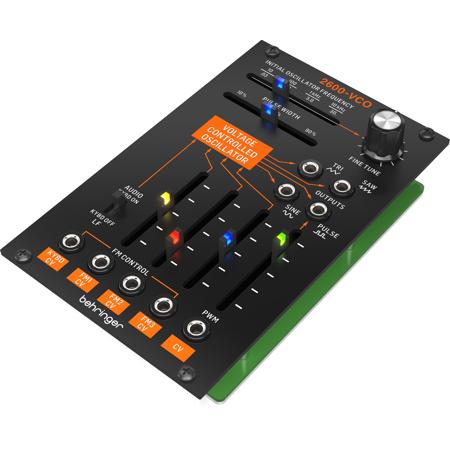
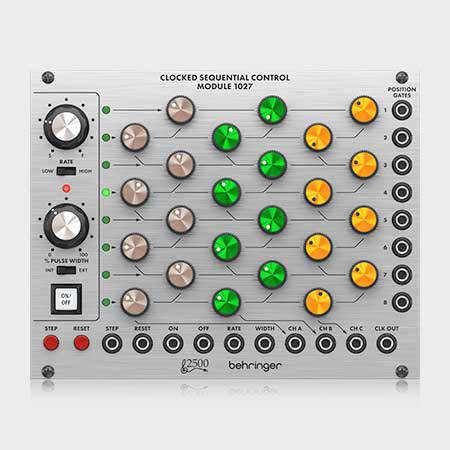
As music production continues to evolve, music modules have become essential tools for creators seeking flexibility, customization, and hands-on control over their sound. These versatile units—ranging from standalone sound modules to modular synthesizer components—serve as the building blocks of modern studios and live performance rigs alike. Whether you’re a seasoned producer, a performing artist, or an enthusiastic hobbyist, music modules offer a gateway to sonic exploration that traditional all-in-one instruments can’t match. Modular synthesizers, in particular, allow users to build unique signal chains by combining oscillators, filters, effects, and sequencers, often in the popular Eurorack format. This approach enables endless experimentation, as each patching session can yield entirely new textures and rhythms. For those who prefer a more streamlined setup, rack-mountable or desktop sound modules deliver a vast palette of sampled instruments and synthesized tones, all controllable via MIDI keyboards, sequencers, or DAWs. These units are especially valuable for musicians who need access to a wide variety of sounds without the footprint of multiple keyboards or synthesizers, making them ideal for both compact home studios and the demands of touring.
The appeal of music modules extends beyond professional environments, making them an inspired gift for aspiring producers, tech-savvy musicians, or anyone with a curiosity for sound design. As the weather warms and creative projects move from indoor studios to open-air jam sessions or collaborative workshops, portable and modular gear becomes even more valuable. Music modules can be the centerpiece of a summer music camp, a thoughtful graduation present, or the catalyst for a new collaborative project among friends. For educators and DIY enthusiasts, programmable microcontrollers and sound chips provide a hands-on introduction to the principles of synthesis and electronic music, fostering both creativity and technical skills. Building custom setups—whether with hardware modules, software-based instruments, or hybrid systems—encourages users to develop a personal workflow and signature sound. Seasoned professionals often use music modules to augment their existing rigs, layering distinctive textures or integrating vintage tones into modern productions. Meanwhile, beginners can start with a single module or entry-level system, expanding their setup as their skills and interests grow.
Selecting the right music module depends on several factors, including your preferred workflow, the genres you create, and your space or portability requirements. Those who value tactile control and real-time sound shaping may gravitate toward modular synthesizer components, where patching cables and turning knobs provide an immersive creative experience. If versatility and convenience are priorities, a rack-mountable or desktop sound module loaded with high-quality presets and multi-timbral capabilities can streamline your process. Integration with other gear—such as MIDI controllers, drum machines, or computer-based DAWs—should also be considered, ensuring seamless communication within your setup. For many, the journey into music modules is ongoing, with each new addition unlocking fresh creative possibilities and inspiring new directions in music-making. To explore more options and find the perfect addition to your studio or stage setup, visit our dedicated page for Midi Sound Modules, where you’ll discover a curated selection designed to suit every level of expertise and musical ambition.
The appeal of music modules extends beyond professional environments, making them an inspired gift for aspiring producers, tech-savvy musicians, or anyone with a curiosity for sound design. As the weather warms and creative projects move from indoor studios to open-air jam sessions or collaborative workshops, portable and modular gear becomes even more valuable. Music modules can be the centerpiece of a summer music camp, a thoughtful graduation present, or the catalyst for a new collaborative project among friends. For educators and DIY enthusiasts, programmable microcontrollers and sound chips provide a hands-on introduction to the principles of synthesis and electronic music, fostering both creativity and technical skills. Building custom setups—whether with hardware modules, software-based instruments, or hybrid systems—encourages users to develop a personal workflow and signature sound. Seasoned professionals often use music modules to augment their existing rigs, layering distinctive textures or integrating vintage tones into modern productions. Meanwhile, beginners can start with a single module or entry-level system, expanding their setup as their skills and interests grow.
Selecting the right music module depends on several factors, including your preferred workflow, the genres you create, and your space or portability requirements. Those who value tactile control and real-time sound shaping may gravitate toward modular synthesizer components, where patching cables and turning knobs provide an immersive creative experience. If versatility and convenience are priorities, a rack-mountable or desktop sound module loaded with high-quality presets and multi-timbral capabilities can streamline your process. Integration with other gear—such as MIDI controllers, drum machines, or computer-based DAWs—should also be considered, ensuring seamless communication within your setup. For many, the journey into music modules is ongoing, with each new addition unlocking fresh creative possibilities and inspiring new directions in music-making. To explore more options and find the perfect addition to your studio or stage setup, visit our dedicated page for Midi Sound Modules, where you’ll discover a curated selection designed to suit every level of expertise and musical ambition.