Music Production Centers
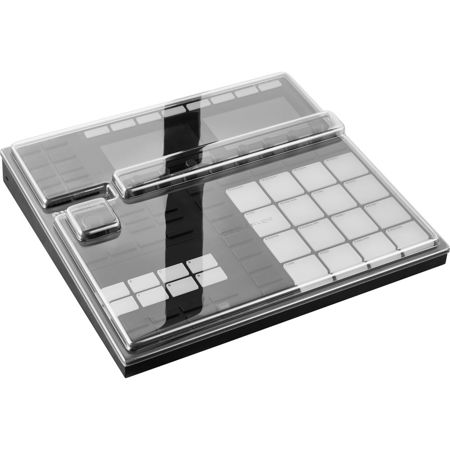
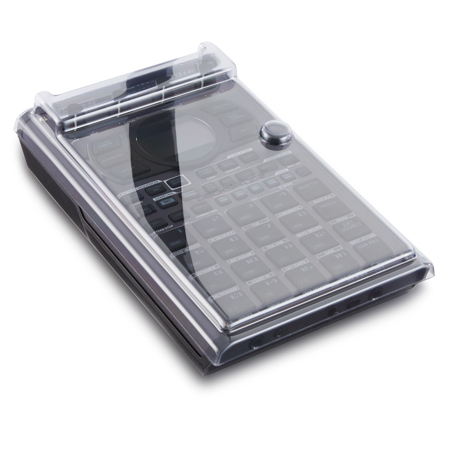
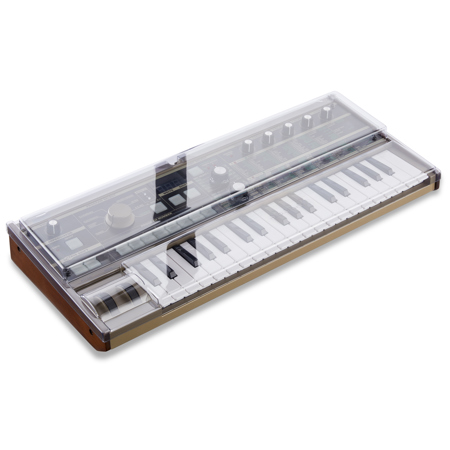
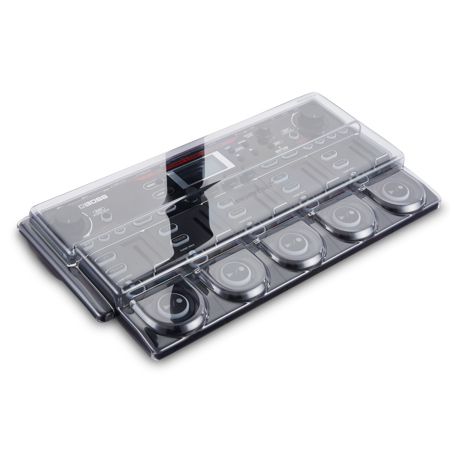
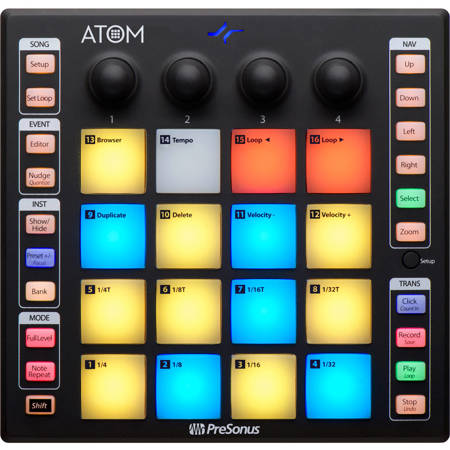
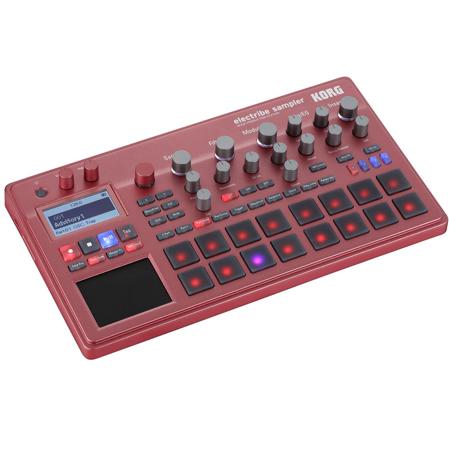
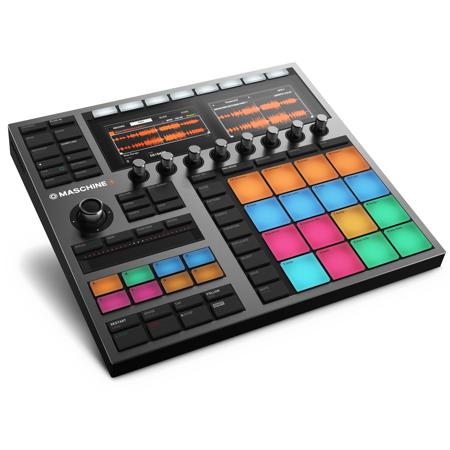
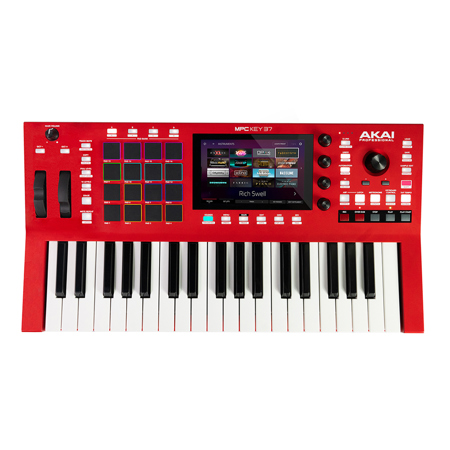
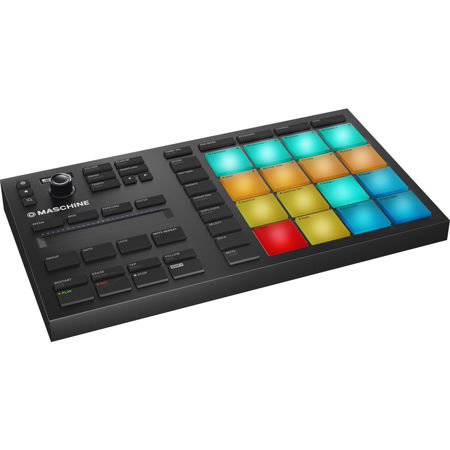
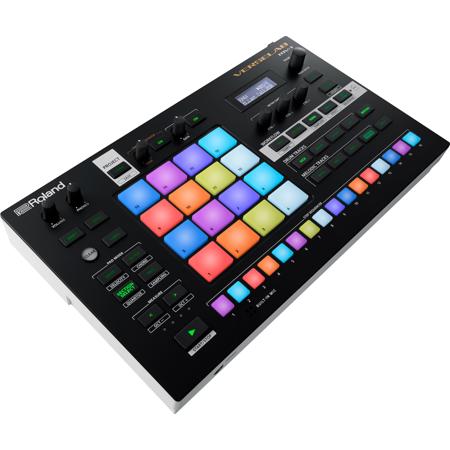
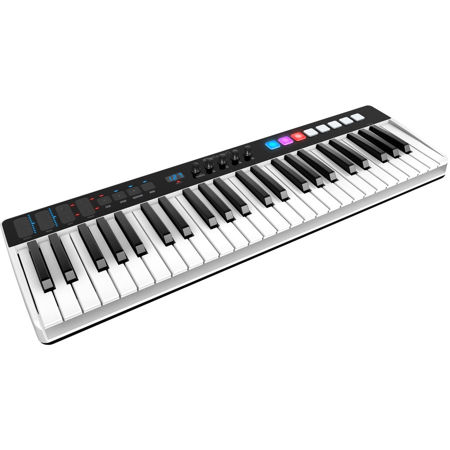
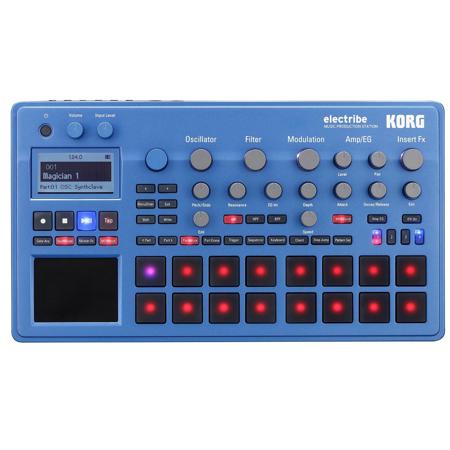
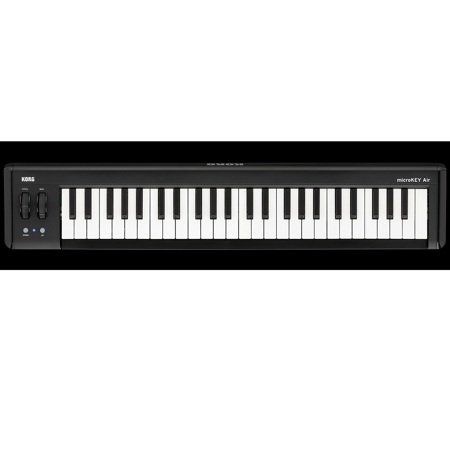
Music production centers have become an essential part of the modern creative process, bridging the gap between the tactile immediacy of hardware and the expansive flexibility of digital audio workstations. Whether you’re a seasoned producer, an aspiring beatmaker, or an educator outfitting a classroom, these all-in-one workstations offer a hands-on approach to composing, arranging, and performing music. With features such as velocity-sensitive drum pads, touchscreens, built-in sequencers, and integrated sampling capabilities, a music production center empowers artists to craft complete tracks from scratch—often without the need for a traditional computer setup. This makes them particularly appealing during the warmer months, when inspiration might strike in a park, at a backyard gathering, or while traveling. Their portability and standalone functionality allow for music creation in any environment, free from the distractions of email notifications or social media pop-ups that come with working on a laptop. For those who prefer a hybrid workflow, many production centers also double as powerful controllers, seamlessly integrating with digital audio workstations to expand sonic possibilities and streamline the creative process.
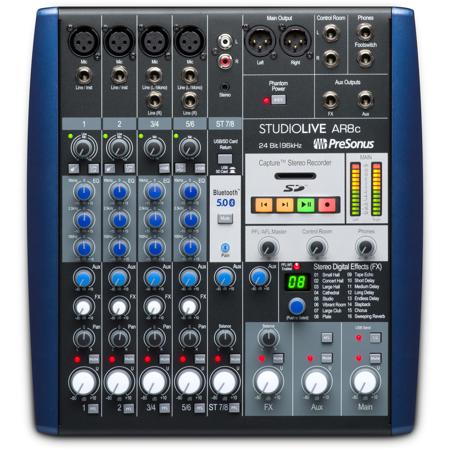
Choosing the right music production center involves considering your workflow, musical style, and performance needs. For live performers, the tactile interface and robust build quality of these devices can make them invaluable on stage, providing reliable sequencing, sample triggering, and real-time effects manipulation. Producers who prioritize sound design and beat-making will appreciate the intuitive pad layouts and deep sampling engines, which invite experimentation and hands-on control. Students and educators, especially those involved in music technology programs or certification courses, will find that music production centers foster collaboration and creativity in group settings, offering a shared platform for learning the fundamentals of recording, arranging, and mixing. These devices also make thoughtful gifts for musicians at any level, especially as the academic year begins or as creative projects ramp up during the cooler seasons. When selecting a music production center, consider factors such as polyphony, storage capacity, connectivity options, and the quality of built-in sounds. Some models are geared toward mobile production, featuring rechargeable batteries and compact designs, while others offer expanded I/O and advanced sequencing for studio use. For those looking to further enhance their setup, pairing a production center with high-quality Music Production Mixers can unlock even greater control over your sound, whether you’re tracking vocals, layering synths, or preparing a set for live performance.
The versatility of music production centers ensures they remain a staple in both professional and home studios throughout the year. As creative routines shift with the seasons, these devices adapt—serving as the centerpiece for late-night sessions, collaborative jams, or impromptu outdoor beat-making. Their blend of hardware immediacy and digital integration appeals to a wide range of users, from hobbyists sketching out song ideas to professionals producing chart-topping tracks. By offering a focused, distraction-free environment for music creation, music production centers inspire artists to push boundaries, refine their craft, and share their work with the world. Whether you’re building your first home studio, upgrading your live rig, or searching for a meaningful gift for the musician in your life, a thoughtfully chosen music production center can open new avenues of expression and creativity—making every season the perfect time to make music.
Choosing the right music production center involves considering your workflow, musical style, and performance needs. For live performers, the tactile interface and robust build quality of these devices can make them invaluable on stage, providing reliable sequencing, sample triggering, and real-time effects manipulation. Producers who prioritize sound design and beat-making will appreciate the intuitive pad layouts and deep sampling engines, which invite experimentation and hands-on control. Students and educators, especially those involved in music technology programs or certification courses, will find that music production centers foster collaboration and creativity in group settings, offering a shared platform for learning the fundamentals of recording, arranging, and mixing. These devices also make thoughtful gifts for musicians at any level, especially as the academic year begins or as creative projects ramp up during the cooler seasons. When selecting a music production center, consider factors such as polyphony, storage capacity, connectivity options, and the quality of built-in sounds. Some models are geared toward mobile production, featuring rechargeable batteries and compact designs, while others offer expanded I/O and advanced sequencing for studio use. For those looking to further enhance their setup, pairing a production center with high-quality Music Production Mixers can unlock even greater control over your sound, whether you’re tracking vocals, layering synths, or preparing a set for live performance.
The versatility of music production centers ensures they remain a staple in both professional and home studios throughout the year. As creative routines shift with the seasons, these devices adapt—serving as the centerpiece for late-night sessions, collaborative jams, or impromptu outdoor beat-making. Their blend of hardware immediacy and digital integration appeals to a wide range of users, from hobbyists sketching out song ideas to professionals producing chart-topping tracks. By offering a focused, distraction-free environment for music creation, music production centers inspire artists to push boundaries, refine their craft, and share their work with the world. Whether you’re building your first home studio, upgrading your live rig, or searching for a meaningful gift for the musician in your life, a thoughtfully chosen music production center can open new avenues of expression and creativity—making every season the perfect time to make music.