
Music Room Acoustic Panels
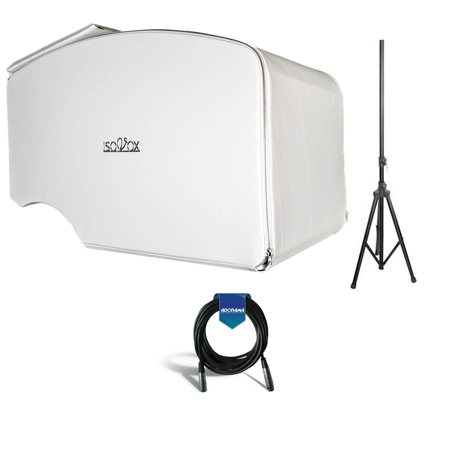
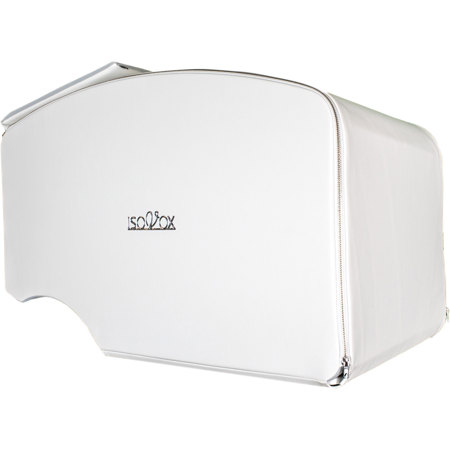
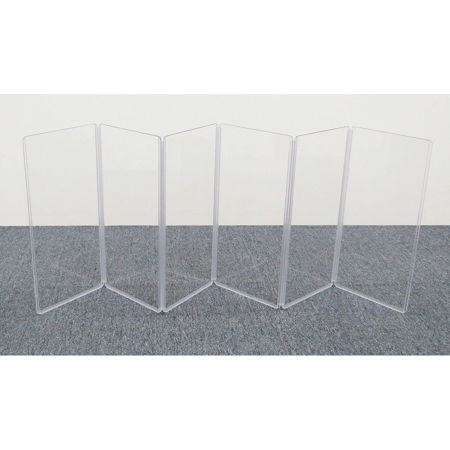
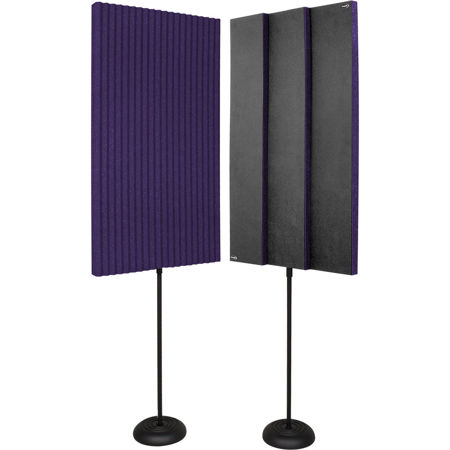
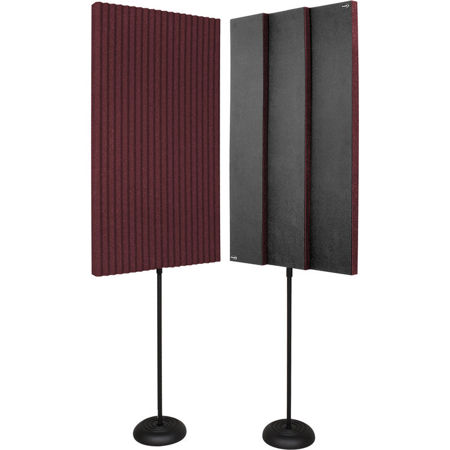
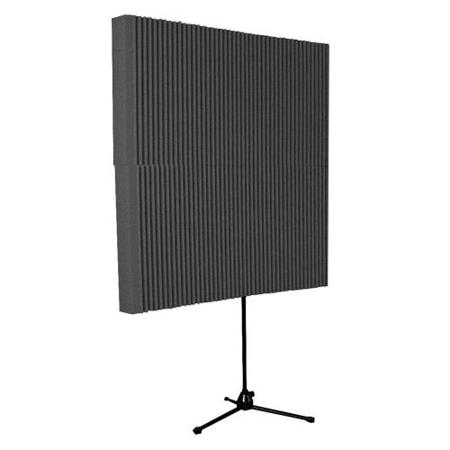
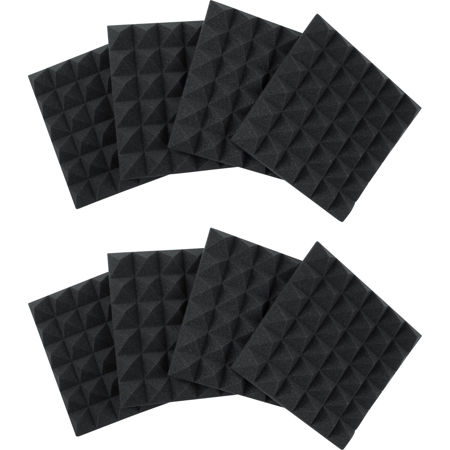
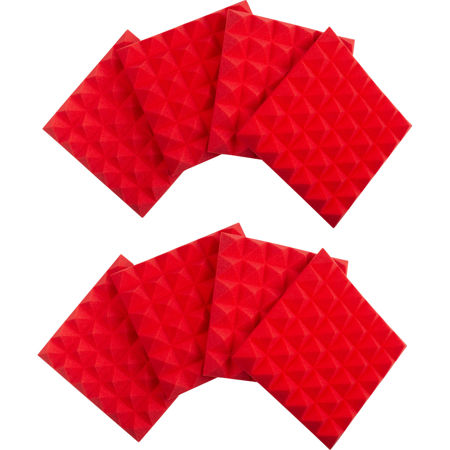
Creating a music room that truly sounds as good as it feels is an experience many musicians, producers, and audio enthusiasts pursue, whether it’s the heart of a home studio, a classroom, or a dedicated rehearsal space. The right acoustic panels are essential to transforming any room into an environment where sound is clear, balanced, and free from distracting echoes or muddiness. Rather than blocking noise from escaping, these panels are expertly designed to absorb and control sound reflections within the room itself, making every note, beat, and vocal line more articulate. This is especially important for anyone recording music, mixing tracks, or simply wanting to enjoy pure, undistorted playback—whether you’re a guitarist layering tracks on a summer afternoon or a vocalist perfecting harmonies as the evenings grow cooler. Teachers, students, and passionate hobbyists all benefit from acoustic treatment, and these panels can also make an excellent gift for anyone setting up a new studio, moving into a first apartment, or upgrading a rehearsal space. The difference is immediately noticeable: spoken words become crisp, instruments sound true to life, and the overall listening experience is more immersive.
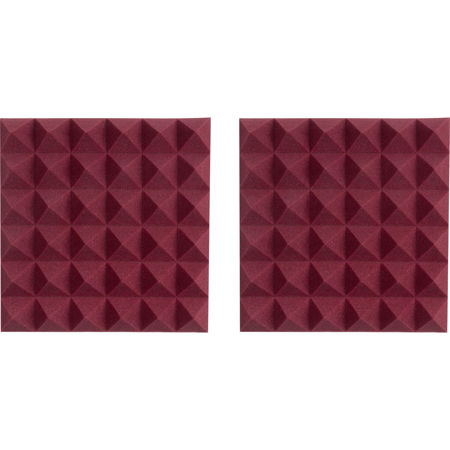
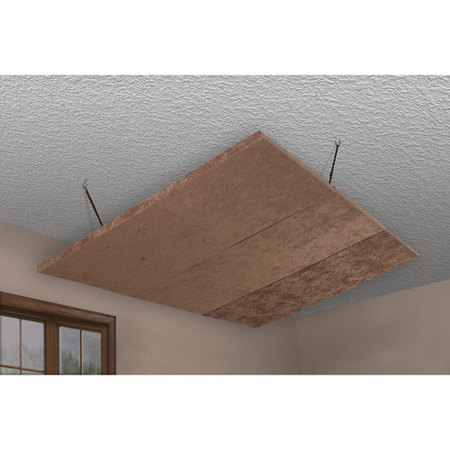
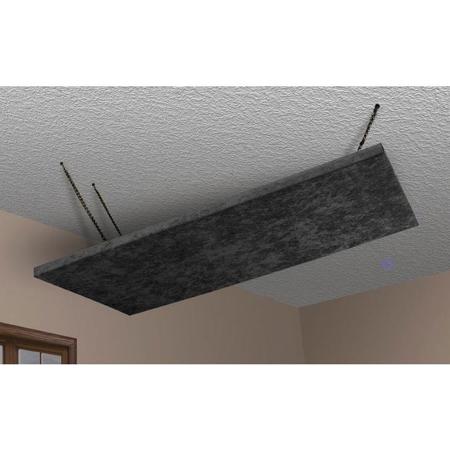
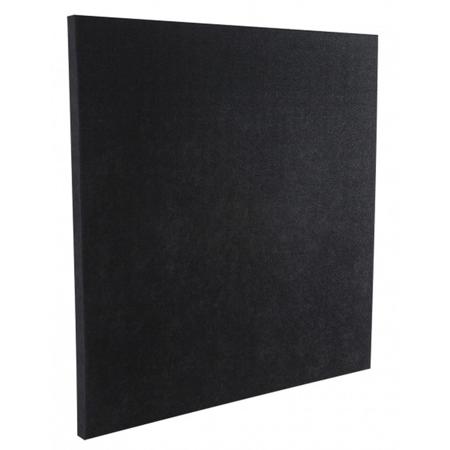
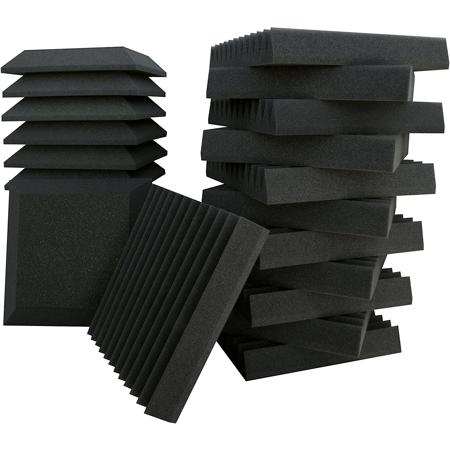
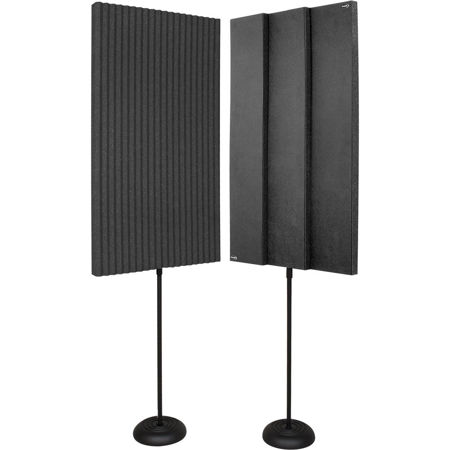
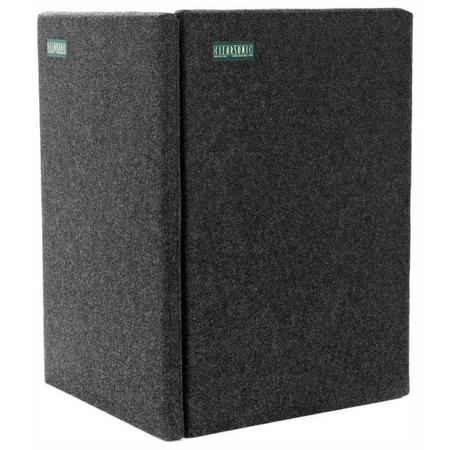
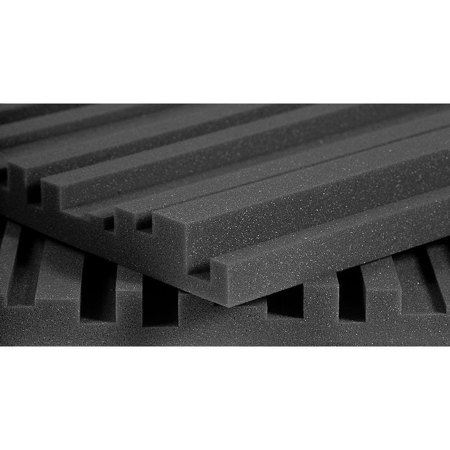
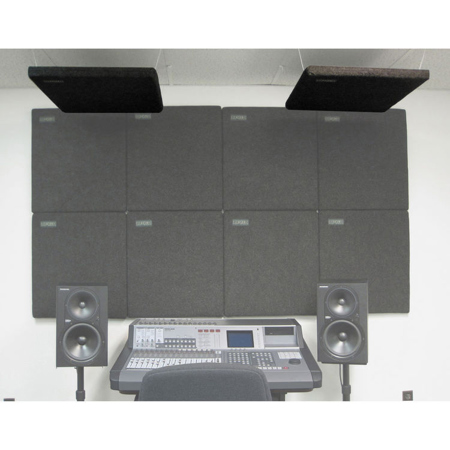
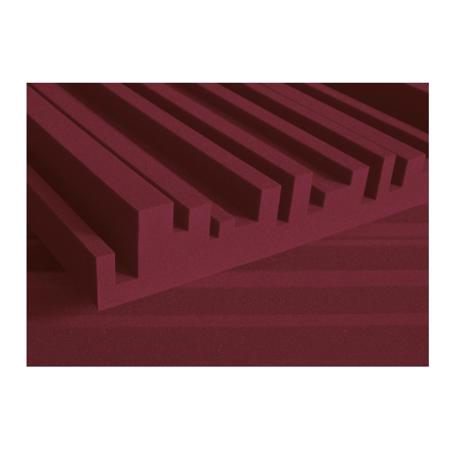
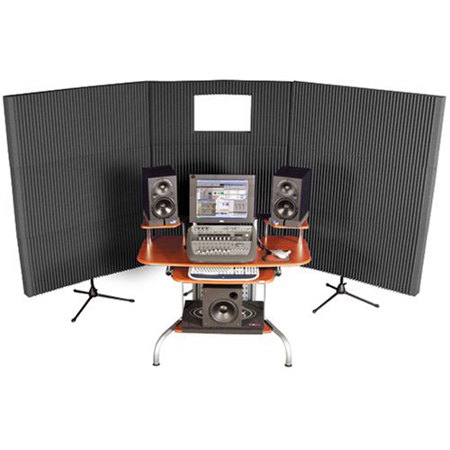
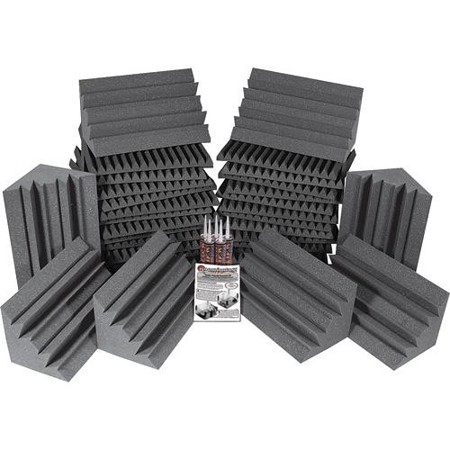
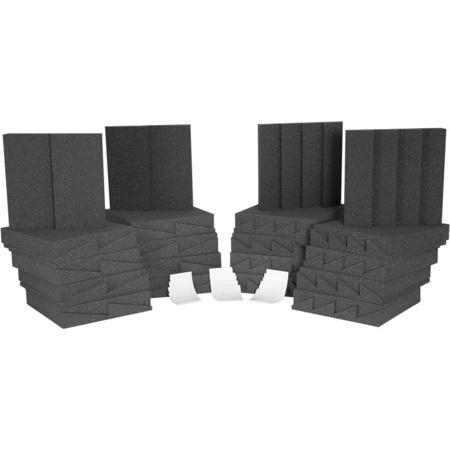
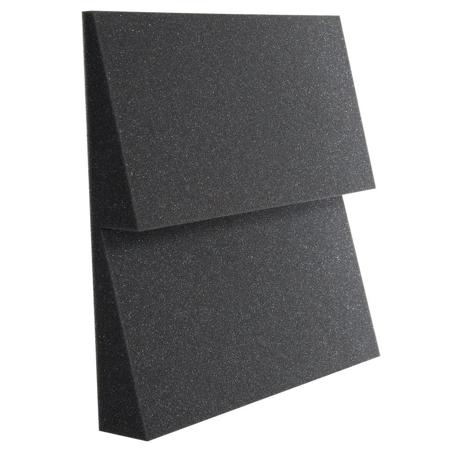
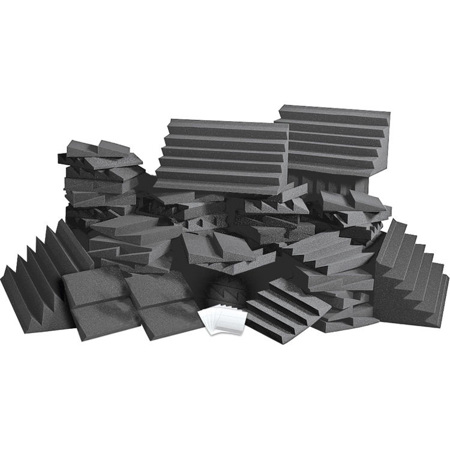
When selecting acoustic panels for a music room, there are a few key factors to consider to ensure the best results. The size and shape of your space, the types of instruments or audio equipment you use, and your aesthetic preferences all play a role. Absorption panels made from dense materials like rigid fiberglass or mineral wool are ideal for taming mid- and high-frequency reflections—think vocals, acoustic guitars, or cymbals. Thicker bass traps, often placed in the corners where low frequencies tend to build up, help to smooth out rumbling bass lines and kick drums. For those who want to maintain some lively energy in the room, diffusers can scatter sound waves, preserving a natural ambiance without harsh echoes. It’s not necessary to cover every inch of wall space; strategic placement—behind speakers, above the listening position, or in corners—often yields the best acoustic improvements. Density and thickness matter: panels in the 3.5 to 4-inch range made from high-density materials absorb a wider range of frequencies, making them a smart choice for most music rooms. Some musicians enjoy the hands-on process of building their own panels, wrapping insulation in acoustically transparent fabric for a custom look and feel, while others prefer the convenience of pre-made kits that offer professional performance right out of the box.
As you explore options for acoustic treatment during the changing seasons, consider how your music room will be used—whether for solo practice, collaborative sessions, or critical listening. The right panels can make those long summer jam sessions more enjoyable and keep the sound focused and warm as fall approaches. They’re also a thoughtful upgrade for anyone passionate about audio, from aspiring producers to experienced performers. For those working with smaller studios or apartment spaces, tailored solutions are available to maximize sound quality without overwhelming the room; you can find more details and recommendations on our Acoustic Panels for Small Rooms page. Investing in quality acoustic panels is a step toward unlocking the full potential of your music room, ensuring every session is as inspiring and productive as possible, no matter the time of year.
When selecting acoustic panels for a music room, there are a few key factors to consider to ensure the best results. The size and shape of your space, the types of instruments or audio equipment you use, and your aesthetic preferences all play a role. Absorption panels made from dense materials like rigid fiberglass or mineral wool are ideal for taming mid- and high-frequency reflections—think vocals, acoustic guitars, or cymbals. Thicker bass traps, often placed in the corners where low frequencies tend to build up, help to smooth out rumbling bass lines and kick drums. For those who want to maintain some lively energy in the room, diffusers can scatter sound waves, preserving a natural ambiance without harsh echoes. It’s not necessary to cover every inch of wall space; strategic placement—behind speakers, above the listening position, or in corners—often yields the best acoustic improvements. Density and thickness matter: panels in the 3.5 to 4-inch range made from high-density materials absorb a wider range of frequencies, making them a smart choice for most music rooms. Some musicians enjoy the hands-on process of building their own panels, wrapping insulation in acoustically transparent fabric for a custom look and feel, while others prefer the convenience of pre-made kits that offer professional performance right out of the box.
As you explore options for acoustic treatment during the changing seasons, consider how your music room will be used—whether for solo practice, collaborative sessions, or critical listening. The right panels can make those long summer jam sessions more enjoyable and keep the sound focused and warm as fall approaches. They’re also a thoughtful upgrade for anyone passionate about audio, from aspiring producers to experienced performers. For those working with smaller studios or apartment spaces, tailored solutions are available to maximize sound quality without overwhelming the room; you can find more details and recommendations on our Acoustic Panels for Small Rooms page. Investing in quality acoustic panels is a step toward unlocking the full potential of your music room, ensuring every session is as inspiring and productive as possible, no matter the time of year.