Music Studio Setup
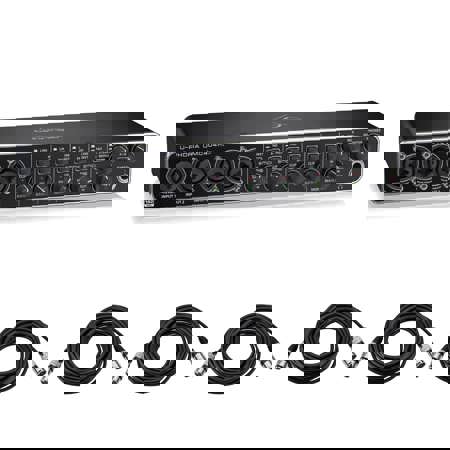
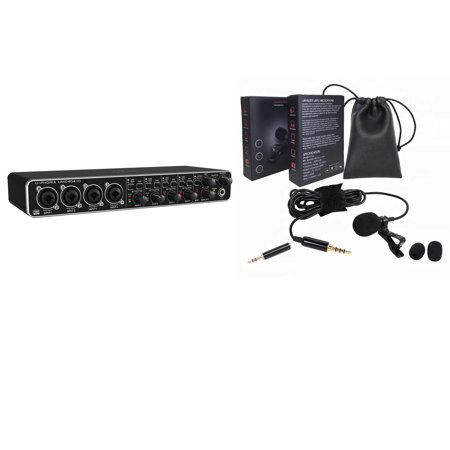
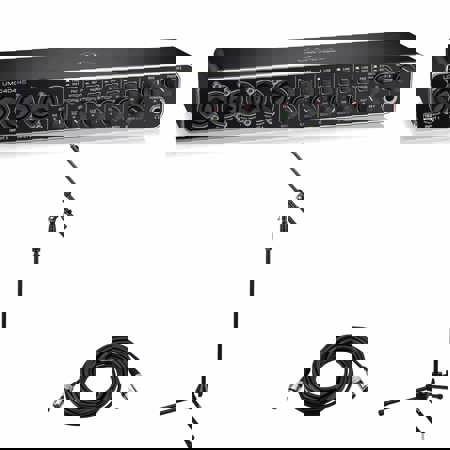
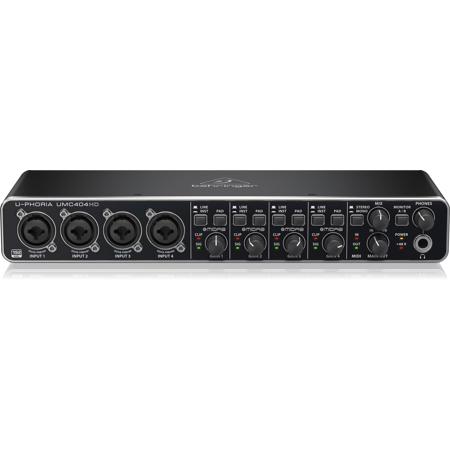
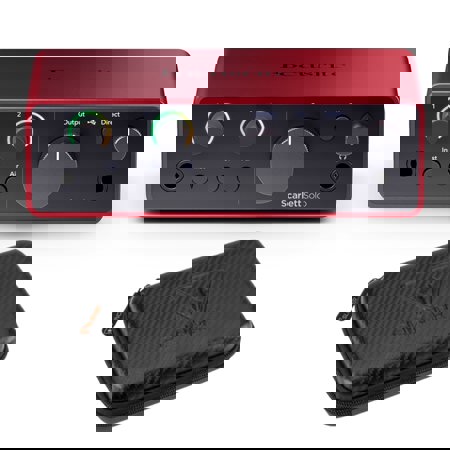
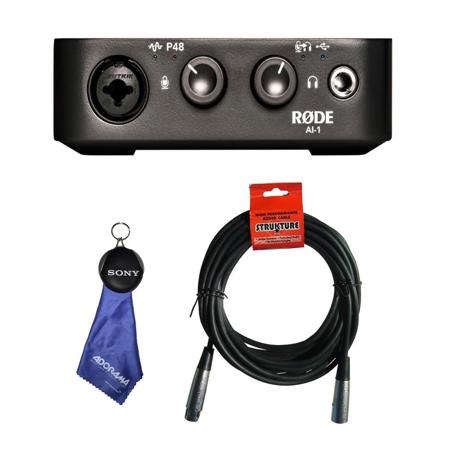
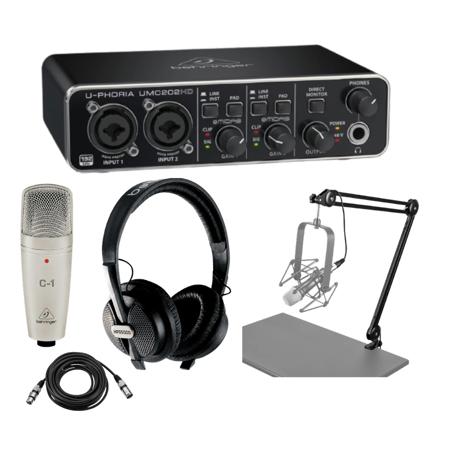
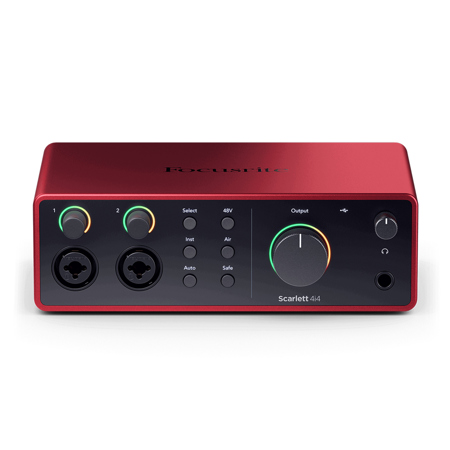
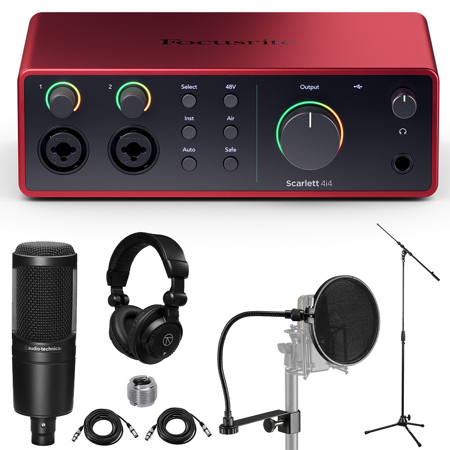
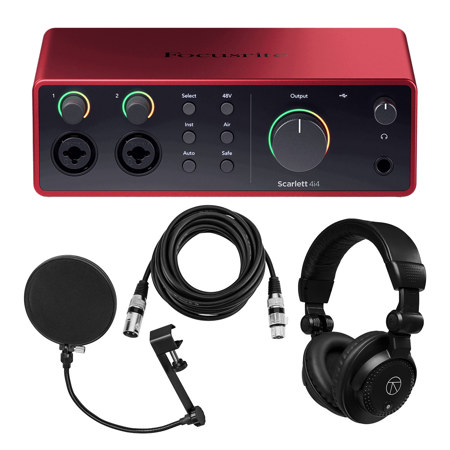
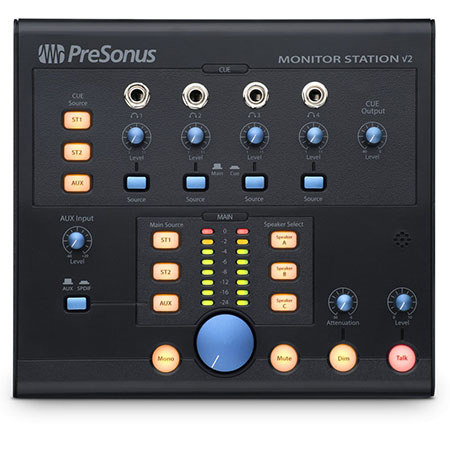
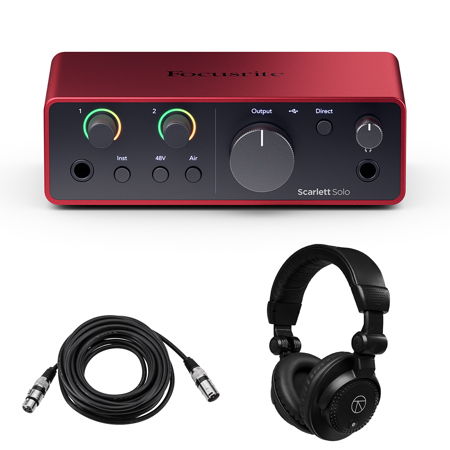
Creating a music studio setup is a journey that blends technical precision with creative inspiration, and whether you’re building your first home studio or upgrading a professional workspace, the right gear makes all the difference. At the core of any effective studio is a reliable computer, equipped with ample RAM and a fast processor to handle the demands of modern music production. This central hub powers your Digital Audio Workstation (DAW), the software where tracks are recorded, edited, and mixed. Choosing a DAW that matches your workflow is essential—some producers gravitate toward intuitive interfaces for beat-making, while others prefer robust editing tools for multi-track recording. Alongside your computer and DAW, an audio interface is crucial for converting analog signals from microphones and instruments into digital audio your system can process. For those just starting out, compact interfaces offer a streamlined entry point, while seasoned creators may look for multi-input units with advanced routing capabilities.
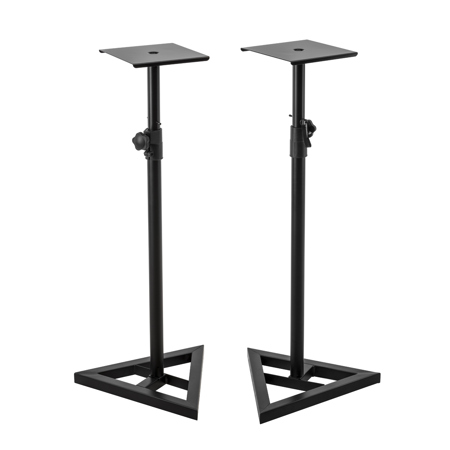
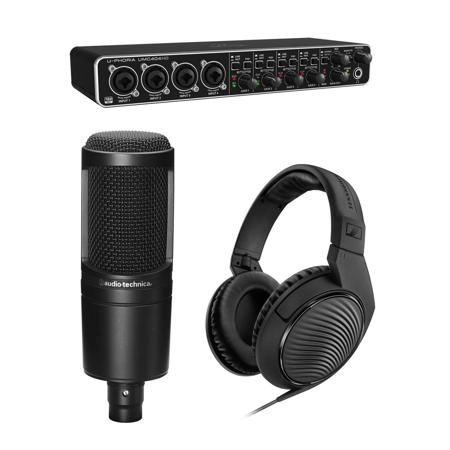
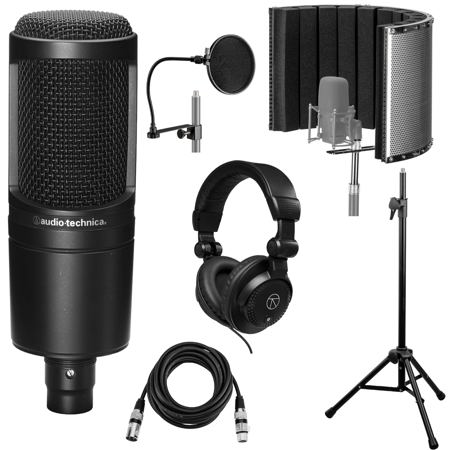
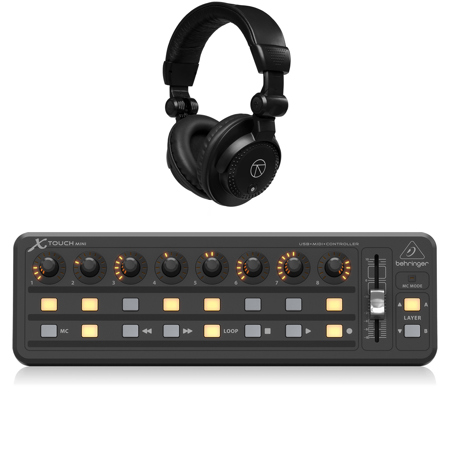
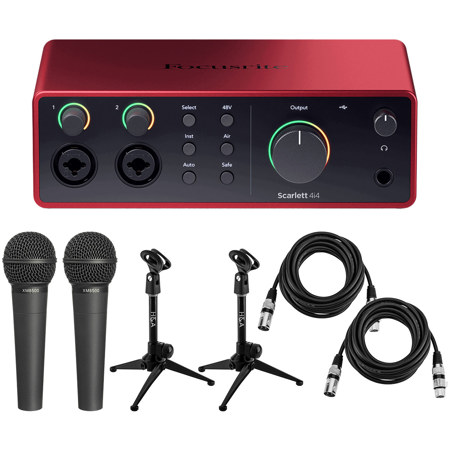
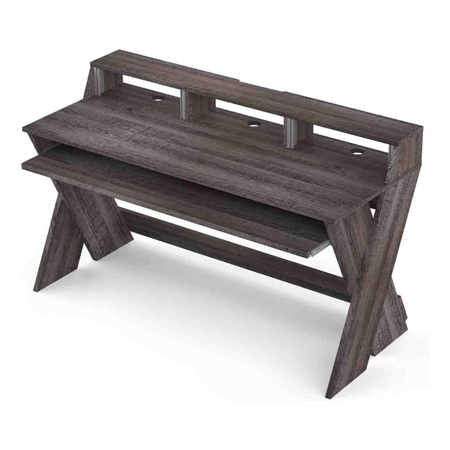
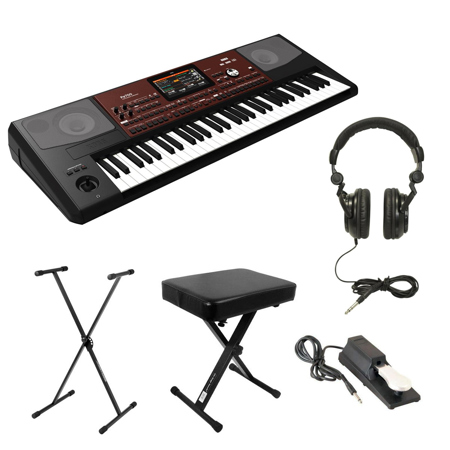
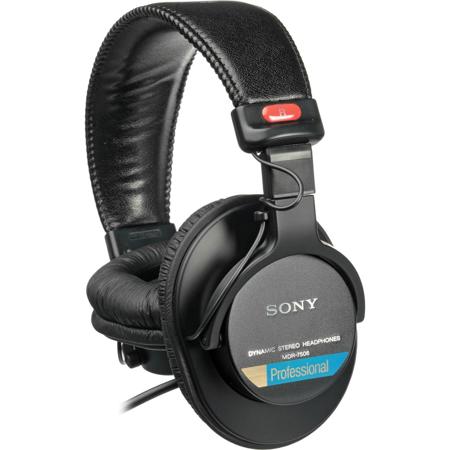
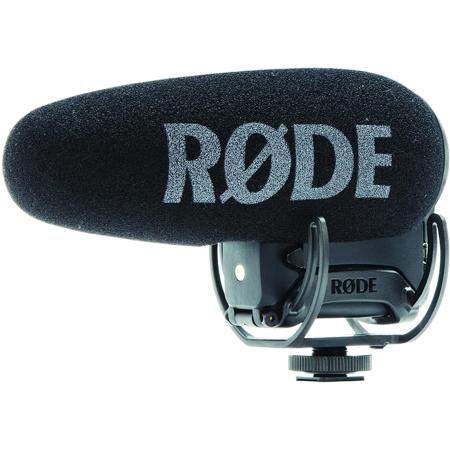
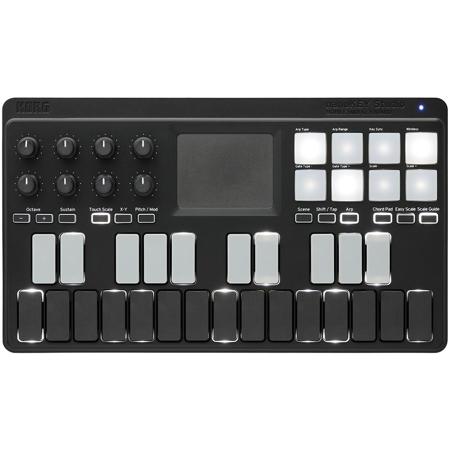
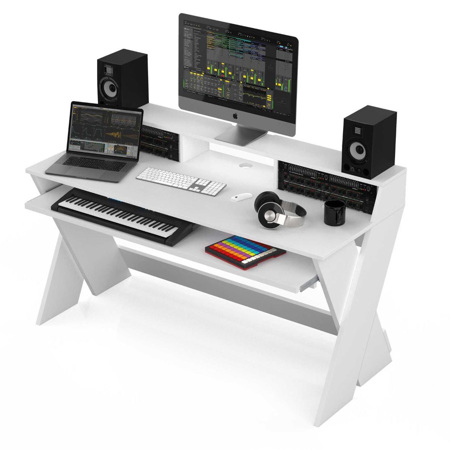
A thoughtfully curated studio setup extends beyond the basics, encompassing microphones, MIDI controllers, monitoring solutions, and acoustic treatment. Large-diaphragm condenser microphones are a staple for capturing vocals and acoustic instruments with clarity, while a sturdy dynamic mic can handle loud sources like guitar amps or drums. MIDI keyboards open up a world of virtual instruments, letting you compose melodies and program beats with expressive control—smaller 25-key models are ideal for limited desk space or mobile setups, while larger keyboards cater to pianists and composers who need a full range of keys. Studio monitors with a flat frequency response help you hear your mix accurately, revealing details that consumer speakers might mask, and closed-back headphones are indispensable for tracking vocals or late-night sessions when you need to keep noise to a minimum. As you refine your workspace, acoustic panels and bass traps can tame unwanted reflections, giving your room a tighter, more professional sound. Even the layout of your desk and the placement of your monitors matter; facing your desk toward the short wall and positioning your speakers in an equilateral triangle at ear level can significantly improve your listening environment. Good cable management, using velcro ties and keeping power and audio cables separate, not only keeps your workspace tidy but also minimizes the risk of electrical interference—an often-overlooked step that pays off in cleaner recordings.
A music studio setup is a meaningful investment for musicians, producers, podcasters, and content creators at every level. It’s also a thoughtful gift for aspiring artists, students heading off to college with a passion for music, or anyone looking to explore audio production during the creative energy of the warmer months or as routines settle in during the cooler season. The versatility of studio gear means it can be tailored to any genre or workflow, from electronic music production to live band recording, voiceover work, or podcasting. As you explore different options and envision your ideal creative space, consider how each component will support your goals, whether that’s capturing inspiration on the fly, collaborating with others, or achieving professional-quality mixes. For those seeking more inspiration or guidance in designing a versatile and efficient workspace, our Recording Studio Setups page offers curated examples and expert advice to help you bring your vision to life. With the right setup, your studio becomes more than just a collection of gear—it transforms into a personal haven for creativity, learning, and sonic exploration, ready to support your musical journey through every season.
A thoughtfully curated studio setup extends beyond the basics, encompassing microphones, MIDI controllers, monitoring solutions, and acoustic treatment. Large-diaphragm condenser microphones are a staple for capturing vocals and acoustic instruments with clarity, while a sturdy dynamic mic can handle loud sources like guitar amps or drums. MIDI keyboards open up a world of virtual instruments, letting you compose melodies and program beats with expressive control—smaller 25-key models are ideal for limited desk space or mobile setups, while larger keyboards cater to pianists and composers who need a full range of keys. Studio monitors with a flat frequency response help you hear your mix accurately, revealing details that consumer speakers might mask, and closed-back headphones are indispensable for tracking vocals or late-night sessions when you need to keep noise to a minimum. As you refine your workspace, acoustic panels and bass traps can tame unwanted reflections, giving your room a tighter, more professional sound. Even the layout of your desk and the placement of your monitors matter; facing your desk toward the short wall and positioning your speakers in an equilateral triangle at ear level can significantly improve your listening environment. Good cable management, using velcro ties and keeping power and audio cables separate, not only keeps your workspace tidy but also minimizes the risk of electrical interference—an often-overlooked step that pays off in cleaner recordings.
A music studio setup is a meaningful investment for musicians, producers, podcasters, and content creators at every level. It’s also a thoughtful gift for aspiring artists, students heading off to college with a passion for music, or anyone looking to explore audio production during the creative energy of the warmer months or as routines settle in during the cooler season. The versatility of studio gear means it can be tailored to any genre or workflow, from electronic music production to live band recording, voiceover work, or podcasting. As you explore different options and envision your ideal creative space, consider how each component will support your goals, whether that’s capturing inspiration on the fly, collaborating with others, or achieving professional-quality mixes. For those seeking more inspiration or guidance in designing a versatile and efficient workspace, our Recording Studio Setups page offers curated examples and expert advice to help you bring your vision to life. With the right setup, your studio becomes more than just a collection of gear—it transforms into a personal haven for creativity, learning, and sonic exploration, ready to support your musical journey through every season.