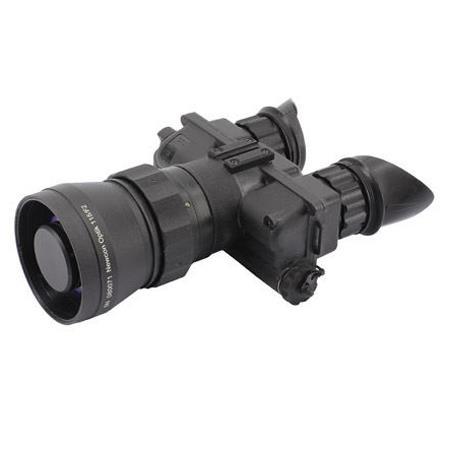
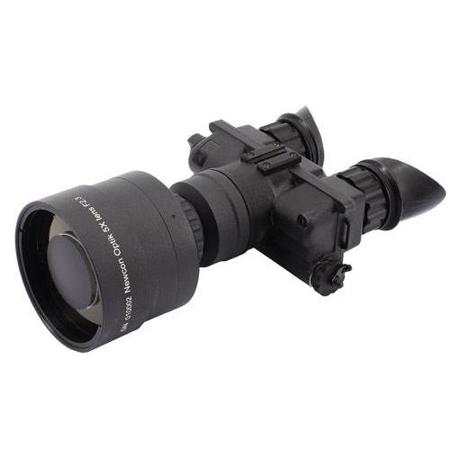
Night Vision Binoculars For Stargazing
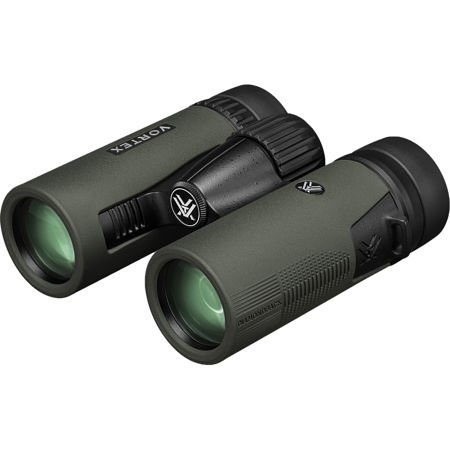
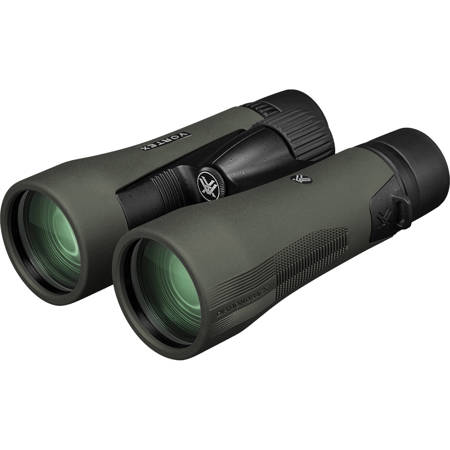
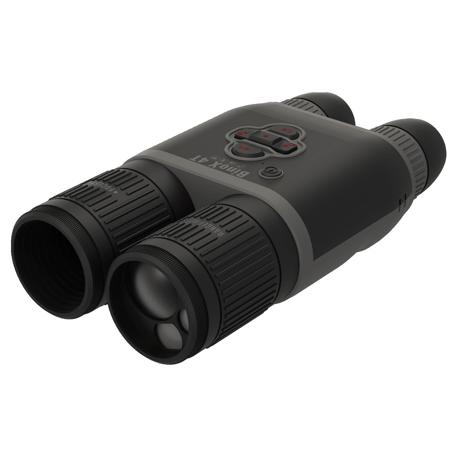
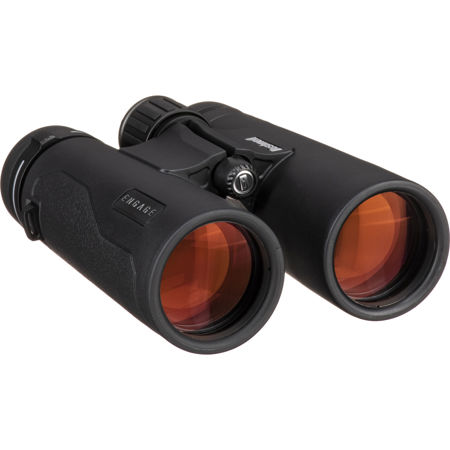
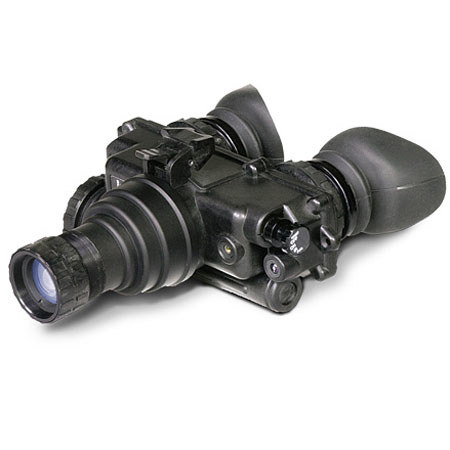
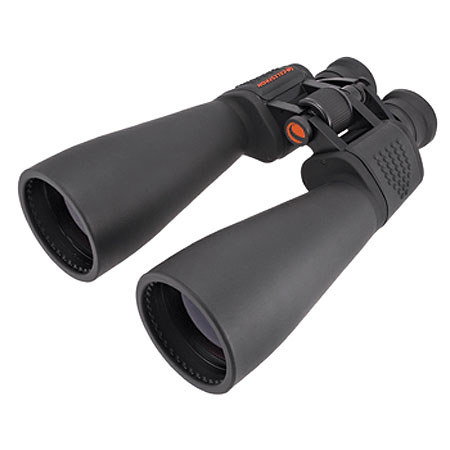
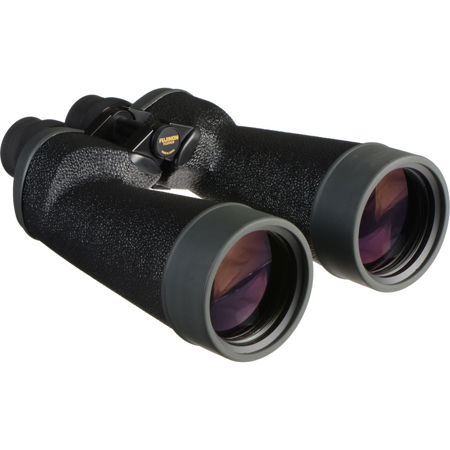
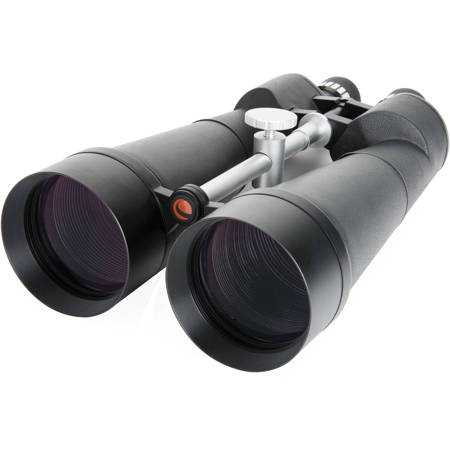
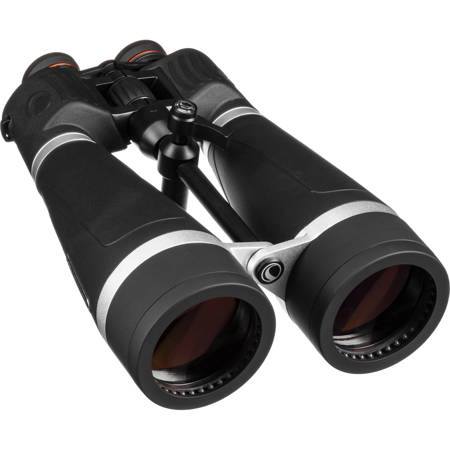
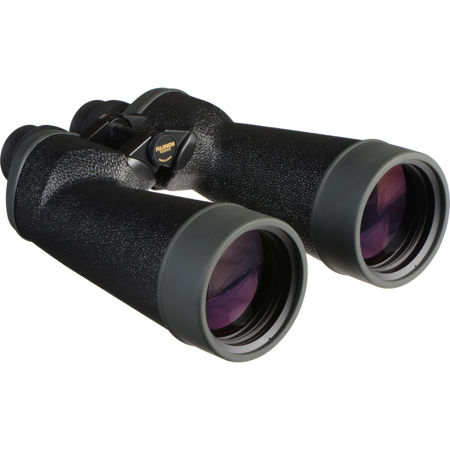
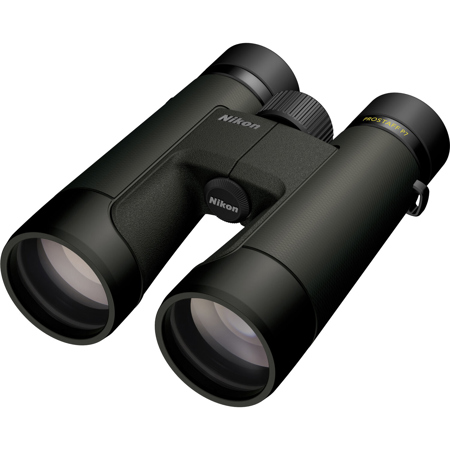
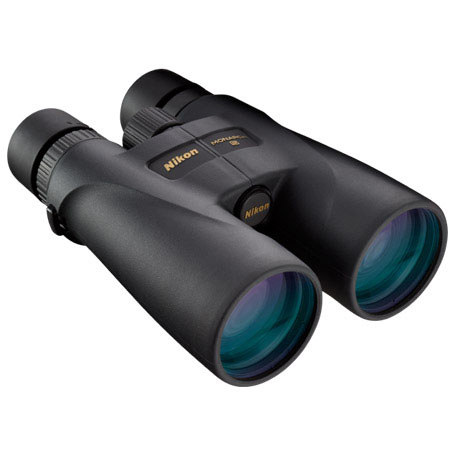
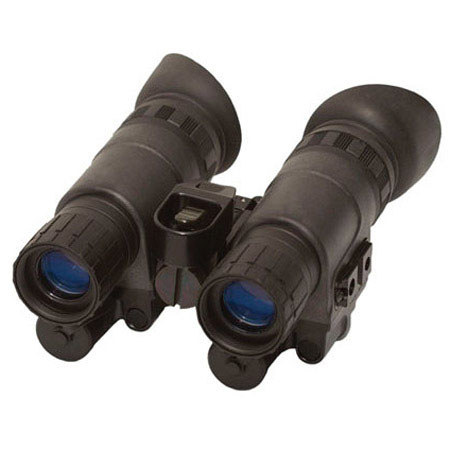
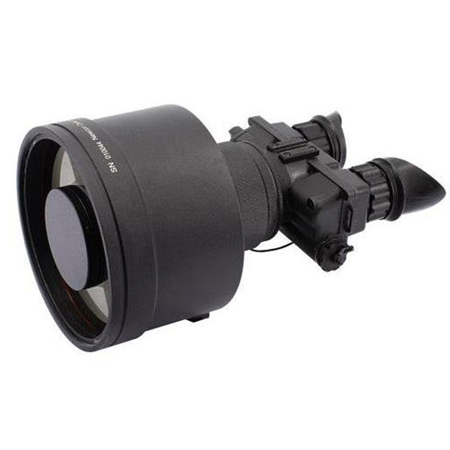
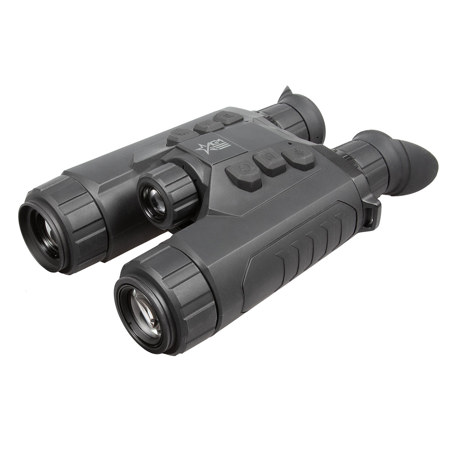
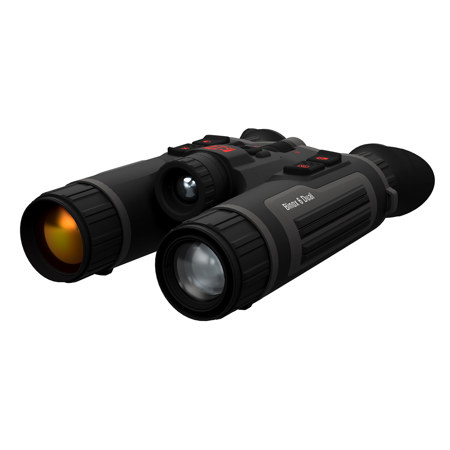
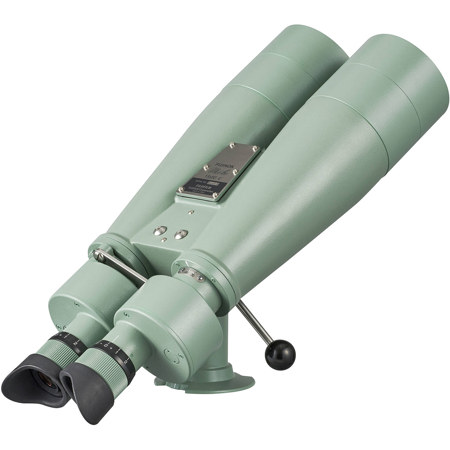
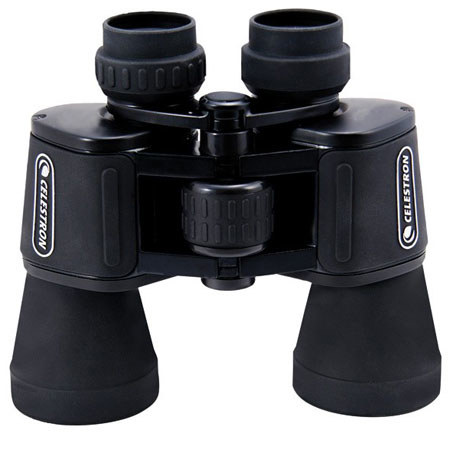
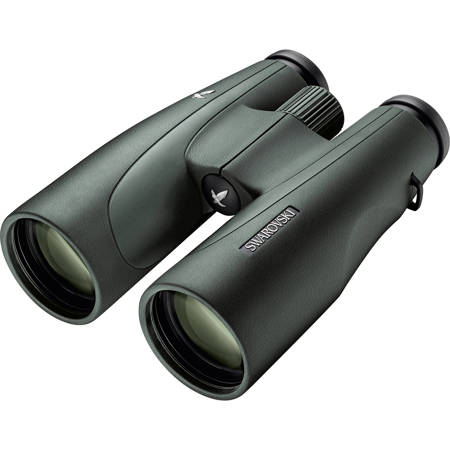
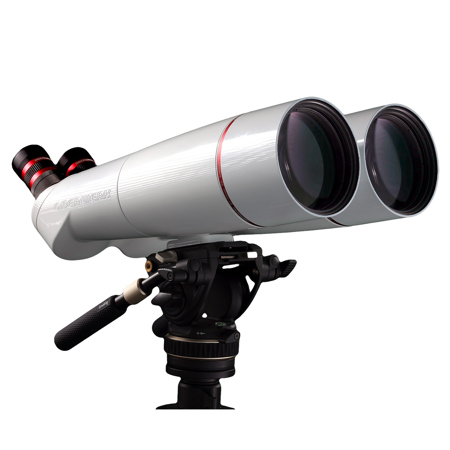
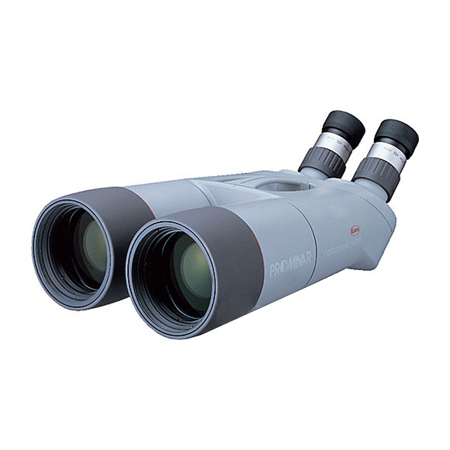
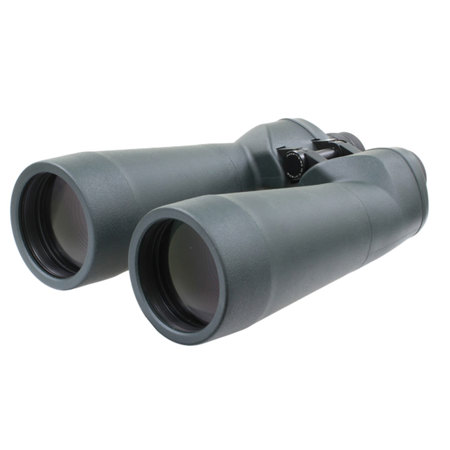
Stargazing is a timeless pursuit, drawing both seasoned astronomers and curious beginners out under the night sky to witness the wonders of the universe. As winter deepens in February, the air is crisp and the night sky often reveals its clearest, most brilliant display, making it an ideal season for celestial observation. Night vision binoculars designed for stargazing elevate this experience, opening up the cosmos in ways the naked eye simply cannot achieve. These specialized devices are more than just tools—they are gateways to discovering star clusters, nebulae, and even distant galaxies that would otherwise remain hidden. The best night vision binoculars for stargazing typically feature high light amplification, allowing you to explore deep binoculars views of the sky, revealing details in faint objects and enhancing contrast against the inky blackness. With magnification levels commonly ranging from 5x to 10x and large objective lenses (often 40-50mm), astronomy binoculars strike the perfect balance between image stability and expansive field of view, making it easier to scan the Milky Way or track the slow drift of a planet across the heavens.
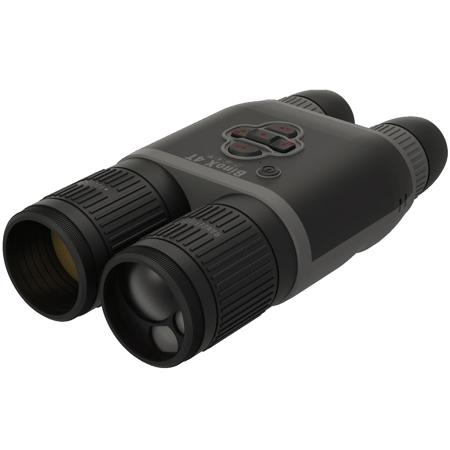
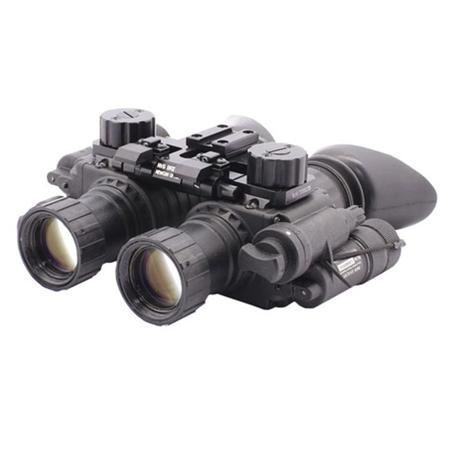
Selecting the right pair of binoculars for stargazing involves considering several key factors, each tailored to the unique demands of nighttime observation. For those seeking the binoculars with longest range, models equipped with advanced intensifier tubes or high-resolution digital sensors provide remarkable clarity and depth, capturing the subtle glow of distant star fields and the delicate structure of nebulae. Wide field of view is essential for beginners and experts alike, enabling effortless navigation from constellation to constellation and making it easier to share the spectacle with friends or family members during group outings. Many modern night vision binoculars also offer recording capabilities, allowing you to document rare astronomical events or share your discoveries with others. These features make night vision binoculars a thoughtful gift for anyone fascinated by astronomy—whether it’s a budding scientist, a parent looking to inspire their children, or a friend who loves camping under the stars. The best night vision for stargazing transforms ordinary evenings into unforgettable adventures, turning backyards, campsites, and remote mountaintops into personal observatories.
Night vision binoculars are not only cherished by amateur astronomers, but also by wildlife enthusiasts and outdoor adventurers who appreciate the versatility these devices provide. As you explore options, consider how your binoculars might be used beyond stargazing—perhaps for nighttime birdwatching, navigation, or nature observation. If you’re interested in additional applications, such as spotting nocturnal animals, you may also want to visit our dedicated page on Night Vision Binoculars For Hunting for more information. Ultimately, the right pair of astronomy binoculars becomes a trusted companion, ready to capture the grandeur of the Orion Nebula or the subtle shimmer of the Pleiades on a cold February night. Investing in quality optics ensures that every stargazing session, whether shared with loved ones or enjoyed in peaceful solitude, is filled with awe and discovery. With the right equipment, the universe truly feels within reach, inviting you to explore its mysteries one star at a time.
Selecting the right pair of binoculars for stargazing involves considering several key factors, each tailored to the unique demands of nighttime observation. For those seeking the binoculars with longest range, models equipped with advanced intensifier tubes or high-resolution digital sensors provide remarkable clarity and depth, capturing the subtle glow of distant star fields and the delicate structure of nebulae. Wide field of view is essential for beginners and experts alike, enabling effortless navigation from constellation to constellation and making it easier to share the spectacle with friends or family members during group outings. Many modern night vision binoculars also offer recording capabilities, allowing you to document rare astronomical events or share your discoveries with others. These features make night vision binoculars a thoughtful gift for anyone fascinated by astronomy—whether it’s a budding scientist, a parent looking to inspire their children, or a friend who loves camping under the stars. The best night vision for stargazing transforms ordinary evenings into unforgettable adventures, turning backyards, campsites, and remote mountaintops into personal observatories.
Night vision binoculars are not only cherished by amateur astronomers, but also by wildlife enthusiasts and outdoor adventurers who appreciate the versatility these devices provide. As you explore options, consider how your binoculars might be used beyond stargazing—perhaps for nighttime birdwatching, navigation, or nature observation. If you’re interested in additional applications, such as spotting nocturnal animals, you may also want to visit our dedicated page on Night Vision Binoculars For Hunting for more information. Ultimately, the right pair of astronomy binoculars becomes a trusted companion, ready to capture the grandeur of the Orion Nebula or the subtle shimmer of the Pleiades on a cold February night. Investing in quality optics ensures that every stargazing session, whether shared with loved ones or enjoyed in peaceful solitude, is filled with awe and discovery. With the right equipment, the universe truly feels within reach, inviting you to explore its mysteries one star at a time.