

Optical HDMI Cables
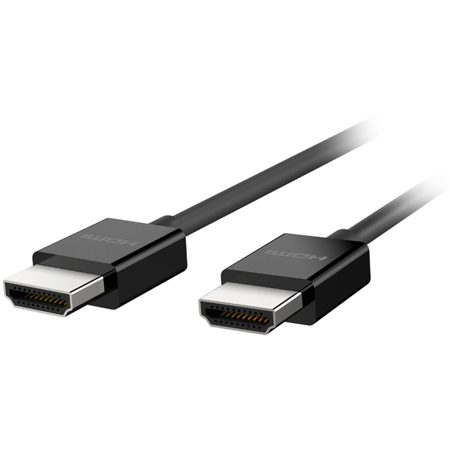
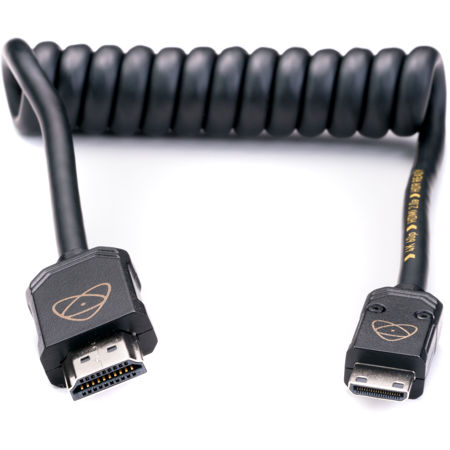
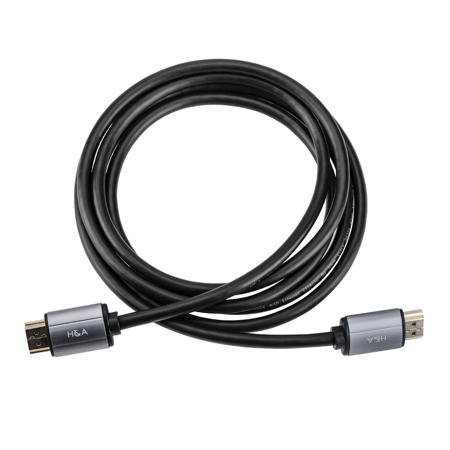
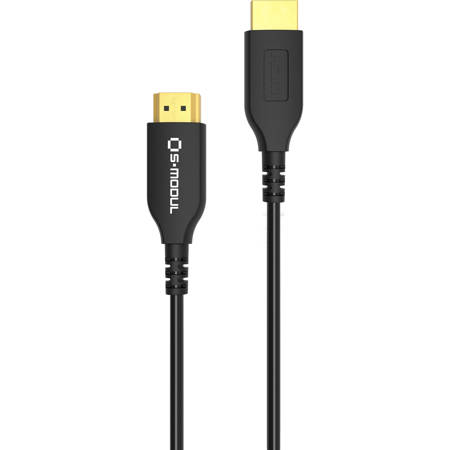
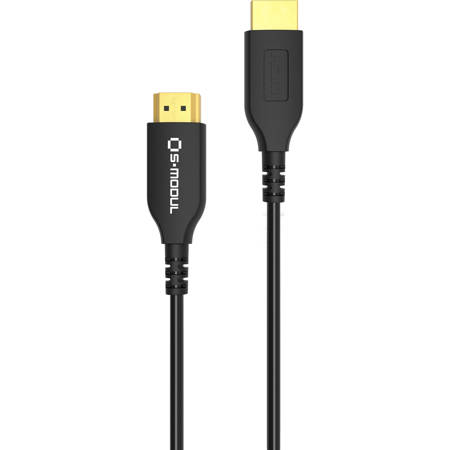
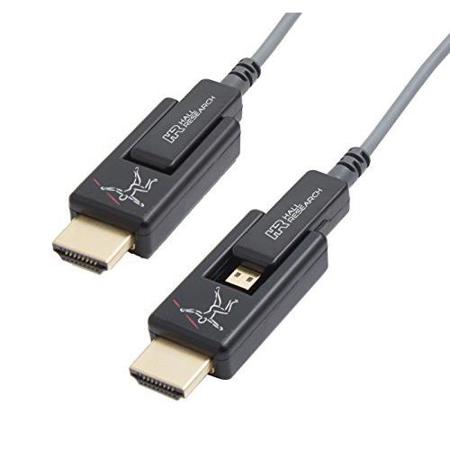
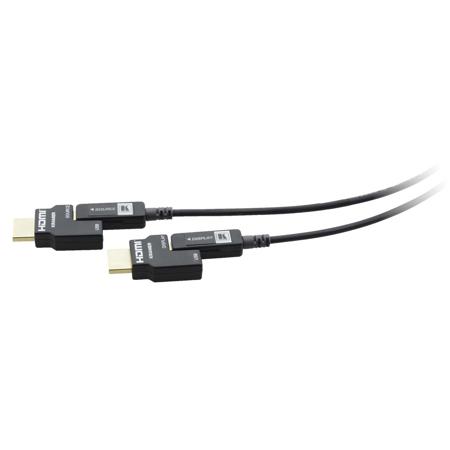
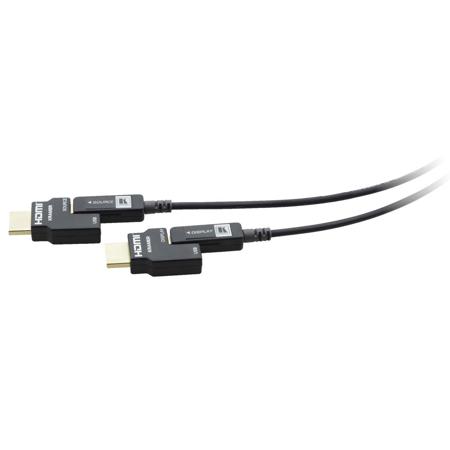
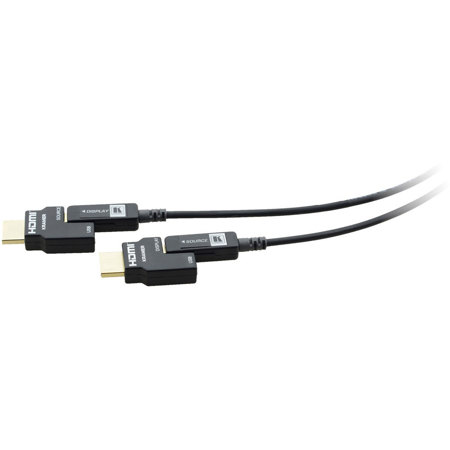
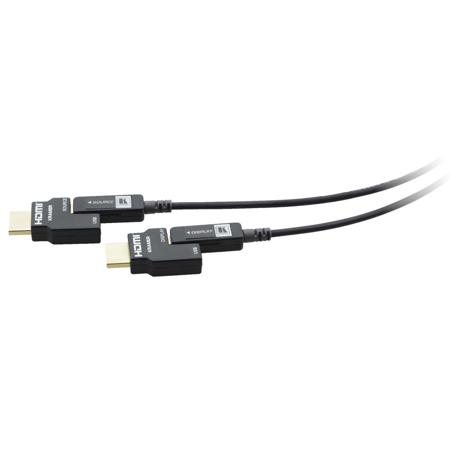
Optical HDMI cables, also known as Active Optical Cables (AOC), have become a go-to solution for anyone seeking flawless audio and video transmission over long distances. Unlike traditional copper HDMI cables, these advanced cables use fiber optic technology—transmitting data as pulses of light through ultra-fine glass strands. This design allows for zero signal loss, even when running cables over 50 feet, making them an essential choice for home theater enthusiasts, professional AV installers, and anyone setting up high-resolution displays far from the source. With support for crystal-clear 4K/120Hz or even 8K/60Hz video signals, optical HDMI cables ensure that image quality remains uncompromised, whether you’re wiring a projector in a large living room, connecting gaming consoles in a dedicated entertainment space, or outfitting a conference room for presentations. Their immunity to electromagnetic and radio frequency interference is especially valuable in environments crowded with electronic devices, where copper cables might struggle with signal degradation or noise. The cables themselves are notably thinner and lighter than their copper counterparts, making them easier to route discreetly along walls, through ceilings, or behind furniture—ideal for both permanent installations and temporary setups during gatherings or events as the weather warms and people host movie nights or gaming marathons.
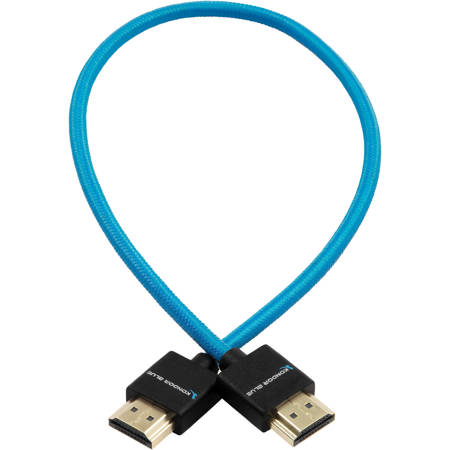
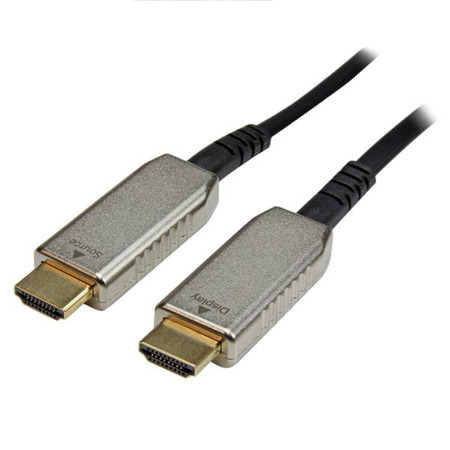
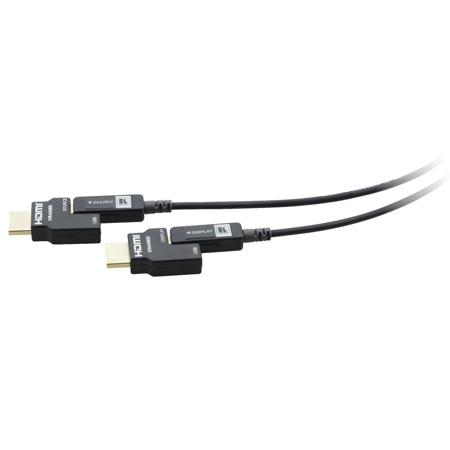
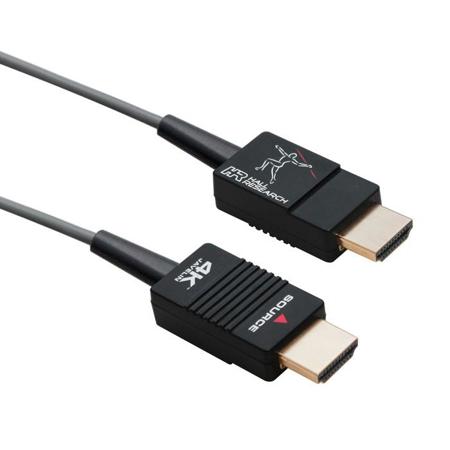
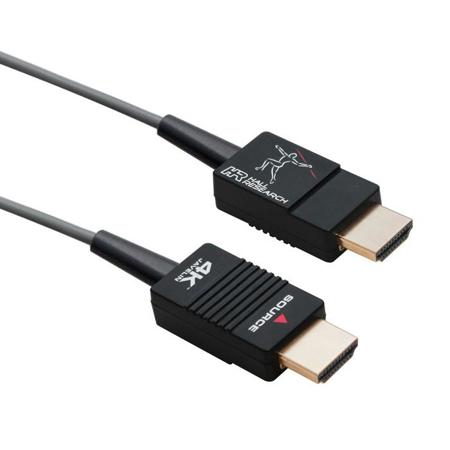
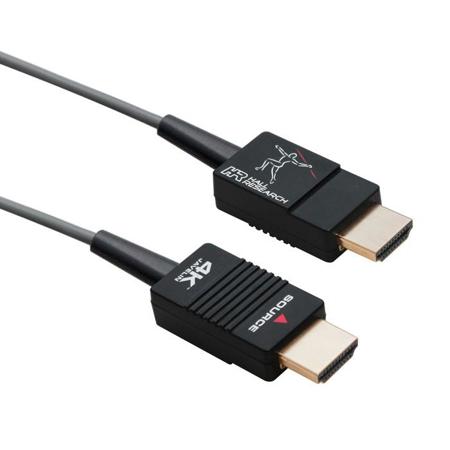
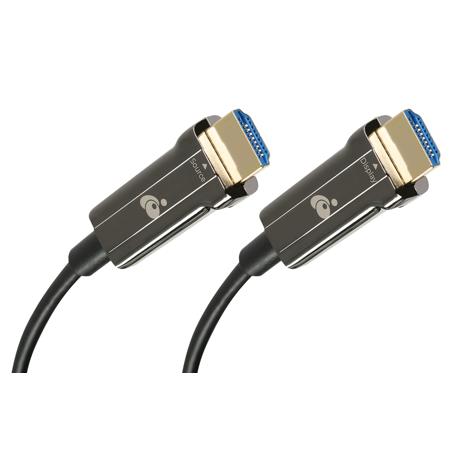
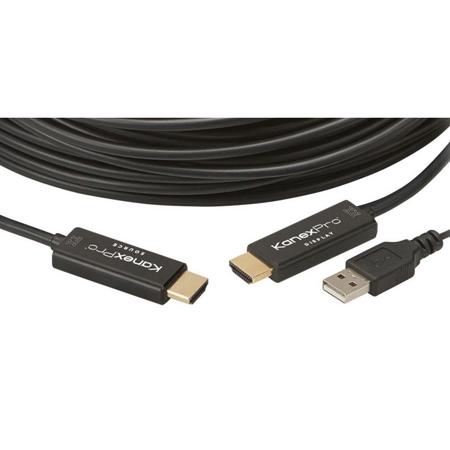
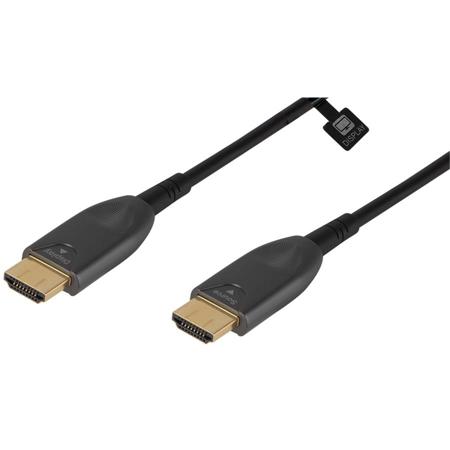
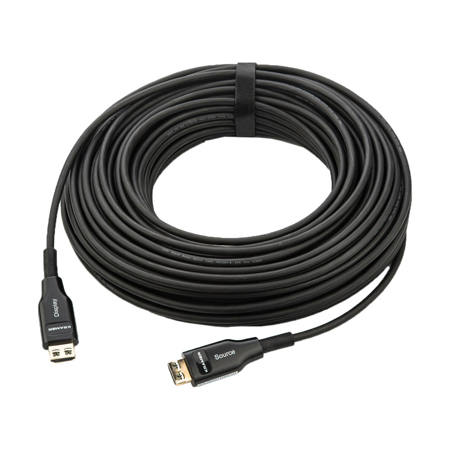
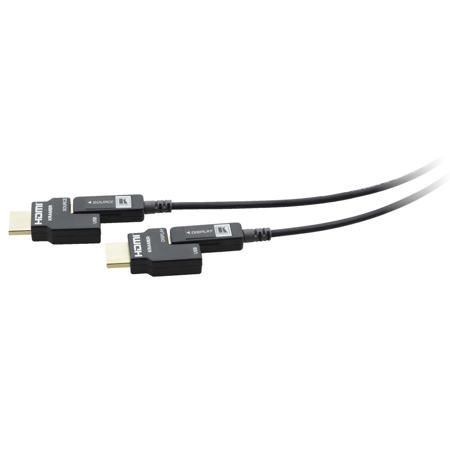
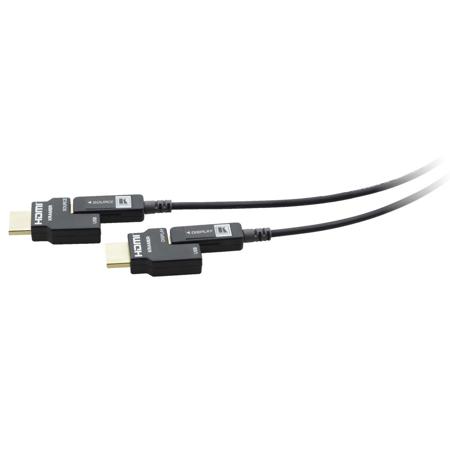
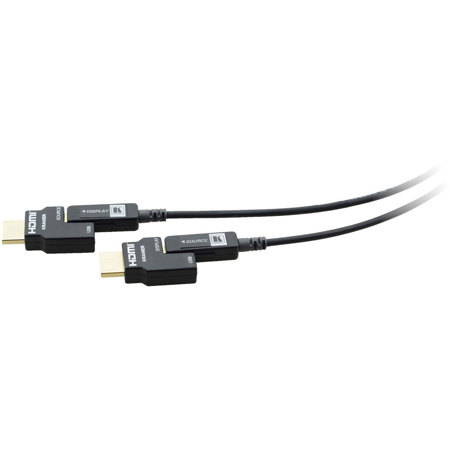
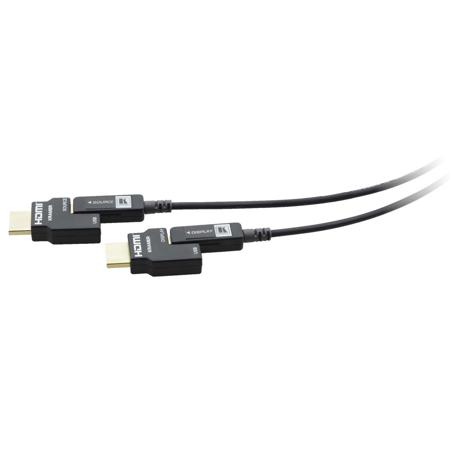
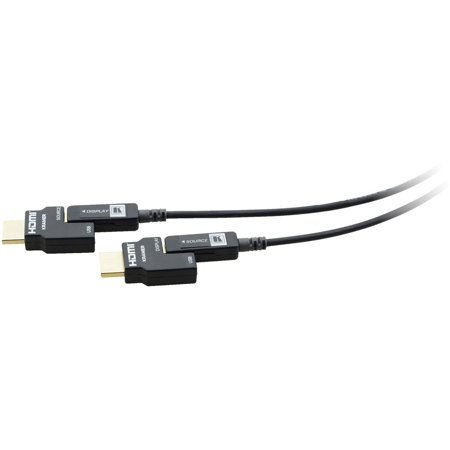
When considering an optical HDMI cable for your setup, there are a few important factors to keep in mind. These cables are unidirectional, meaning each end is labeled for "Source" and "Display"—a detail that’s crucial during installation to ensure proper signal flow from your media player, gaming console, or AV receiver to your TV, monitor, or projector. Their flexibility and light weight make them a practical choice for anyone who wants to keep their space tidy or avoid the bulk of traditional HDMI cables, especially in modern home theater builds or professional studios. However, because they contain delicate glass fibers, it’s important to avoid sharp bends or heavy pressure during installation. Optical HDMI cables tend to be more expensive than standard copper options, but for users who demand the highest fidelity over long distances—whether for immersive movie nights, competitive gaming, or professional video production—the investment pays off in reliability and performance. These cables also make thoughtful gifts for tech-savvy friends or family members who are upgrading their entertainment spaces, moving into a new home, or embarking on creative projects that require robust AV connectivity. If you’re exploring different cable options for various setups, you might also be interested in visually distinctive choices like Blue HDMI Cables, which combine functionality with style.
As you plan your AV projects during the transition from early summer to early fall—whether you’re setting up outdoor movie screenings, refining your home office, or preparing for seasonal get-togethers—an hdmi fibre optic cable or fiber optic hdmi cable can provide the backbone for high-performance, long-distance connections. Their ability to deliver uncompressed, high-bandwidth signals ensures that every frame and every sound reaches its destination with pristine clarity, creating a seamless viewing or listening experience. From ambitious home theaters to professional venues, these cables offer the peace of mind that comes with future-ready technology, supporting the latest standards in video and audio. Whether you’re a seasoned installer or a passionate hobbyist, choosing an optical HDMI cable is a step toward uncompromising quality and effortless integration into any digital environment.
When considering an optical HDMI cable for your setup, there are a few important factors to keep in mind. These cables are unidirectional, meaning each end is labeled for "Source" and "Display"—a detail that’s crucial during installation to ensure proper signal flow from your media player, gaming console, or AV receiver to your TV, monitor, or projector. Their flexibility and light weight make them a practical choice for anyone who wants to keep their space tidy or avoid the bulk of traditional HDMI cables, especially in modern home theater builds or professional studios. However, because they contain delicate glass fibers, it’s important to avoid sharp bends or heavy pressure during installation. Optical HDMI cables tend to be more expensive than standard copper options, but for users who demand the highest fidelity over long distances—whether for immersive movie nights, competitive gaming, or professional video production—the investment pays off in reliability and performance. These cables also make thoughtful gifts for tech-savvy friends or family members who are upgrading their entertainment spaces, moving into a new home, or embarking on creative projects that require robust AV connectivity. If you’re exploring different cable options for various setups, you might also be interested in visually distinctive choices like Blue HDMI Cables, which combine functionality with style.
As you plan your AV projects during the transition from early summer to early fall—whether you’re setting up outdoor movie screenings, refining your home office, or preparing for seasonal get-togethers—an hdmi fibre optic cable or fiber optic hdmi cable can provide the backbone for high-performance, long-distance connections. Their ability to deliver uncompressed, high-bandwidth signals ensures that every frame and every sound reaches its destination with pristine clarity, creating a seamless viewing or listening experience. From ambitious home theaters to professional venues, these cables offer the peace of mind that comes with future-ready technology, supporting the latest standards in video and audio. Whether you’re a seasoned installer or a passionate hobbyist, choosing an optical HDMI cable is a step toward uncompromising quality and effortless integration into any digital environment.