
PA Speaker Cables
When it comes to setting up a reliable sound system—whether for a summer music festival, a school auditorium, or a bustling house of worship—selecting the right PA speaker cables is a critical step that can make all the difference in audio performance. PA speaker cables are designed specifically to connect power amplifiers to passive speakers, handling the high-current audio signals that bring music, speeches, and performances to life. Unlike instrument or microphone cables, which are shielded for low-current, low-noise applications, PA speaker cables use unshielded, heavy-gauge wire to ensure safe and efficient power transfer without signal degradation or interference. As the season shifts from warm outdoor gatherings to cozy indoor events, the demand for dependable sound remains constant, whether you’re hosting a backyard party, managing a corporate seminar, or gearing up for fall concerts and community events.
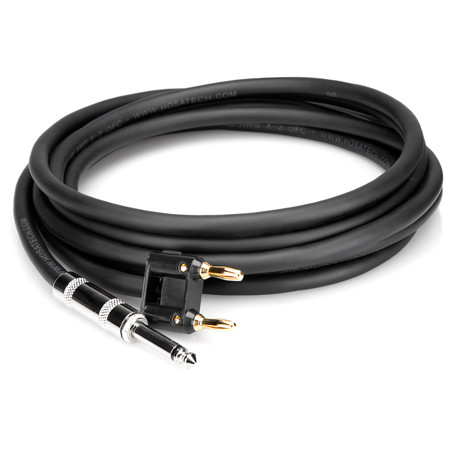
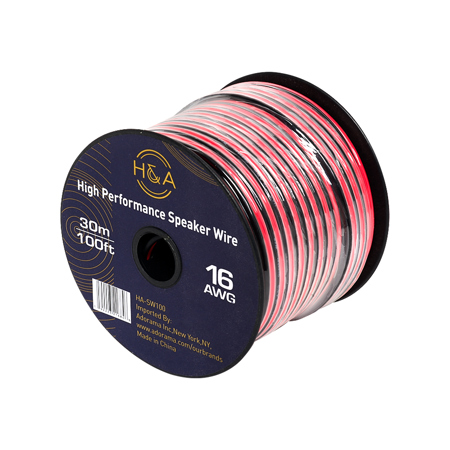
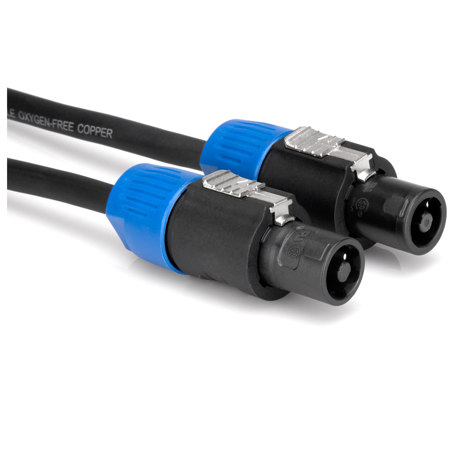
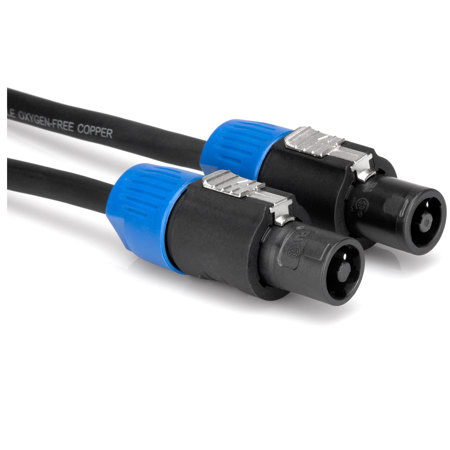
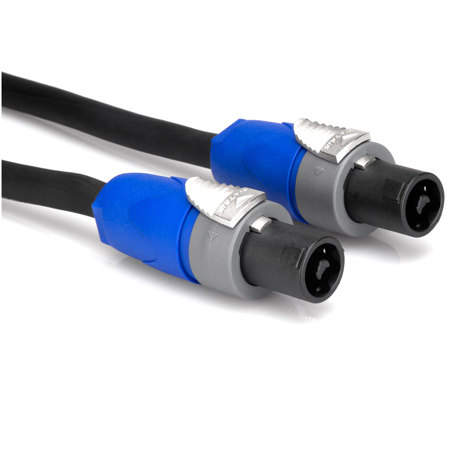
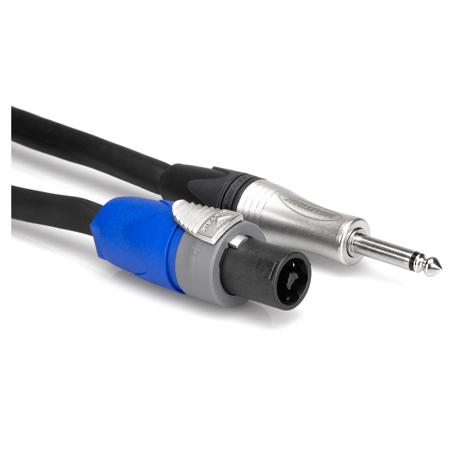
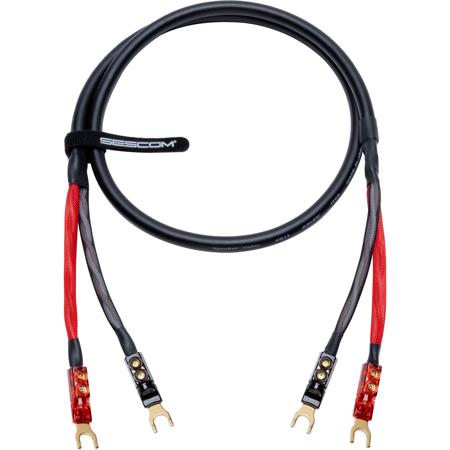
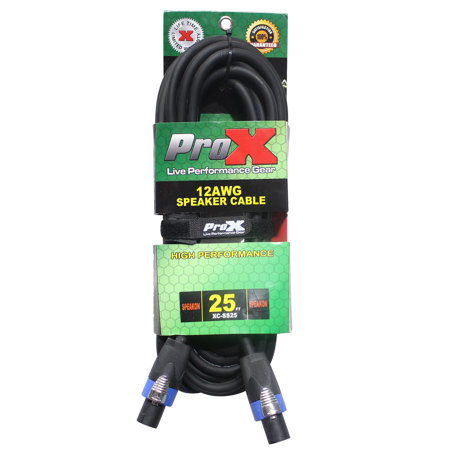
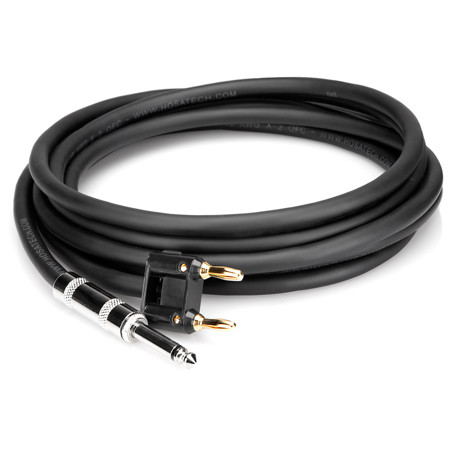
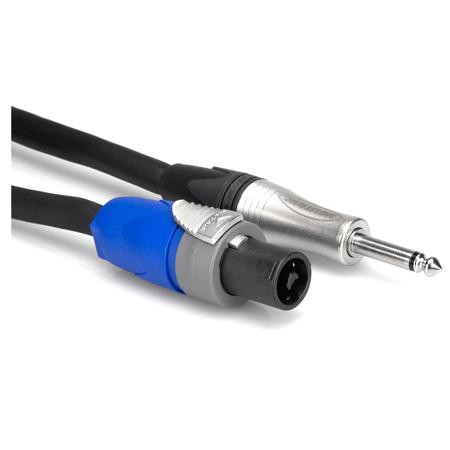
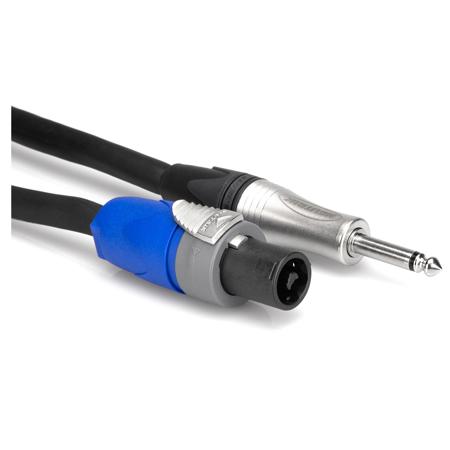
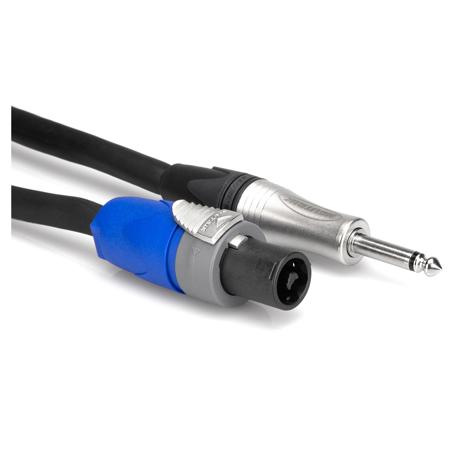
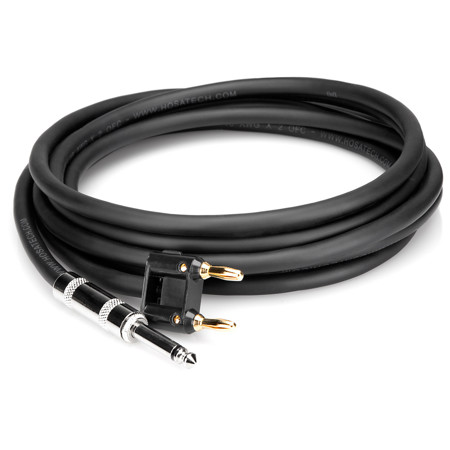
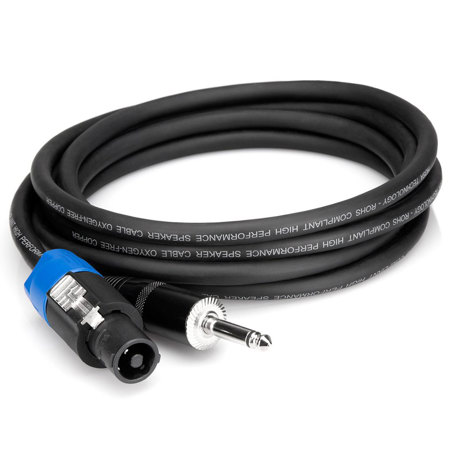
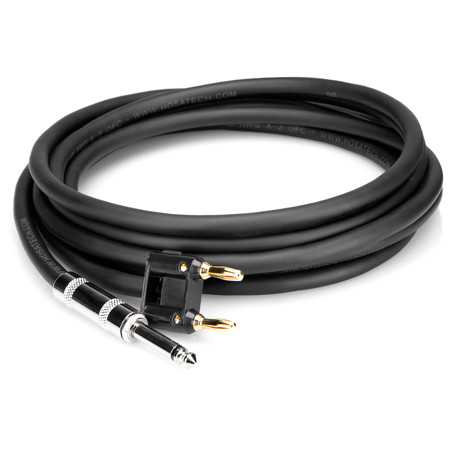
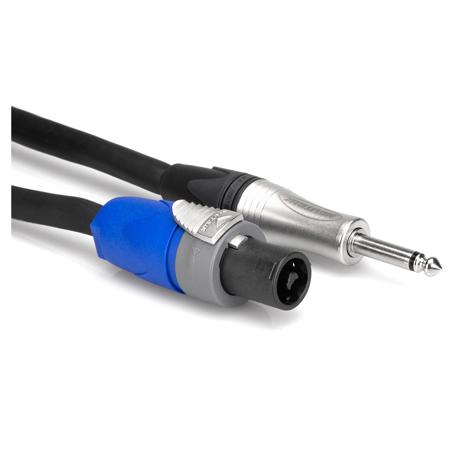
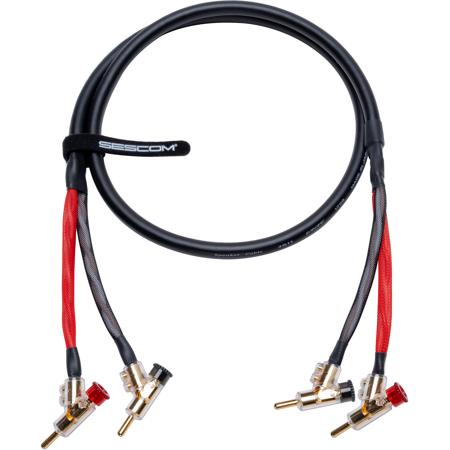
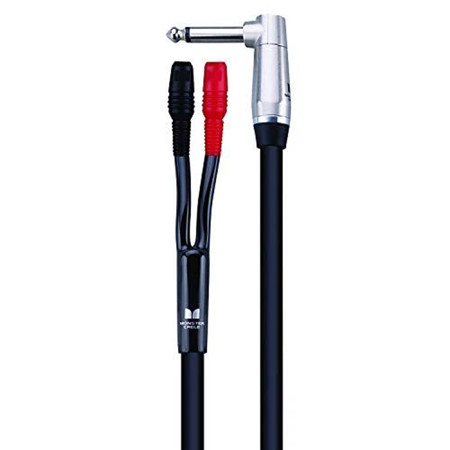
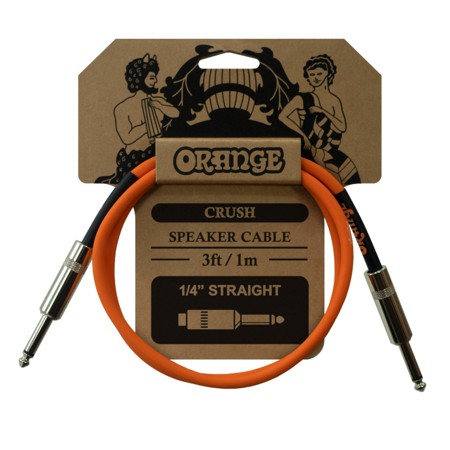
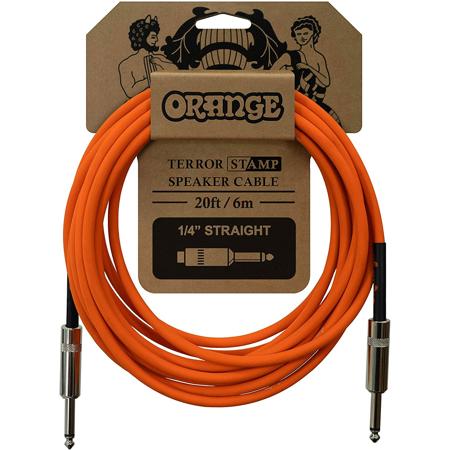
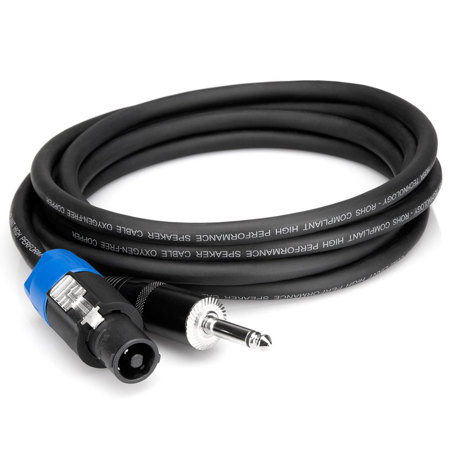
For professionals and hobbyists alike, understanding the nuances of PA speaker cables can help avoid common pitfalls and ensure a seamless setup. Cable gauge is one of the most important factors: the lower the gauge number, the thicker the wire, which is essential for longer cable runs to prevent power loss and maintain clarity. For shorter distances up to 25 feet, 14 or 16 AWG cables are generally sufficient, while longer runs up to 50 feet may require thicker 12 or 14 AWG cables to preserve sound quality. The type of connector is another key consideration. Speakon connectors have become the industry standard in pro audio for their secure, twist-lock mechanism and ability to handle high power, making them ideal for live performances and frequent setups. Meanwhile, 1/4" TS (unbalanced) connectors are often found on older or smaller gear, but it’s crucial to use dedicated speaker cables rather than guitar or instrument cables to avoid damaging your equipment. For permanent installations or vintage amplifiers, bare wire or binding post connections may be appropriate, though these are less common in portable systems. Round, jacketed cables are preferred by professionals for their durability and ease of coiling, standing up to the rigors of transport and repeated use far better than flat "zip cord" alternatives.
PA speaker cables also make practical and thoughtful gifts for musicians, DJs, audio engineers, or anyone building out a home studio or live sound rig. As events move from outdoor venues to indoor spaces with the changing seasons, having the right cables on hand ensures that setups are quick, safe, and professional. Whether you’re outfitting a band for a string of summer gigs or preparing a school theater for fall performances, investing in quality speaker cables can prevent last-minute headaches and keep your audio running smoothly. For those looking to expand or upgrade their sound systems, exploring a wide range of Professional Speaker Cables can provide the flexibility and reliability needed for any application. With attention to cable length, gauge, and connector type, you can tailor your setup to match the demands of any venue or event, ensuring that every note and word is delivered with clarity and power.
For professionals and hobbyists alike, understanding the nuances of PA speaker cables can help avoid common pitfalls and ensure a seamless setup. Cable gauge is one of the most important factors: the lower the gauge number, the thicker the wire, which is essential for longer cable runs to prevent power loss and maintain clarity. For shorter distances up to 25 feet, 14 or 16 AWG cables are generally sufficient, while longer runs up to 50 feet may require thicker 12 or 14 AWG cables to preserve sound quality. The type of connector is another key consideration. Speakon connectors have become the industry standard in pro audio for their secure, twist-lock mechanism and ability to handle high power, making them ideal for live performances and frequent setups. Meanwhile, 1/4" TS (unbalanced) connectors are often found on older or smaller gear, but it’s crucial to use dedicated speaker cables rather than guitar or instrument cables to avoid damaging your equipment. For permanent installations or vintage amplifiers, bare wire or binding post connections may be appropriate, though these are less common in portable systems. Round, jacketed cables are preferred by professionals for their durability and ease of coiling, standing up to the rigors of transport and repeated use far better than flat "zip cord" alternatives.
PA speaker cables also make practical and thoughtful gifts for musicians, DJs, audio engineers, or anyone building out a home studio or live sound rig. As events move from outdoor venues to indoor spaces with the changing seasons, having the right cables on hand ensures that setups are quick, safe, and professional. Whether you’re outfitting a band for a string of summer gigs or preparing a school theater for fall performances, investing in quality speaker cables can prevent last-minute headaches and keep your audio running smoothly. For those looking to expand or upgrade their sound systems, exploring a wide range of Professional Speaker Cables can provide the flexibility and reliability needed for any application. With attention to cable length, gauge, and connector type, you can tailor your setup to match the demands of any venue or event, ensuring that every note and word is delivered with clarity and power.